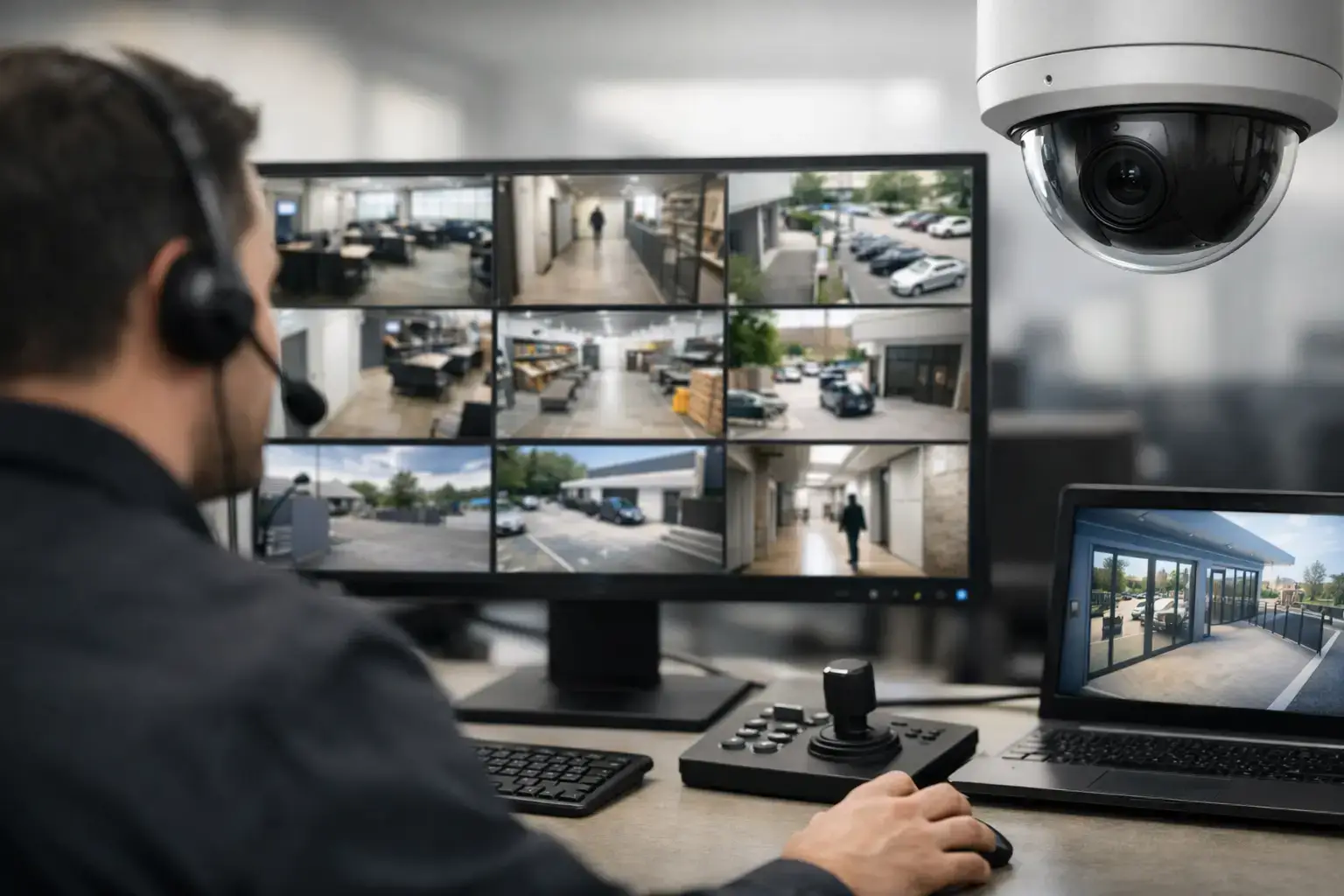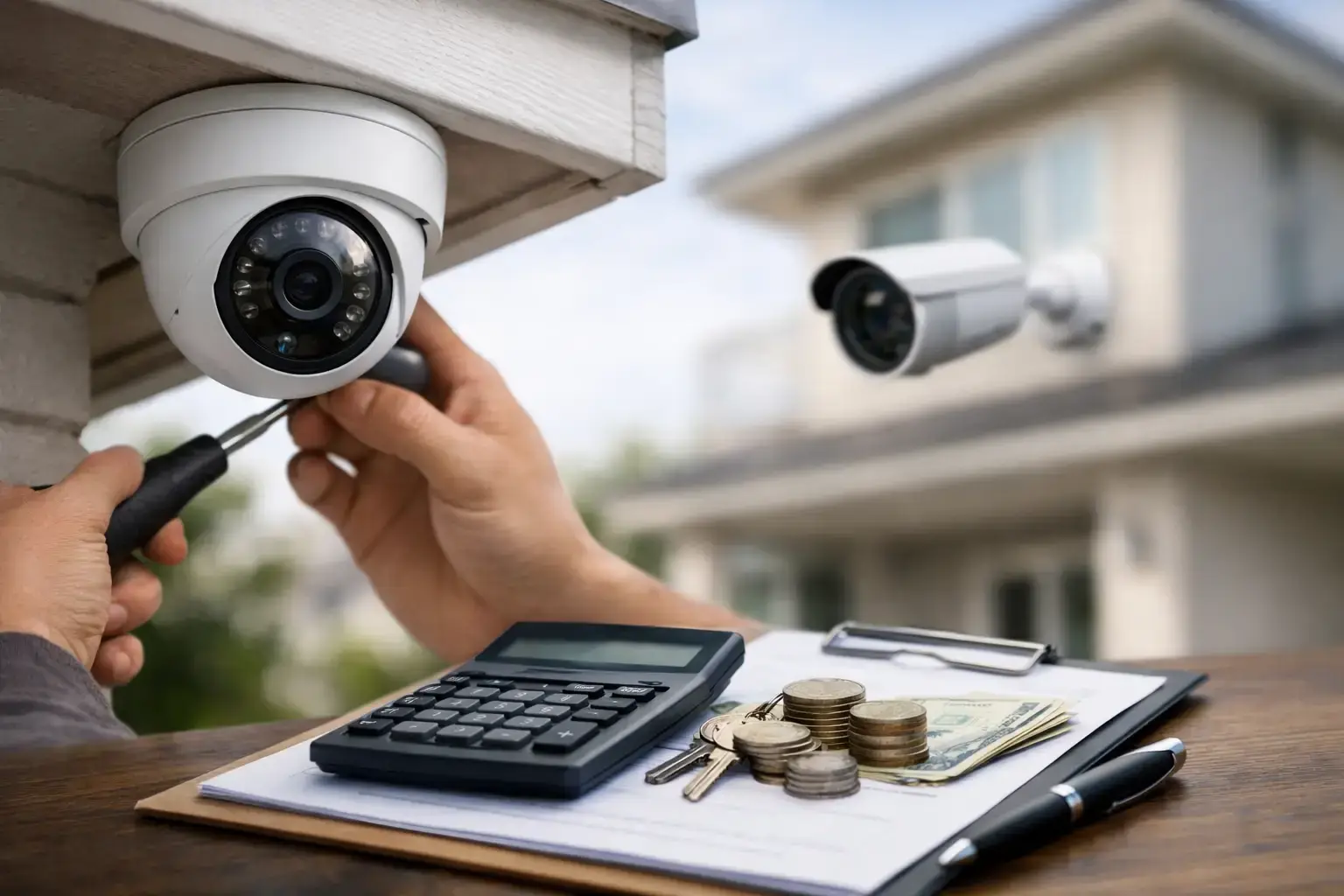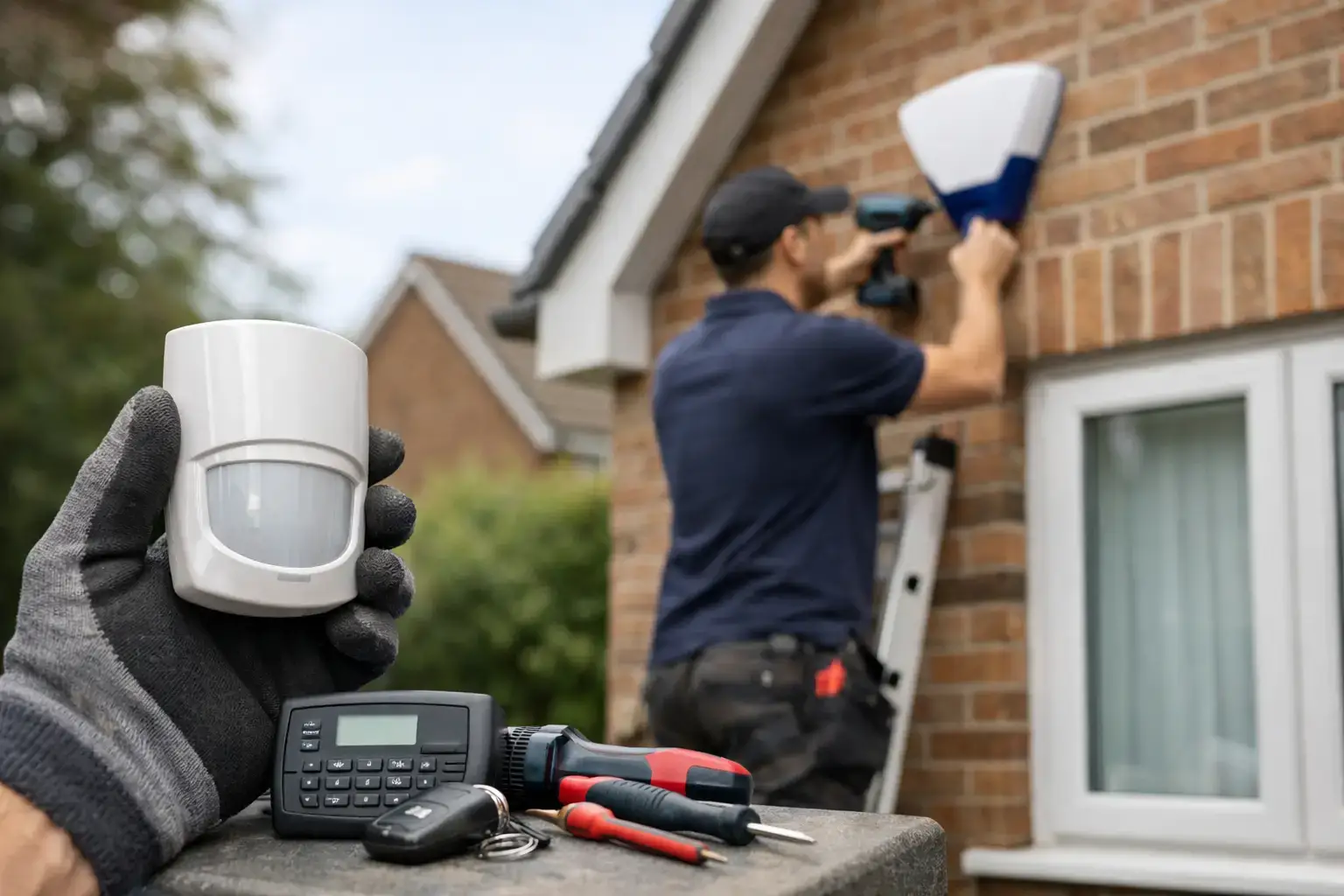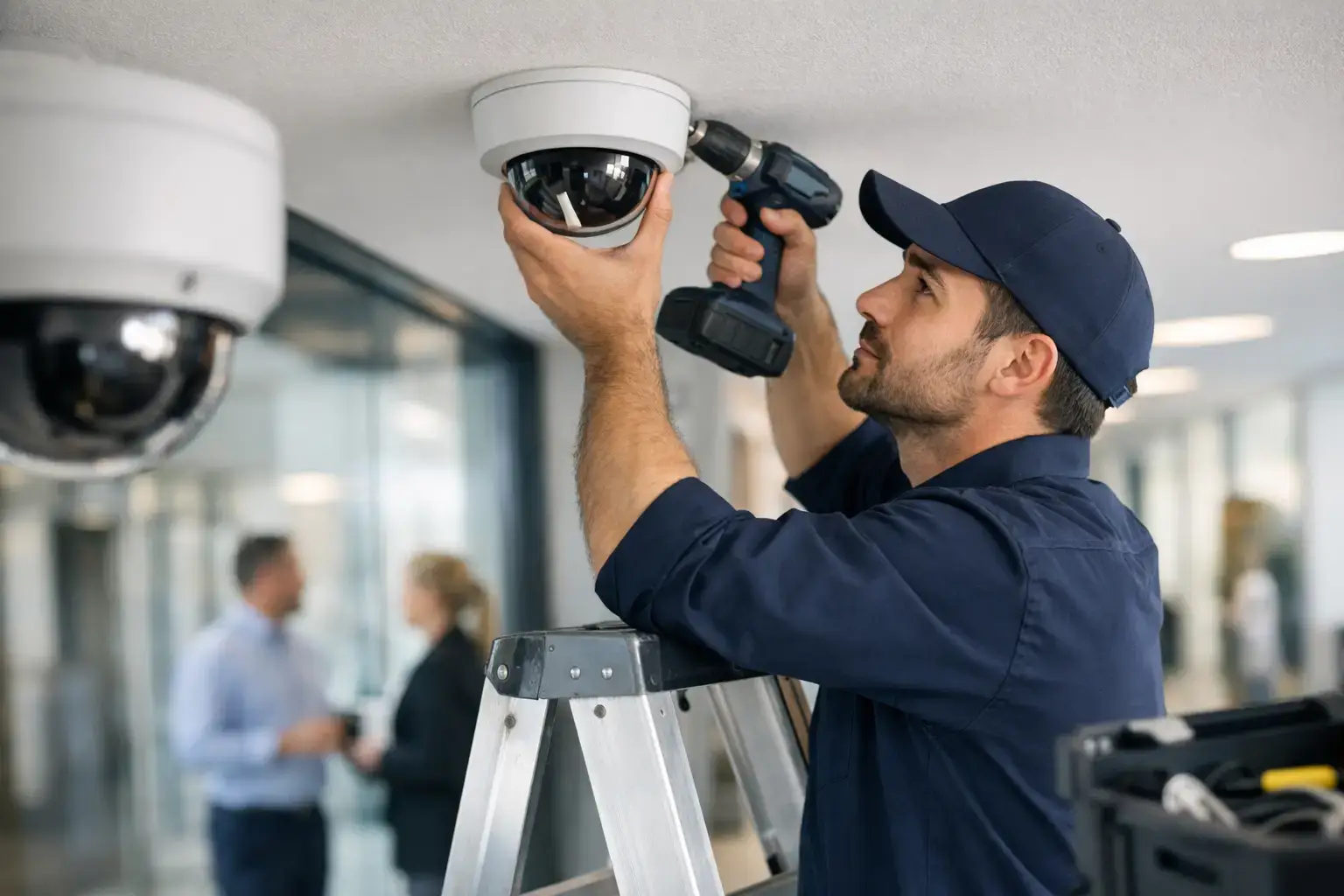
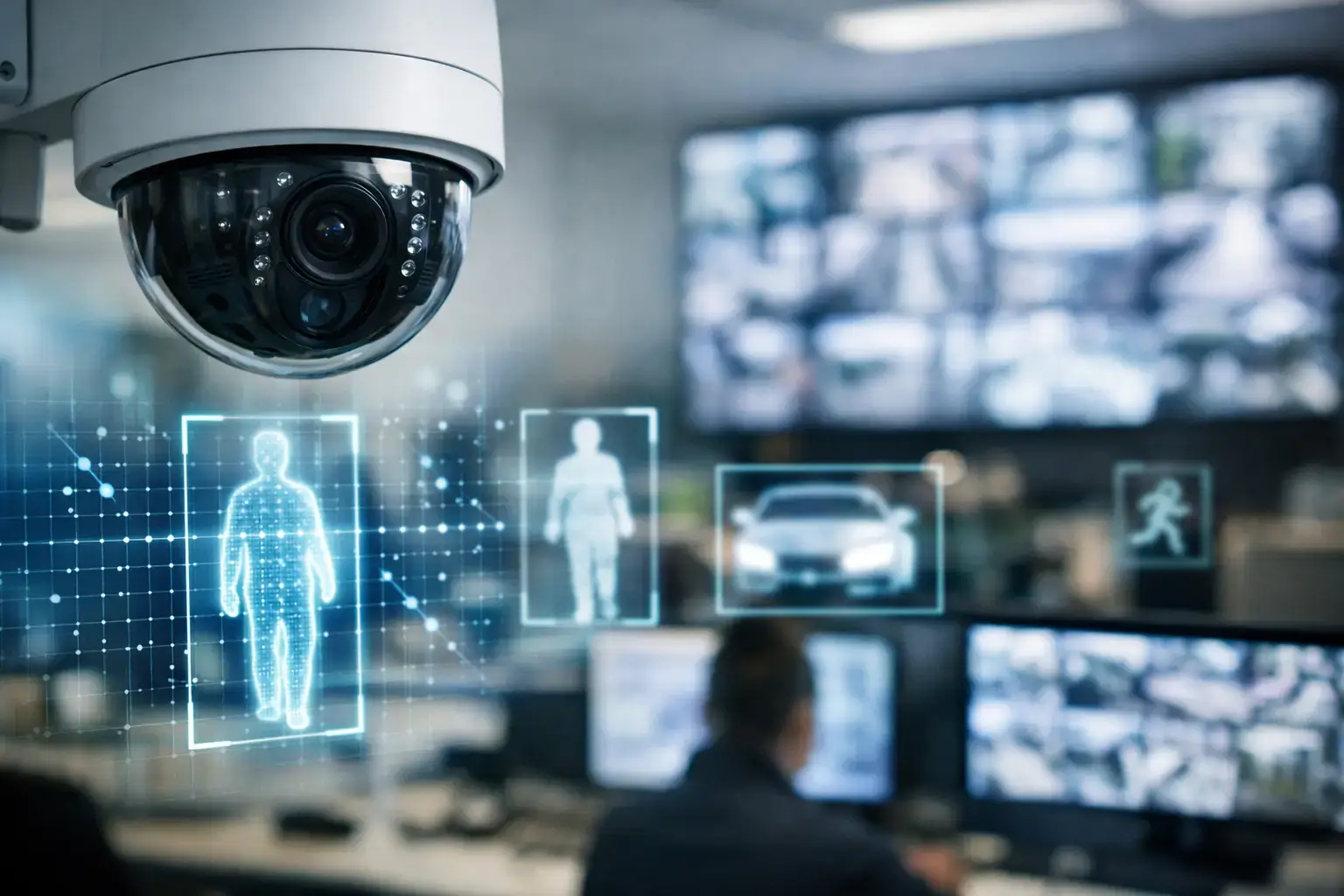
A camera that records everything is useful. A camera that can tell the difference between a person approaching a fence, a fox crossing a yard, and staff moving through an authorised area is far more valuable. That is the real answer to the question, what is analytic CCTV: it is a CCTV system that uses intelligent video analysis to identify events, patterns, and behaviour, rather than simply capturing footage for someone to review later.
For many businesses and homeowners, the difference matters because most security problems are not caused by a lack of cameras. They are caused by too much footage, too many false alerts, and not enough meaningful action at the right moment. Analytic CCTV is designed to solve that.
What is analytic CCTV?
Analytic CCTV combines video surveillance with software-based intelligence. Instead of only recording images, the system analyses what the camera sees and applies rules to detect specific activity. That might include line crossing, intrusion into a restricted zone, loitering, object removal, people counting, vehicle detection, or identifying unusual movement outside normal hours.
In practical terms, this means the system can be configured to recognise security-relevant events and trigger a response. That response could be an alert to a keyholder, a warning to an on-site team, recording at higher detail, or escalation to a monitoring station.
Traditional CCTV is often reactive. An incident happens first, then someone reviews the footage. Analytic CCTV is more proactive. It gives you the chance to spot and respond to an issue while it is still developing.
How analytic CCTV works in real settings
At camera level, the system captures live video as normal. The analytic software then processes that feed against pre-set criteria. Depending on the system design, the analytics may sit within the camera itself, within a recorder, or on a dedicated platform.
A perimeter camera on an industrial estate, for example, can be set to ignore normal environmental movement such as rain or swaying trees but react when a person enters a protected zone after hours. In a retail setting, analytics might detect crowd build-up near an entrance or identify movement in a stockroom at a time when it should be empty. In a residential setting, it may distinguish between general street activity and someone entering a private driveway or garden.
This is where professional design matters. Analytics are only as good as the scene they are watching, the camera position, the lighting conditions, and the rules that have been applied. If the wrong lens is used, if the view is too wide, or if the area is poorly lit, performance can suffer.
Why businesses are moving beyond standard CCTV
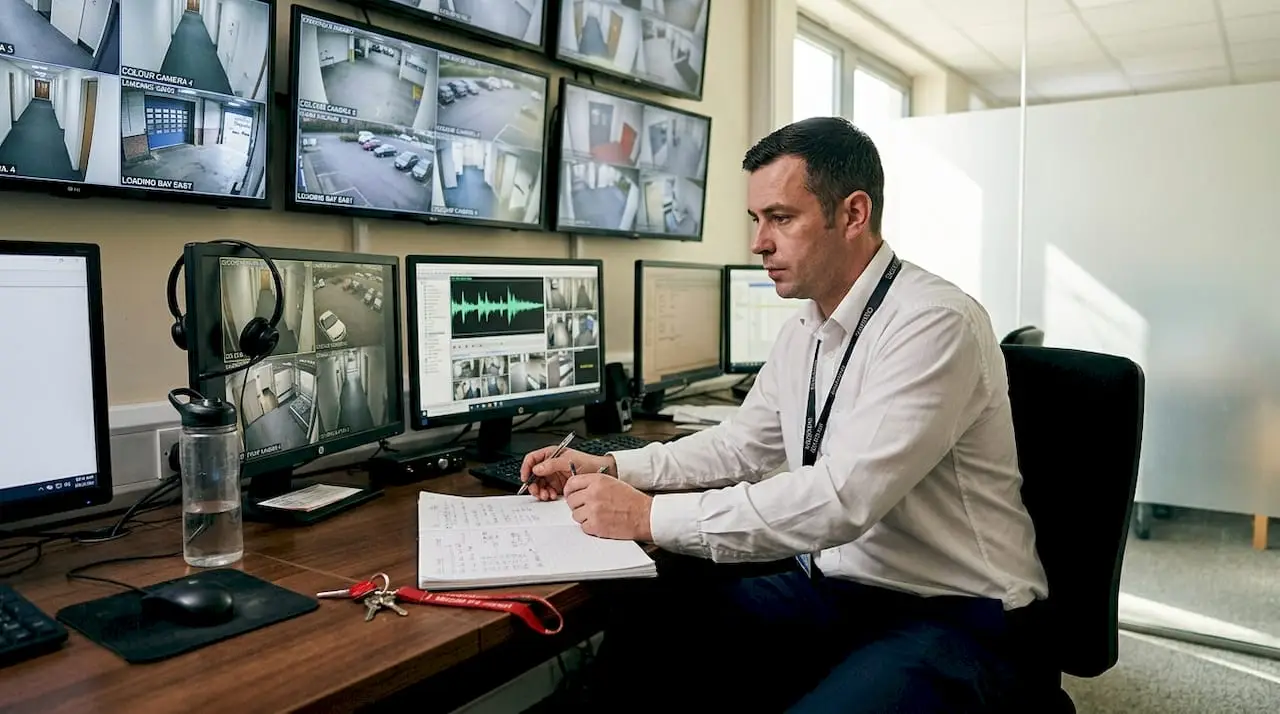
Many commercial sites already have cameras in place, but that does not always mean the system is doing enough. A large premises can produce hours of footage every day. Expecting staff to monitor that effectively is unrealistic, and reviewing recordings after an incident is time-consuming.
Analytic CCTV helps reduce that burden by filtering out non-events and highlighting the moments that matter. For facilities managers, site managers, and business owners, that usually means three practical benefits: faster awareness, fewer false alarms, and better use of security resources.
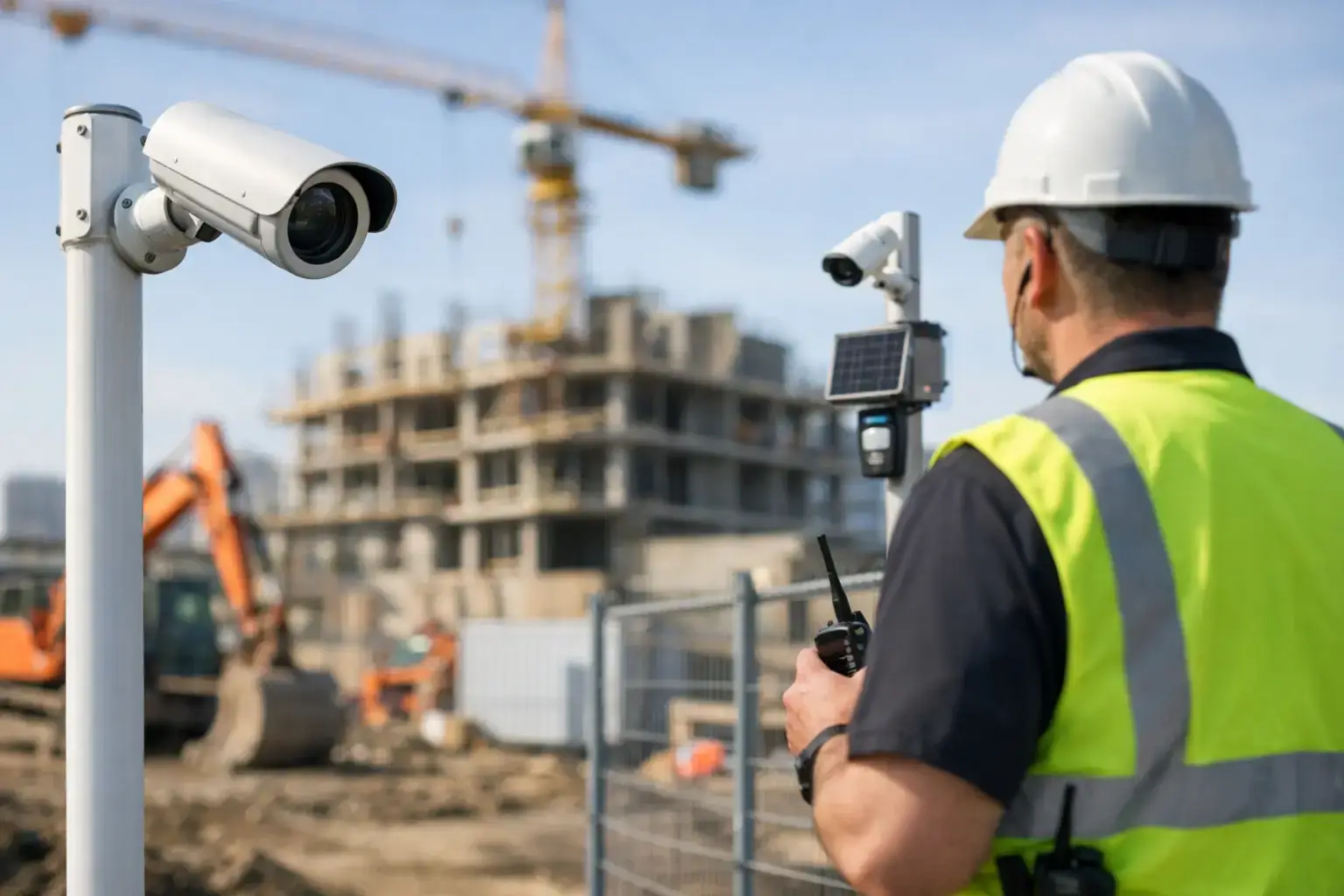
This is especially useful on sites where constant human supervision is not practical. Construction sites, logistics yards, schools, healthcare premises, warehouses, and multi-entrance commercial buildings often need a system that can watch continuously without creating a flood of pointless notifications.
What analytic CCTV can detect
The exact features depend on the cameras and software chosen, but most analytic CCTV systems can be configured around security objectives rather than generic recording. Common examples include intrusion detection in fenced or restricted areas, virtual tripwires across access points, loitering detection near entrances, object left behind or removed, and people or vehicle counting.
Some systems can also support facial recognition or number plate recognition, although those functions need careful consideration from a privacy, compliance, and operational point of view. Not every site needs them, and in some cases a simpler rule-based analytic setup is the better choice.
The right specification depends on the environment. A homeowner may only need smart alerts for people approaching a property boundary. A distribution yard may need vehicle route monitoring and perimeter protection. A school may need analytics that identify movement in prohibited areas outside operating hours without flagging routine activity during the day.
The main advantage – fewer false alarms
One of the biggest frustrations with older CCTV and alarm-linked camera systems is false activation. Wildlife, weather, headlights, shadows, and harmless movement can all trigger alerts if the system is not properly configured.
Good analytic CCTV is designed to reduce that problem. By applying rules based on object type, direction, size, speed, and location, the system can become far more selective. That improves confidence in the alerts and makes it more likely that staff or monitoring teams will act quickly when a genuine incident occurs.
That said, no system is perfect. Heavy rain, poor lighting, glare, obstructions, and badly chosen camera positions can all affect accuracy. Analytics should never be sold as magic. They work best when the system is surveyed properly, matched to the site, and maintained over time.
Is analytic CCTV suitable for homes as well as businesses?
Yes, but the use case is different. In domestic settings, analytic CCTV is less about advanced operational reporting and more about smarter detection. Homeowners usually want to know when a person enters a driveway, approaches a front door, or moves into a private rear garden, without receiving constant alerts every time a cat passes by or leaves blow across the path.
For commercial environments, the value is broader. The system can support security teams, improve incident response, protect stock and assets, and provide useful operational insight. In some sectors it may also help demonstrate better control of risk, which can be relevant for insurers and compliance procedures.
The important point is that analytic CCTV is not only for high-security or high-budget sites. It can be scaled to suit a detached house, a small office, a retail unit, or a large multi-building site. The specification simply needs to reflect the actual risk.
What is analytic CCTV compared with standard IP CCTV?
Standard IP CCTV gives you digital recording, remote viewing, and often very good image quality. That alone is a major step up from older analogue systems. Analytic CCTV builds on that foundation by adding automated interpretation of what the camera is seeing.
So the difference is not one of picture quality alone. It is a difference in function. A standard IP system shows you the scene. An analytic system can be trained to react to activity within it.
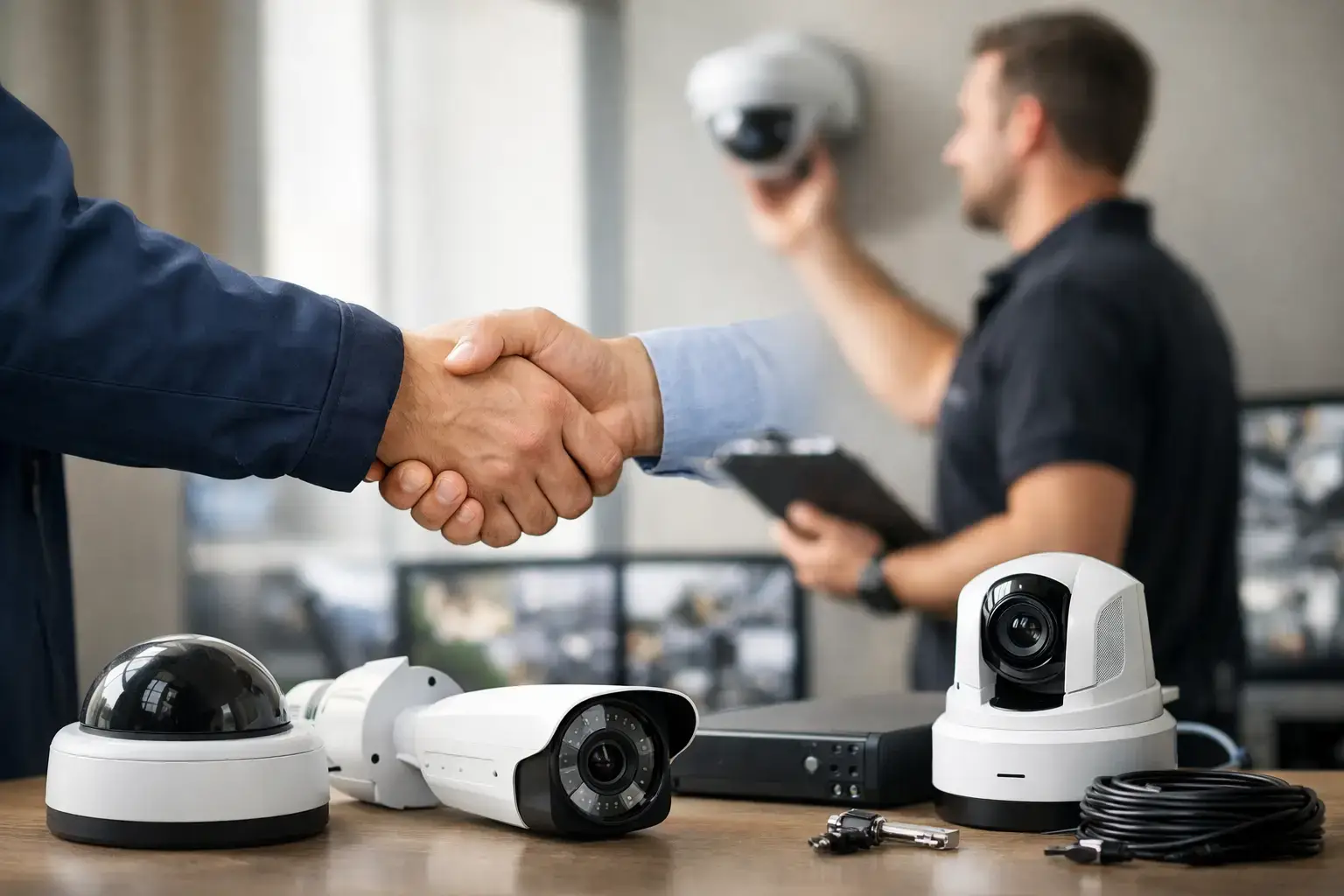
That does not mean every camera on a site needs analytics. In many projects, the best approach is a mixed design. High-risk areas such as gates, perimeters, service yards, staff entrances, and vulnerable access routes may use analytics, while lower-risk coverage areas remain standard recording cameras. This is often the most cost-effective route.
Why installation and configuration matter
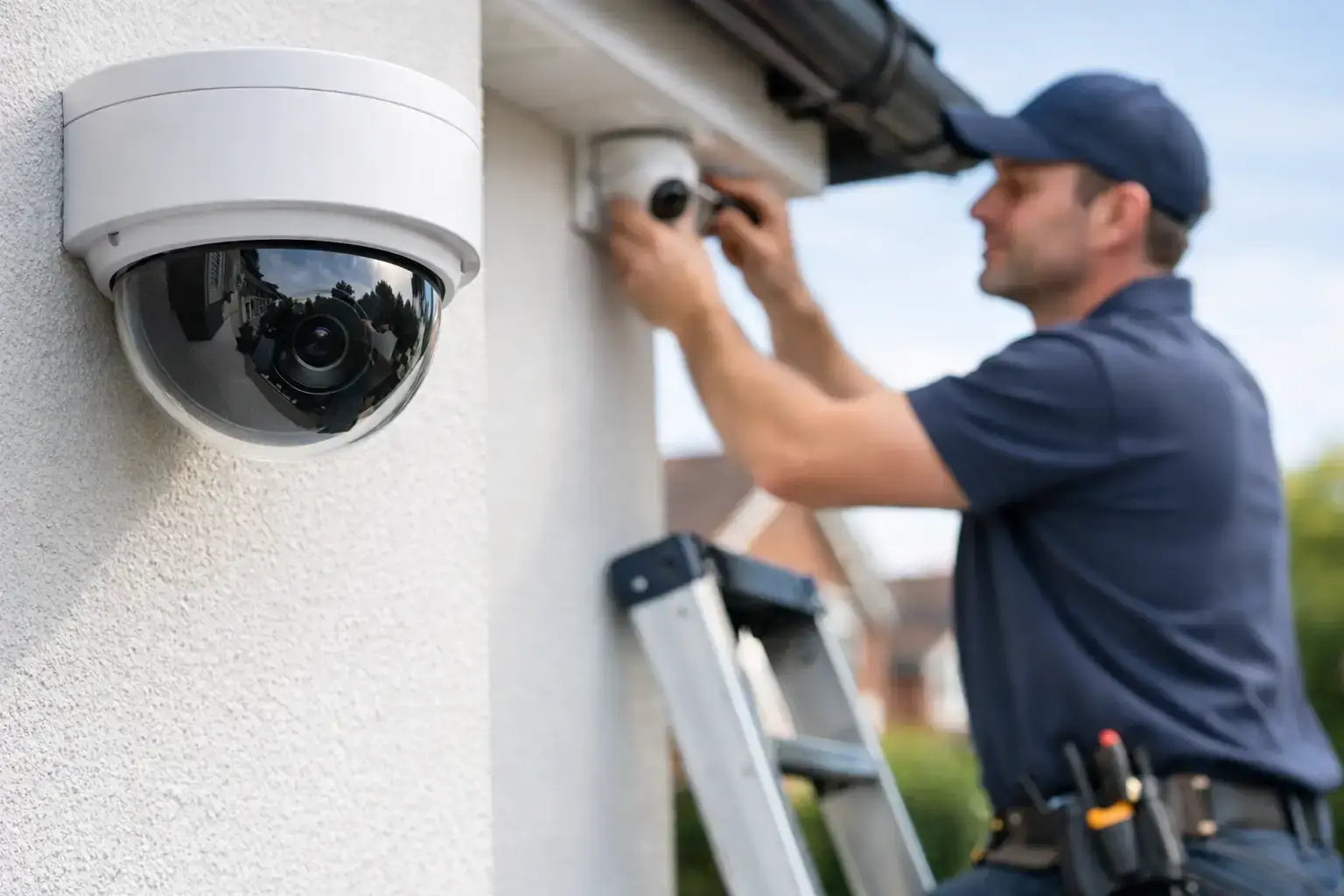
Analytic CCTV should never be treated as a box product. It is a designed system. The camera height, angle, field of view, lighting, network stability, storage setup, and intended response all affect how well it performs.
A professionally installed system should begin with a proper survey. That survey identifies what the actual threats are, what the client needs to detect, when detection matters most, and what level of response is required. There is little value in adding analytics if the alerts are not going to the right people or if the system is watching the wrong area.
This is also why ongoing support matters. Environments change. Trees grow, stock gets stacked higher, access routes move, and lighting conditions vary through the year. Analytics often need refinement after installation to keep performance where it should be.
When analytic CCTV is worth the investment
Analytic CCTV is worth serious consideration when a site has repeated false alarms, wide areas that are difficult to supervise, vulnerable access points, out-of-hours risk, or a need for quicker response. It is also useful where reviewing footage manually is creating delay or where security staff need better information rather than more screens.
For some properties, standard CCTV is still enough. If the main goal is simple visual evidence after an event, analytics may be more than you need. But if you want your system to identify suspicious activity as it happens, the added intelligence can make a noticeable difference.
At 247 CCTV, that decision is usually best made after a site survey rather than from a brochure. The right system is the one that suits the risks, the layout, and the way the building is actually used.
If you are weighing up whether analytic CCTV is right for your premises or home, think less about the label and more about the outcome. The real value is not that the camera is clever. It is that the system helps the right people act sooner, with fewer distractions and more confidence.