
Keeping your facility secure is a constant challenge, especially with evolving risks and complex operational needs. You want to protect your site, respond quickly to incidents, and stay compliant with UK data protection and security standards. But choosing the right systems can feel overwhelming when the stakes are so high.
This guide breaks down the latest facility security technologies and solutions, highlighting options that deliver real-world results. From smart CCTV with remote monitoring to keyless entry access control, you will discover actionable ways to strengthen safety and improve oversight. Get ready to find practical tools and expert strategies that help you stay one step ahead of threats.
Quick Summary
| Takeaway | Explanation |
|---|---|
| 1. Implement Remote Monitoring | Use CCTV systems for real-time surveillance, reducing the need for on-site staff and improving incident response time. |
| 2. Integrate Mobile Alerts | Modern burglar alarms can send immediate notifications to smartphones, enhancing incident awareness and reaction speed. |
| 3. Adopt Keyless Entry Systems | Keyless solutions offer precise access control and eliminate risks associated with lost physical keys, improving overall security. |
| 4. Streamline Visitor Management | Smart door entry systems automate visitor registration and enhance access control, maintaining rigorous security protocols. |
| 5. Utilize Integrated Security Solutions | Combining fire and security alarms into one system allows for faster responses and reduces false alarms, creating a comprehensive safety framework. |
1. CCTV Systems with Remote Monitoring
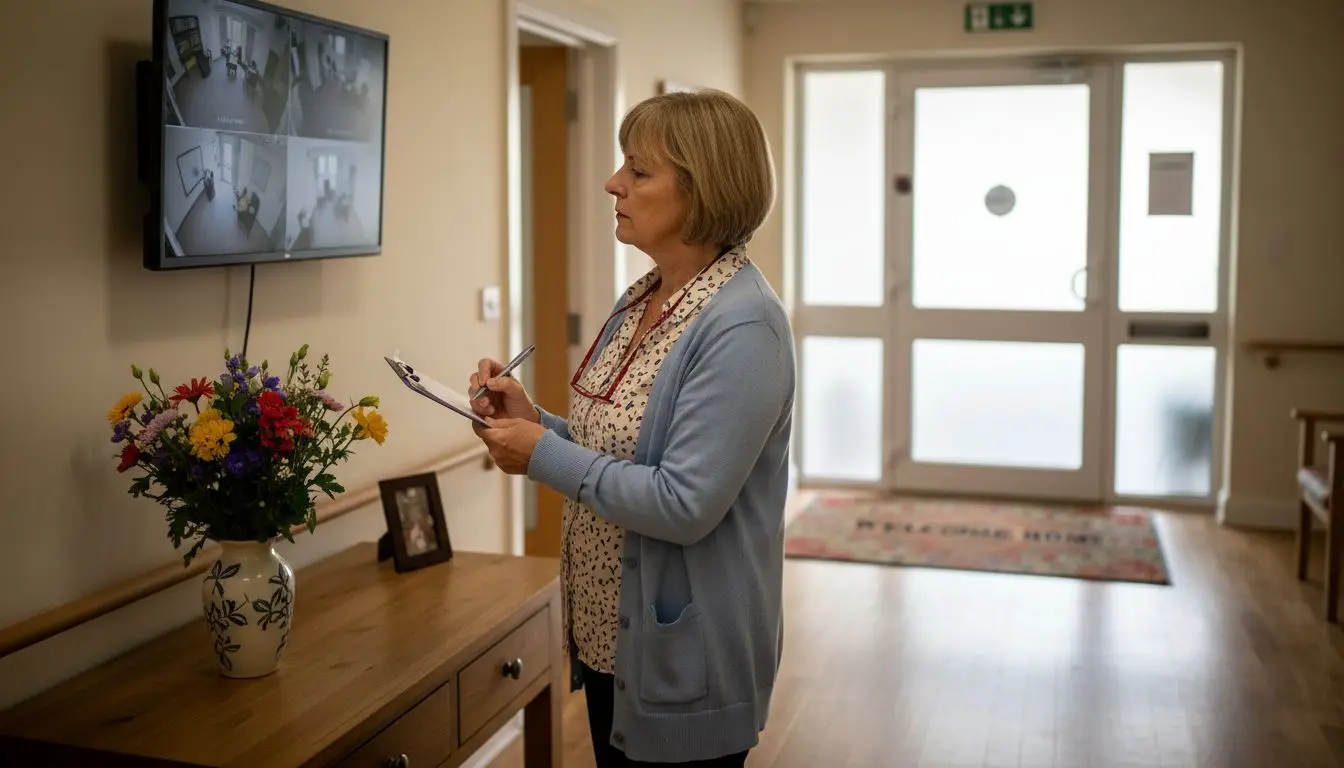
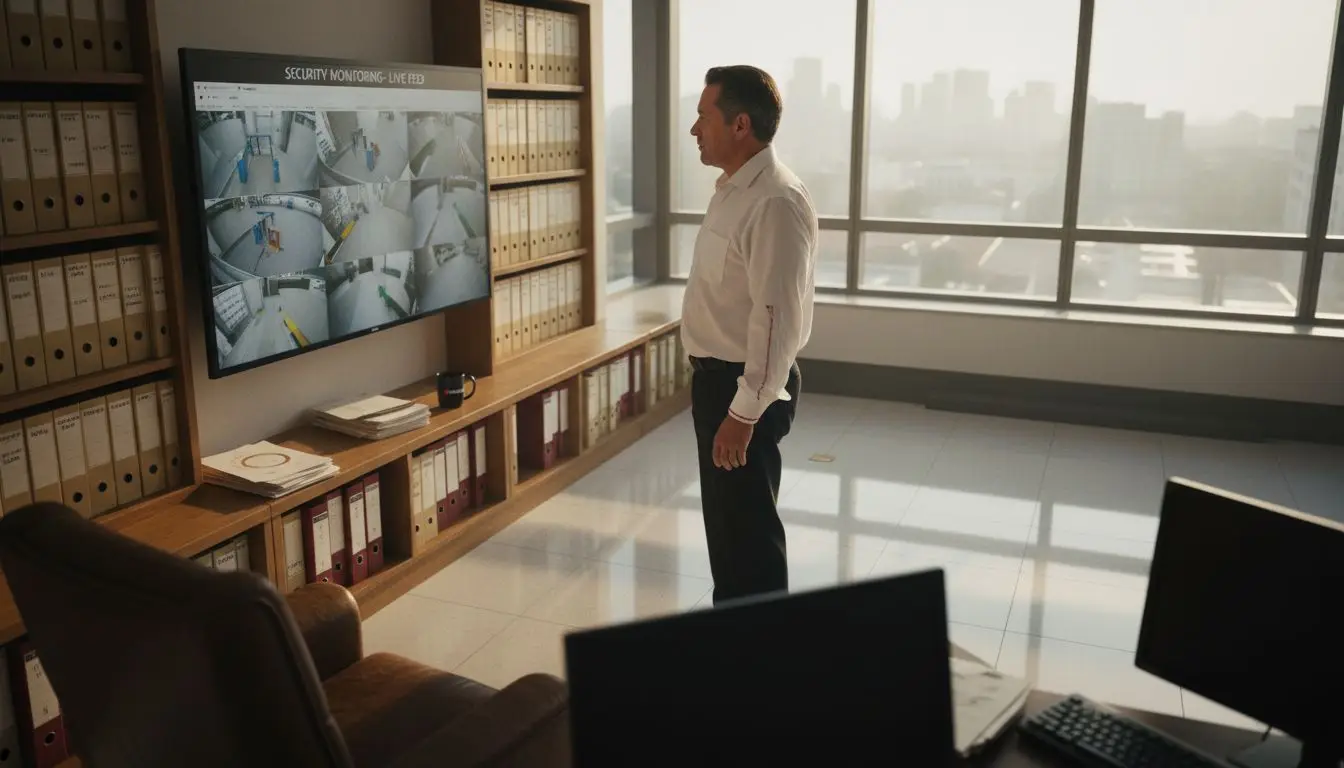
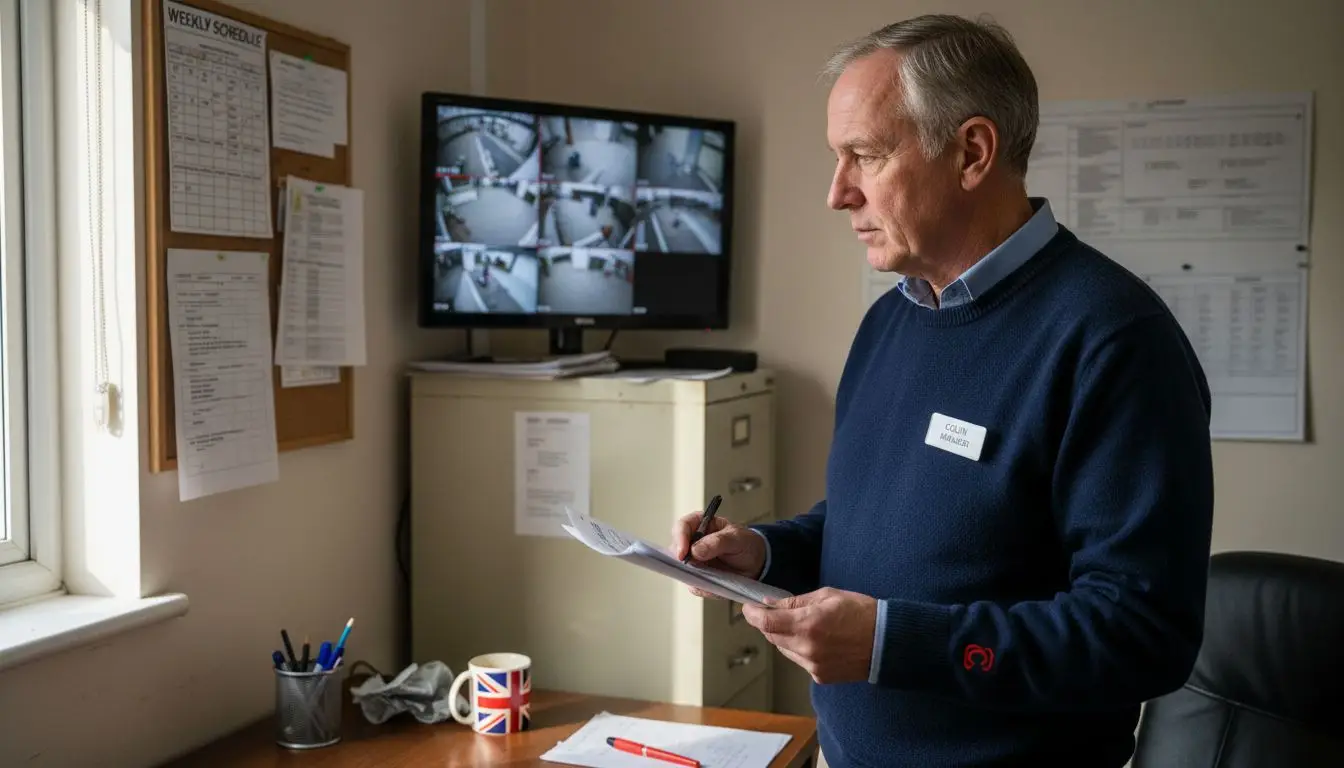
Remote monitoring represents a quantum leap in facility security technology. By enabling real-time surveillance from anywhere with an internet connection, these smart systems transform how businesses protect their physical assets.
CCTV remote monitoring offers comprehensive advantages for facilities managers:
- Instant incident response capabilities
- 24/7 surveillance without constant on-site personnel
- Reduced security staffing costs
- Enhanced situational awareness
Under the comprehensive CCTV monitoring guidelines, organisations can leverage these systems to create proactive security strategies. Modern remote monitoring technologies use intelligent analytics to detect unusual activities automatically, sending immediate alerts to designated security personnel.
Remote monitoring transforms passive surveillance into an active security management tool.
Advanced burglar alarm systems like Hikvision AX Pro and Texecom Premier Elite now integrate seamlessly with remote monitoring platforms. These systems can send real-time notifications directly to smartphones, allowing facilities managers to monitor multiple sites simultaneously.
Implementing remote monitoring requires careful planning:
- Select compatible security hardware
- Ensure robust internet connectivity
- Train relevant personnel on monitoring protocols
- Establish clear incident response procedures
Professional recommendation: Configure multiple notification channels to ensure no critical security event goes unnoticed, including SMS, email, and mobile app alerts.
2. Burglar Alarms Integrating Mobile Alerts
Modern burglar alarm systems have revolutionised facility security through intelligent mobile alert technologies. These advanced systems transform traditional security approaches by delivering instant notifications directly to facility managers’ smartphones.
The key advantages of mobile-integrated burglar alarms include:
- Immediate security event notifications
- Real-time incident tracking
- Remote system management
- Reduced response times
Smart alarm systems like RISCO LightSYS+ and Texecom Premier Elite now offer advanced IoT intrusion detection capabilities that go beyond traditional audible alerts.
Mobile alerts transform reactive security into proactive protection.
These intelligent systems can distinguish between genuine security threats and false alarms, sending detailed information about potential intrusions. Facility managers receive comprehensive data including time, location, and potential risk level directly on their mobile devices.
Implementing mobile-integrated burglar alarms requires strategic planning:
- Select systems with multi-channel alert capabilities
- Configure personalised notification settings
- Establish clear escalation protocols
- Test system responsiveness regularly
Professional recommendation: Configure multiple communication channels for alerts to ensure critical security information reaches the right personnel instantly, regardless of individual device availability.
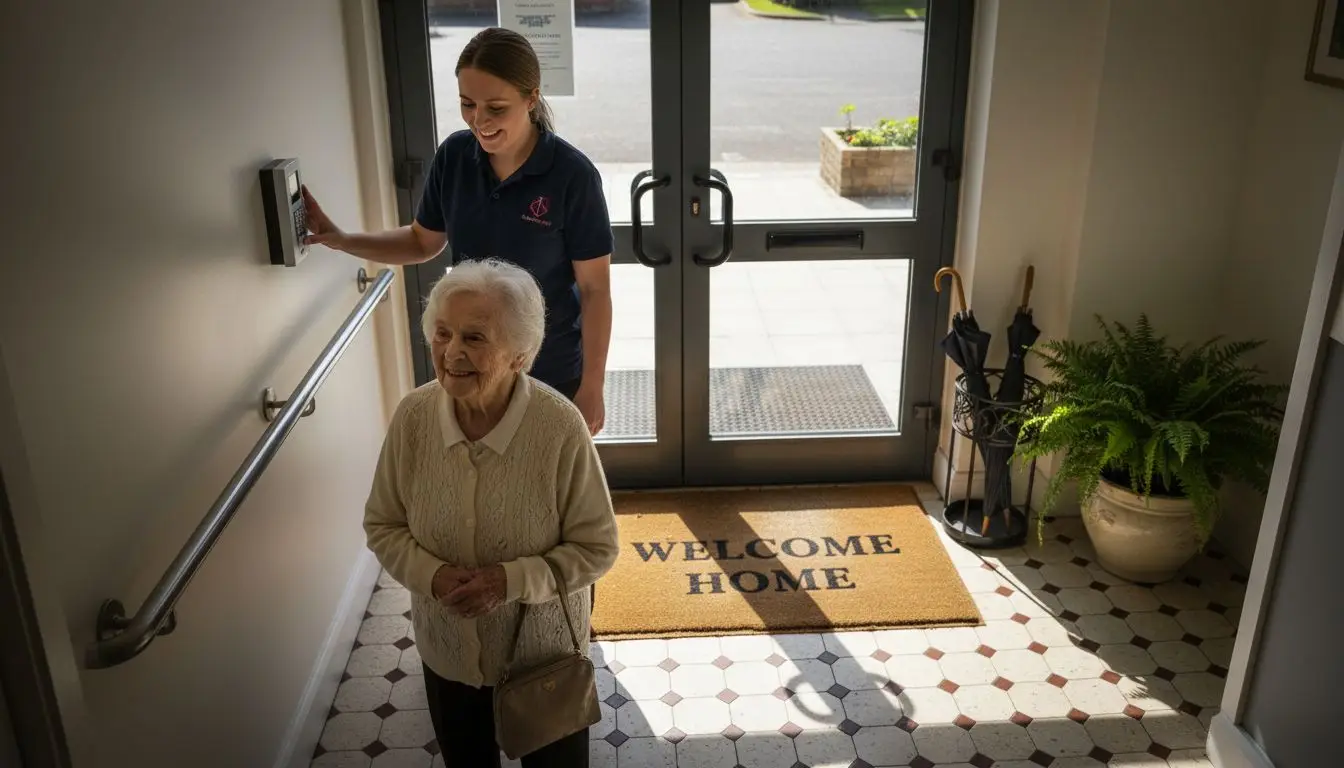
3. Access Control with Keyless Entry
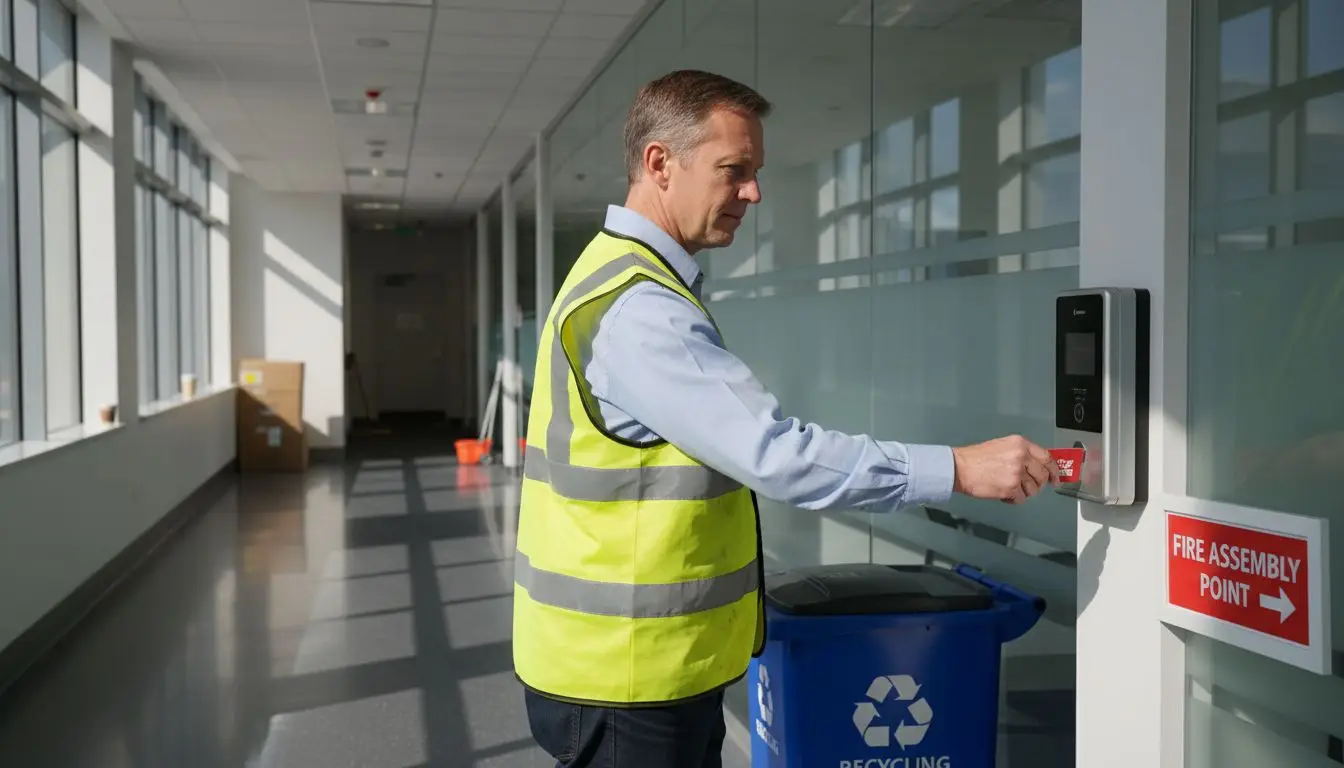
Keyless entry systems represent a sophisticated leap forward in facility security management. These intelligent access control solutions eliminate traditional physical key vulnerabilities while providing granular control over building entry points.
Modern keyless entry technologies offer significant advantages:
- Precise access tracking
- Elimination of lost key risks
- Instant credential revocation
- Comprehensive entry logs
- Flexible permissions management
Facilities can now implement secure cybersecurity access protocols that dynamically manage entry permissions across complex organisational structures.
Keyless systems transform security from reactive monitoring to proactive control.
Digital credentials such as proximity cards, biometric scanners, and smartphone authentication provide multiple layers of security. Unlike traditional keys, these systems generate detailed audit trails recording exactly who entered specific areas and when.
Implementing keyless entry requires strategic planning:
- Assess current security infrastructure
- Select compatible digital credential systems
- Design granular access permission hierarchies
- Train personnel on new system protocols
- Establish ongoing management procedures
Professional recommendation: Regularly audit and update digital access credentials to maintain optimal security integrity and promptly remove permissions for departed personnel.
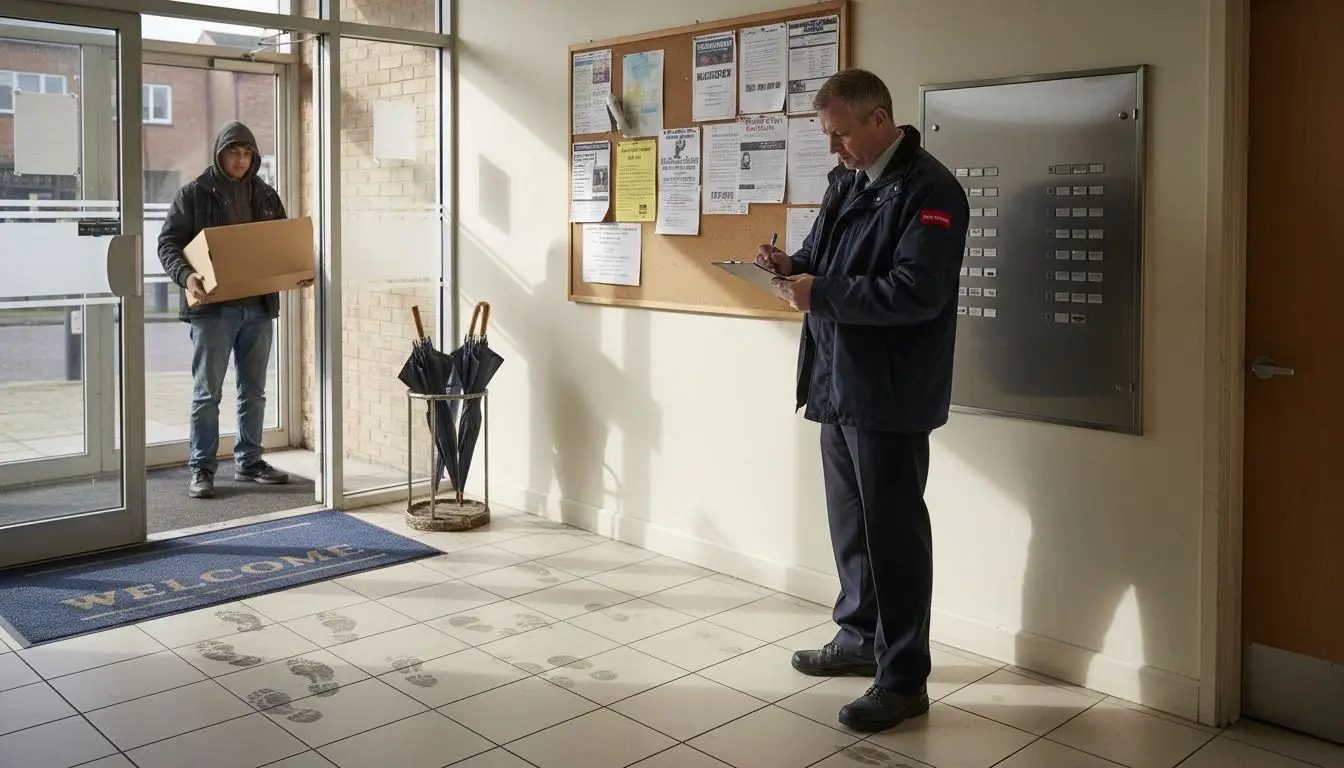
4. Visitor Management Using Smart Door Entry
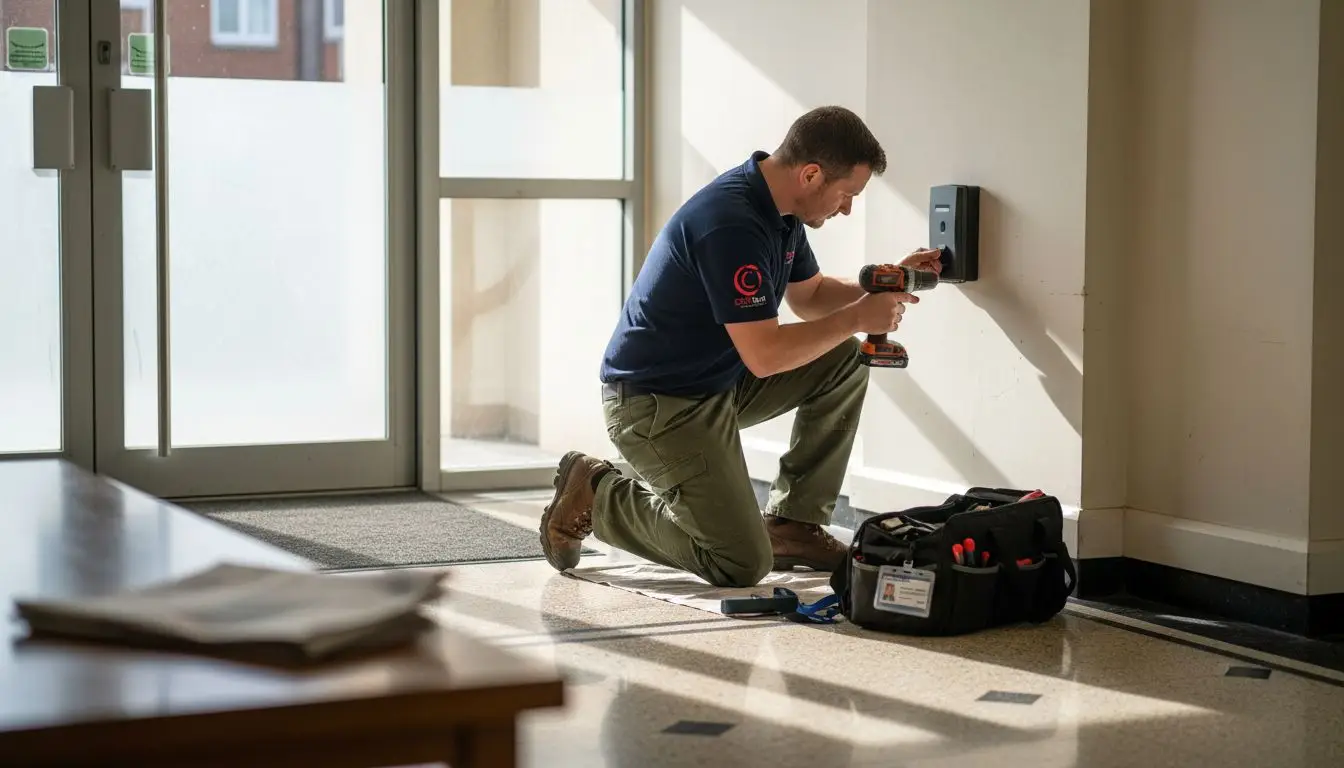
Smart door entry systems have transformed visitor management from a manual administrative process to an intelligent security solution. These advanced technologies provide facilities managers with robust tools to control and monitor visitor access seamlessly.
Key advantages of smart visitor management include:
- Automated visitor registration
- Real-time access tracking
- Enhanced site security
- Digital visitor log maintenance
- Instant credential verification
Facilities can now integrate electronic visitor authorisation systems that streamline entry processes while maintaining stringent security protocols.
Smart door entry transforms visitor management from a challenge to a strategic advantage.
Modern systems incorporate multiple verification layers including digital identity checks, temporary access credentials, and comprehensive visitor tracking. These technologies enable facilities to manage guest access with unprecedented precision and control.
Implementing smart visitor management requires strategic steps:
- Assess current visitor entry procedures
- Select compatible digital entry systems
- Design visitor registration workflows
- Configure access permission levels
- Train reception and security personnel
Professional recommendation: Regularly update your digital visitor management system to maintain robust security standards and ensure seamless integration with evolving technological platforms.
5. Integrated Fire and Security Alarm Solutions
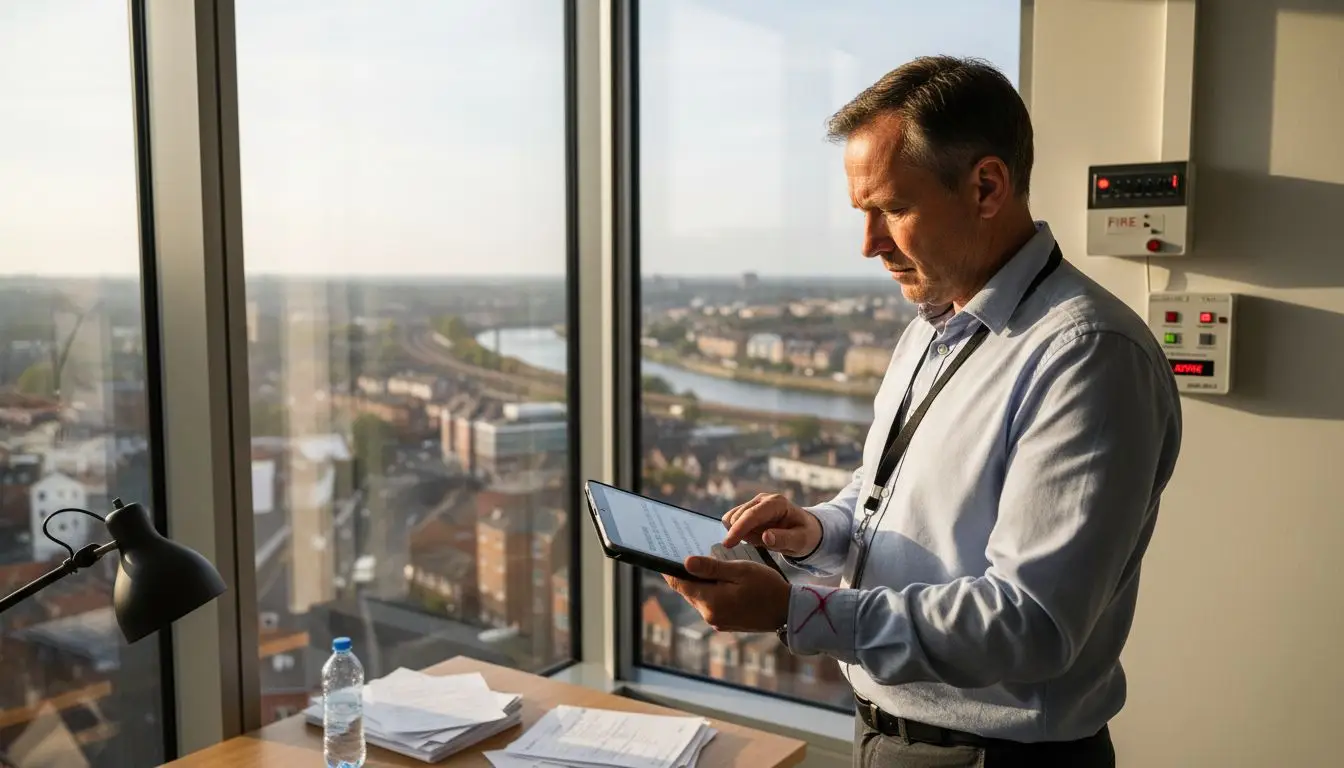
Integrated fire and security alarm solutions represent a sophisticated approach to comprehensive facility protection. These intelligent systems combine multiple security technologies to provide seamless monitoring and rapid emergency response capabilities.
Key advantages of integrated alarm solutions include:
- Comprehensive threat detection
- Centralised monitoring platform
- Reduced false alarm rates
- Faster emergency response times
- Single infrastructure management
Facilities can now implement certified fire detection systems that meet rigorous national standards and provide reliable protection.
Integrated alarm systems transform reactive safety into proactive protection.
Modern solutions leverage advanced sensor technologies that communicate across security platforms. These systems can automatically alert emergency services, trigger building-wide communication protocols, and provide detailed incident tracking.
Successful implementation requires strategic planning:
- Conduct comprehensive facility risk assessment
- Select compatible alarm technologies
- Design integrated communication protocols
- Establish clear emergency response procedures
- Schedule regular system maintenance
Professional recommendation: Invest in professional certification and regular system testing to ensure your integrated fire and security alarm solution remains fully operational and compliant with current safety regulations.
6. Perimeter Security with Smart Sensors
Smart sensor technologies represent a quantum leap in perimeter security management for facilities. These intelligent devices transform traditional boundary protection into a dynamic and responsive security ecosystem.
Key advantages of smart sensor perimeter security include:
- Continuous boundary monitoring
- Instant intrusion detection
- Precise location tracking
- Automated threat assessment
- Minimal human intervention
Facilities can now implement IoT-enabled security sensors that provide real-time monitoring and early threat detection.
Smart sensors convert passive boundaries into active security guardians.
Advanced sensor technologies utilise multiple detection mechanisms including infrared, motion sensing, acoustic analysis, and thermal imaging. These systems can differentiate between authorised movements and potential security breaches with remarkable accuracy.
Successful smart sensor deployment requires strategic implementation:
- Conduct comprehensive perimeter risk assessment
- Select appropriate sensor technologies
- Design integrated monitoring infrastructure
- Configure intelligent alert mechanisms
- Establish clear response protocols
Professional recommendation: Regularly calibrate and update sensor systems to maintain optimal performance and prevent technological drift in threat detection capabilities.
7. Cloud-Based Security Management Platforms
Cloud-based security management platforms have revolutionised how facilities managers monitor and control comprehensive security infrastructures. These intelligent systems centralise security data and operations into a single accessible digital environment.
Key advantages of cloud security platforms include:
- Unified security dashboard
- Real-time threat monitoring
- Scalable infrastructure
- Remote access capabilities
- Comprehensive incident reporting
Facilities can now implement advanced cloud security solutions that provide unprecedented operational insights.
Cloud platforms transform security management from reactive monitoring to proactive intelligence.
Modern platforms integrate multiple security technologies including access control, video surveillance, alarm systems and threat analytics. They provide facilities managers with instant visibility across entire security ecosystems through intuitive interfaces.
Successful cloud security platform implementation requires strategic steps:
- Assess current security infrastructure
- Select platforms with robust encryption
- Configure comprehensive user permissions
- Establish data backup protocols
- Train personnel on new system capabilities
Professional recommendation: Prioritise cloud platforms offering multi-factor authentication and comprehensive audit trails to ensure maximum security and regulatory compliance.
Below is a comprehensive table summarising the key concepts, advantages, and implementation strategies discussed throughout the article regarding facility security management technologies.
| Topic | Advantages | Implementation Steps | Professional Recommendations |
|---|---|---|---|
| CCTV Systems with Remote Monitoring | Instant response capabilities, reduced staffing costs, and enhanced situational awareness. | Select compatible hardware, ensure internet connectivity, train personnel, and establish response protocols. | Configure multiple notification channels to avoid missed alerts. |
| Burglar Alarms Integrating Mobile Alerts | Immediate event notifications and remote management capabilities. | Select systems with multi-channel alerts, configure notification settings, and test responsiveness regularly. | Configure diverse communication channels for reliable alert delivery. |
| Access Control with Keyless Entry | Precise access tracking and elimination of key-related risks. | Assess current infrastructure, choose credential systems, design permission hierarchies, and establish management procedures. | Audit and update credentials regularly for optimal security. |
| Visitor Management Using Smart Door Entry | Automated registration processes and enhanced security controls. | Analyse visitor procedures, select digital systems, design workflows, and train personnel. | Update systems regularly to integrate new technologies. |
| Integrated Fire and Security Alarm Solutions | Comprehensive threat detection and integrated management. | Conduct risk assessments, implement certified technologies, design protocols, and maintain systems. | Invest in certifications and regular testing for operation reliability. |
| Perimeter Security with Smart Sensors | Continuous monitoring with automated intrusion detection. | Perform perimeter risk analysis, select sensor technologies, and configure monitoring infrastructures. | Schedule calibration and updates to maintain performance quality. |
| Cloud-Based Security Management Platforms | Unified dashboards with real-time monitoring and scalability. | Assess infrastructure, select secure platforms, configure permissions, and ensure personnel training. | Choose platforms supporting multi-factor authentication for enhanced security. |
Elevate Your Facility Security with Smart Solutions Tailored for You
Facilities managers face the challenge of protecting assets while maintaining seamless operations. This article highlights critical pain points such as the need for instant incident response, remote monitoring capabilities, and proactive security management through technologies like CCTV remote monitoring, mobile-integrated burglar alarms, and cloud-based security platforms. Managing complex access permissions and ensuring real-time alerts are essential goals that demand smart, reliable systems.
At 247 CCTV, we understand these challenges and offer expert installation services for a wide range of cutting-edge solutions including CCTV, burglar alarms, door entry and access control systems. Our tailored approach ensures your business benefits from enhanced situational awareness, reduced response times, and centralised control to keep your facility secure around the clock.
Discover how you can protect your premises today by partnering with a security provider who specialises in smart, integrated systems. Visit 247 CCTV to explore our professional installations and start creating a proactive security environment. Take action now to safeguard your facility effectively with proven smart security technologies.
Frequently Asked Questions
How can facilities managers implement remote monitoring for CCTV systems?
Implementing remote monitoring requires selecting compatible security hardware and ensuring robust internet connectivity. Train relevant personnel on monitoring protocols to ensure 24/7 surveillance is effective and instant incident responses can be coordinated.
What steps should I take to integrate mobile alerts with burglar alarm systems?
To integrate mobile alerts, select burglar alarm systems with multi-channel alert capabilities and configure personalised notification settings. Regularly test system responsiveness to ensure immediate security event notifications are delivered to the right personnel.
How do I establish keyless entry systems for my facility?
Start by assessing your current security infrastructure and selecting compatible digital credential systems. Design granular access permission hierarchies to manage who can enter specific areas and train your personnel on the new protocols to enhance building security.
What are the key components to consider for smart visitor management?
Consider automating visitor registration, ensuring real-time access tracking, and maintaining a digital visitor log. Configure access permission levels and provide training for reception staff to streamline the visitor management process while improving site security.
How do I implement integrated fire and security alarm solutions effectively?
Conduct a comprehensive facility risk assessment to identify vulnerabilities, and select compatible alarm technologies for your premises. Establish clear emergency response procedures and schedule regular maintenance to keep all systems operational and compliant with safety standards.
What are the benefits of using cloud-based security management platforms?
Cloud-based platforms provide a unified security dashboard, enabling real-time threat monitoring and scalable infrastructure. To maximise effectiveness, ensure you configure user permissions properly and establish data backup protocols to enhance security operations across your facility.
Recommended
- Why Door Entry Systems Matter for Facilities Managers – 247 CCTV Security Ltd
- 7 Key Advantages of Door Entry Systems for UK Facilities – 247 CCTV Security Ltd
- 7 Essential Commercial Security Solutions List for Essex Facilities – 247 CCTV Security Ltd
- 7 Essential Warehouse Security Tips for Businesses – 247 CCTV Security Ltd
- 7 Wohngebäudeversicherung Trends 2026 für Hausbesitzer