Untidy cables in a busy Essex commercial property can create more problems than just an eyesore. Effective cable management is a cornerstone of reliable CCTV installations, directly impacting security compliance and long-term maintenance. Facilities managers who focus on organised cabling uphold not just visual standards, but also essential system performance and British safety regulations. This article lays out practical solutions and proven strategies that deliver both professional appearance and robust security across Essex estates.
Key Takeaways
| Point | Details |
|---|---|
| Importance of Cable Management | Effective cable management is vital for system reliability and compliance with UK security standards. Properly managed cables prevent vulnerabilities and ensure optimal performance. |
| Understanding Cable Types | Familiarity with various cable types and their applications aids installers in making informed decisions for optimal routing and performance. Each cable type has specific characteristics that must be considered. |
| Compliance with British Standards | Adhering to British wiring regulations and maintaining comprehensive documentation is crucial for legal compliance and system integrity. Routine checks and certifications ensure ongoing adherence to these standards. |
| Preventative Maintenance | Regular inspections and proactive maintenance are essential for identifying potential issues before they escalate, ensuring continuous system effectiveness and reliability. |
Cable Management for CCTV Explained
Cable management remains a critical yet often overlooked aspect of security system installation, particularly for burglar alarm networks like the Hikvision AX Pro, RISCO LightSYS+, and Texecom Premier Elite systems. Proper cable routing and organisation ensures not just aesthetic appeal, but fundamental system reliability and performance.
The UK’s security standards emphasise meticulous cable management as a fundamental requirement. Network infrastructure guidelines highlight several crucial considerations for effective cable management:
- Maintaining signal integrity
- Preventing potential electromagnetic interference
- Ensuring physical protection of cable infrastructure
- Facilitating future maintenance and system upgrades
- Complying with British installation standards
Professional installers understand that cable management extends far beyond simple tidiness. It represents a strategic approach to system design that directly impacts security effectiveness. Poorly managed cables can introduce significant vulnerabilities, potentially compromising the entire alarm system’s reliability.

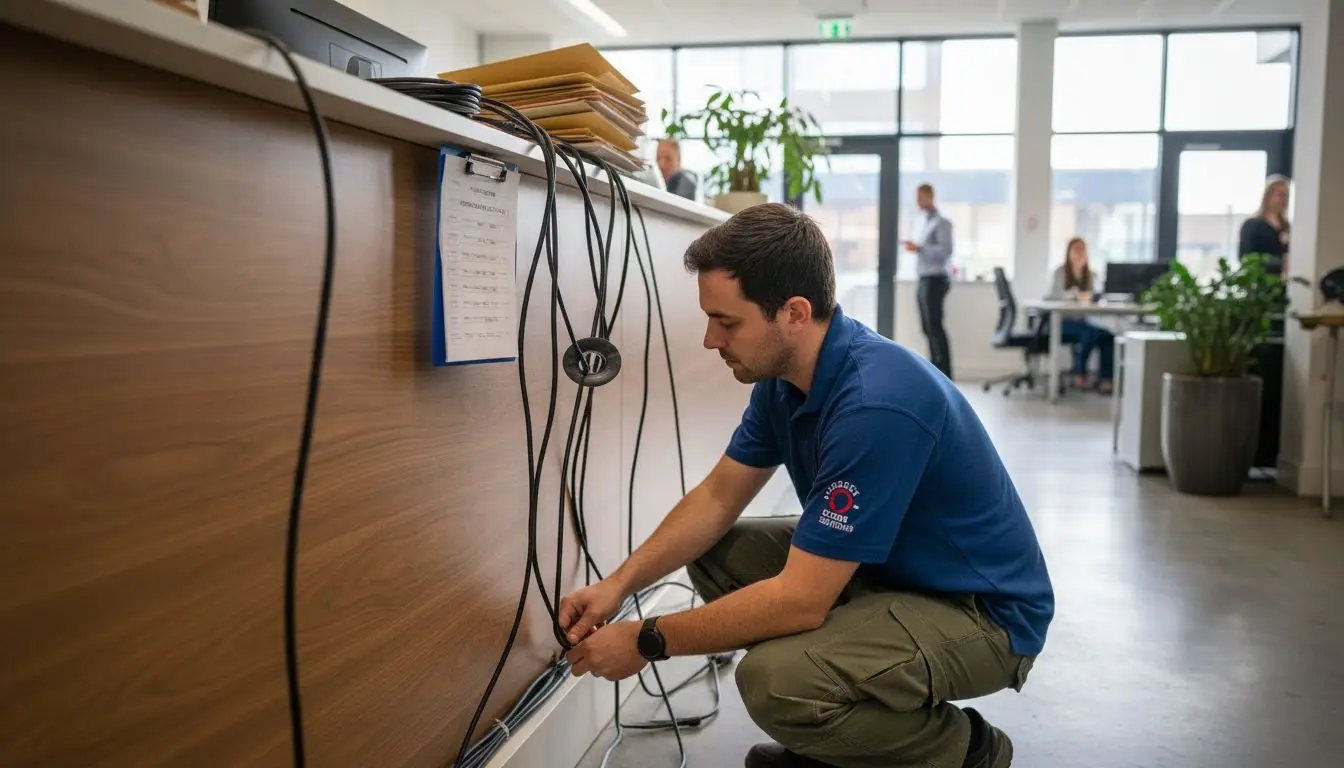
Practical cable management involves several key techniques, including using appropriate cable containment systems, maintaining minimum bend radius for different cable types, and implementing proper cable routing strategies that minimise exposure and potential damage. Cable ties, cable trays, and conduit systems play crucial roles in creating a robust, organised installation.
Pro tip: Always plan your cable routes before installation, considering potential future access requirements and potential environmental challenges.
Common Cable Types and Routing Methods
Navigating the complex world of cable infrastructure for burglar alarm systems requires understanding the nuanced characteristics of different cable types and their optimal routing strategies. The NSI Code of Practice provides comprehensive guidance on selecting and installing appropriate cable solutions for security networks.
Primary cable types utilised in modern burglar alarm systems include:
Here is a quick comparison of commonly used cable types in burglar alarm systems:
| Cable Type | Typical Use Case | Interference Resistance | Maximum Transmission Distance |
|---|---|---|---|
| Cat 5e Twisted Pair | Basic data transmission | Moderate | Up to 100 metres |
| Cat 6 | High-speed data, PoE | High | Up to 55 metres (10Gbps) |
| RG59 Coaxial | Analogue video signals | Low | Up to 220 metres |
| Fibre Optic (Single-mode) | Long-distance, high speed | Very high | 10 km or more |
- Twisted Pair Cables
- Cat 5e: Cost-effective, supports basic data transmission
- Cat 6: Higher bandwidth, reduced interference
- Cat 6A: Enhanced shielding, suitable for high-performance networks
- Coaxial Cables
- RG59: Traditional analog video transmission
- RG6: Improved signal quality, better for digital systems
- Fibre Optic Cables
- Single-mode: Long-distance, high-speed data transmission
- Multi-mode: Short to medium-range network connections
Routing methods play a crucial role in maintaining signal integrity and system performance. Professional installers must consider multiple factors when planning cable infrastructure, including potential electromagnetic interference, physical protection, and future maintenance requirements.
Key routing strategies involve using dedicated cable containment systems, maintaining appropriate separation from power cables, and adhering to minimum bend radii specifications. Network cabling guidelines emphasise the importance of systematic cable management to prevent signal degradation and potential system vulnerabilities.
Pro tip: Always use cable ties with integrated mounting points and choose containment systems that allow for future expansion of your security network.
British Wiring Standards and Compliance Rules
Navigating the intricate landscape of security system installations requires a comprehensive understanding of British wiring standards and regulatory compliance. Electrical safety regulations play a critical role in ensuring the integrity and safety of burglar alarm systems across residential and commercial properties.
Key compliance requirements for burglar alarm wiring include:
- Electrical Safety Standards
- Adherence to BS 7671 Wiring Regulations
- Comprehensive risk assessment documentation
- Mandatory electrical safety certification
- Installation Specifications
- Proper cable selection and routing
- Minimum distance from electrical power lines
- Protection against electromagnetic interference
- Documentation Requirements
- Detailed installation records
- System performance testing reports
- Compliance verification certificates
The NSI Code of Practice provides extensive guidance on meeting these stringent requirements. Professional installers must demonstrate meticulous attention to detail, ensuring that every aspect of the security system installation complies with British Standards for CCTV design.
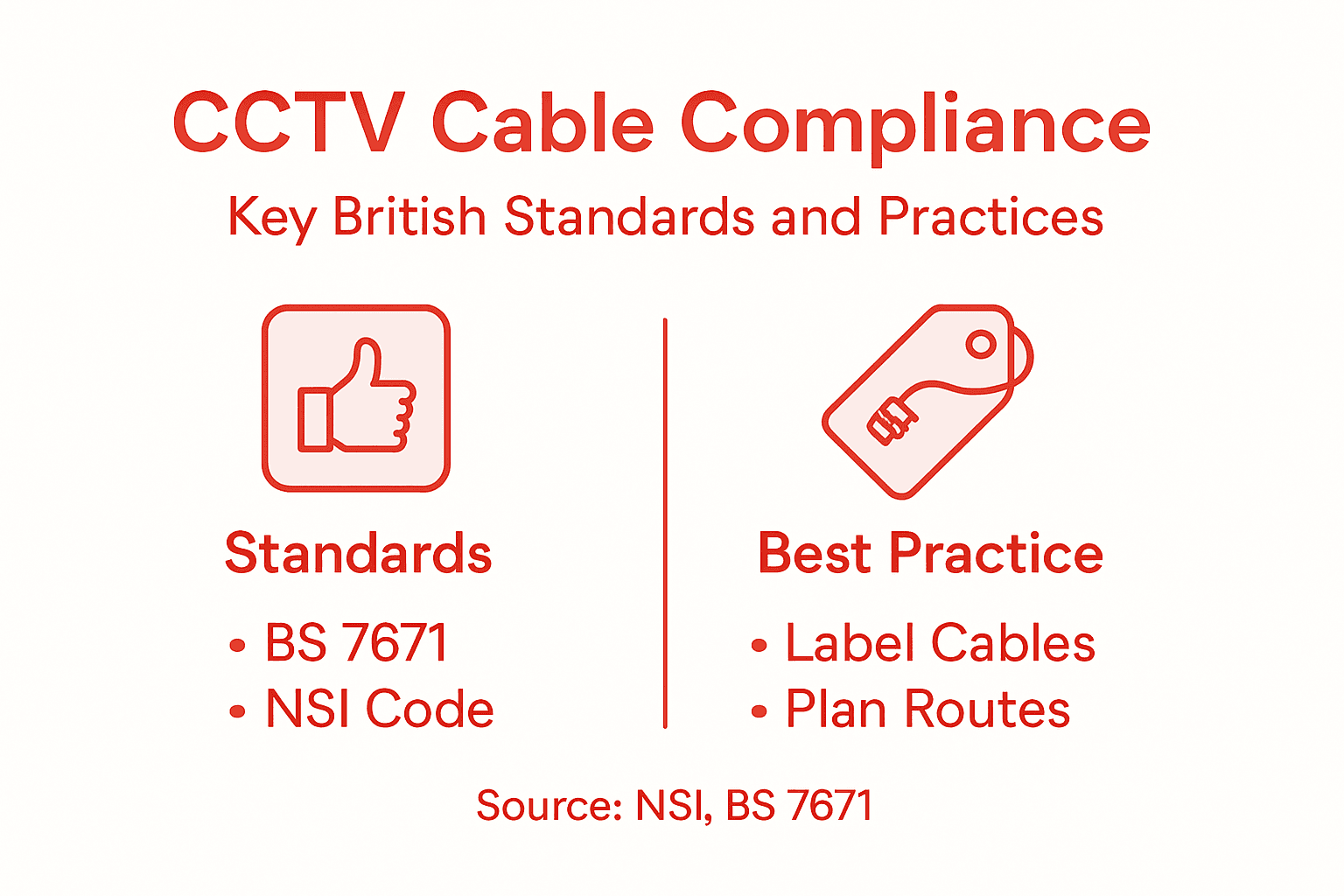
Beyond technical specifications, compliance involves a holistic approach to security system design. This includes considering environmental factors, potential interference sources, and the specific security needs of each unique installation environment. Proper documentation, systematic testing, and adherence to national standards are paramount in creating a reliable and legally compliant security infrastructure.
Pro tip: Always retain comprehensive installation documentation and ensure annual recertification of your security system to maintain compliance with current British standards.
Practical Solutions for Discreet Installations
Discreet security system installations require a delicate balance between effective monitoring and respecting individual privacy concerns. CCTV installation guidance emphasises the critical importance of strategic camera placement and minimal visual intrusion.
Key strategies for achieving discreet installations include:
- Camera Positioning Techniques
- Utilise natural architectural features for concealment
- Avoid direct line of sight to private areas
- Mount cameras at subtle, less noticeable angles
- Cable Management Solutions
- Integrate cables within wall cavities
- Use paintable conduit systems
- Select slim, colour-matched cable management accessories
- Privacy Considerations
- Install clear signage explaining monitoring purpose
- Use privacy filters to limit unnecessary surveillance
- Configure camera views to exclude unintended areas
Professional installers understand that discretion goes beyond physical concealment. NSI Code of Practice recommendations highlight the importance of minimising visual impact while maintaining optimal security functionality.
Advanced camouflage techniques involve selecting equipment that blends seamlessly with existing architectural elements. This might include choosing cameras with neutral colour palettes, designing custom mounting solutions, or integrating security devices within existing light fixtures or architectural features.
Pro tip: Conduct a thorough site survey to identify natural concealment opportunities and potential camera locations that provide maximum coverage with minimum visual disruption.
Common Pitfalls and Maintenance Challenges
Security system reliability hinges on understanding and proactively addressing potential maintenance challenges. NSI maintenance guidelines highlight critical vulnerabilities that can compromise burglar alarm system performance.
Common maintenance challenges include:
- Cable Infrastructure Issues
- Signal degradation over time
- Physical cable damage from environmental exposure
- Incorrect initial cable routing
- Equipment Vulnerability Factors
- Electronic component wear
- Moisture and temperature impact
- Electromagnetic interference
- System Performance Degradation
- Reduced sensor sensitivity
- Battery performance decline
- Connectivity interruptions
Professional security installers recognise that preventative maintenance is not merely a recommendation, but a critical necessity. Environmental factors such as temperature fluctuations, humidity, and physical stress can significantly impact the longevity and reliability of security system components.
Routine inspection involves comprehensive diagnostic processes, including visual cable assessments, signal strength testing, and systematic component evaluation. These proactive strategies help identify potential failures before they compromise overall system effectiveness, ensuring continuous protection for residential and commercial properties.
The table below outlines typical maintenance pitfalls and corresponding proactive solutions:
| Maintenance Challenge | Underlying Risk | Proactive Solution |
|---|---|---|
| Signal degradation | Loss of image quality | Scheduled cable performance testing |
| Cable physical damage | System outages or faults | Install in conduit, routine checks |
| Equipment wear | Device failure | Replace components before end-of-life |
| Environmental exposure | Corrosion or short circuits | Use weather-rated materials |
Pro tip: Implement a quarterly professional inspection regime to systematically identify and address potential maintenance issues before they escalate into significant system failures.
Enhance Your Security with Expert Cable Management Solutions
Proper cable management is essential for maintaining the reliability and compliance of your CCTV and burglar alarm systems. If you have experienced issues like signal degradation, physical cable damage, or worry about meeting British wiring standards the challenges explained in this article are exactly why professional installation matters. At 247 CCTV we specialise in installing CCTV, burglar alarms and access systems that prioritise meticulous cable routing, robust containment methods and full regulatory compliance.

Choose 247 CCTV to benefit from expert design and installation that protects your property while maintaining a discreet and dependable security setup. Don’t risk vulnerabilities caused by poor cabling or non-compliance act now and secure peace of mind with our trusted security solutions. Visit 247 CCTV to learn more about our services and see why so many customers rely on us for their safety needs. Discover how our professional team can tailor cable management and security system installation to your exact requirements today.
Frequently Asked Questions
What are the key benefits of proper cable management for CCTV systems?
Proper cable management enhances signal integrity, prevents electromagnetic interference, protects cable infrastructure, facilitates future maintenance, and ensures compliance with safety standards.
How can I ensure compliance with British wiring standards when installing CCTV systems?
To ensure compliance, adhere to BS 7671 Wiring Regulations, conduct thorough risk assessments, select appropriate cables and routing, and maintain detailed installation documentation.
What common cable types are used in burglar alarm systems?
Common cable types include Cat 5e for basic data transmission, Cat 6 and Cat 6A for high-speed data and Power over Ethernet, RG59 coaxial for analogue signals, and fibre optic cables for long-distance, high-speed connections.
What maintenance challenges should I be aware of for my CCTV installation?
Maintenance challenges include signal degradation, physical cable damage, equipment wear, and performance degradation due to environmental exposure. Regular inspection and proactive solutions are essential to address these issues.
Recommended
- How to Wire CCTV System for Secure UK Properties – 247 CCTV Security Ltd
- CCTV Network Security – Protecting Business and Home – 247 CCTV Security Ltd
- Data Security in CCTV – What UK Facilities Managers Must Know – 247 CCTV Security Ltd
- 7 Key Reasons to Install CCTV for Property Managers – 247 CCTV Security Ltd
- CCTV Forensics: Uncovering Truth in Digital Investigations