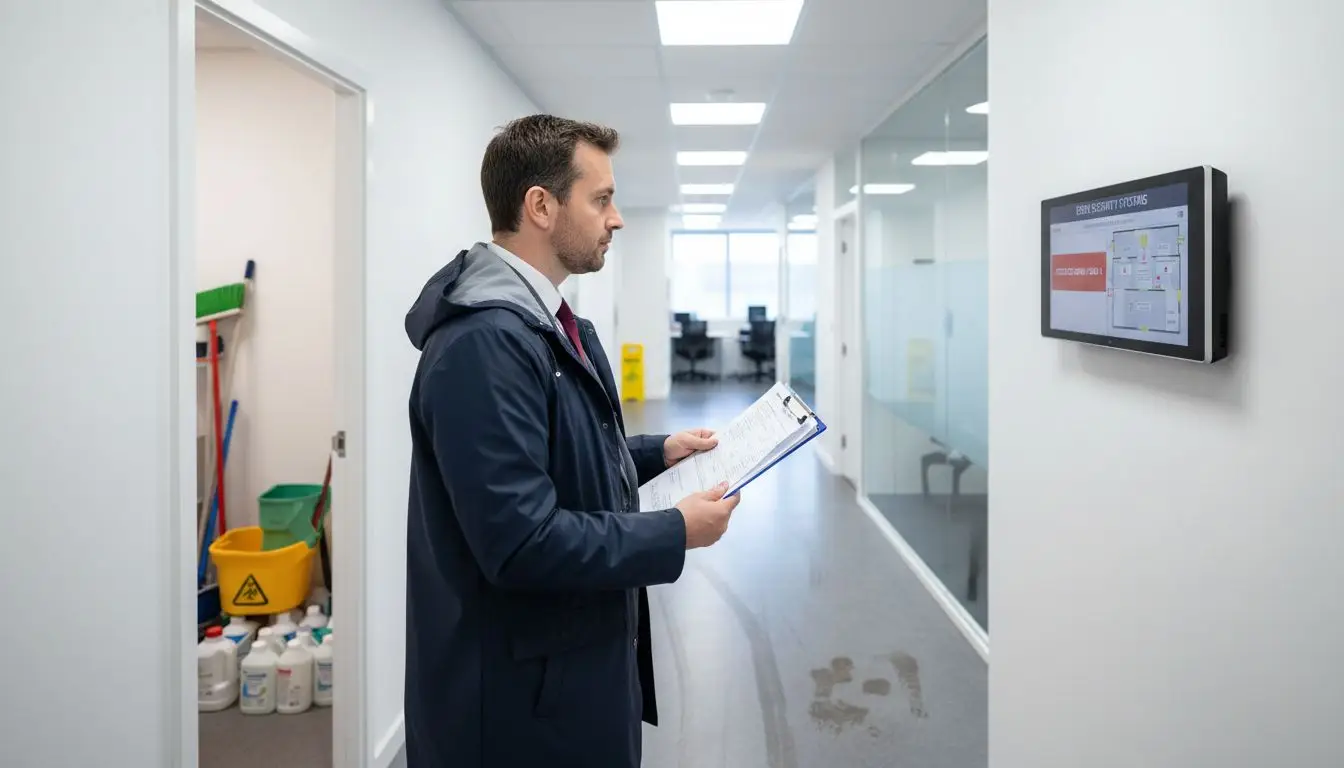
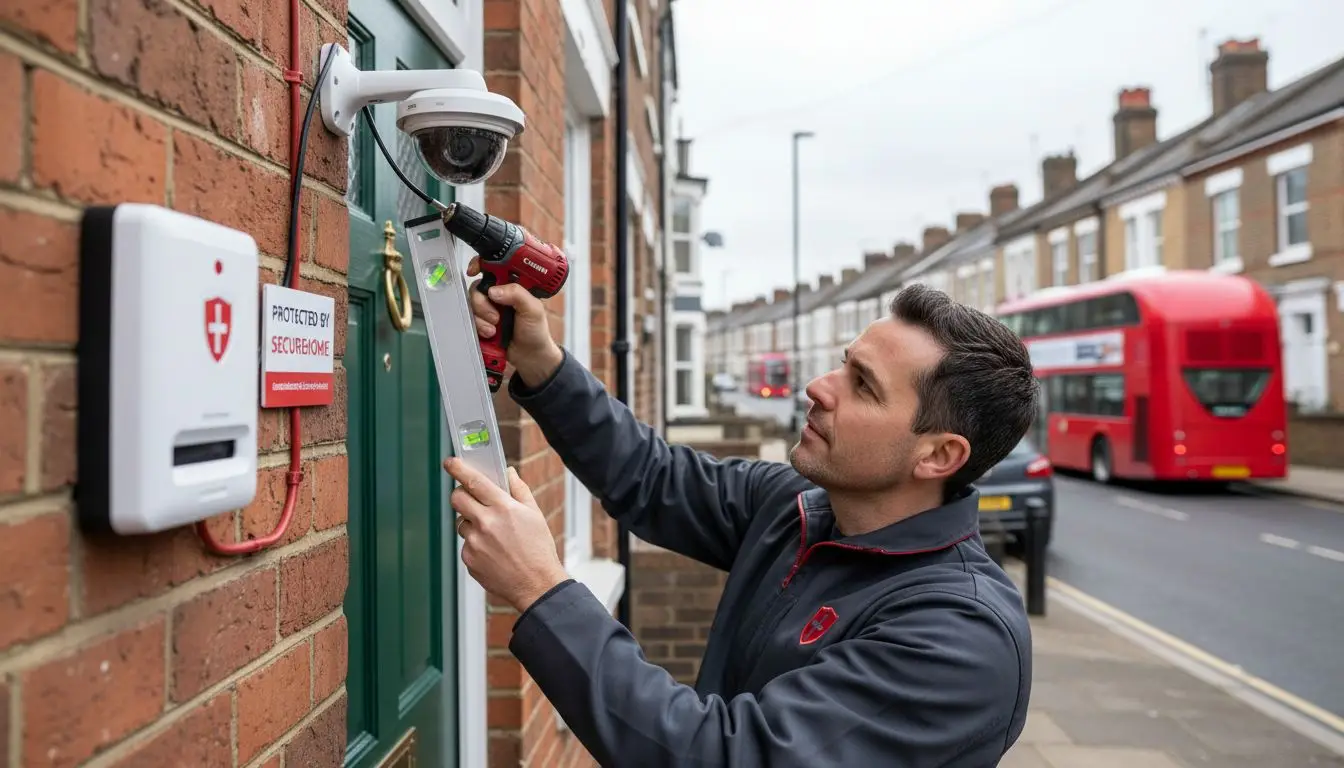
Over half of british homeowners now rely on some form of CCTV or burglar alarm for peace of mind. Protecting your home goes far beyond simply installing equipment and hoping for the best. Careful planning at every step, from camera placement to thorough testing, turns basic security into a real deterrent. This guide walks through the key stages that will help you create a safer environment for your british property, using proven tips and the latest official advice.
Quick Summary
| Key Point | Explanation |
|---|---|
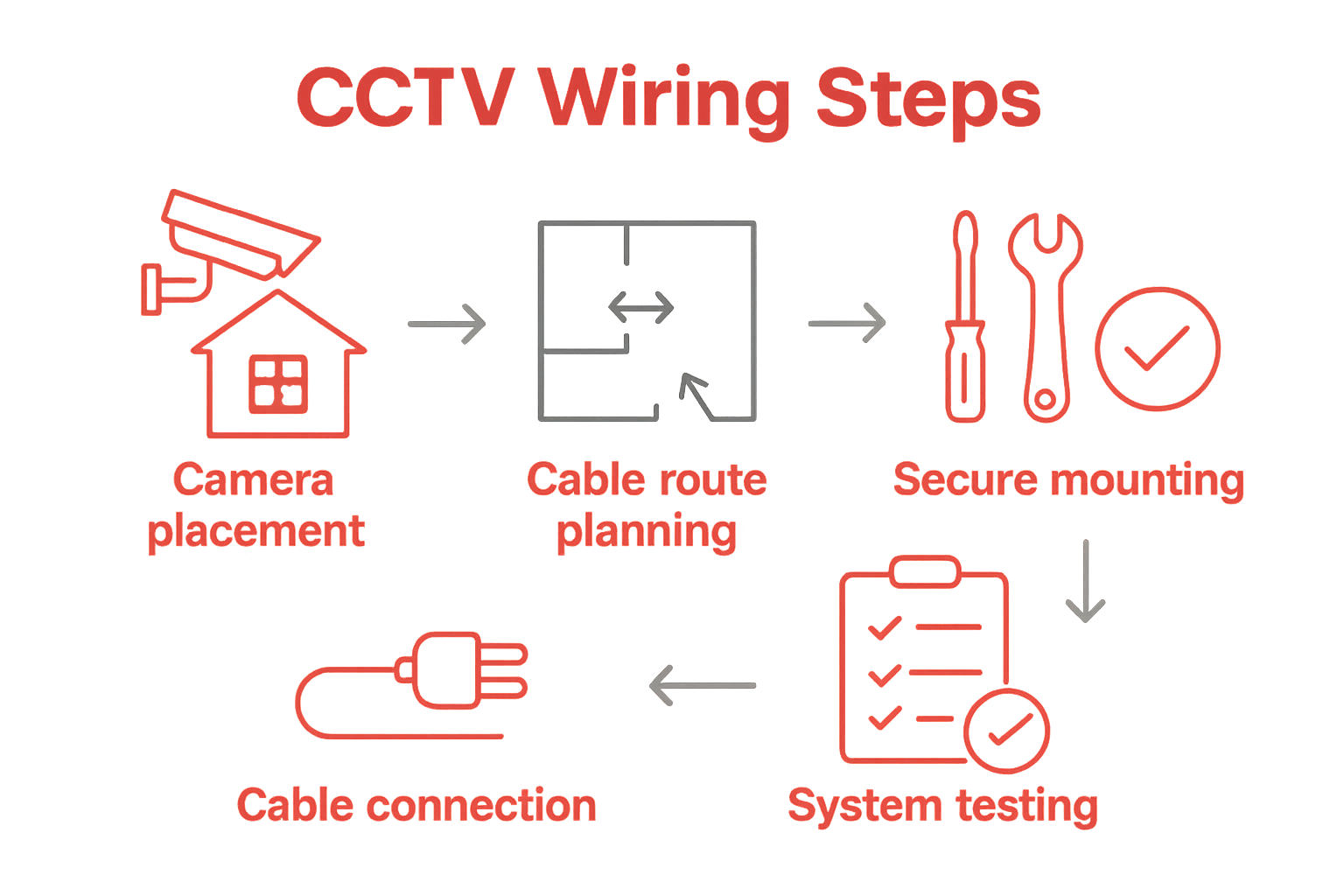
| 1. Optimise Camera Placement | Identify strategic camera locations at entry points and high-traffic areas to enhance monitoring while respecting privacy. |
| 2. Plan Cable Routes Carefully | Map concealed cable pathways to prevent damage and ensure compliance with legal standards, maintaining 24/7 operation. |
| 3. Securely Mount Hardware | Use stable surfaces and appropriate mounting tools to ensure reliability and protect against tampering. |
| 4. Properly Connect CCTV Cables | Use high-quality cables and maintain clear separation between power and data lines for optimal performance. |
| 5. Regularly Test System Operation | Implement structured testing to verify system functionality and promptly address any issues to ensure consistent security. |
Etape 1: Assess Camera Locations and Coverage
Carefully planning your burglar alarm and camera locations is fundamental to creating an effective security system for your property. According to ICO, strategic camera placement must balance comprehensive monitoring with respecting individual privacy expectations.
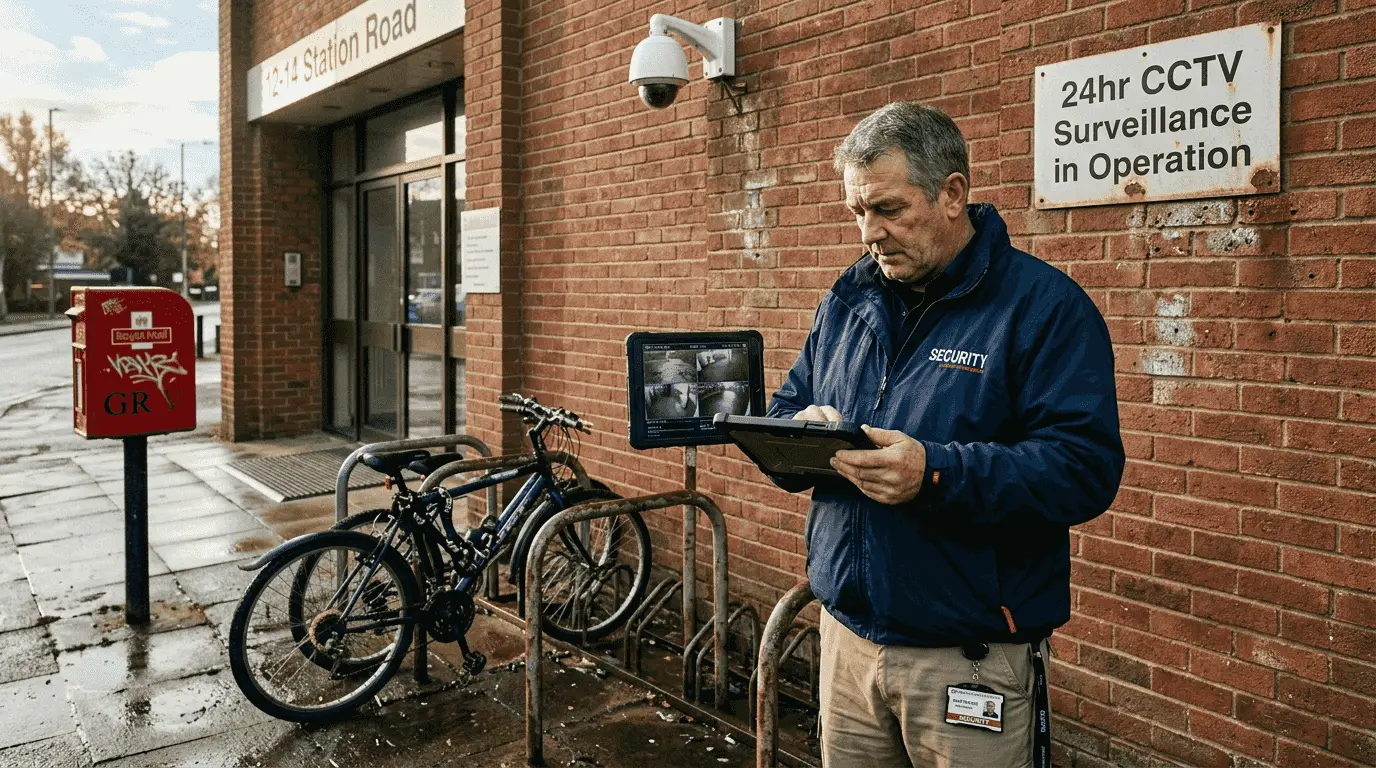
When assessing potential camera locations, focus on key entry points and high-traffic zones. Prioritise areas like front and rear entrances, side passages, driveways, and vulnerable windows. UK Government guidance emphasises positioning cameras to detect potential threats while minimising unnecessary personal data collection. Consider camera angles that provide clear visual coverage without unnecessarily invading private spaces.
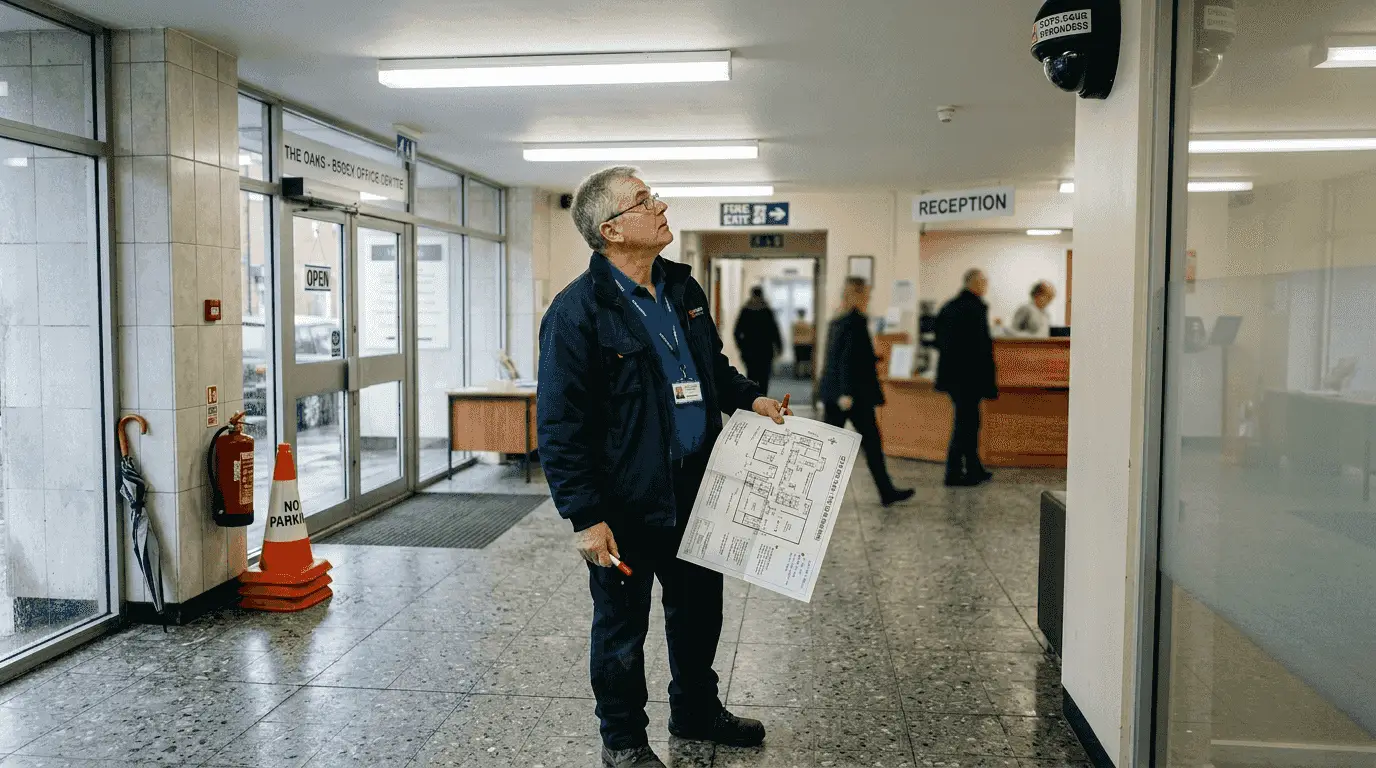
A critical tip is performing a physical walkthrough of your property to identify exact mounting points. Look for sturdy surfaces with unobstructed views that allow cameras to capture full scenes without blind spots. Aim to create overlapping camera fields that provide comprehensive surveillance without redundant coverage. Remember that well-planned camera positioning not only enhances security but also demonstrates a thoughtful approach to monitoring that respects legal and ethical standards.
Etape 2: Plan Cable Routes and Power Sources
Planning the infrastructure for your burglar alarm system is a critical step that ensures reliable and continuous security monitoring. University of Huddersfield highlights the importance of designing a system that remains operational 24 hours a day, which requires meticulous cable routing and power management.
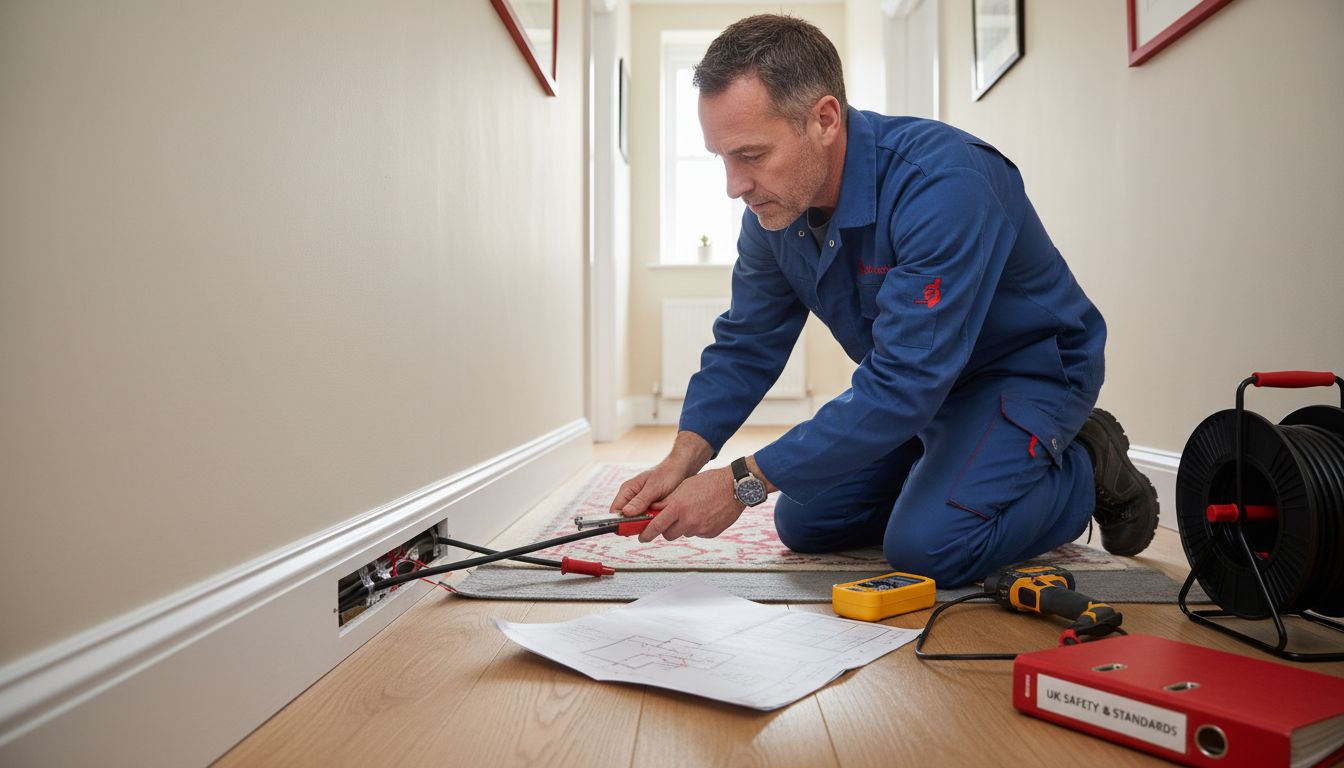
Start by mapping out a comprehensive route for your cables that minimises exposure and potential damage. Prioritise concealed pathways along internal walls, through ceiling cavities, and behind skirting boards to protect cables from potential tampering or environmental wear. Loughborough University recommends ensuring that your cable routes comply with operational and legal standards, which means avoiding areas with high moisture, extreme temperatures, or potential mechanical stress.
A critical consideration is your power supply. Select a dedicated power circuit with surge protection to prevent system interruptions and potential damage from electrical fluctuations. Consider using uninterruptible power supplies (UPS) for critical alarm components to maintain functionality during potential power outages. By carefully planning your cable routes and power sources, you create a robust security infrastructure that provides consistent and reliable protection for your property.
Etape 3: Install Mounting Hardware Securely
Securing your burglar alarm hardware is a precision task that demands careful attention to detail and structural integrity. UK Government guidance emphasises the critical importance of robust mounting to prevent potential tampering and ensure system reliability.
Begin by selecting appropriate mounting surfaces that offer maximum stability. Brick walls, concrete surfaces, and solid wooden structures provide the most reliable foundations for your alarm system components. Use professional grade mounting brackets designed specifically for your alarm system model, ensuring they can withstand environmental pressures and potential physical interference. Loughborough University recommends using heavy duty wall anchors that match the surface material and weight requirements of your equipment.
Precision is paramount when drilling mounting points. Utilise a spirit level to guarantee perfectly aligned hardware and measure multiple times before creating any permanent holes. Opt for corrosion resistant screws and consider using weatherproof sealant around external mounting points to protect against moisture infiltration. By meticulously installing your mounting hardware, you create a foundational security infrastructure that will support reliable and effective monitoring of your property.
Etape 4: Run and Connect CCTV Cables Properly
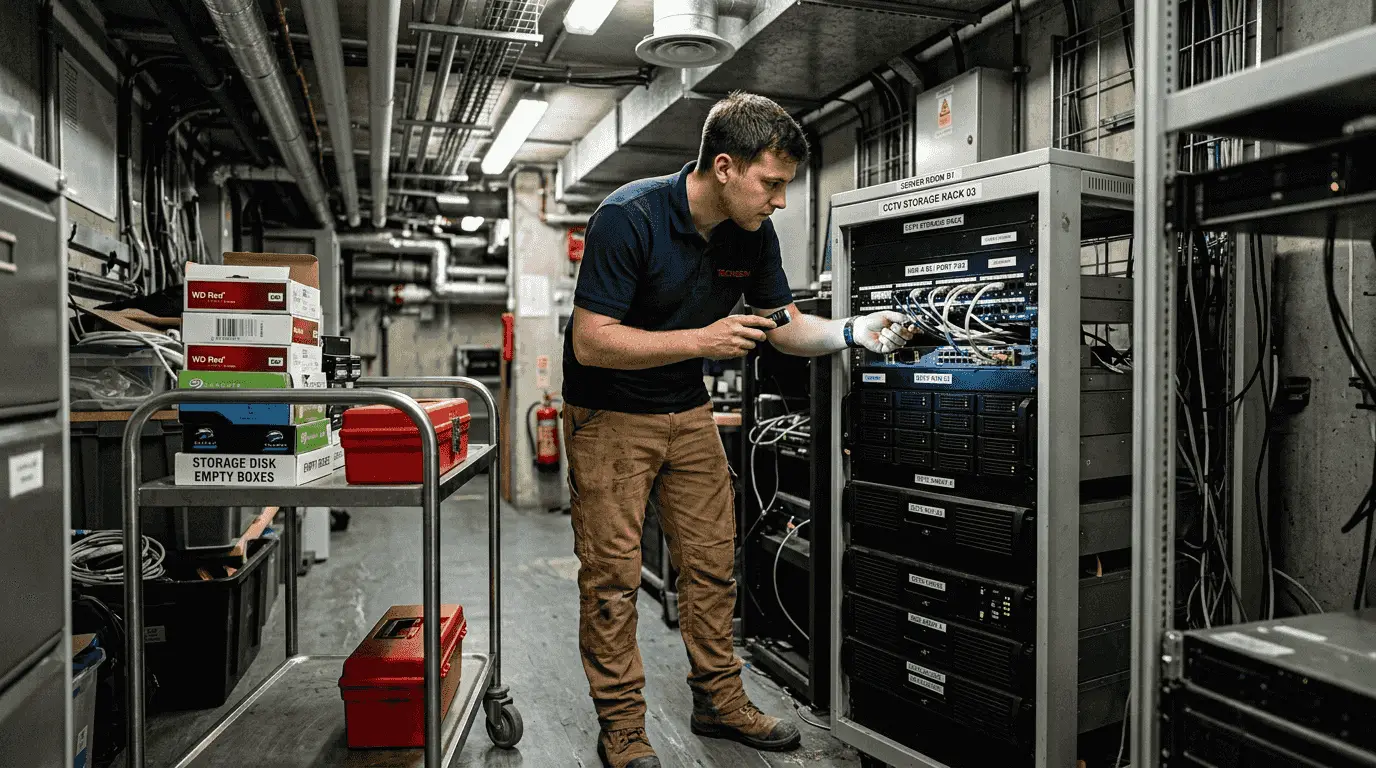
Running and connecting CCTV cables requires precision and careful planning to ensure a reliable and robust security system. University of Huddersfield emphasises the critical importance of meticulous cable management to maintain continuous 24/7 surveillance operations.
Begin by selecting high quality, shielded cables specifically designed for security installations. Route cables through concealed pathways like ceiling voids, behind skirting boards, and through internal wall cavities to protect them from potential damage or tampering. Loughborough University recommends maintaining consistent cable lengths and using proper connectors to minimise signal degradation and ensure system compliance with operational standards.
A critical consideration is cable separation. Keep power cables and data cables physically separated to prevent electromagnetic interference that could compromise your system’s performance. Use cable ties and professional mounting clips to secure cables neatly and prevent potential strain or accidental disconnection. By meticulously running and connecting your cables, you create a foundation for a dependable security infrastructure that will provide reliable monitoring for your property.
Etape 5: Test and Verify CCTV System Operation
Testing and verifying your burglar alarm system is a critical final step that ensures your security infrastructure functions precisely as intended. UK Government guidance recommends implementing comprehensive daily checks and promptly reporting any system anomalies to maintain effective surveillance.
Begin your verification process by systematically testing each component of the system. Activate motion sensors, check camera angles, verify recording functionality, and test communication links between different alarm components. Loughborough University emphasises training all authorised personnel in proper system operation to ensure consistent and reliable monitoring.
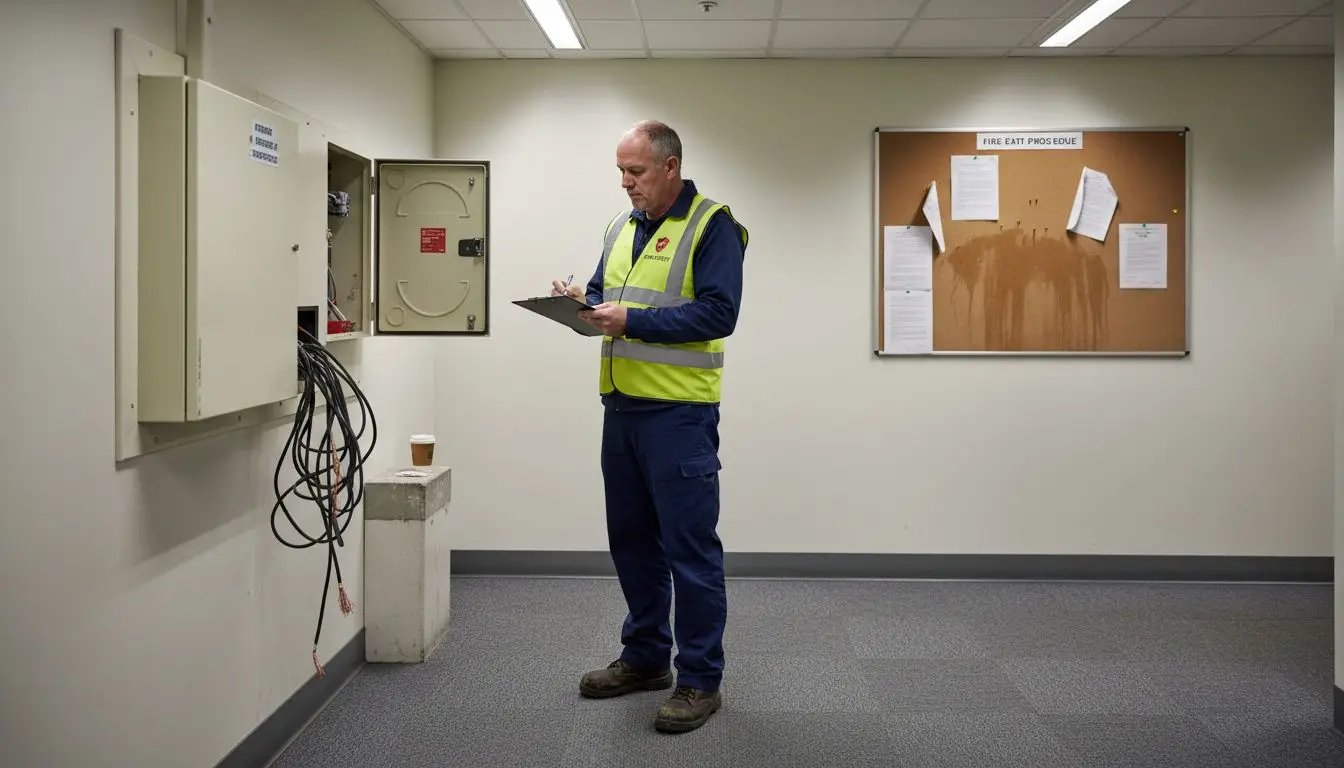
A crucial tip is to create a structured testing checklist that covers every aspect of your security system. This should include visual inspections of hardware, software diagnostics, battery backup tests, and communication pathway verifications. Record all test results and immediately address any detected issues.
 By conducting thorough and regular system tests, you transform your security installation from a passive device into an active guardian of your property.
Secure Your Property with Expert CCTV Wiring and Installation
Wiring a CCTV system correctly is essential to achieve reliable security and peace of mind for your home or business. This guide highlights key challenges such as choosing the right camera locations, planning cable routes, and ensuring robust power supplies to prevent system failures and blind spots. If you want to avoid the stress of improper setup and system downtime, professional help can make all the difference.

Take control of your property safety today by trusting experts who understand crucial details like cable management and secure hardware mounting. Visit our security installation services to explore how we can deliver tailored solutions that meet UK legal standards and give you continuous 24/7 protection. Don’t wait until a security breach happens. Contact us now via our main website and secure your premises with confidence.
Frequently Asked Questions
How do I assess camera locations when wiring my CCTV system?
Start by identifying key entry points and high-traffic areas around your property, such as front and rear entrances, driveways, and vulnerable windows. Conduct a physical walkthrough to pinpoint the best mounting spots where cameras can capture clear views without invading privacy.
What are the best practices for planning cable routes for a CCTV system?
Plan your cable routes to minimise exposure to potential damage by using concealed pathways along internal walls and through ceiling cavities. Ensure that the cables are protected from moisture and mechanical stress, which will help maintain a reliable connection for your security system.
How can I securely install mounting hardware for CCTV cameras?
Choose stable surfaces like brick, concrete, or solid wood to install your mounting hardware. Use appropriate mounting brackets and corrosion-resistant screws, ensuring the hardware is level and secured with heavy-duty anchors that can withstand environmental pressures.
What should I consider when running and connecting CCTV cables?
Ensure that you use high-quality, shielded cables designed for security installations and maintain physical separation between power and data cables to avoid interference. Secure cables neatly with ties and clips to prevent strain or accidental disconnection, creating a more reliable system.
How can I effectively test my CCTV system after installation?
Conduct systematic tests on each component, including activating motion sensors, checking camera angles, and verifying recording functionality. Create a structured testing checklist and promptly address any detected issues to ensure your security system operates correctly and consistently.
Recommended
- Essential Guide to CCTV Installation in the UK – 247 CCTV Security Ltd
- How CCTV Works: Complete Guide for UK Properties – 247 CCTV Security Ltd
- Wireless CCTV Explained: Complete Guide for UK Security – 247 CCTV Security Ltd
- Wireless CCTV Explained: Complete Guide for UK Security – 247 CCTV Security Ltd