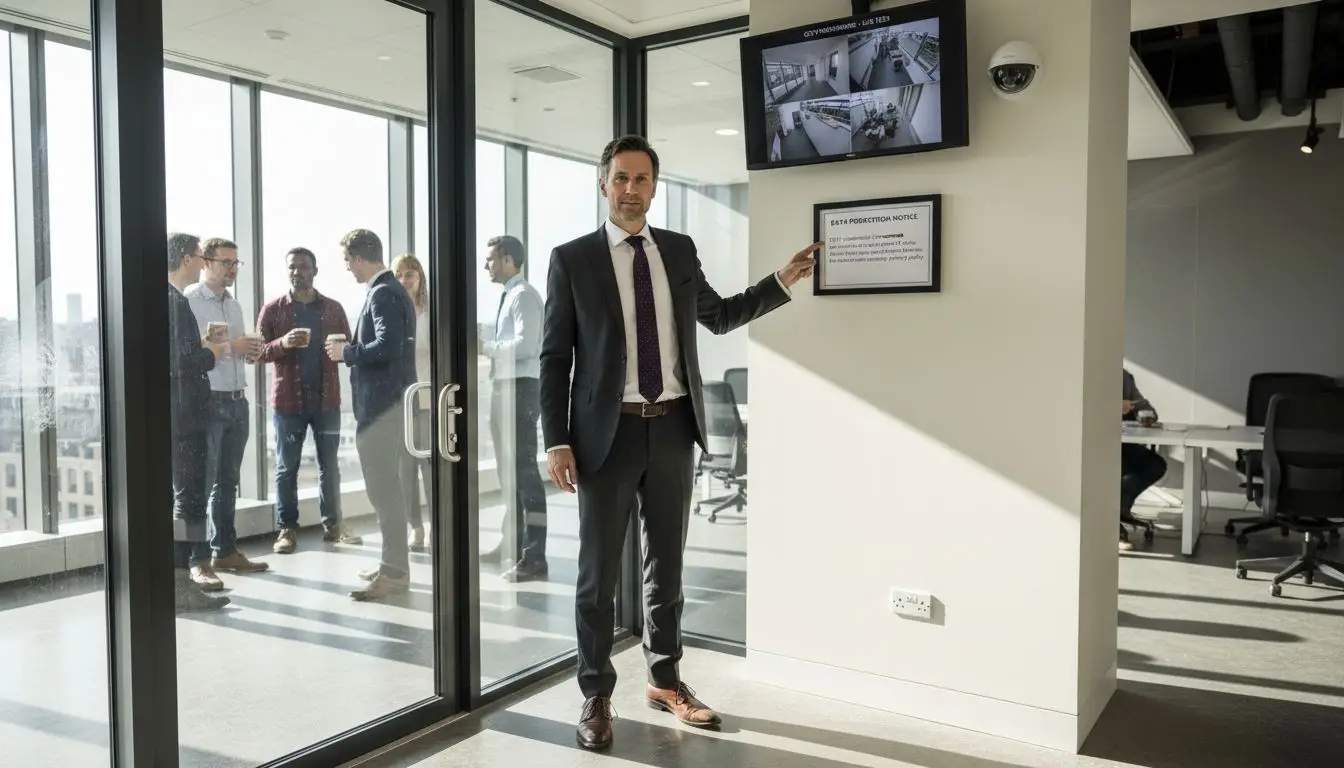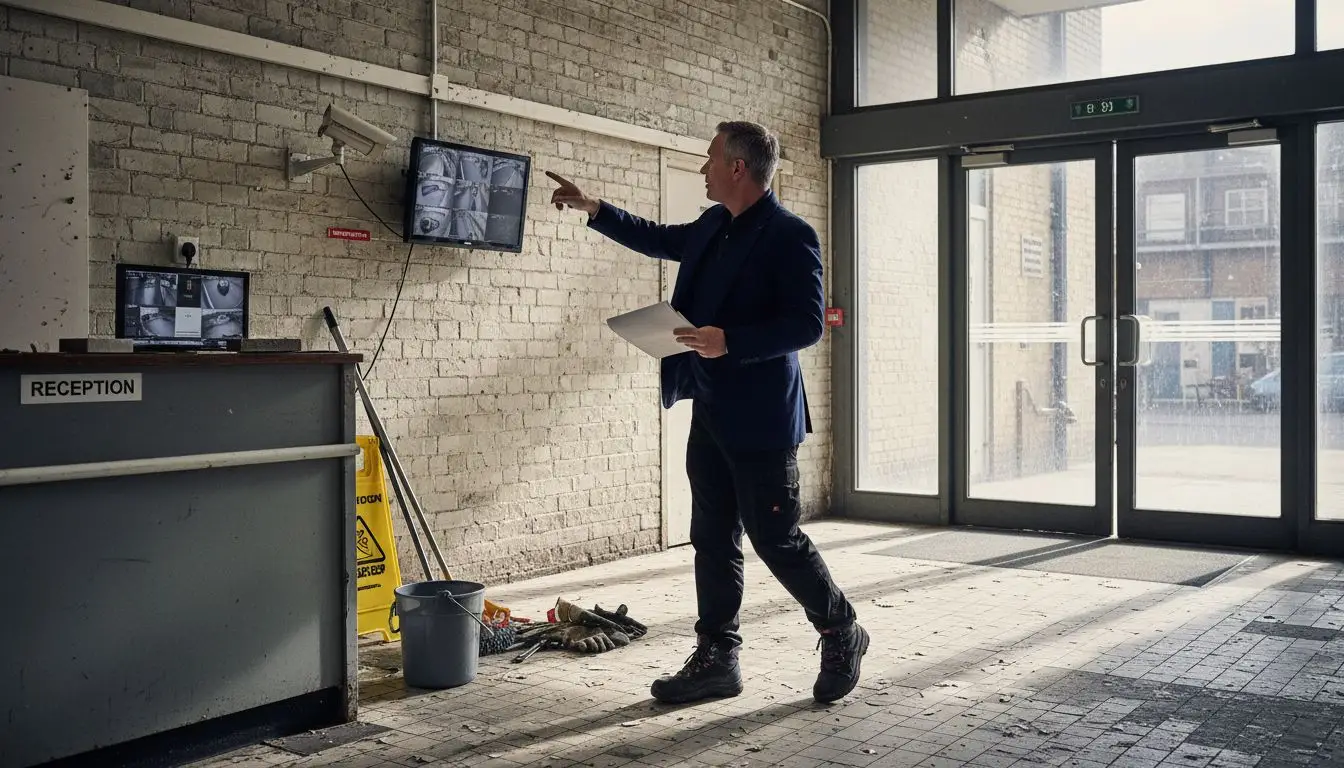

Criminal activity remains a persistent concern for property managers across Essex and London, making effective surveillance more vital than ever. With CCTV reducing crime by about 13% in british residential and commercial settings, strategic camera placement can transform your property’s security posture. Choosing the right surveillance solutions not only deters unauthorised access but helps you protect tenants, meet insurance demands, gather crucial evidence, and even raise property value while staying compliant with evolving safety regulations.
Quick Summary
| Key Message | Explanation |
|---|---|
| 1. Implement CCTV to Deter Crime | CCTV systems significantly lower crime rates by creating a security presence that discourages criminal behaviour. |
| 2. Prioritise Resident and Staff Safety | Surveillance technology enhances safety measures while maintaining resident privacy through transparent policies and ethical practices. |
| 3. Ensure Legal and Insurance Compliance | Adhere to data protection laws for CCTV to secure insurance validity and protect against legal repercussions. |
| 4. Maintain Evidence Integrity After Incidents | CCTV footage provides crucial evidence for investigations and insurance claims, necessitating robust management protocols. |
| 5. Communicate Security Benefits to Tenants | Highlighting CCTV advantages enhances property appeal and attracts prospective tenants seeking secure living environments. |
1. Deter Crime and Unauthorised Access
Criminal activity poses a significant threat to property managers, making proactive security measures essential. CCTV systems serve as a powerful deterrent, creating an immediate psychological barrier against potential criminal behaviour.
Research indicates that CCTV can reduce crime by approximately 13% across various settings, making it a critical tool for property protection. By implementing strategic camera placement, property managers can effectively discourage trespassing, vandalism, and theft. The mere presence of visible surveillance cameras signals to potential intruders that the property is monitored and secured.
The strategic implementation of CCTV involves more than just installing cameras. Criminals are less likely to target properties with comprehensive surveillance systems that demonstrate advanced security measures. Cameras positioned at key entry points, parking areas, and vulnerable zones create a comprehensive security network that significantly reduces the likelihood of unauthorised access.
Modern CCTV technology goes beyond simple recording. Advanced systems with motion detection, night vision, and real time alerts provide property managers with immediate insights into potential security breaches. This continuous monitoring creates a robust defence mechanism that not only deters crime but also enables rapid response to any suspicious activities.
Pro tip: Position cameras at natural surveillance points like main entrances, parking areas, and corridors to maximise their deterrent effect and coverage.
2. Enhance Resident and Staff Safety
Property managers play a critical role in maintaining safety for residents and staff members through strategic surveillance technologies. CCTV systems provide an essential layer of protection that goes beyond traditional security measures.
The implementation of surveillance technology requires careful consideration of both safety benefits and ethical implications. Care Quality Commission guidelines emphasise the importance of balancing resident privacy with comprehensive security monitoring. By establishing transparent policies and obtaining appropriate consent, property managers can create environments that feel both secure and respectful.
CCTV systems offer multiple safety advantages. They provide continuous monitoring that can prevent potential incidents of harm, abuse, or misconduct. In residential settings such as care homes, these systems act as an additional safeguard for vulnerable individuals, ensuring staff accountability and resident protection.
Moreover, modern CCTV technologies provide advanced features like motion detection, real time alerts, and high resolution imaging. These capabilities enable property managers to respond quickly to potential safety concerns, creating a proactive rather than reactive security approach.
Pro tip: Develop clear communication protocols around CCTV usage, ensuring all residents and staff understand the purpose and scope of surveillance systems.
3. Meet Insurance and Legal Requirements
Property managers face complex legal landscapes when implementing security technologies. Navigating the intricate requirements of data protection and surveillance laws is crucial for maintaining both legal compliance and insurance validity.
Understanding legal compliance for CCTV systems is essential for property management professionals. The United Kingdom maintains stringent regulations surrounding video surveillance, requiring organisations to adhere to specific data protection standards outlined in the UK GDPR and Data Protection Act 2018.
Key legal requirements include transparent processing of personal data, secure footage storage, clear surveillance signage, and respecting individual privacy rights. Insurance providers increasingly scrutinise these compliance measures, often making proper CCTV implementation a prerequisite for comprehensive coverage.
Property managers must conduct thorough Data Protection Impact Assessments, establish clear data handling protocols, and ensure that surveillance systems are proportionate to their intended security objectives. This approach not only protects legal interests but also demonstrates responsible management practices.
Furthermore, maintaining detailed documentation of CCTV system usage, implementing robust data retention policies, and providing mechanisms for individuals to access or request deletion of their recorded footage are critical components of legal compliance.
Pro tip: Consult with a legal professional specialising in data protection to develop a comprehensive CCTV compliance strategy tailored to your specific property management needs.
4. Provide Vital Evidence After Incidents
In the aftermath of property incidents, CCTV systems emerge as critical tools for capturing and preserving crucial evidence. Property managers rely on these surveillance technologies to document events accurately and support potential legal or insurance proceedings.
Forensic investigation strategies highlight the importance of high quality video recordings in reconstructing incidents with precision. CCTV footage serves multiple essential functions beyond simple recording, acting as an impartial witness that can corroborate accounts and provide objective documentation.
The evidential value of CCTV extends far beyond immediate incident resolution. Detailed recordings can help identify individuals involved, establish precise timelines, and provide critical context for insurance claims or potential legal actions. Modern surveillance systems offer advanced features like high resolution imagery, night vision capabilities, and digital storage that enhance evidential reliability.
Property managers must implement robust protocols for footage management. This includes establishing clear procedures for secure video storage, maintaining uncompromised chain of evidence, and ensuring that recordings remain tamper proof and admissible in potential legal proceedings.
Pro tip: Regularly test and verify your CCTV system’s recording quality, storage capacity, and retrieval mechanisms to ensure reliable evidence collection when incidents occur.
5. Monitor Day-to-Day Operations Remotely
Remote monitoring has transformed how property managers oversee their facilities, offering unprecedented flexibility and real time insights into daily operations. Modern CCTV technologies enable property managers to maintain vigilant oversight from virtually anywhere in the world.
Understanding workplace surveillance legal requirements is crucial when implementing remote monitoring strategies. These systems provide comprehensive visibility while respecting legal boundaries around employee privacy and data protection.
Remote monitoring capabilities extend far beyond simple video observation. Advanced CCTV systems offer intelligent features such as motion detection, real time alerts, and comprehensive activity logs that can be accessed through secure mobile applications or web interfaces. Property managers can track staff movements, verify operational procedures, and quickly identify any unusual activities without being physically present.
The technological infrastructure supporting remote monitoring includes cloud based storage, encrypted communication channels, and sophisticated access controls. These features ensure that surveillance data remains secure and accessible only to authorised personnel, maintaining both operational efficiency and privacy standards.
Pro tip: Implement a clear remote monitoring policy that transparently communicates surveillance practices to employees, ensuring legal compliance and maintaining workplace trust.
6. Support Emergency Response Planning
Emergency preparedness demands sophisticated technological tools that provide comprehensive situational awareness and support swift, coordinated responses. CCTV systems have emerged as critical infrastructure for emergency planning and management across various scenarios.
Emergency response coordination requires robust information sharing mechanisms that enable rapid decision making. CCTV technologies offer unprecedented capabilities for multi agency collaboration during critical incidents, providing real time visual intelligence that can significantly enhance emergency management strategies.
Modern surveillance systems integrate advanced features that support emergency planning. These include live streaming capabilities, automated alarm systems, thermal imaging technologies, and comprehensive recording functionalities that can assist emergency services in assessing risks, tracking incident developments, and coordinating rescue operations.
Property managers can leverage CCTV systems to create detailed emergency response protocols. By strategically positioning cameras and integrating them with broader security infrastructure, organisations can develop comprehensive contingency plans that enable quick situational assessment and support effective communication during potential crisis scenarios.
Pro tip: Develop a comprehensive emergency response plan that specifically outlines how your CCTV system will be utilised during different types of emergency scenarios, ensuring all stakeholders understand its role in crisis management.
7. Boost Property Value and Tenant Appeal
Security features have become a critical consideration for modern tenants seeking safe and reliable living environments. CCTV systems represent more than just a security measure they are a strategic investment that can significantly enhance property attractiveness and market value.
Security upgrades for rental properties demonstrate tangible benefits for property managers and property owners. Prospective tenants increasingly prioritise properties with robust security infrastructure, viewing comprehensive surveillance as a sign of professional management and commitment to resident safety.
Modern CCTV technologies offer sophisticated features that extend beyond basic monitoring. High resolution cameras, intelligent motion detection, and remote access capabilities create a compelling narrative of safety and technological sophistication that can differentiate a property in competitive rental markets.
Implementing strategic CCTV solutions involves more than technical installation. Property managers must consider camera placement, privacy considerations, and integration with broader security systems to create a holistic approach that genuinely enhances tenant confidence and property appeal.
Pro tip: Communicate the specific security benefits of your CCTV system to potential tenants during property viewings, highlighting how these technologies contribute to a safer, more secure living environment.
Below is a comprehensive table summarising the key benefits, uses, and considerations of implementing CCTV systems in property management, as discussed in the article.
| Aspect | Details | Key Considerations |
|---|---|---|
| Deter Crime and Unauthorised Access | CCTV systems act as a psychological barrier for potential offenders, with effective positioning reducing crime by around 13%. | Ensure visible camera placement and utilisation of advanced functionalities. |
| Enhance Resident and Staff Safety | Provides continuous monitoring to safeguard individuals and ensures accountability. | Balance privacy concerns with security benefits by adhering to ethical guidelines. |
| Meet Insurance and Legal Requirements | Proper CCTV setup can fulfil compliance and insurance prerequisites. | Conduct thorough assessments, retain data securely, and display clear surveillance signage. |
| Provide Vital Evidence After Incidents | High-quality video recordings document events and support legal and insurance claims. | Maintain tamper-proof footage with proper storage and management protocols. |
| Monitor Day-to-Day Operations Remotely | Offers exceptional visibility of operations remotely, enhancing managerial oversight. | Use secure, encrypted technologies compliant with legal norms. |
| Support Emergency Response Planning | Facilitates effective emergency management with real-time insights and collaboration tools. | Integrate CCTV within comprehensive emergency preparedness plans. |
| Boost Property Value and Tenant Appeal | Demonstrates professional management, increasing desirability and market value of properties. | Highlight to potential tenants how CCTV enhances safety and security. |
Secure Your Property with Expert CCTV Installation Today
Managing property security is a demanding challenge that calls for trusted, advanced solutions. This article highlights vital reasons why installing CCTV is essential—from deterring crime and enhancing resident safety to ensuring legal compliance and providing vital evidence after incidents. Property managers must address these key concerns with a surveillance system that offers real time alerts, comprehensive coverage and strict data protection.

At 247 CCTV, we specialise in installing professional CCTV, burglar alarms and door entry systems tailored to both business and residential needs. Our expert team helps you meet insurance and legal requirements while boosting tenant appeal and supporting emergency planning. Do not leave your property vulnerable. Contact us now to design and install a CCTV solution that safeguards your asset and provides peace of mind. Discover more about how we protect your property at 247 CCTV today.
Frequently Asked Questions
How does installing CCTV deter crime for property managers?
Installing CCTV serves as a powerful deterrent against criminal activity by providing visible surveillance that discourages trespassers. Position cameras at key entry points and vulnerable areas to reduce crime by approximately 13% within a short timeframe.
What are the safety benefits of CCTV for residents and staff?
CCTV enhances safety for both residents and staff by providing continuous monitoring that can prevent incidents of harm or misconduct. Implement clear communication protocols about CCTV use to ensure everyone understands its role in maintaining safety.
How can property managers ensure legal compliance when using CCTV?
Property managers must adhere to strict data protection laws by processing personal data transparently and securely. Conduct a Data Protection Impact Assessment and establish clear data handling protocols to ensure compliance and protect individual privacy rights.
What evidence can CCTV provide after an incident occurs?
CCTV captures high-quality video recordings that serve as impartial evidence in the aftermath of incidents. Ensure you have robust procedures for managing footage, including secure storage and a clear chain of evidence, to support legal or insurance claims.
How can remote monitoring through CCTV benefit property management?
Remote monitoring allows property managers to oversee operations in real time from anywhere, enhancing operational efficiency. Implement a clear policy that communicates surveillance practices to employees to maintain trust and compliance with privacy standards.
In what ways can CCTV installation increase property value?
CCTV systems can significantly enhance property attractiveness, as modern tenants often prioritise safety features when choosing a residence. Highlight the security benefits of your CCTV system during property viewings to demonstrate how it contributes to a safer living environment.
Recommended
- 7 Essential CCTV Features List for Secure Properties – 247 CCTV Security Ltd
- 7 Key Advantages of CCTV for Homes in Essex and London – 247 CCTV Security Ltd
- 7 Top CCTV Benefits for Businesses in Essex and London – 247 CCTV Security Ltd
- 7 Top CCTV Benefits for Businesses in Essex and London – 247 CCTV Security Ltd
- Access och larm Stockholm– Säkerhetslösningar med UniFi