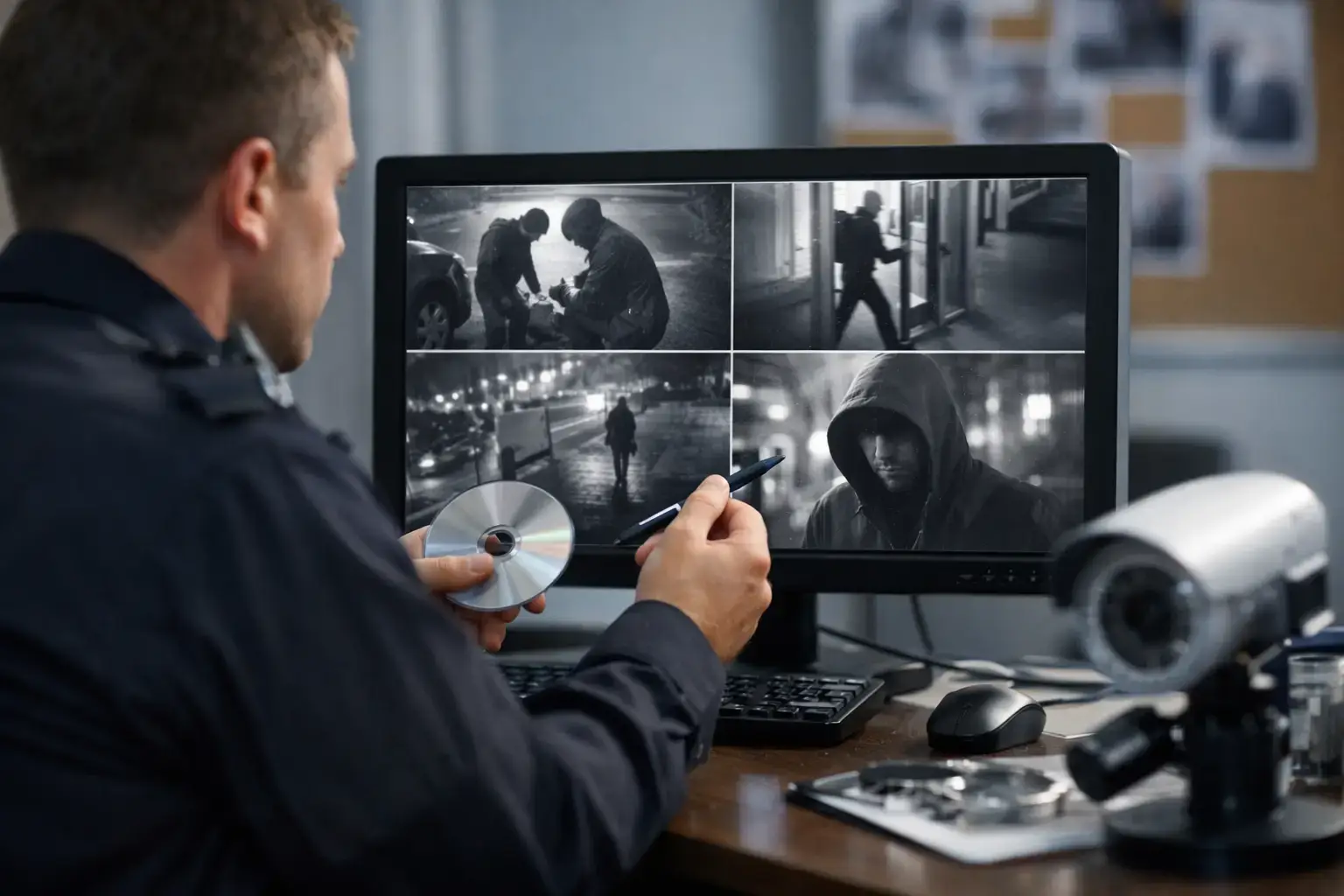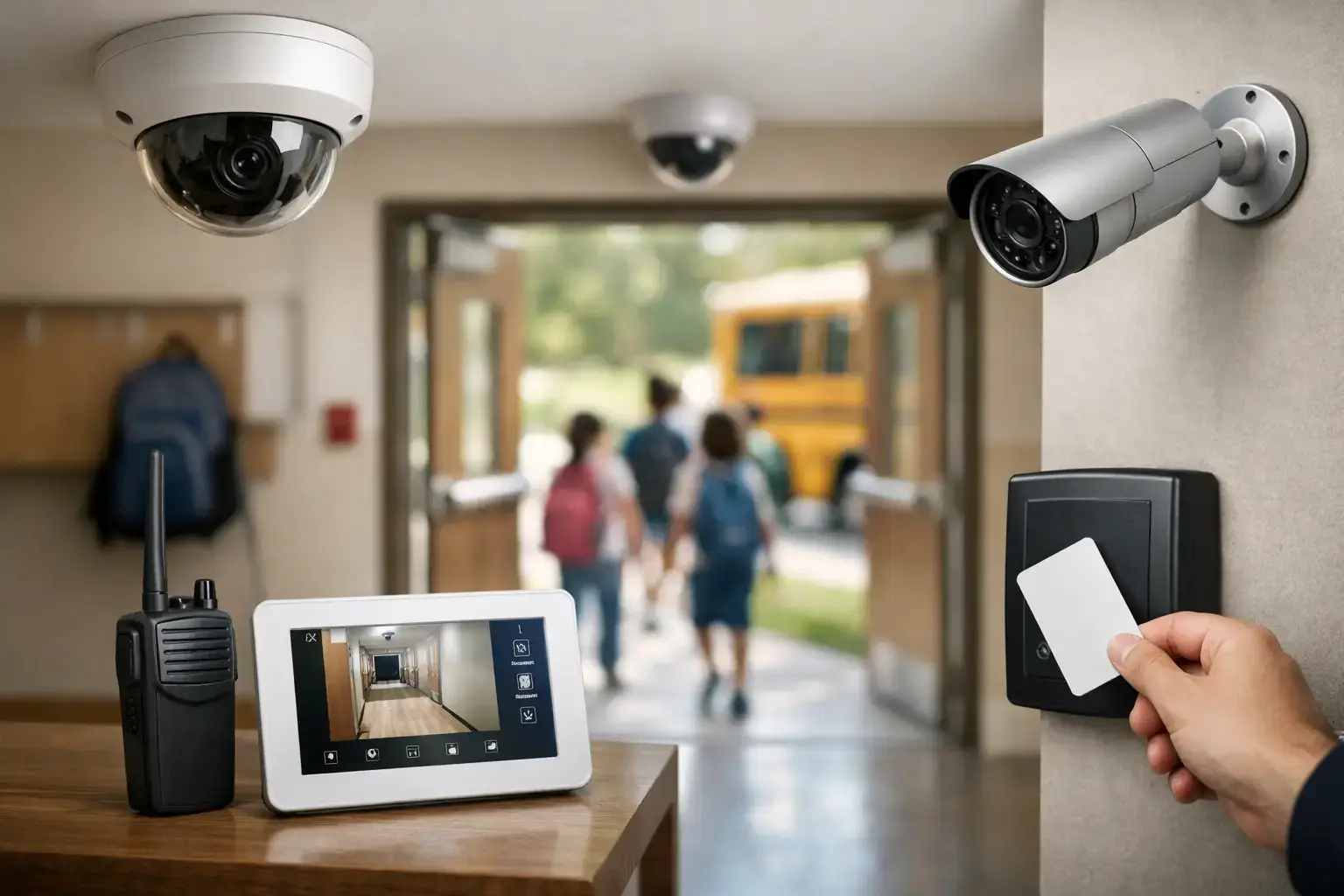
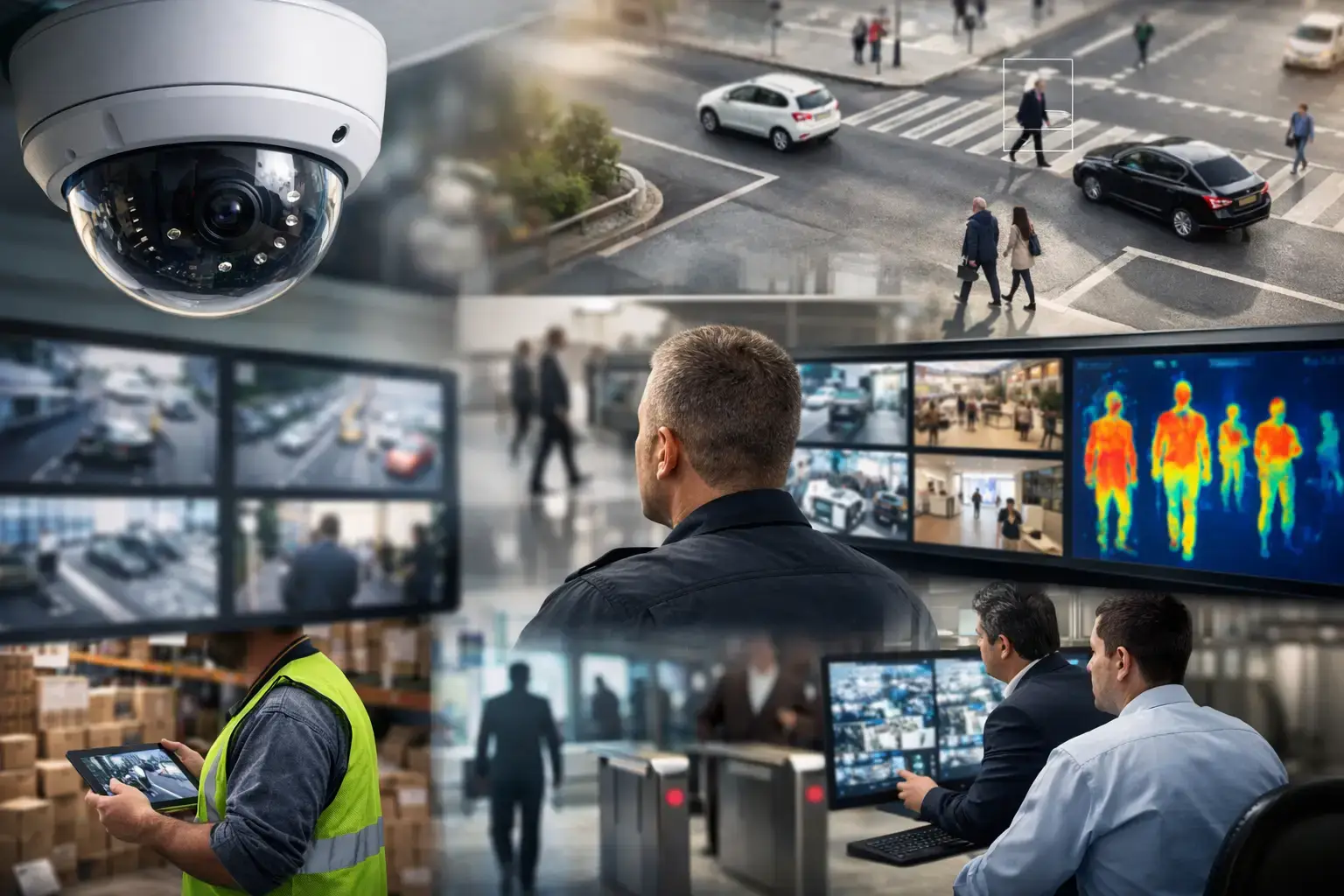
A camera that simply records footage can help after an incident. A camera with properly configured analytics can help you act while it is happening. That is why analytic CCTV use cases have become such an important part of modern security design for businesses, sites and higher-risk homes.
The difference is not just technical. It is operational. When a system can distinguish between a person crossing a boundary, a vehicle entering a restricted area or unusual movement outside trading hours, security teams can respond faster and with far fewer wasted call-outs. For many property owners and facilities managers, that is where CCTV starts to move from passive evidence gathering to active risk reduction.
Why analytic CCTV use cases matter
Standard CCTV still has a clear role. Good image quality, reliable recording and correct camera placement remain the foundation of any system. Analytics do not replace that groundwork. They build on it by applying rules to what the camera sees.
In practice, this means the system can flag events based on movement type, direction of travel, line crossing, object removal, loitering or occupancy. More advanced setups can support facial matching, vehicle recognition or behavioural alerts, although the right level of analytics depends heavily on the site, the legal basis for use and the quality of the environment.
This is where many buyers benefit from proper system design rather than buying cameras on specification alone. Analytics can be highly effective, but only when they are matched to the risk profile of the premises. A poorly sited camera overlooking busy trees, reflective surfaces or public footpaths can create noise rather than useful alerts.
Perimeter protection outside trading hours
One of the strongest analytic CCTV use cases is perimeter protection. Warehouses, schools, business parks, yards and construction sites often need to detect an intrusion the moment someone enters a defined zone, especially when the premises should be empty.
With virtual tripwires and intrusion zones, a system can trigger an alert when a person or vehicle crosses into a protected area. This is particularly useful where fencing exists but is not enough on its own, or where there are multiple access points that would be difficult to watch continuously.
The value here is speed. Instead of reviewing hours of footage after a break-in, a monitored system can flag the event as it develops. The response could involve site staff, keyholders or a remote monitoring team, depending on how the system has been configured.
That said, perimeter analytics need sensible calibration. A busy roadside boundary may require tighter rules than a fully enclosed compound. Weather, shadows and wildlife also need to be considered during commissioning.
Reducing false alarms on commercial premises
False alarms cost time and confidence. They frustrate staff, burden keyholders and can lead to genuine incidents being taken less seriously. Analytics can help by filtering routine activity from suspicious events.
For example, an industrial site may want alerts only when a person enters a loading area out of hours, not every time rain moves across the image or a branch sways in the wind. A retail premises may need different rules for open and closed periods, so normal customer movement during the day does not trigger unnecessary warnings.
This is one of the less glamorous use cases, but for many organisations it delivers some of the clearest operational value. Good analytics reduce noise. That means better decisions and fewer wasted interventions.
Protecting stock, equipment and high-value assets
Shops, builders’ merchants, pharmacies, motor trade sites and logistics facilities all face the same basic issue – high-value stock is often stored in areas that are difficult to supervise at all times. Analytics can help protect these areas without relying entirely on constant human observation.
Object removal detection, restricted area monitoring and directional rules can all be used to support asset protection. On a forecourt, the concern may be vehicles moving into unauthorised areas. In a warehouse, it may be access to caged stock. On a construction site, it is often plant, tools or fuel compounds.
The point is not to watch every square metre equally. It is to identify the zones where loss would be costly and where an earlier alert changes the outcome. That is usually where analytics earn their keep.
Managing access points and sensitive entrances
Doors, gates and reception areas are natural control points. They are also common points of weakness if traffic is not managed properly. Analytic CCTV can support access control by verifying activity around entrances and highlighting unusual movement patterns.
In an office or managed residential block, this might mean detecting tailgating at a secure entrance. In a healthcare setting, it could mean alerting staff to movement in a restricted corridor. In a school, it may support safeguarding by flagging access outside expected periods.
Used properly, analytics provide context around access events. They do not replace good locks, credentials or door hardware, but they can show whether the way a door is being used matches the policy in place.
Car park and vehicle monitoring
Car parks are a frequent source of security concerns, from theft and anti-social behaviour to unauthorised parking and disputes over incidents. Analytics help by making large open areas easier to manage.
Vehicle detection, line crossing and dwell-time rules can identify cars entering staff-only bays, lingering near vulnerable areas or moving through exits in the wrong direction. On commercial sites, this can support security and site management at the same time.
Number plate recognition can also be valuable, though it is not necessary everywhere. For some locations, a simpler analytic setup is more reliable and more proportionate. It depends on whether the need is access automation, incident investigation or active alerting.
People counting and occupancy monitoring
Not every analytic CCTV use case is about crime. In retail, hospitality and public-facing buildings, people counting can provide useful operational insight as well as a safety benefit.
A retailer may use entrance analytics to understand peak footfall periods and staffing needs. A venue may monitor occupancy in defined areas to avoid overcrowding. A landlord or managing agent may want visibility around shared spaces that are misused at certain times.
This is where CCTV begins to overlap with business intelligence, but the same rule applies – usefulness depends on correct design. Counting is more dependable when cameras are positioned specifically for the task, rather than expected to deliver every function at once.
Loitering and suspicious behaviour detection
Some incidents build gradually. A person lingering near a service entrance, repeated movement around parked vehicles or unusual activity near a cash handling point may all indicate elevated risk before a crime actually occurs.
Loitering analytics are designed to flag that kind of pattern. They can be especially helpful for petrol stations, convenience stores, schools, banks and multi-tenant buildings where early awareness matters.
There is a balance to strike here. Behaviour-based alerts need careful tuning so they remain useful rather than intrusive or overly sensitive. They are most effective in clearly defined risk zones where normal behaviour is predictable.
Supporting remote sites and temporary locations
Construction compounds, vacant properties and remote plant yards often have limited on-site staff and variable risk profiles. They are also common targets because offenders know response times may be slower.
Analytics can make these sites much more manageable, particularly when combined with lighting, audio challenge, monitored response or temporary CCTV towers. A line-crossing alert at a fuel store or cabin entrance is far more actionable than a camera that simply records an empty site for weeks.
This is one area where professional configuration really matters. Temporary and exposed environments change quickly. Camera positions, exclusion zones and alert rules often need adjustment as the site develops.
When analytics are worth the investment
Analytics are not a box-ticking feature. They are worth investing in when they solve a clear security problem, reduce labour, improve response times or cut nuisance alerts. The best results usually come from identifying two or three high-value objectives and configuring around them.
For some smaller premises, a straightforward IP CCTV system with excellent coverage may be enough. For others, especially larger estates, multi-building sites or higher-risk environments, analytics can add a strong operational edge. The answer is rarely one-size-fits-all.
Image quality, lighting, network stability, storage and maintenance all still matter. If those basics are weak, analytics will not compensate for them. Equally, if the system is not reviewed and adjusted over time, performance can drift as the environment changes.
Choosing the right analytic CCTV use cases for your site
The most effective approach starts with the risks on the ground. A school has different concerns from a warehouse. A detached home has different priorities from a city-centre office. Good system design looks at how the premises are used, when they are vulnerable and what type of alert will actually lead to action.
That is why experienced installers start with a survey rather than a generic product recommendation. Camera placement, lens choice, lighting conditions, privacy considerations and response procedures all affect whether analytics will be genuinely useful. 247 CCTV works with businesses and homeowners across Essex, London and the South East to design systems around those practical realities, not just the camera brochure.
If you are considering analytics, the right question is not whether the feature sounds impressive. It is whether it will help the right person respond to the right event at the right time.