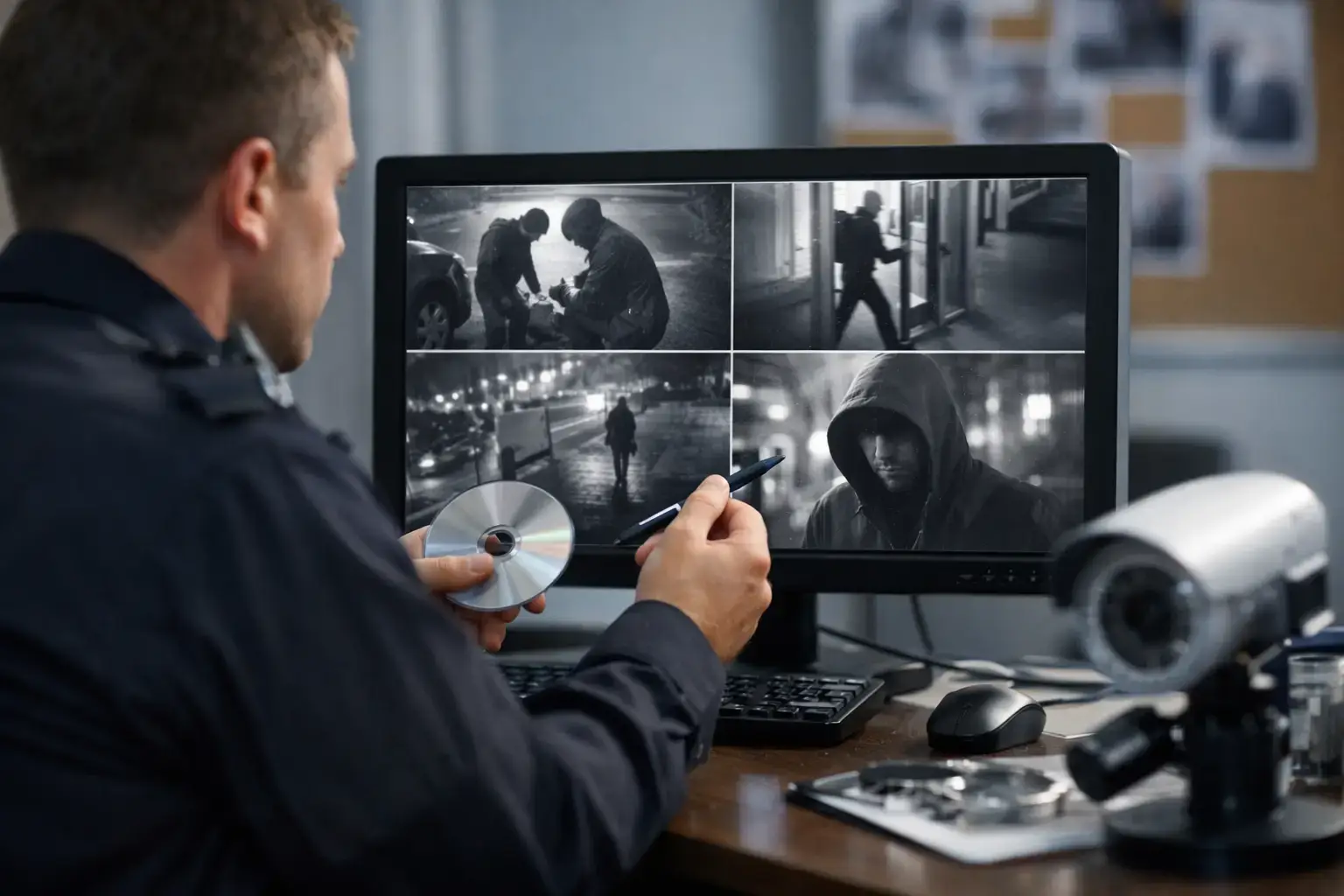
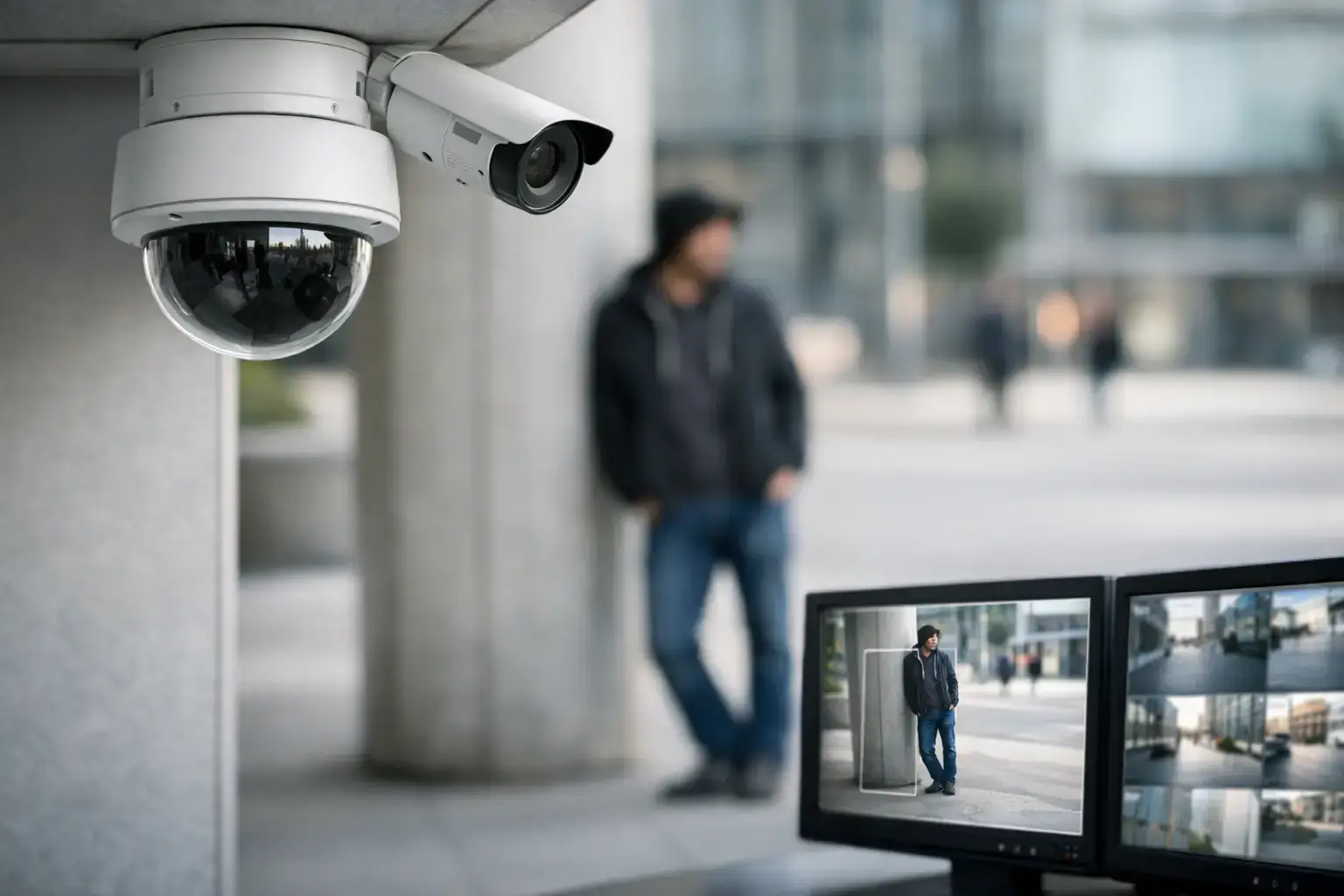
A person standing near a rear entrance for three minutes might be a courier checking a delivery note. On another site, the same behaviour could be an early sign of theft, trespass or an attempted break-in. That is where a loitering detection CCTV system earns its place – not by recording what happened after the event, but by identifying suspicious lingering in time for someone to act.
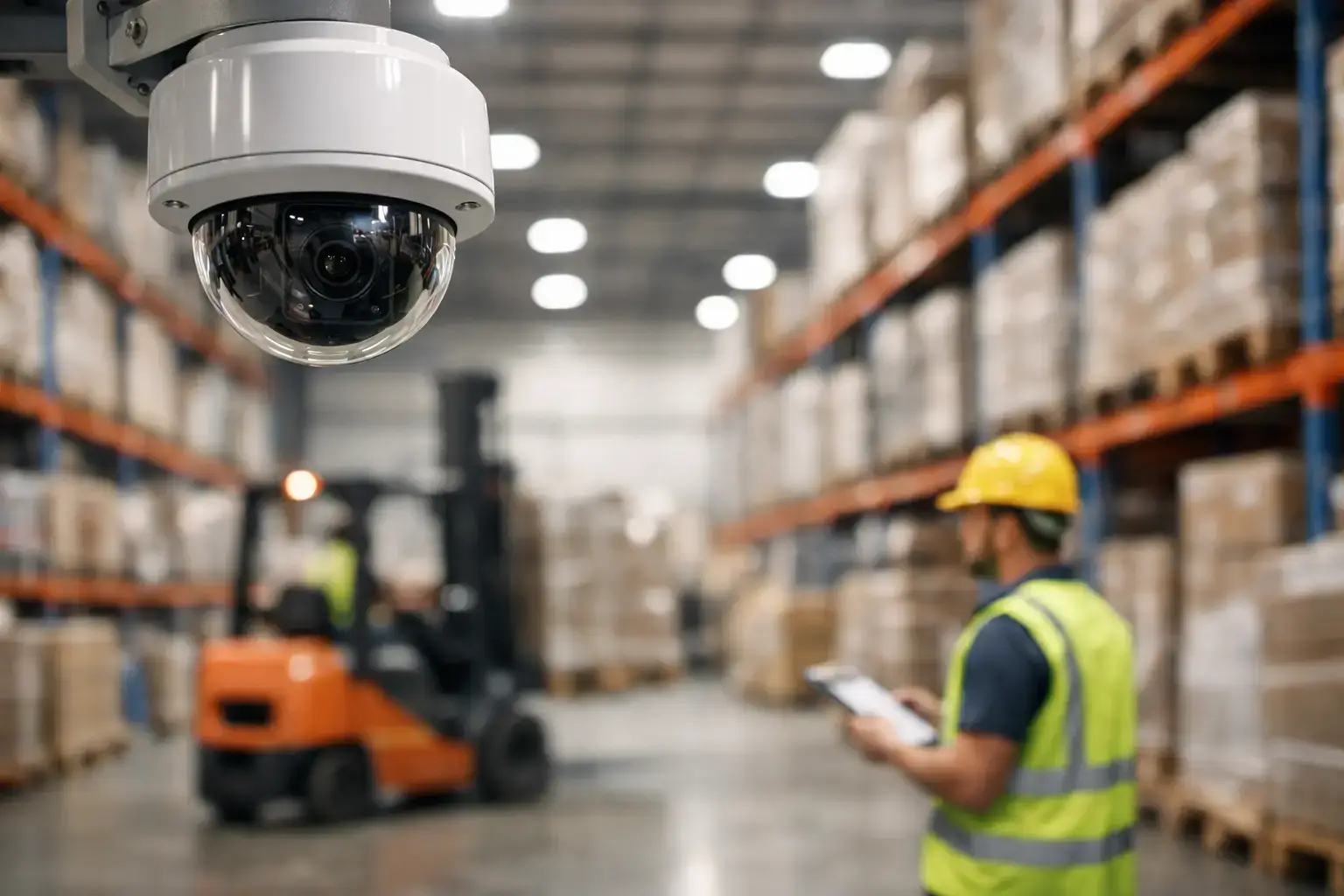
For many sites, that shift from passive recording to active detection makes a real difference. Warehouses, retail premises, schools, construction projects, office buildings and residential blocks often have predictable movement patterns. When somebody remains in a defined area longer than expected, especially near access points, loading bays, plant, bike stores or perimeter gates, it can signal a developing risk. The right system helps you spot that earlier and respond faster.
What a loitering detection CCTV system actually does
A loitering detection CCTV system uses video analytics to monitor whether a person or vehicle stays within a chosen zone for longer than a set threshold. Instead of relying on an operator to watch screens continuously, the camera or recorder analyses behaviour and triggers an alert when dwell time exceeds the permitted limit.
That sounds straightforward, but good performance depends on proper setup. A system has to distinguish between normal activity and behaviour that is genuinely unusual for that location. In a hospital entrance, a queue forming at reception is normal. In a fenced service yard after hours, a person waiting beside a fire exit is not.
This is why professional design matters. The technology is only useful when the rules match the site. Detection zones, timing thresholds, camera angles, lighting levels and expected traffic all need to be considered together.
Where loitering detection CCTV works best
Some environments suit this type of analytics better than others. Sites with clear boundaries, repeatable movement patterns and obvious no-stay areas tend to see the strongest results.
Retail parks and standalone shops often use loitering detection around rear service doors, cash handling routes and staff-only areas. Industrial premises use it to watch perimeter lines, goods-in yards and fuel or equipment storage points. In residential settings, it can be effective at communal entrances, underground car parks, bin stores and side access routes where anti-social behaviour or attempted unauthorised entry is a concern.
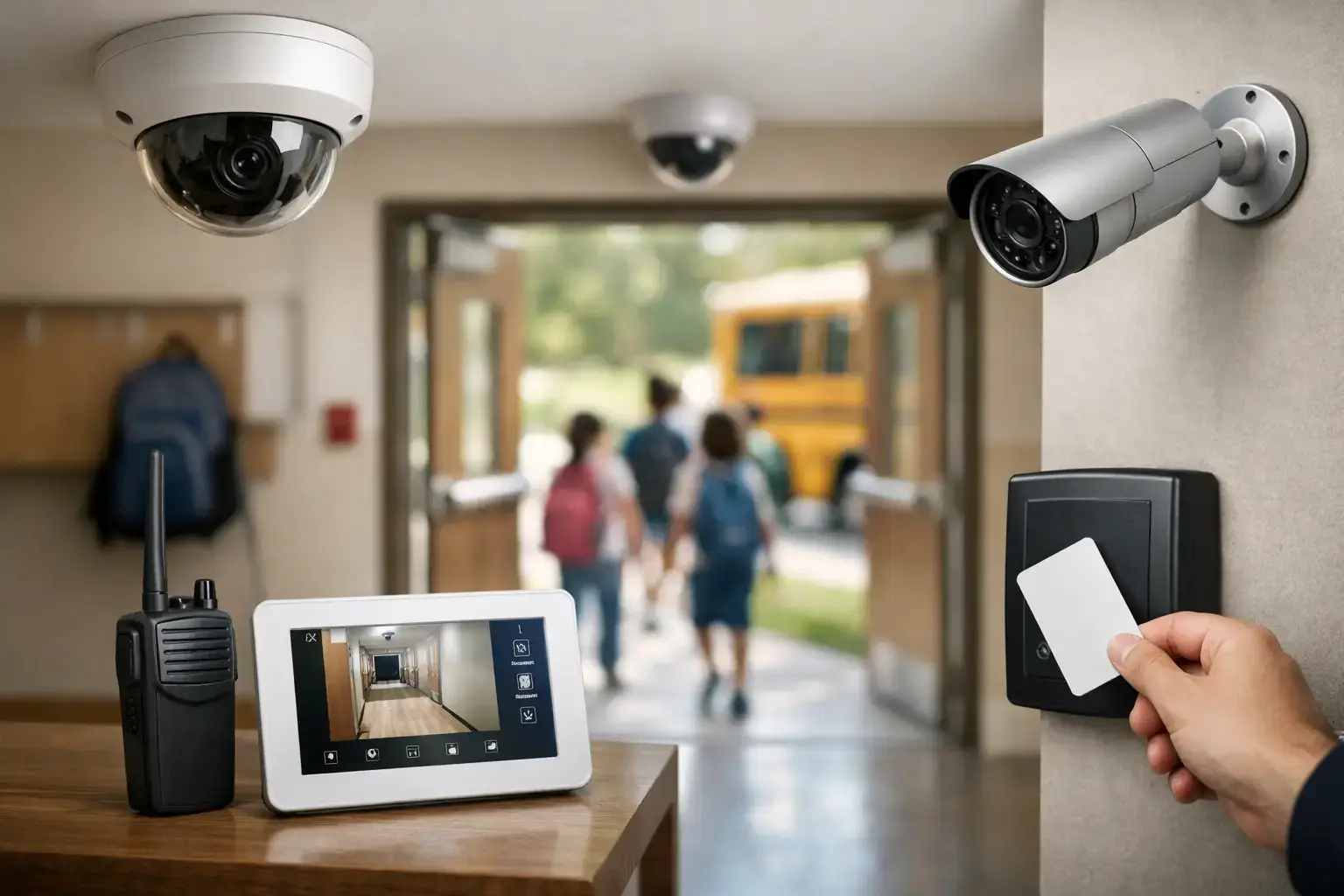
A loitering detection CCTV system can also be valuable on construction sites, where out-of-hours presence around cabins, plant or material compounds may need immediate attention. For schools and colleges, it can provide an extra layer of oversight around gates, cycle stores and restricted buildings outside operating hours.
The common factor is not the sector. It is whether the site has areas where stopping or waiting without good reason should stand out.
How alerts become useful rather than disruptive
The biggest concern many buyers have is simple – will this just create more false alarms?
That concern is justified. Poorly configured analytics can generate nuisance notifications from shadows, weather, animals or perfectly innocent behaviour. A camera pointed at a busy pavement, for example, is unlikely to produce meaningful loitering alerts without very careful rule setting. Equally, a system covering a smoking area or staff entrance may flag expected dwell time unless exclusions are built in.
Useful alerts depend on context. A professionally specified system should account for site hours, public access, staff routines and environmental conditions. It may be set to behave differently during trading hours and overnight. It may ignore some zones at certain times and apply tighter thresholds in others.
This is where an experienced installer adds value beyond supplying cameras. The aim is not simply to turn analytics on. It is to make sure the alerts are credible enough that a keyholder, facilities team or monitoring partner will trust them and respond.
Loitering detection CCTV system design considerations
Camera positioning and image quality
Analytics are only as reliable as the video they analyse. If the subject is too distant, partly obscured or poorly lit, the system has less to work with. Camera placement needs to support both detection and evidential quality. That often means balancing a wide overview with tighter views on likely problem areas.
Lighting also matters. Car parks, side alleys and service yards can behave very differently in daylight and after dark. Infrared coverage, supplementary lighting and wide dynamic range settings may all be required to keep analytics dependable.
Detection zones and dwell time
Not every part of a scene needs the same rule. A gate line may justify a short dwell threshold, while an outer forecourt may need a longer one. If the timing is too short, the system becomes noisy. Too long, and the alert arrives after the opportunity to intervene has passed.
There is no universal setting. A school entrance, a logistics depot and a block of flats all have different movement patterns, so the configuration should reflect the real use of the site.
Integration with wider security measures
A loitering alert is most effective when it feeds into a broader response plan. That could mean an audio warning, a notification to a site manager, a remote monitoring escalation, linked lighting, or review by security staff. On some higher-risk premises, it may also sit alongside access control, intruder alarms and perimeter protection.
Used in isolation, analytics can still add value. Used as part of a properly integrated security approach, they become much more practical.
Benefits and trade-offs to weigh up
The obvious benefit is earlier intervention. If somebody is lingering near a vulnerable area before attempting entry, there is a chance to challenge, deter or investigate before damage or loss occurs. That can help reduce theft, trespass, vandalism and nuisance behaviour, especially on sites where security staff are not physically present at all times.
There is also an operational benefit. Teams do not need to watch live footage constantly to spot behaviour that stands out. The system highlights exceptions, which is far more manageable than trying to monitor everything manually.
But there are trade-offs. Analytics are not magic. Busy public-facing environments can be harder to configure well than controlled private sites. Seasonal changes, poor weather, temporary obstructions and shifting traffic patterns can all affect performance. Privacy and data protection obligations must also be considered, particularly in shared residential or public-access areas.
For those reasons, the best question is not whether loitering detection works. It is where it works reliably, and what level of tuning and ongoing support the site will need.
Choosing the right loitering detection CCTV system
If you are comparing options, the specification on paper only tells part of the story. Many cameras now claim analytic features, but the real test is whether the system can be designed around your site and maintained properly over time.
Look for a provider that starts with a survey rather than a product list. The conversation should cover site layout, risk points, operating hours, lighting, network requirements, monitoring preferences and any insurer or compliance considerations. For commercial premises in particular, reliability, evidential recording quality and service support usually matter more than chasing the cheapest headline cost.
It is also worth asking how alerts will be handled in practice. Who receives them? What happens out of hours? Can zones and timings be adjusted after installation if routines change? A good system should not be frozen on day one. It should be capable of refinement as real-world use reveals what is and is not useful.
For buyers across Essex, London and the South East, that often means working with a specialist installer rather than relying on consumer-grade equipment. A professionally designed and maintained solution from a company such as 247 CCTV is more likely to deliver the consistency, insurer recognition and long-term support that higher-value sites require.
When it is worth the investment
A loitering detection CCTV system is rarely about watching every second. It is about giving more attention to the moments that deserve it. If your premises include vulnerable access points, repeated nuisance behaviour, isolated areas or periods when the site is unoccupied, this type of analytic can add genuine value.
It may be less suitable where footfall is constant and unrestricted, or where normal behaviour naturally includes waiting and gathering in most camera views. In those cases, other forms of video analytics or a different security design may be more effective.
The key is fit. When the system matches the environment, loitering detection can move CCTV from simple recording towards earlier warning and stronger deterrence. For many property owners and managers, that is the difference between finding out what happened in the morning and having the chance to stop it the night before.