Protecting your business premises in Essex and London demands more than basic locks and a single camera. With sophisticated threats evolving rapidly, choosing the right security upgrades can feel overwhelming. You need solutions that combine effectiveness, reliability and value without creating new vulnerabilities. This article guides you through essential criteria for evaluating CCTV, alarms and access control systems, helping you make informed decisions that genuinely safeguard your property and assets in 2026.
Key takeaways
| Point | Details |
|---|---|
| Layered defence works best | Combining CCTV, alarms and access control delivers superior protection compared to single measures |
| Multi-factor authentication matters | Regular credential reviews and two-factor authentication prevent tailgating and unauthorised access |
| Professional installation essential | Expert setup eliminates blind spots, lighting issues and security gaps common in DIY attempts |
| Tailor to your business type | Security upgrades must match your property size, industry risks and specific threat profile |
| Maintain and audit regularly | Annual reviews and firmware updates keep systems effective against evolving threats |
Choosing effective security upgrades: key criteria to consider
Selecting security upgrades requires evaluating multiple factors beyond initial cost. The most effective approach combines layered defence with CCTV, alarms and access systems tailored to your specific property type and maintained through regular audits. You cannot simply install cameras and expect comprehensive protection.
Your business type fundamentally shapes security requirements. Retail premises face different threats than warehouses or office buildings. A jewellery shop needs sophisticated access control and high-resolution CCTV covering display areas, whilst a warehouse prioritises perimeter alarms and motion detection across large spaces. Understanding these distinctions prevents wasting money on inappropriate solutions.
Regular system testing and security audits maintain reliability over time. Technology fails, batteries drain and software needs updates. Schedule quarterly checks of alarm sensors, monthly reviews of CCTV footage quality and weekly tests of access control systems. These simple practices catch problems before criminals exploit them.
Consider power backup systems essential, not optional. A power cut should never disable your security. Uninterruptible power supplies keep cameras recording and alarms active during outages. Cyber-secure IoT devices with multi-factor authentication prevent hackers accessing your network through vulnerable security equipment.
Pro Tip: Install fail-safe power systems with battery backup lasting at least 12 hours to maintain protection during extended outages or deliberate power sabotage.
Your security infrastructure should integrate seamlessly. Commercial CCTV systems work best when connected to alarm triggers and access logs, creating a unified view of security events. This integration lets you correlate footage with door openings and alarm activations, making investigations faster and more effective.
Top business security upgrades: CCTV, alarms and access systems explained
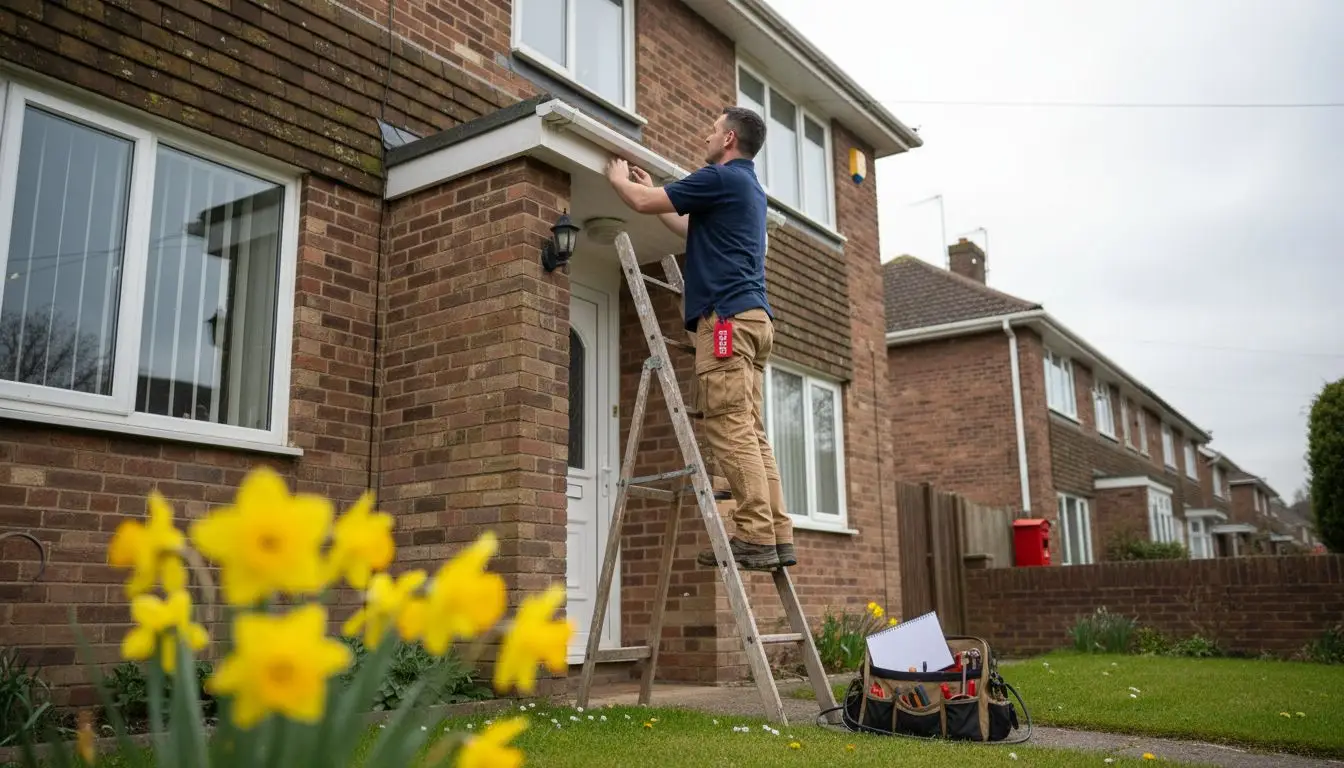
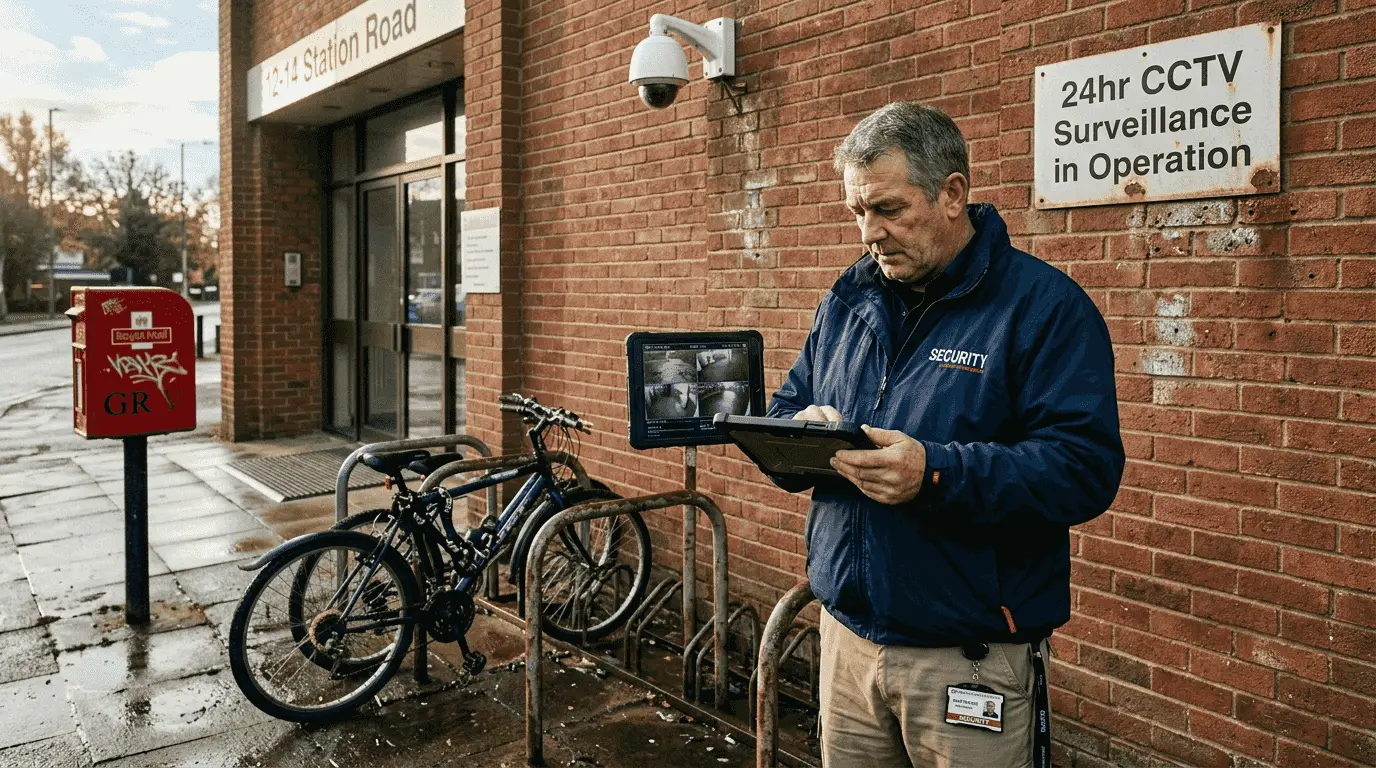
CCTV systems form your visual deterrent and evidence gathering tool. Modern IP cameras deliver crystal-clear footage that helps police identify suspects and supports insurance claims. However, DIY installation creates blind spots and poor lighting that criminals exploit. Professional setup ensures comprehensive coverage with optimal camera angles, appropriate lighting and secure network configuration.
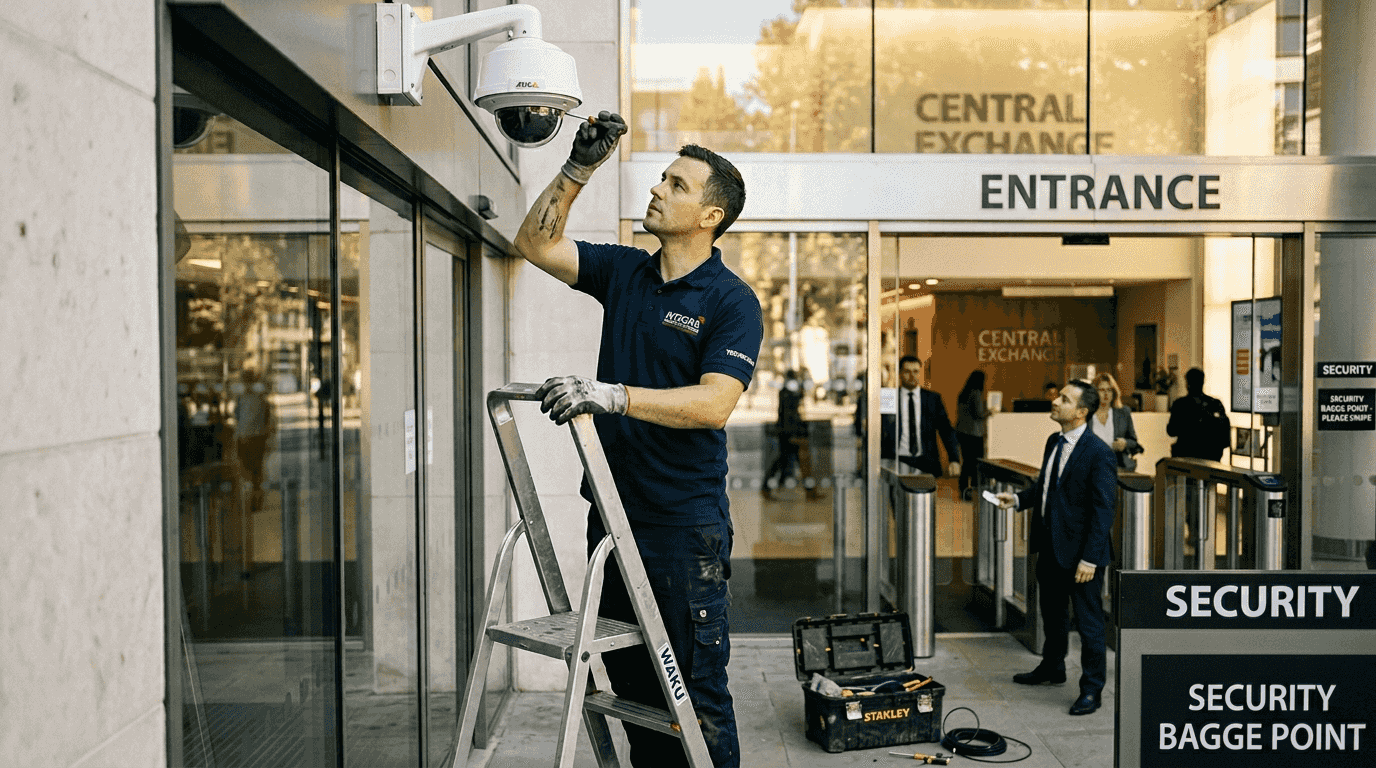
Burglar alarms provide immediate threat detection and deterrence. When sensors detect unauthorised entry, sirens activate and monitoring centres receive alerts within seconds. The key challenge involves minimising false alarms whilst maintaining sensitivity. Regular maintenance prevents sensor drift and environmental factors triggering unnecessary responses. Choose burglar alarm installers in Essex who understand local building types and common failure points.
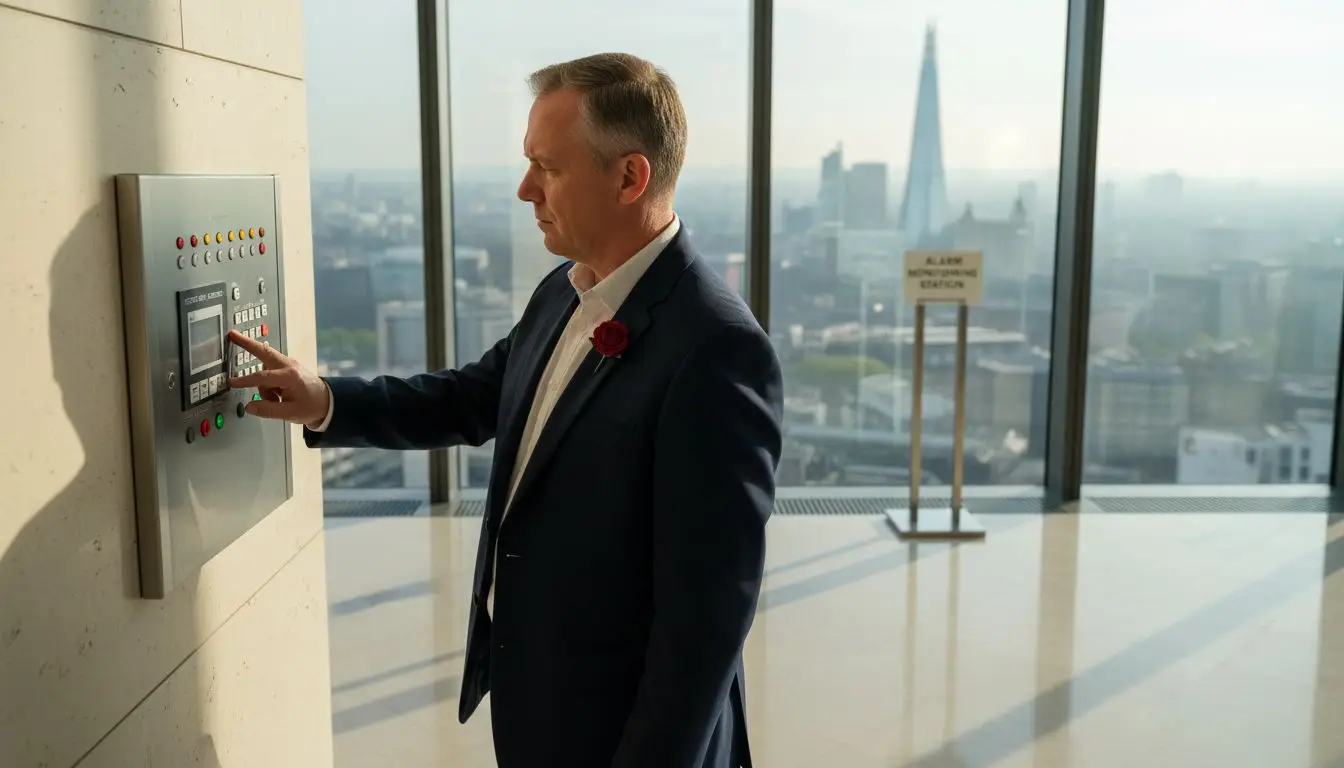
Access control systems revolutionise how you manage entry permissions. Traditional keys create security nightmares when staff leave or keys get lost. Modern door access control systems use cards, fobs or biometrics with centralised management. You can instantly revoke access for departed employees and track exactly who entered which areas at what times.
Avoiding common installation pitfalls protects your investment. Insecure IoT devices become entry points for cyber attacks. Cameras positioned too high miss facial details. Motion sensors placed near heating vents trigger constant false alarms. Professional installers know these issues and design systems that actually work.
Securing your access control requires systematic steps:
- Deploy multi-factor authentication combining cards with PIN codes or biometrics
- Schedule monthly firmware updates to patch security vulnerabilities
- Review and revoke access credentials weekly, especially after staff departures
- Audit entry logs monthly to identify unusual access patterns
- Test backup power systems quarterly to ensure continued operation during outages
Cyber security cannot be ignored. Your CCTV and alarm systems connect to networks, creating potential vulnerabilities. Implementing two-factor authentication and regular firmware updates prevents hackers disabling cameras or accessing footage. Regular access reviews ensure departed employees cannot use old credentials to bypass security.
Comparing security upgrade options: features, costs and suitability
Understanding how different security systems compare helps you allocate budget effectively and choose solutions matching your specific needs.
| System Type | Key Features | Typical Cost Range | Maintenance Needs | Best Suited For |
|---|---|---|---|---|
| IP CCTV | 4K resolution, night vision, remote viewing, motion alerts | £800-£3,500 per site | Quarterly checks, annual service | Retail, warehouses, offices |
| Burglar Alarms | Motion sensors, door contacts, sirens, monitoring | £400-£1,800 installed | Six-monthly testing, battery replacement | All business types |
| Access Control | Card readers, biometrics, audit logs, remote management | £1,200-£4,000 per door | Monthly credential reviews, firmware updates | Offices, sensitive areas |
| Integrated Systems | Combined CCTV, alarms, access with unified management | £3,000-£10,000+ | Comprehensive quarterly service | Large premises, high-security needs |
Each system type offers distinct advantages and limitations:
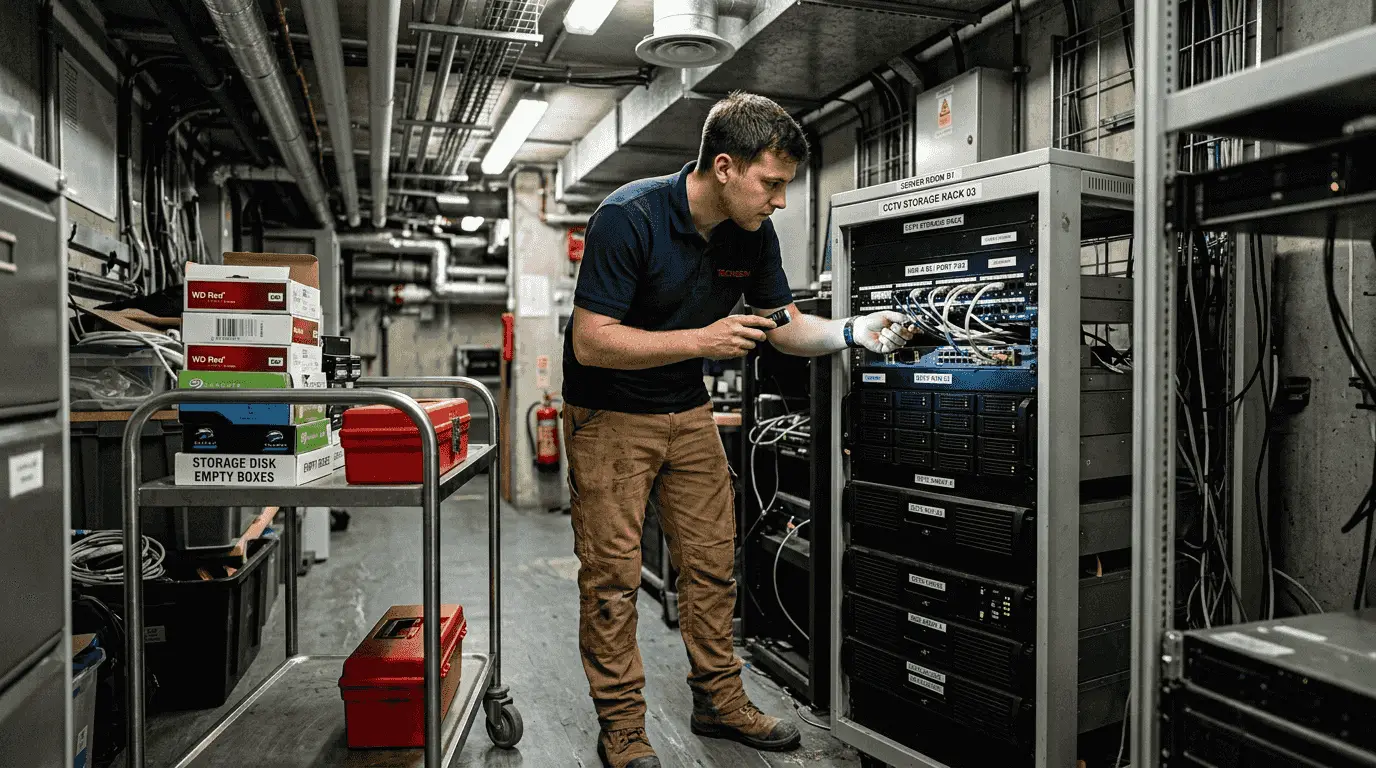
CCTV systems excel at evidence gathering and visible deterrence but require substantial storage for footage retention. High-resolution cameras generate large video files needing reliable backup systems. Night vision capabilities vary significantly between models, affecting usefulness during dark hours.
Alarm systems provide immediate threat response and work even during power cuts with battery backup. However, false alarms damage credibility with police and monitoring services. Environmental factors like temperature changes or small animals can trigger sensors if not properly calibrated.
Access control delivers granular permission management and detailed audit trails. You know exactly who accessed which areas and when. The downside involves higher upfront costs and ongoing credential management overhead. Staff need training on proper use to prevent tailgating.
Pro Tip: Combining different systems creates layered defence that outperforms single measures and should be tailored to your specific property type with regular audits.
Matching solutions to your property requires honest threat assessment. A ground-floor retail unit faces different risks than a third-floor office. Warehouses need perimeter protection whilst offices prioritise internal access control. Compare commercial CCTV options and burglar alarm systems based on your actual vulnerabilities, not generic recommendations.
Budget considerations extend beyond purchase price. Factor in installation costs, ongoing monitoring fees, maintenance contracts and eventual replacement cycles. A cheaper system requiring frequent repairs costs more long-term than quality equipment with reliable support.
Making the right security upgrade decision for your business
Applying the criteria and comparisons to your specific situation requires systematic evaluation. Start by assessing your actual threats and vulnerabilities rather than guessing or copying competitors.
Walk your premises identifying every entry point, valuable asset location and blind spot. Note areas with poor lighting, obstructed sightlines and vulnerable access points. This physical survey reveals where security upgrades deliver maximum impact. Consider hiring security consultants for objective assessments if managing large or complex sites.
Selecting professional installers matters enormously. Cheap installation creates expensive problems. Look for SSAIB or NSI accreditation, local references and detailed proposals explaining equipment choices. Ask about response times for repairs and availability of 24/7 support. Your security system only works if someone fixes it quickly when problems occur.
Key actions for successful security upgrades:
- Assess specific threats facing your business type and location
- Identify all entry points, valuable assets and current vulnerabilities
- Choose layered solutions combining CCTV, alarms and access control
- Select accredited professional installers with proven local experience
- Schedule ongoing audits and maintenance rather than install-and-forget
- Train staff on proper system use and security protocols
- Review and update security plans annually as threats evolve
Regular audits and testing ensure security upgrades remain effective over time and adapt to evolving threats rather than becoming obsolete investments.
Implementation requires coordination across multiple stakeholders. IT teams need involvement for network-connected systems. Facilities managers handle physical installation logistics. HR departments manage access credentials. Security policies must align with operational needs without creating bottlenecks that staff bypass.
Ongoing audits catch deteriorating effectiveness before criminals exploit weaknesses. Test alarm sensors by triggering them deliberately. Review CCTV footage quality monthly. Verify access logs match actual staff movements. These simple checks reveal failing equipment, misconfigured systems or security policy violations.
Budget for evolution, not just installation. Threats change, technology improves and your business grows. Plan security upgrades as ongoing investment rather than one-time expense. Set aside funds for annual enhancements, whether adding cameras to new areas or upgrading access control to newer authentication methods.
Professional CCTV installation services and comprehensive access control guidance help you implement these decisions effectively. Expert installers bring experience across hundreds of sites, knowing which solutions actually work in real-world conditions versus marketing promises.
Enhance your business security with expert services in Essex and London
Protecting your Essex or London business demands expertise you can trust. At 247 CCTV, we specialise in tailored security solutions combining cutting-edge technology with practical experience across diverse business types. Our professional CCTV installation services deliver comprehensive coverage without blind spots or vulnerabilities.
We understand the specific challenges facing businesses in your area. Our SSAIB approved burglar alarm installers design systems that balance sensitivity with reliability, minimising false alarms whilst maintaining robust protection. Whether you need sophisticated door access control systems for multi-tenant buildings or integrated security for retail premises, we provide solutions that work.
Our installations meet industry standards and include comprehensive training for your team. You receive ongoing support, regular maintenance and rapid response when issues arise. We help you implement the layered defence strategies discussed throughout this article, ensuring your investment delivers genuine long-term protection rather than creating new problems.
FAQ
What are the most effective upgrades for business security?
Effective upgrades combine CCTV, alarms and access control for layered security rather than relying on single measures. This approach ensures criminals face multiple barriers and detection methods. Tailor your choices to your specific business type, as retail premises need different protection than warehouses or offices.
How can I prevent tailgating and unauthorised access?
Multi-factor authentication stops tailgating by requiring both credentials and PIN codes or biometrics for entry. Regular access reviews ensure departed staff cannot use old credentials. Implement weekly credential audits and monthly access log reviews to identify suspicious patterns quickly.
Should I install security systems myself or hire professionals?
DIY installation creates blind spots, poor lighting and security gaps that criminals exploit. Professional installation ensures comprehensive coverage with optimal camera angles and secure configuration. Expert CCTV installers in Essex bring experience across hundreds of sites, knowing which solutions actually work versus marketing promises.
How often should business security systems be reviewed and maintained?
Review systems at least annually or immediately after security incidents. Regular audits ensure upgrades remain effective against evolving threats rather than becoming obsolete. Schedule monthly firmware updates, quarterly equipment testing and weekly access credential reviews to maintain robust protection.
What cyber security measures protect CCTV and alarm systems?
Implement two-factor authentication on all network-connected security devices and schedule monthly firmware updates. Change default passwords immediately and use unique credentials for each system component. Regular network security audits identify vulnerabilities before hackers exploit them to disable cameras or access footage.
How do I choose between different access control technologies?
Match technology to your security needs and user convenience. Card systems offer simplicity and low cost but cards can be shared or stolen. Biometric systems provide stronger security but cost more and require user acceptance. PIN codes work well as secondary authentication but alone offer limited security against observation or sharing.
Recommended
- Business Security Essex & London: Cut Risks 40% in 2026 – 247 CCTV Security Ltd
- Uncovering the Hidden Risks of Outdated Security Systems and How to Address Them – 247 CCTV Security Ltd
- Intruder alarm setup guide for secure properties 2026 – 247 CCTV Security Ltd
- Burglary Prevention Methods for Businesses and Homes UK – 247 CCTV Security Ltd