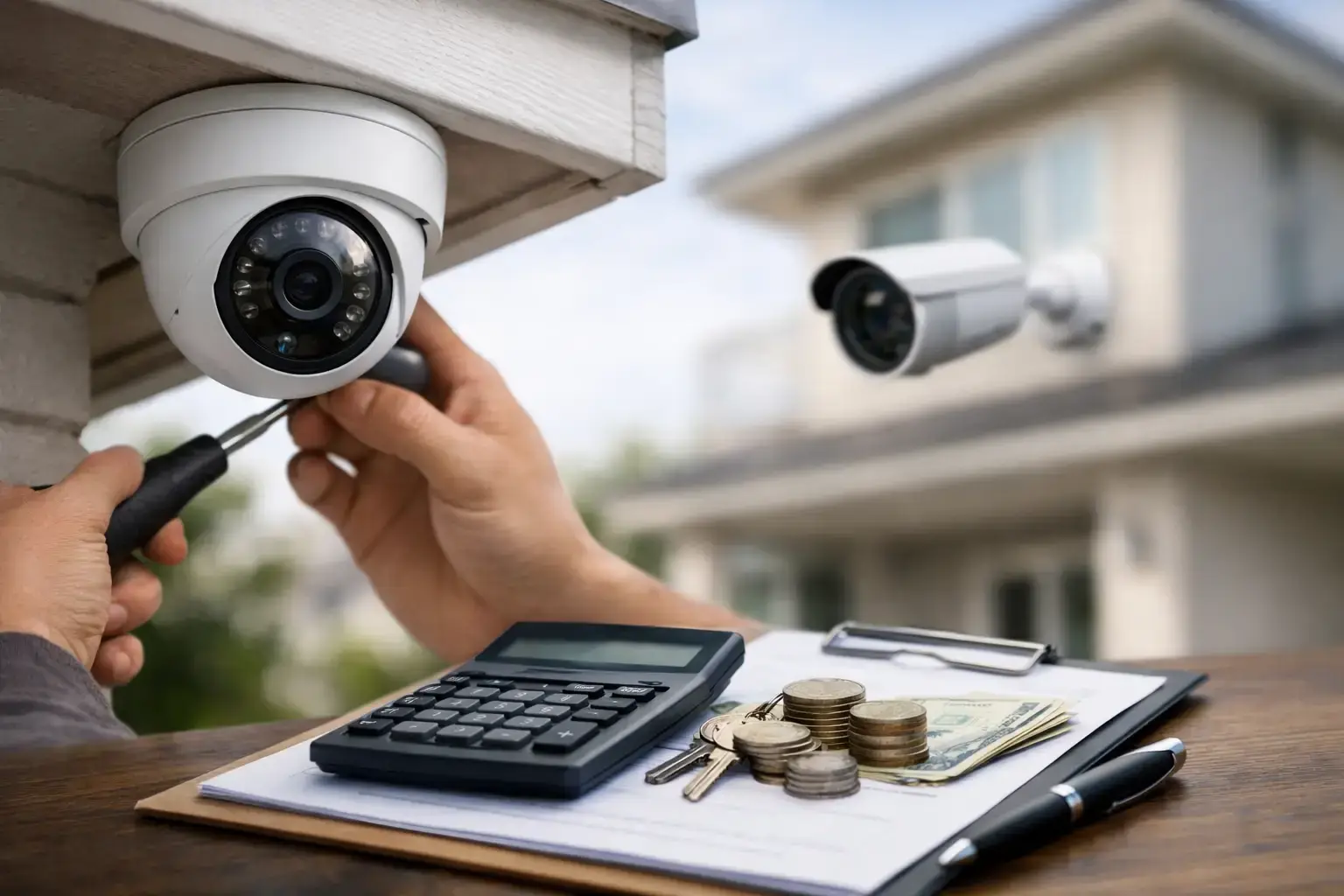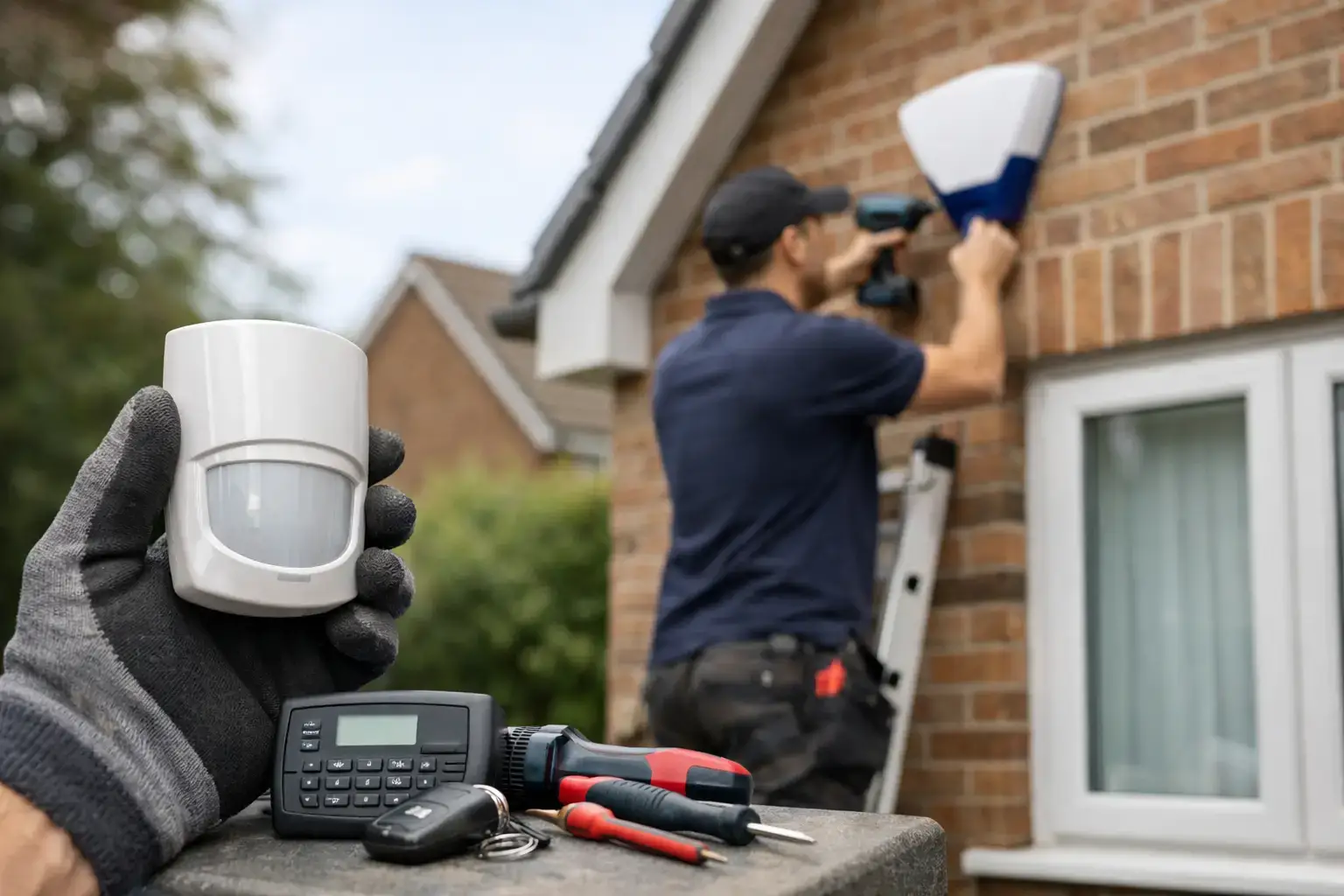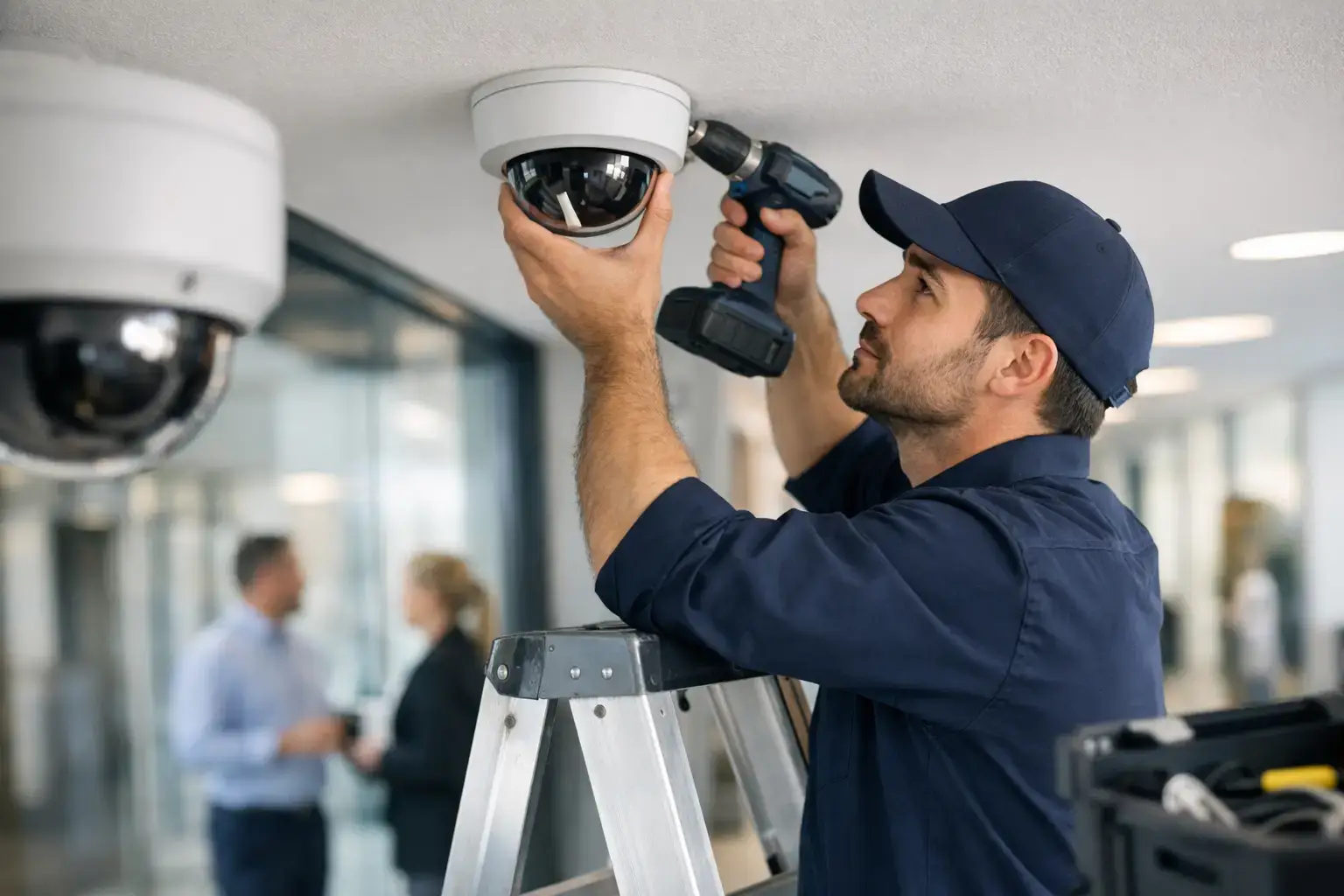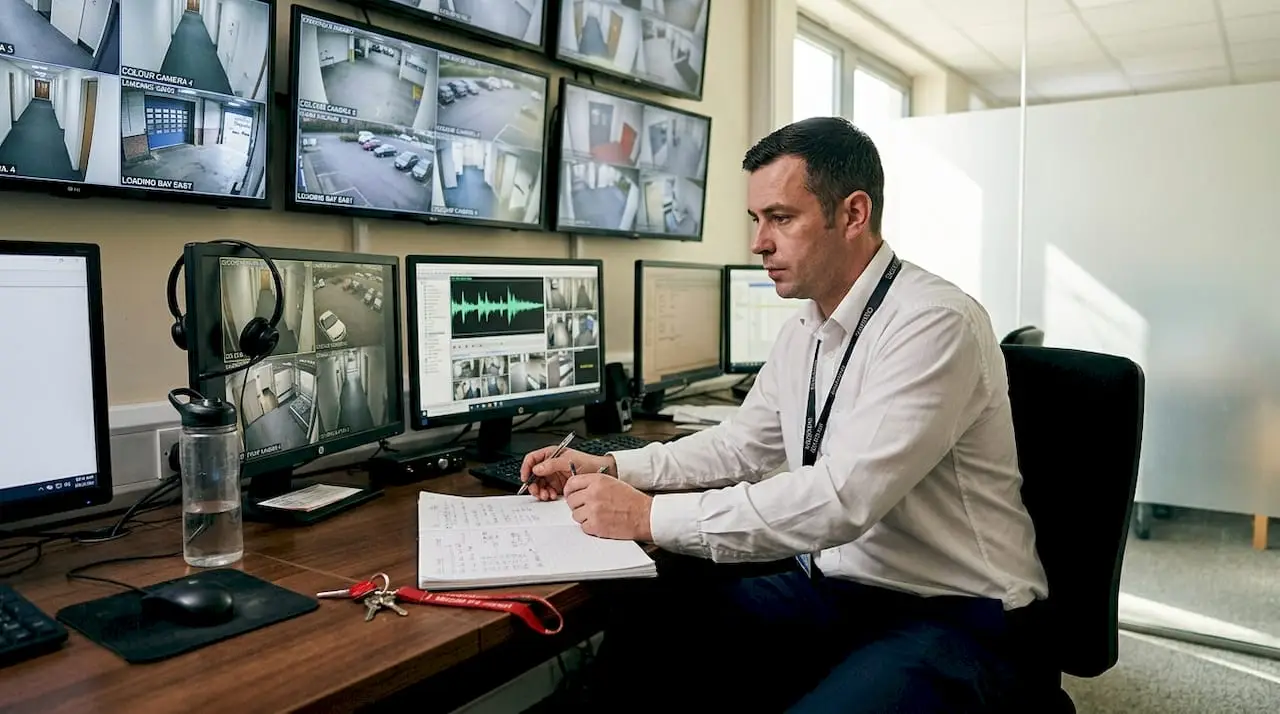
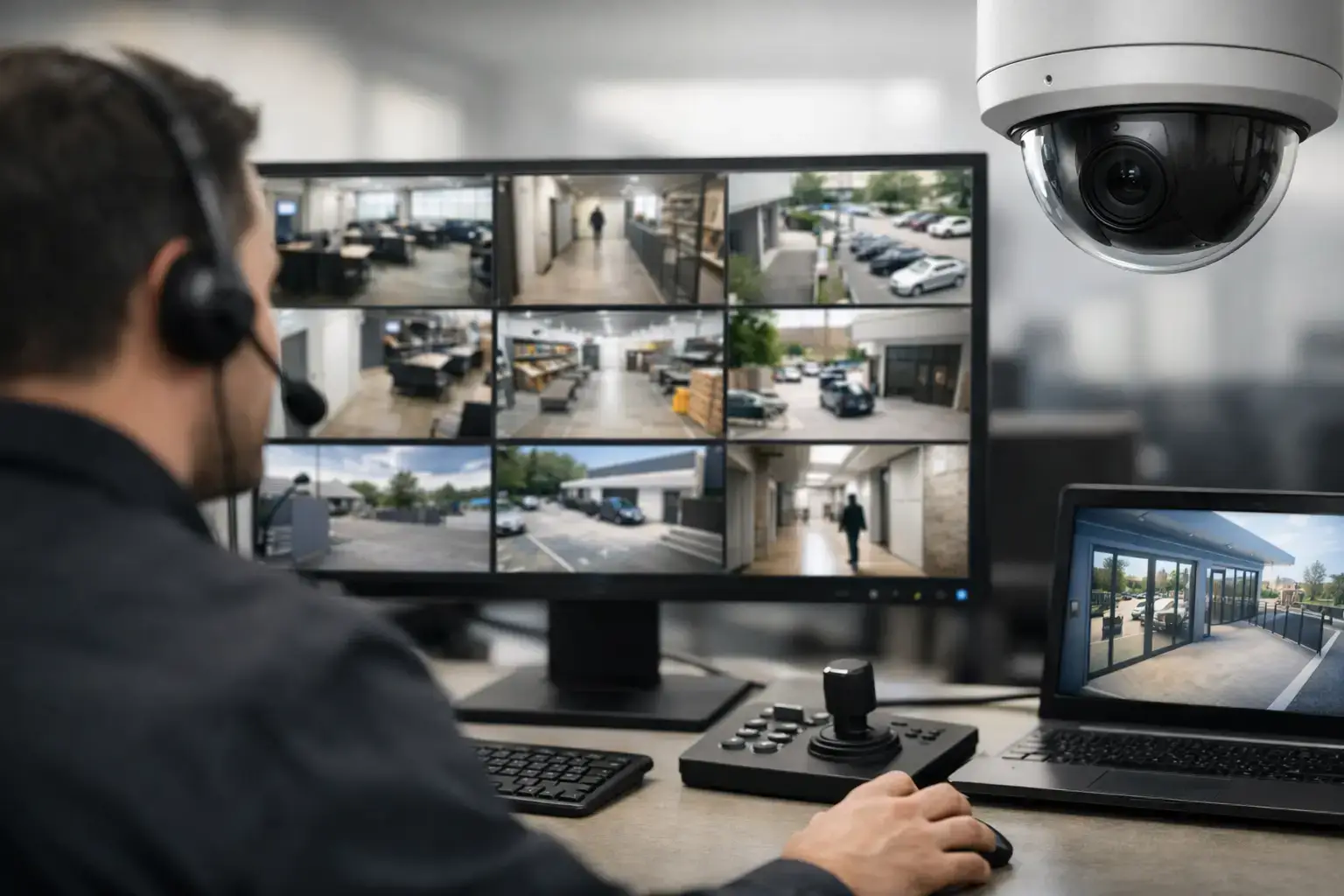
A camera that records after the damage is done can help with evidence. A camera backed by remote CCTV monitoring services can help prevent the damage happening in the first place. That difference matters whether you are protecting a shop in London, a warehouse in Essex, a construction site, a school, or your own home.
For many property owners, the question is no longer whether CCTV has value. It is whether the system is being used in the most effective way. Recording footage is useful, but active monitoring adds another layer of protection by putting trained eyes and agreed response procedures behind the cameras. When there is suspicious activity, the aim is not simply to review it later. It is to identify it quickly and act while the incident is still developing.
What remote CCTV monitoring services actually do
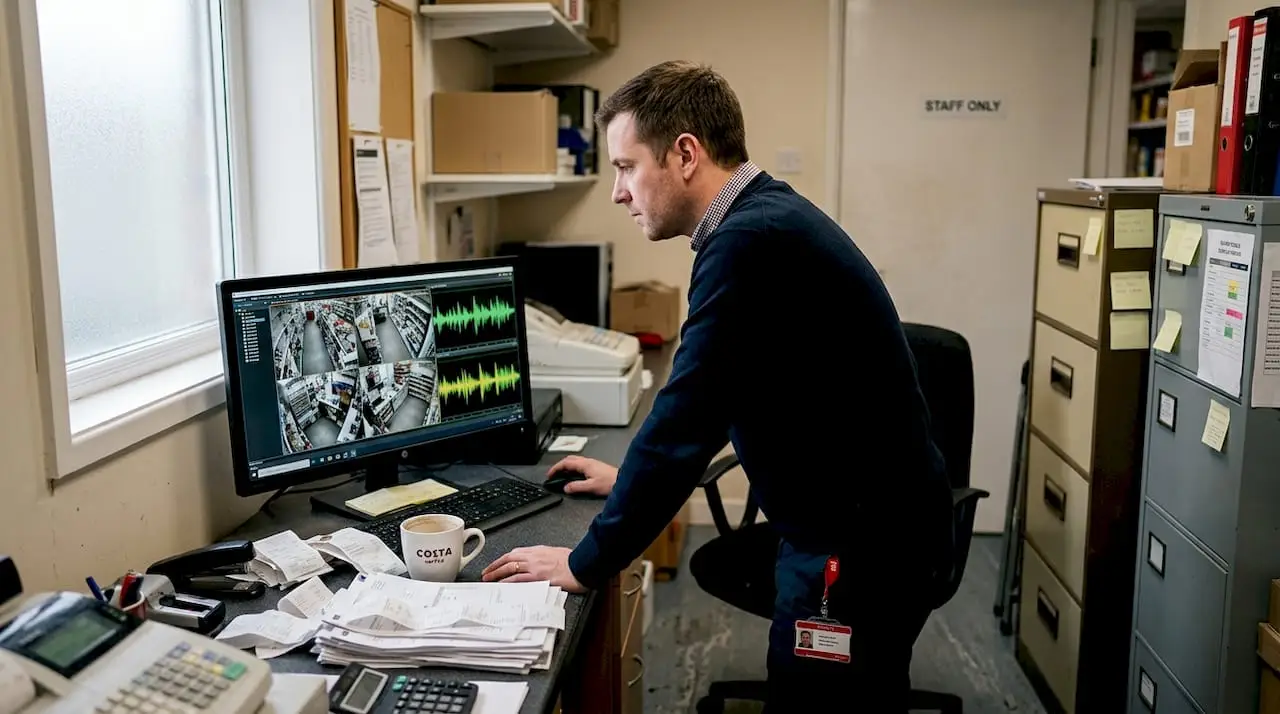
Remote CCTV monitoring services connect your camera system to a monitoring team that can review live activity, respond to alerts and follow clear escalation procedures. Depending on the setup, this may involve motion-triggered events, video analytics, alarm activations or scheduled checks at specific times of day.
That means a monitored system can do far more than passively store video. If someone enters a restricted area, approaches a closed premises after hours, climbs a perimeter fence or loiters where they should not, an operator can assess the footage in real time. From there, they may issue an audio warning through a speaker, contact keyholders, notify on-site staff or escalate to the emergency services where appropriate.
The exact process depends on the site, the risks involved and how the system has been configured. A retail unit, for example, may need after-hours perimeter monitoring. A distribution yard may require out-of-hours vehicle gate observation. A home may need alerts focused on driveways, side access and vulnerable entry points rather than constant monitoring of every camera view.
Why businesses choose remote CCTV monitoring services
The strongest case for monitoring is simple. Speed matters. A stolen vehicle, break-in, act of vandalism or attempted trespass can develop in minutes. If nobody knows it is happening until the next morning, your cameras may provide evidence but not prevention.
Remote monitoring helps shorten that gap between event and response. In commercial settings, this can reduce losses, disruption and clean-up costs. It can also help limit risk to staff, especially where lone workers, high-value stock, cash handling or sensitive access areas are involved.
For some organisations, there is also an operational benefit. Facilities managers and business owners often want visibility across more than one site without relying entirely on on-site guarding. A properly designed monitored CCTV solution can support that, particularly when combined with analytics, access control and intruder alarms.
That said, not every site needs the same level of intervention. A small office may only need monitored out-of-hours coverage. A construction site may need active monitoring overnight, at weekends and during holiday closures. The right design comes down to threat level, occupancy patterns, layout and budget.
Where monitored CCTV makes the biggest difference
Commercial premises
Shops, offices, warehouses, industrial units, hotels, schools and healthcare settings all have different risks, but they share one common issue. Empty or lightly staffed buildings are more vulnerable outside normal hours. Monitoring helps bridge that gap.
In retail, it can support loss prevention and after-hours security. In logistics and industrial settings, it can protect yards, loading bays, plant and perimeter fencing. In education and public-sector environments, it can help manage unauthorised access, anti-social behaviour and safeguarding concerns around entrances and external grounds.
Construction and temporary sites
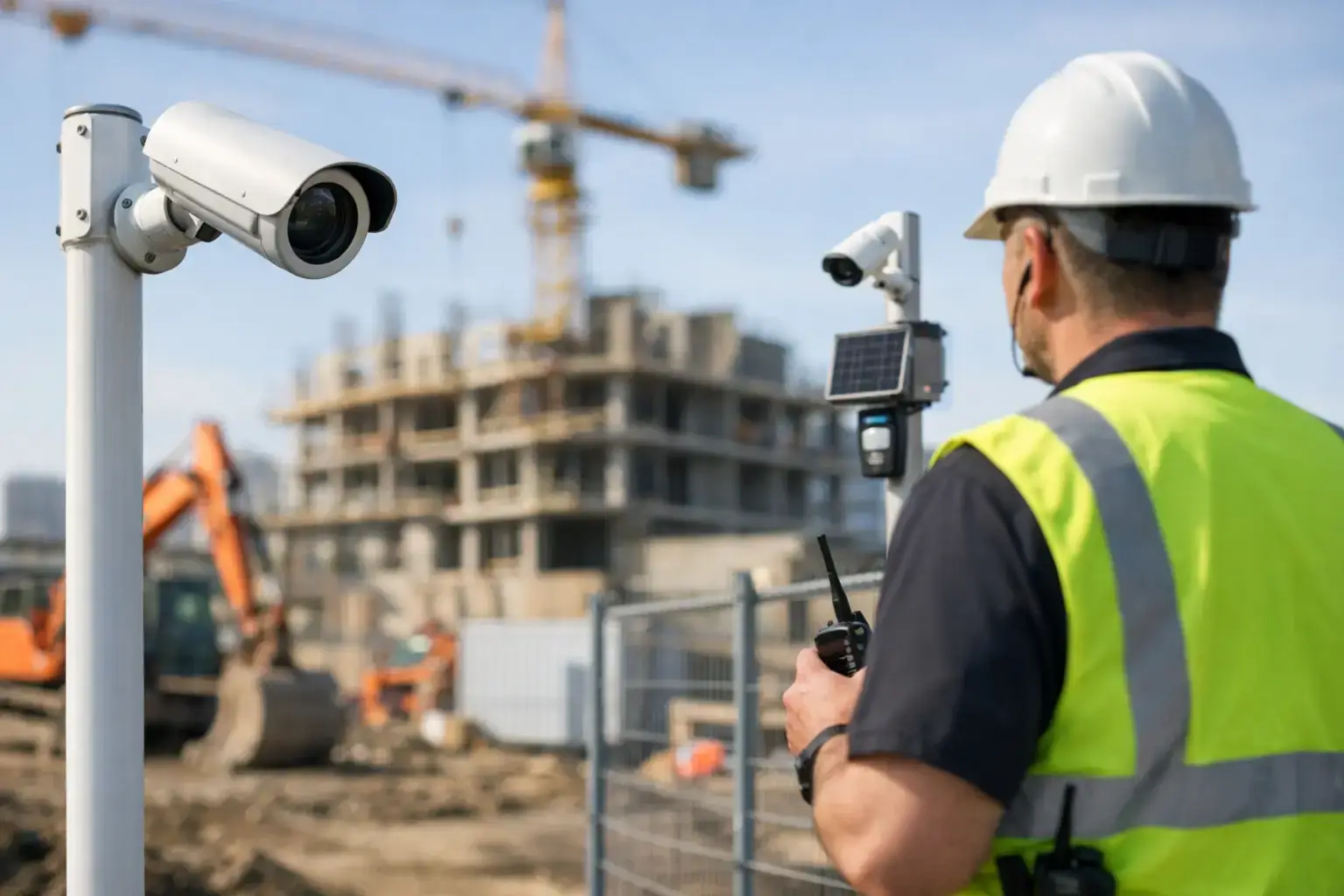
Construction sites are a strong fit for remote monitoring because the risk profile is high and the environment changes constantly. Materials, tools, machinery and fuel can attract opportunist theft, while site boundaries are often more exposed than permanent buildings.
Here, remote CCTV monitoring services are often paired with analytic cameras, detectors, temporary towers and audio challenge systems. The benefit is not just seeing an intruder. It is being able to respond before they have time to remove equipment or cause serious damage.
Residential properties
For homeowners, monitored CCTV can be valuable where there is a higher risk profile, such as larger properties, frequent travel, isolated locations or concerns around repeated nuisance behaviour. It can also suit households that want more than a mobile alert and would rather have a professional response procedure in place.
The balance is important, though. Some homes benefit more from a well-installed CCTV and alarm system with app access, while others justify full monitoring. A professional survey helps decide what is proportionate.
Remote CCTV monitoring services are only as good as the system behind them
Monitoring does not fix poor camera placement, weak image quality or unreliable connectivity. If the original installation is compromised, the monitoring service will be limited by what it receives.
That is why design matters. Cameras need to be positioned for usable coverage rather than box-ticking. Lighting conditions, blind spots, lens selection, network stability and recording quality all affect whether an operator can make a fast, confident decision when an alert comes through.
Analytics also need careful setup. If they are too sensitive, you can end up with repeated false alarms from foliage, wildlife, weather or passing traffic. If they are not sensitive enough, genuine events can be missed. The best systems are tailored to the site rather than applied as a generic package.
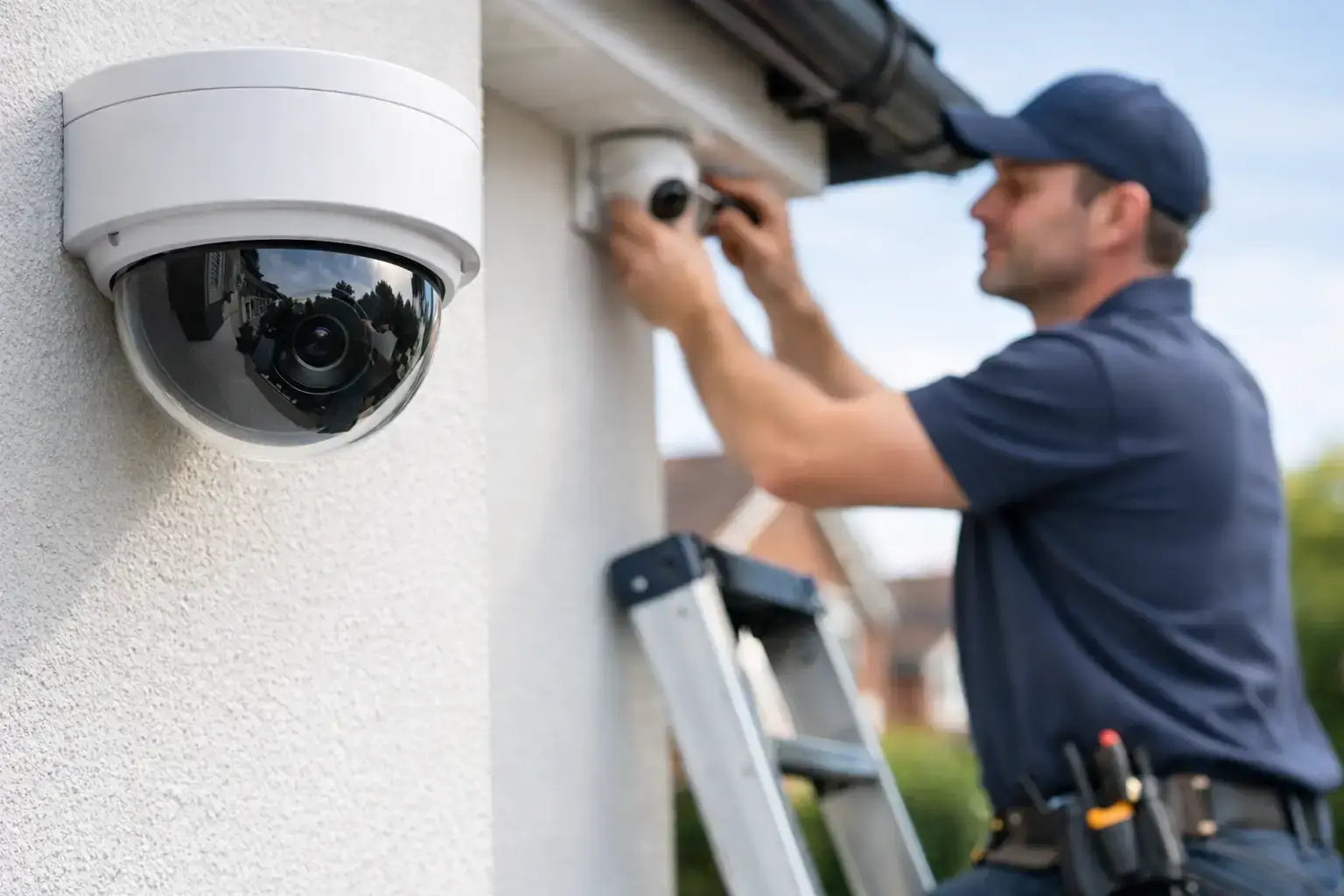
For many buyers, approval and compliance matter too. Professionally specified systems from an experienced, SSAIB-regulated installer are more likely to meet insurer expectations and deliver dependable long-term performance. That is especially relevant for commercial clients who cannot afford weak integration, patchy maintenance or unclear accountability.
What to ask before choosing a monitored CCTV solution
A sensible buying decision starts with practical questions. What exactly should trigger a response? Who receives escalation calls? What happens if there is suspicious behaviour but no confirmed break-in? How are false alarms reduced? Is monitoring 24/7, only out of hours, or scheduled around your operating pattern?
You should also ask how the monitoring service interacts with the rest of the security system. In many cases, the best results come from integration. An intruder alarm, access control events and video analytics can work together to give operators better context and reduce unnecessary call-outs.
Maintenance is another point that should not be treated as an afterthought. Cameras go out of alignment, lenses get dirty, firmware needs updating and site layouts change. Ongoing support keeps the monitored service effective. Without that, even a good installation can drift into a less reliable one.
The trade-off between cost and coverage
Remote monitoring is not the cheapest way to run CCTV, and it should not be sold as if it suits every property equally. The extra cost needs to be justified by the value of faster detection, intervention and risk reduction.
For a low-risk site, a professionally installed recording system with app alerts may be enough. For a site with repeated trespass, vulnerable stock, insurance pressures or critical operational downtime, monitoring can be a very sensible investment. The real comparison is not just equipment cost. It is the cost of theft, interruption, repairs, staff impact and reputational damage if an incident is left unchecked.
This is where tailored design matters more than headline price. Paying for full monitoring on every camera, all the time, may be excessive. Paying for targeted monitoring in the highest-risk periods and areas is often more practical and more cost-effective.
Choosing the right provider
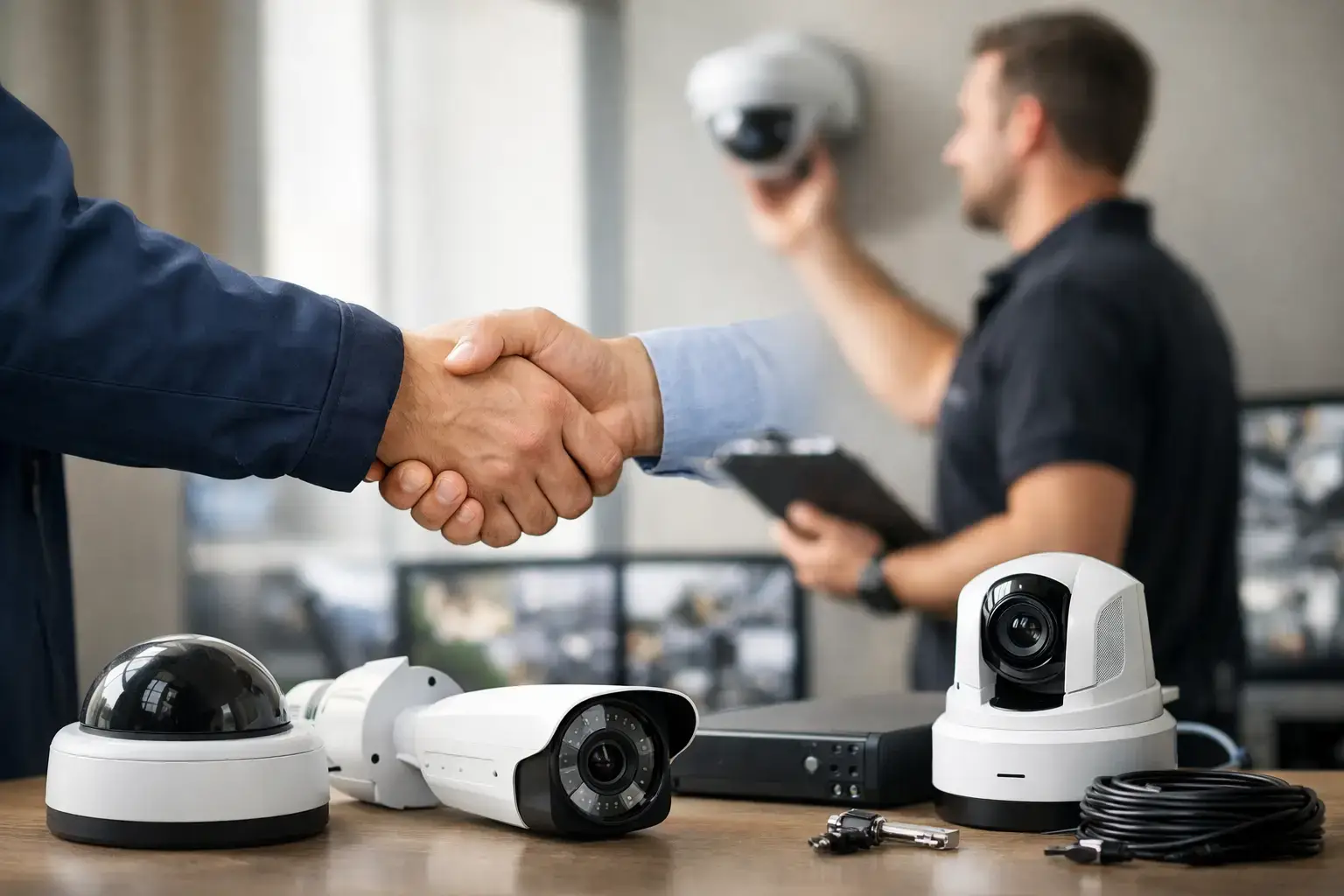
A monitoring solution should feel like part of a wider security plan, not an add-on. The best results usually come from working with a company that can survey the site, design the system properly, install it to a professional standard and support it over time.
That joined-up approach avoids the common problem of separate suppliers blaming one another when something goes wrong. It also gives you clearer accountability for performance, maintenance and future changes. For businesses and homeowners in the South East, that local service element can be just as important as the technology itself, especially when urgent support is needed.
At 247 CCTV, that principle sits at the heart of how monitored systems are designed – around the property, the risk and the response required, rather than around a one-size-fits-all package.
If you are weighing up remote CCTV monitoring services, the right next step is not to compare cameras in isolation. It is to look honestly at what would happen on your site if an incident started tonight, and whether your current system would simply record it or help stop it.