Choosing the right security measures for your Essex or London home can feel overwhelming. With burglary rates fluctuating and new technologies emerging constantly, homeowners and property managers need clear, evidence-backed guidance. This article cuts through the confusion by presenting proven security solutions that actually work. You’ll discover how CCTV systems, burglar alarms, and access control technologies protect properties, how to assess your specific needs, and how to make informed decisions that fit your budget and circumstances.
Key Takeaways
| Point | Details |
|---|---|
| Layered security approach | Best results come from layering CCTV, alarms and access control to protect homes. |
| CCTV reduces crime | CCTV reduces property crime by around thirteen to twenty six per cent, with the strongest effects on burglary and vehicle theft. |
| Alarms deter intruders | Alarms deter intruders and trigger rapid alerts to owners or monitoring services. |
| Access control benefits monitoring | Access control systems restrict authorised entry and enhance monitoring of who may enter your property. |
| Professional assessment advised | A professional security assessment can identify vulnerabilities you might miss and tailor proportionate solutions to your actual risk. |
How to assess your home security needs
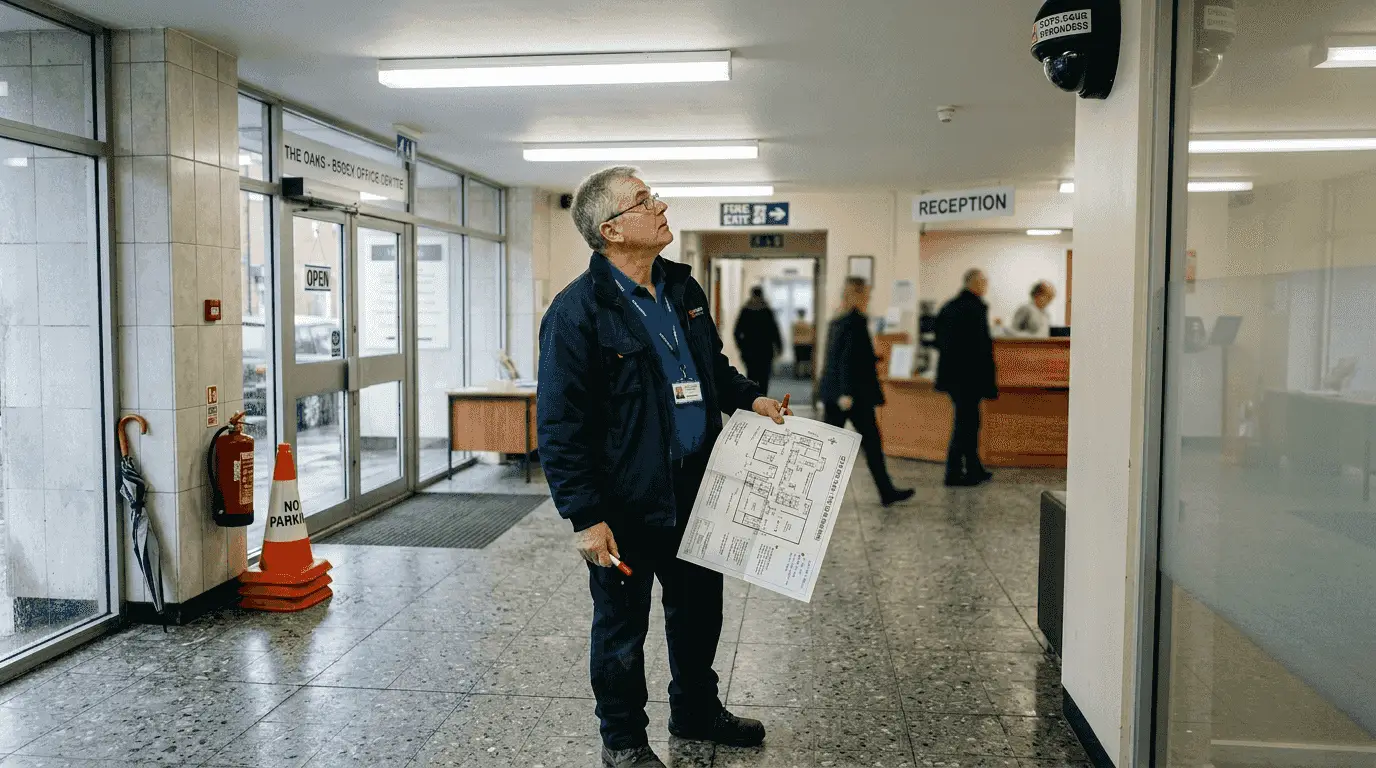
Before investing in security technology, you need to understand your property’s vulnerabilities and local crime patterns. Walk around your home and identify weak points like poorly lit side passages, accessible ground floor windows, detached garages, and driveways hidden from street view. These areas typically attract opportunistic criminals seeking easy entry.
Research crime statistics for your specific Essex or London neighbourhood through local police websites or community forums. Some postcodes experience higher burglary rates than others, which should influence your security priorities. Properties near transport links or main roads often face elevated risks due to easier criminal access and escape routes.
Best results come from layered security systems including CCTV combined with alarms and access controls. Single solutions rarely provide comprehensive protection. Consider these assessment factors:
- Entry point vulnerabilities including doors, windows, and garage access
- Visibility from neighbouring properties and public spaces
- Existing security measures and their current effectiveness
- Property size, layout complexity, and number of access points
- Budget allocation for initial installation and ongoing maintenance
Your property type matters significantly. Detached houses require more extensive coverage than flats, whilst corner properties need additional monitoring due to multiple street-facing sides. Consider whether you’re home during typical burglary hours or if the property sits empty during working days.
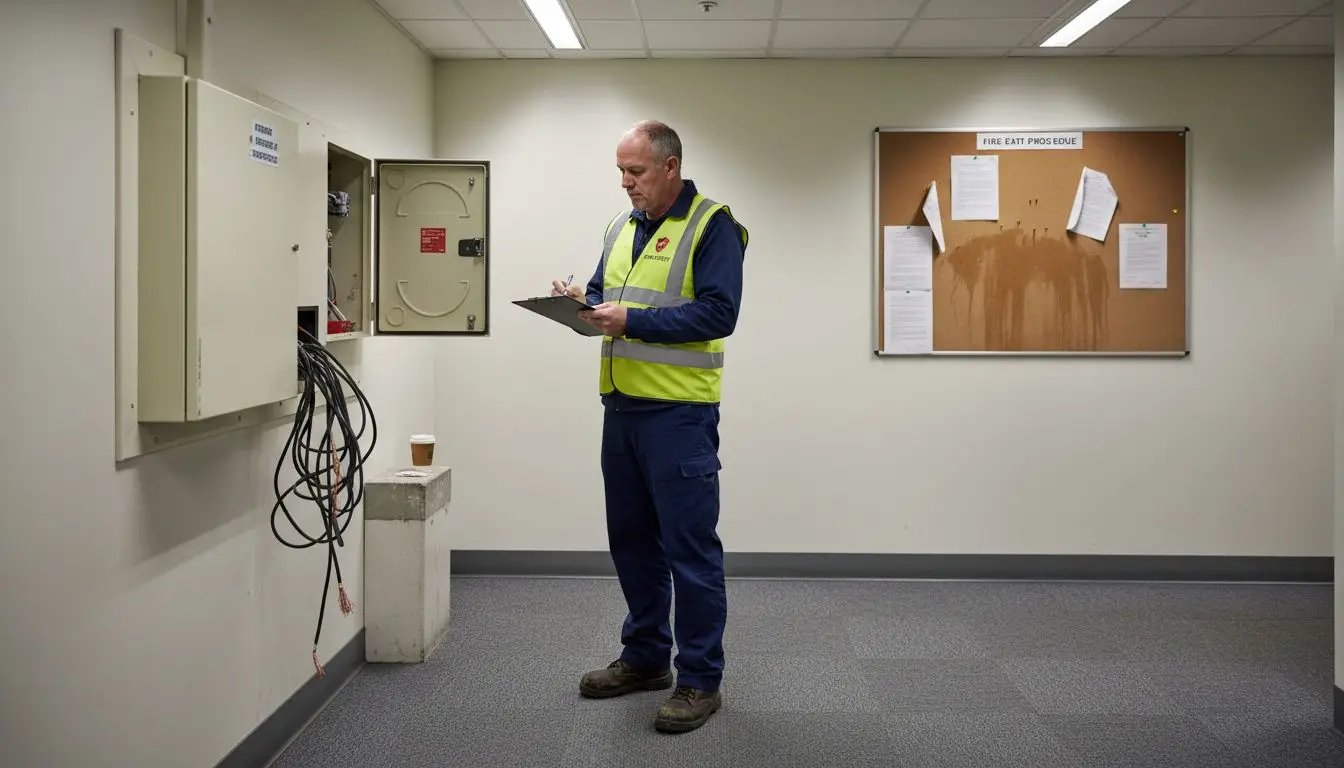
Pro Tip: Request a professional security assessment before purchasing equipment. Experts identify vulnerabilities you might miss and recommend proportionate solutions that match your actual risk profile rather than overselling unnecessary technology.
Understanding installing CCTV benefits helps prioritise which systems deliver maximum value for your circumstances. Budget realistically by including installation costs, ongoing monitoring fees, and potential maintenance expenses over the system’s lifespan.
Key options to improve security: CCTV systems, alarms and access control
Three primary technologies dominate residential security, each serving distinct protective functions. Understanding their capabilities helps you select appropriate solutions for your Essex or London property.
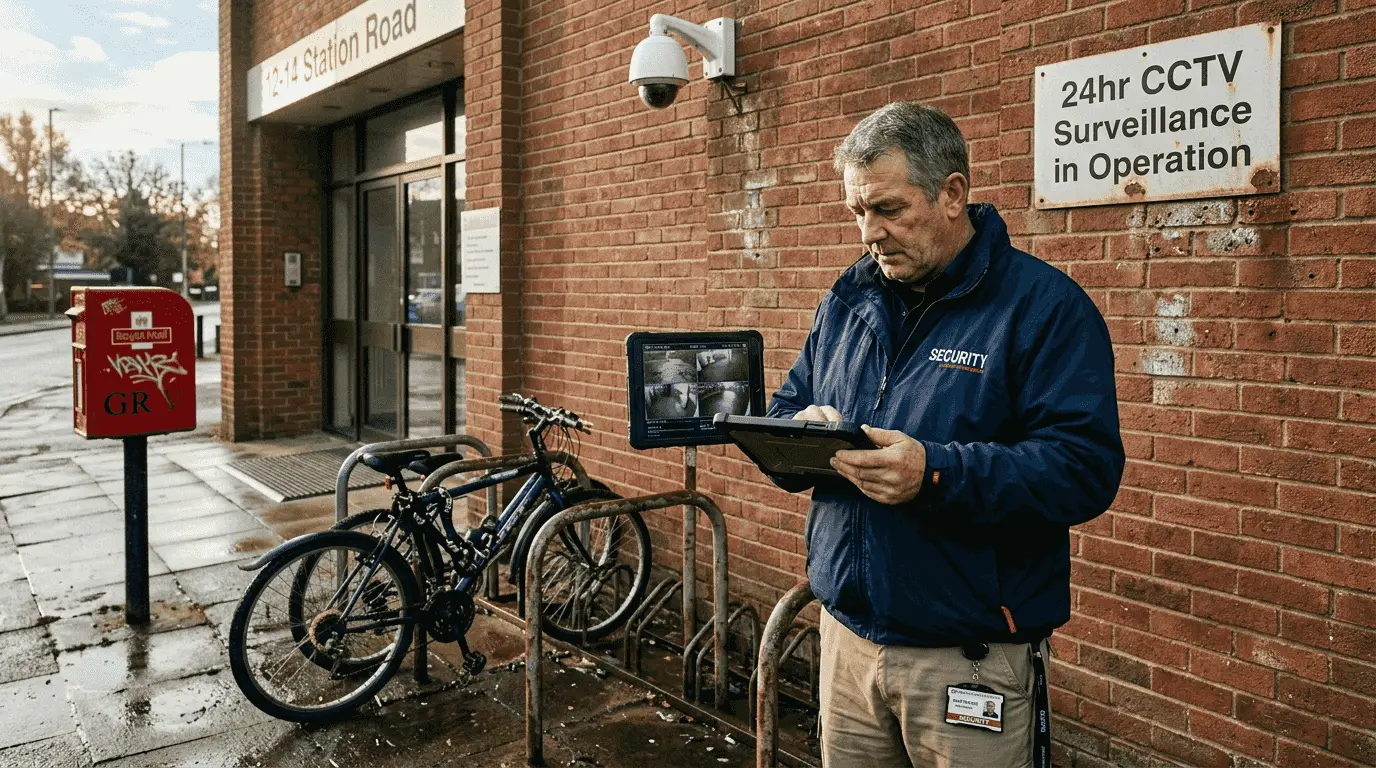
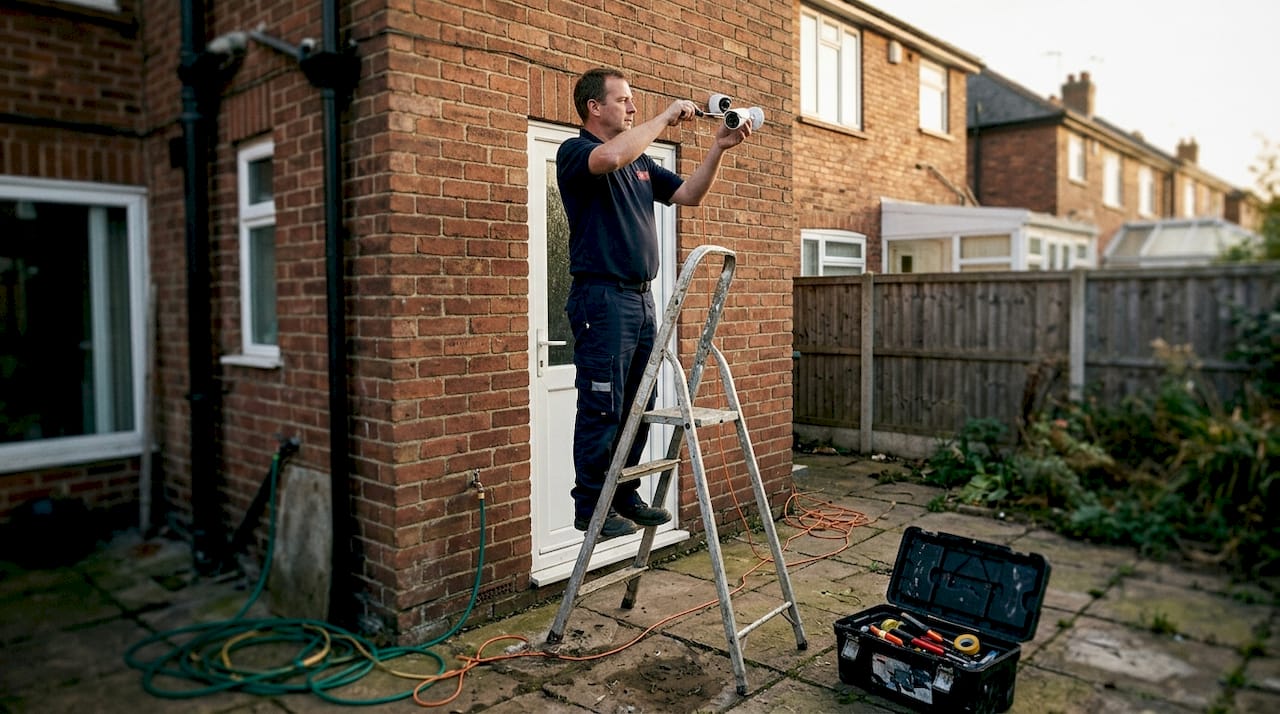
CCTV cameras monitor and record activity around your property continuously or when motion triggers detection. Modern systems offer high-definition footage, night vision capabilities, and remote viewing through smartphone apps. CCTV reduces property crime by 13-26%, with strongest effects against burglary and vehicle theft. Visible cameras deter criminals who prefer unmonitored targets, whilst recorded footage aids police investigations and insurance claims.
Burglar alarm systems detect unauthorised entry through sensors on doors, windows, and interior spaces. When triggered, they emit loud sirens and send alerts to your phone or a monitoring centre. Response times improve dramatically because authorities receive immediate notification rather than relying on neighbour reports. Many insurers offer premium discounts for professionally installed, monitored alarm systems.
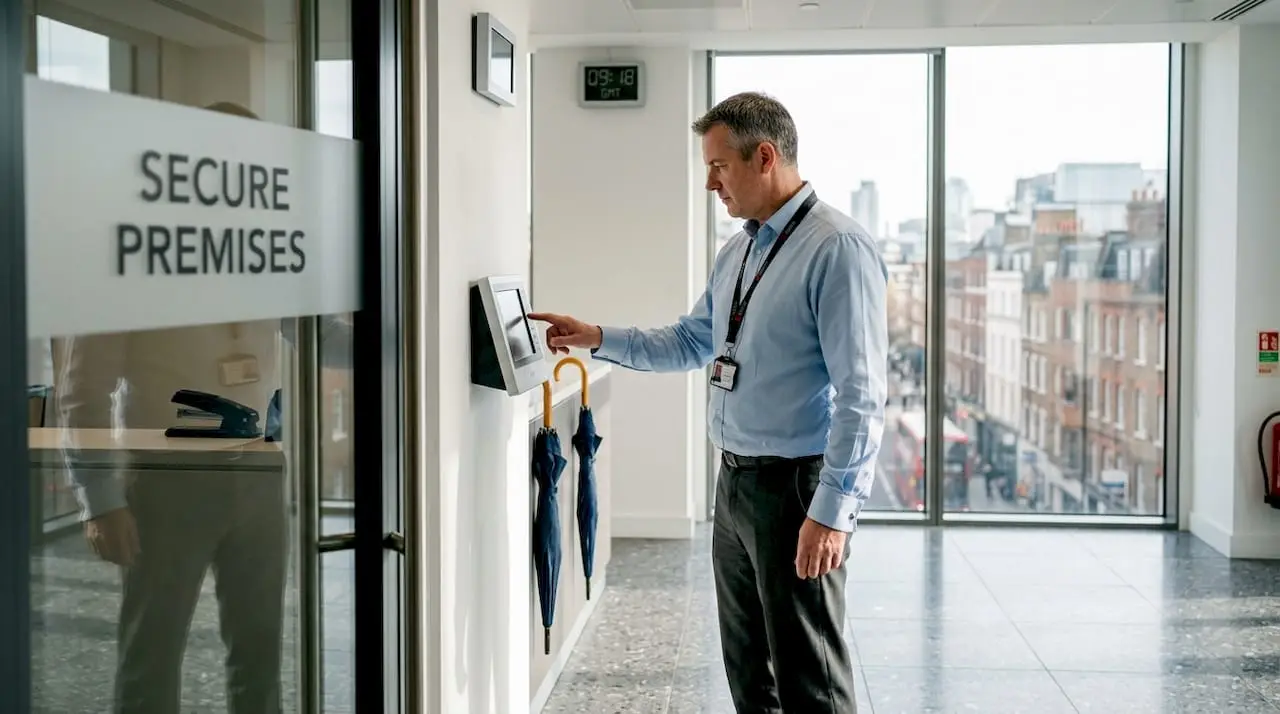
Door entry and access control systems manage who enters your property through intercoms, keypads, card readers, or smartphone controls. They’re particularly valuable for properties with multiple occupants, rental units, or service provider access needs. Remote unlocking capabilities let you grant entry without being physically present, whilst access logs track every entry and exit.
Effective home CCTV systems typically include:
- Multiple cameras covering all entry points and vulnerable areas
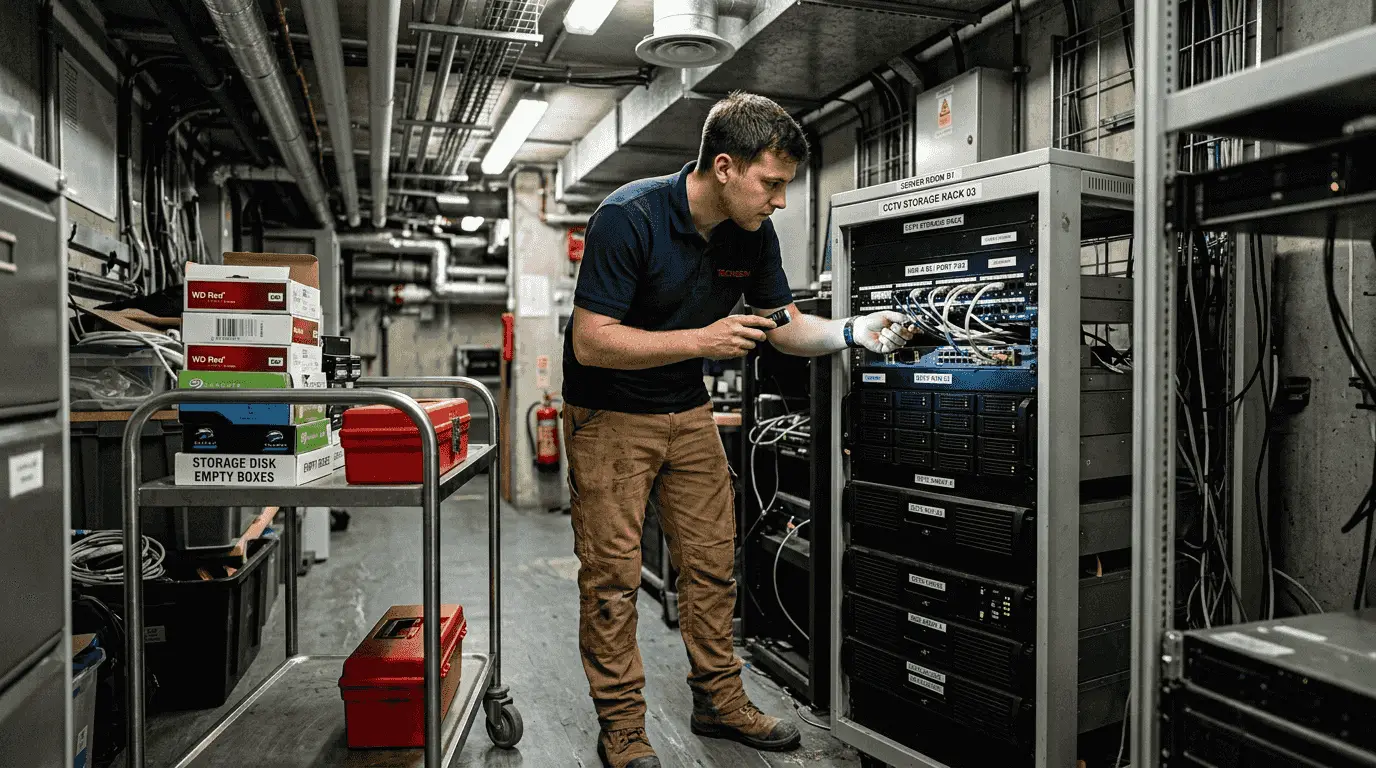
- Digital video recorder or cloud storage for footage retention
- Remote viewing capability through dedicated apps
- Night vision and weatherproof housings for outdoor installation
- Motion detection to reduce unnecessary recording and storage costs
Quality burglar alarm options range from basic self-monitored systems to professionally monitored solutions with police response protocols. Choose systems offering wireless sensors for easier installation, backup batteries for power cut protection, and smartphone integration for remote control.
Modern door entry systems integrate video intercoms, letting you see and speak with visitors before granting access. Smart versions connect to your home network, enabling remote operation and integration with other security devices.
Pro Tip: Prioritise systems offering integration capabilities. A CCTV system that triggers your alarm when detecting motion, or an access control system that activates cameras when someone approaches, provides superior protection compared to standalone devices operating independently.
Comparing security solutions: benefits, costs and suitability
Each security technology offers distinct advantages depending on your property characteristics, budget constraints, and security priorities. This comparison clarifies which solutions suit different circumstances.
| Solution | Typical cost | Primary benefits | Best suited for |
|---|---|---|---|
| CCTV systems | £800-£2,500 | Visual deterrent, evidence collection, remote monitoring | Properties with outdoor space, vehicle parking, or previous crime history |
| Burglar alarms | £400-£1,200 | Immediate alerts, loud deterrent, insurance discounts | All property types, especially those empty during working hours |
| Access control | £300-£1,500 | Entry management, visitor logs, remote access | Multi-occupancy properties, rental units, or homes requiring service access |
| Combined systems | £1,500-£4,000 | Layered protection, integrated response, maximum deterrence | High-value properties or areas with elevated crime rates |
Installation complexity varies significantly. CCTV requires careful camera positioning, cable routing, and recorder configuration. Professional installation ensures optimal coverage and weatherproof connections. Alarm systems need sensor placement at every potential entry point plus control panel programming. Access control systems require electronic lock fitting and network configuration.
Maintenance requirements differ too. CCTV cameras need periodic cleaning, especially outdoor units exposed to weather and spider webs that trigger false motion alerts. Check recording equipment regularly to ensure footage saves properly. Alarm systems require annual professional servicing to test sensors, replace batteries, and verify monitoring connections. Access control systems need software updates and occasional hardware replacements.
Layered security approaches deliver the best results in crime reduction. A burglar might avoid a property with visible CCTV, but if they proceed regardless, your alarm system provides immediate alert capability. Similarly, access control prevents unauthorised entry whilst CCTV records anyone attempting to bypass it.
Detached houses benefit most from comprehensive CCTV coverage due to multiple vulnerable sides and outdoor spaces. Terraced properties often prioritise front and rear camera coverage with alarm systems protecting side access. Flats typically focus on door entry systems and internal alarms since external camera installation may require building management approval.
Budget-conscious homeowners should prioritise alarm systems first, as they provide excellent deterrent value and immediate response capability at lower cost than comprehensive CCTV installations. Add cameras to high-risk areas like driveways and rear gardens as budget permits.
Pro Tip: Following a CCTV installation guide ensures proper setup, whilst understanding benefits of burglar alarms helps justify the investment through insurance savings and peace of mind.
Making the right decision for your property security
Your final security system choice should reflect your property’s unique characteristics, local crime profile, and personal circumstances. Start by matching solutions to your specific vulnerabilities rather than purchasing generic packages.
Property size directly impacts costs and complexity. Larger homes require more cameras for complete coverage and additional alarm sensors for every entry point. A three-bedroom semi-detached house might need four to six cameras, whilst a five-bedroom detached property could require eight to twelve for comprehensive monitoring. Scale your budget accordingly.
Visibility from neighbouring properties and streets influences which technologies provide best value. Properties overlooked by neighbours might prioritise alarms over extensive CCTV since natural surveillance already exists. Isolated properties benefit more from visible cameras that deter criminals before they approach.
Neighbourhood crime levels should drive investment proportionality. Areas experiencing frequent vehicle theft warrant driveway cameras and motion-activated lighting. Postcodes with burglary spikes need comprehensive alarm coverage and visible deterrents. Research local crime maps before finalising your security plan.
Budget realistically by including these often-overlooked costs:
- Professional installation fees ranging from £200 to £800 depending on system complexity
- Monthly monitoring charges for alarm systems, typically £15 to £40
- Cloud storage subscriptions for CCTV footage, usually £5 to £15 monthly
- Annual maintenance contracts ensuring systems remain functional
- Replacement equipment costs after five to ten years
Properties with layered security see crime reductions up to 26%, making combined investments worthwhile for high-risk locations. Balance deterrence through visible cameras, detection via alarm sensors, and access control through smart entry systems.
Ensure compatibility between chosen systems. Modern equipment often integrates through smartphone apps, letting you monitor cameras and control alarms from single interfaces. Avoid mixing incompatible technologies that require multiple apps and separate monitoring.
“The most effective residential security combines visible deterrents that discourage criminals, reliable detection systems that alert immediately when breaches occur, and robust evidence collection that supports police investigations and insurance claims.”
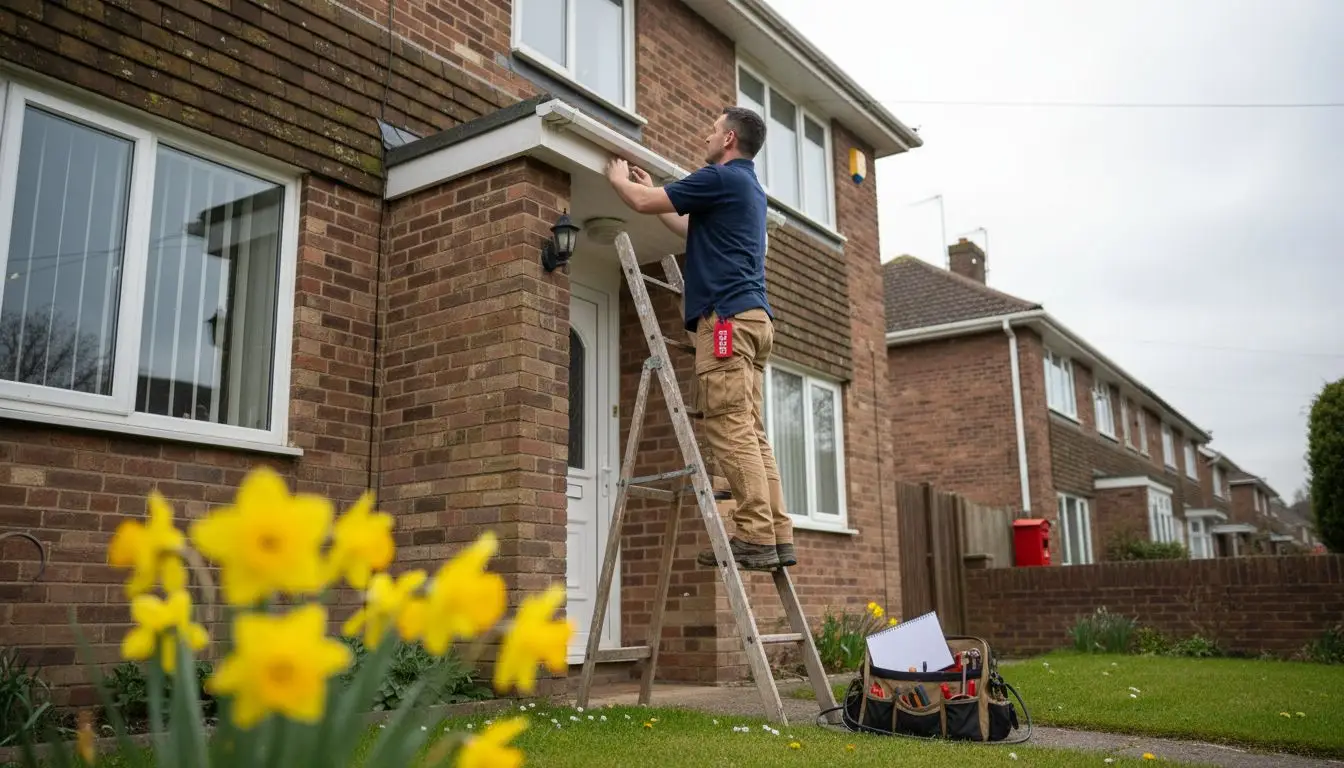
Consult security professionals for custom plans matching your exact requirements. They conduct site surveys, recommend proportionate solutions, and handle installation complexities you might struggle with. Professional fitting ensures cameras cover optimal angles, alarm sensors trigger reliably, and access controls integrate smoothly.
Explore CCTV leasing options if upfront costs seem prohibitive. Leasing spreads expenses over manageable monthly payments whilst including maintenance and upgrades. Review CCTV troubleshooting guide resources to understand common issues and solutions before problems arise.
Explore professional CCTV and alarm solutions in Essex and London
Ready to enhance your property’s security with proven technology? 247 CCTV specialises in residential security installations across Essex and London, offering tailored solutions that match your specific needs and budget.

Our CCTV leasing in Essex makes advanced security accessible through affordable monthly payments that include professional installation, ongoing maintenance, and system upgrades. Whether you need basic monitoring or comprehensive coverage, flexible leasing removes financial barriers to proper protection.
Experienced CCTV installation services ensure your cameras capture optimal footage from angles that actually matter. We assess your property’s vulnerabilities, recommend appropriate equipment, and handle all technical aspects from cable routing to network configuration.
Our burglar alarm installers fit SSAIB-approved systems meeting insurance requirements whilst providing reliable intrusion detection. Contact us for personalised consultations that identify your security priorities and deliver proportionate solutions.
How effective are CCTV systems in preventing burglary and vehicle crime?
CCTV systems reduce burglary and vehicle crime by 13 to 26 percent when implemented as part of layered security approaches. The deterrent effect works strongest when cameras are clearly visible to potential criminals. Recorded footage significantly improves police investigation success rates and insurance claim processing.
What are the top benefits of installing burglar alarm systems at home?
Burglar alarms provide immediate alerts to homeowners and monitoring centres when intrusions occur, dramatically reducing response times compared to relying on neighbour reports. They deter criminals through loud sirens and often qualify homeowners for insurance premium discounts. Understanding benefits of burglar alarms helps justify the investment through both security improvements and financial savings.
How do door entry and access control systems enhance residential security?
Door entry and access control systems restrict and monitor who accesses your property, preventing unauthorised entry through verification requirements before granting access. Access logs track every entry and exit, whilst remote control features let you manage access from anywhere. Modern door entry systems integrate video intercoms for visual verification before unlocking doors.
Should I install security systems myself or hire professionals?
Professional installation ensures optimal camera positioning, reliable sensor placement, and proper system configuration that DIY approaches often miss. Experts understand legal requirements around camera angles, data protection compliance, and insurance policy stipulations. Professional fitting typically includes warranties, ongoing support, and maintenance agreements that protect your investment long term.
How much should I budget for comprehensive home security in Essex or London?
Comprehensive security combining CCTV, alarms, and access control typically costs between £1,500 and £4,000 for initial installation depending on property size and system sophistication. Factor in monthly monitoring fees of £15 to £40, potential cloud storage costs, and annual maintenance contracts. Leasing options spread costs into manageable monthly payments whilst including installation and upkeep.