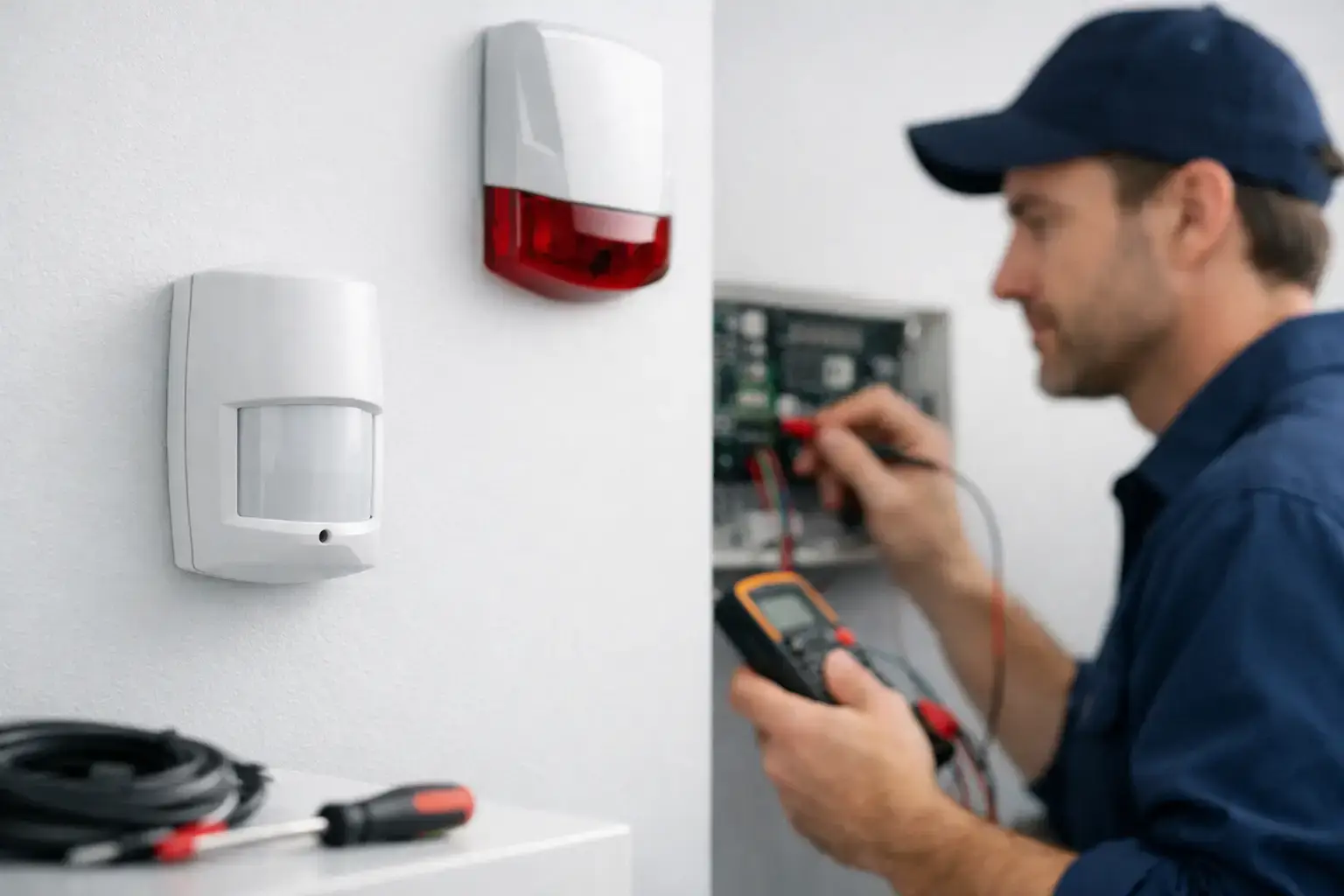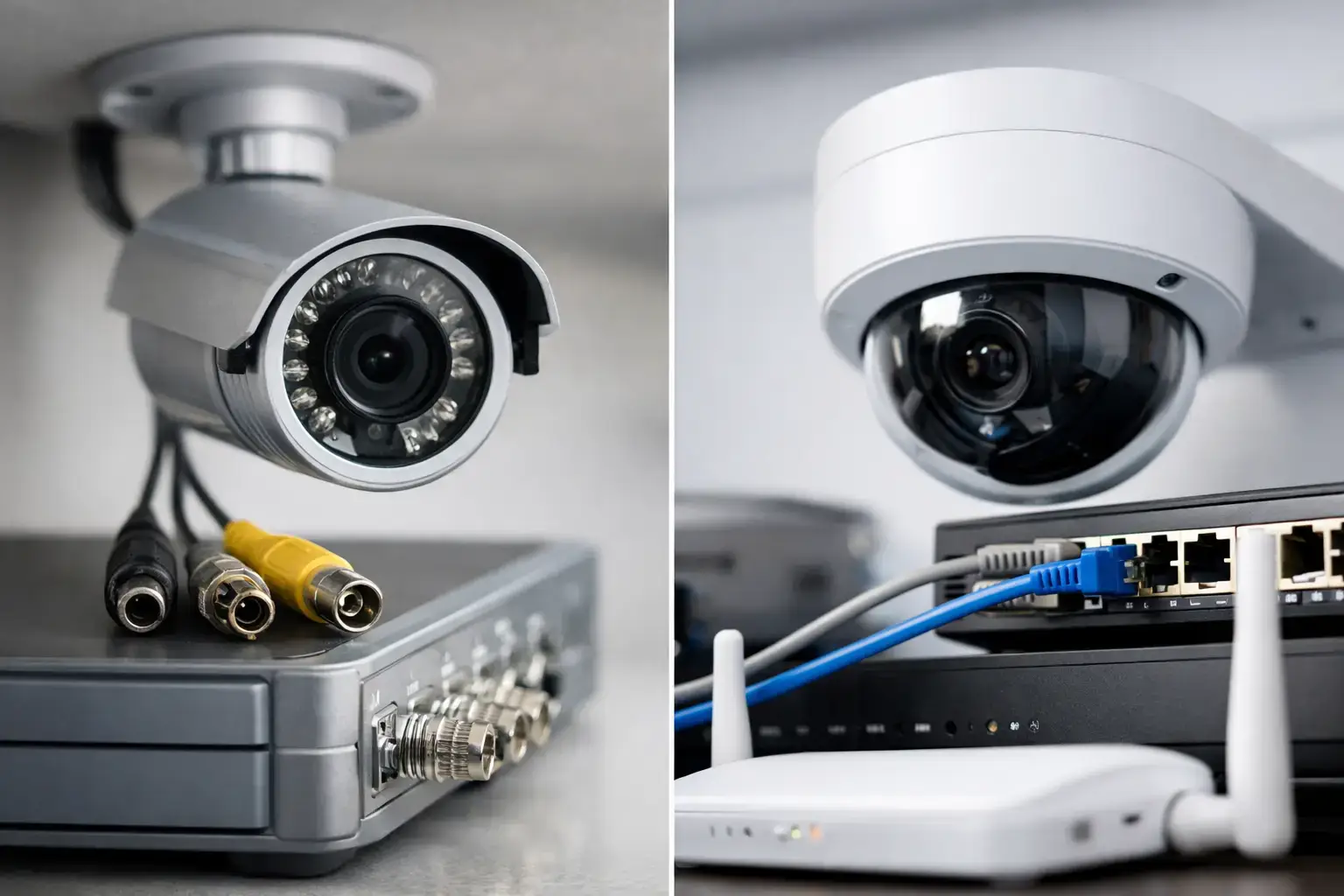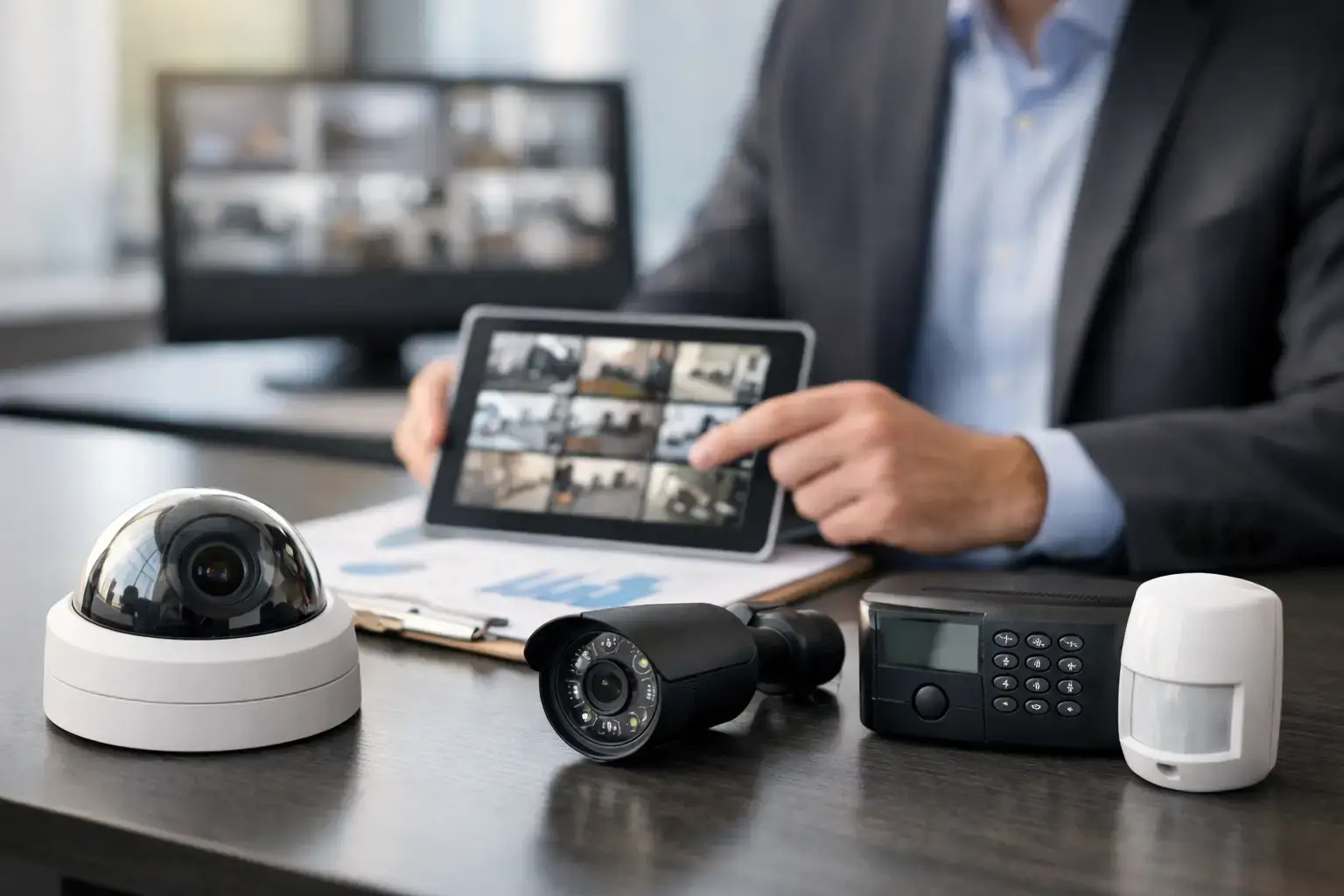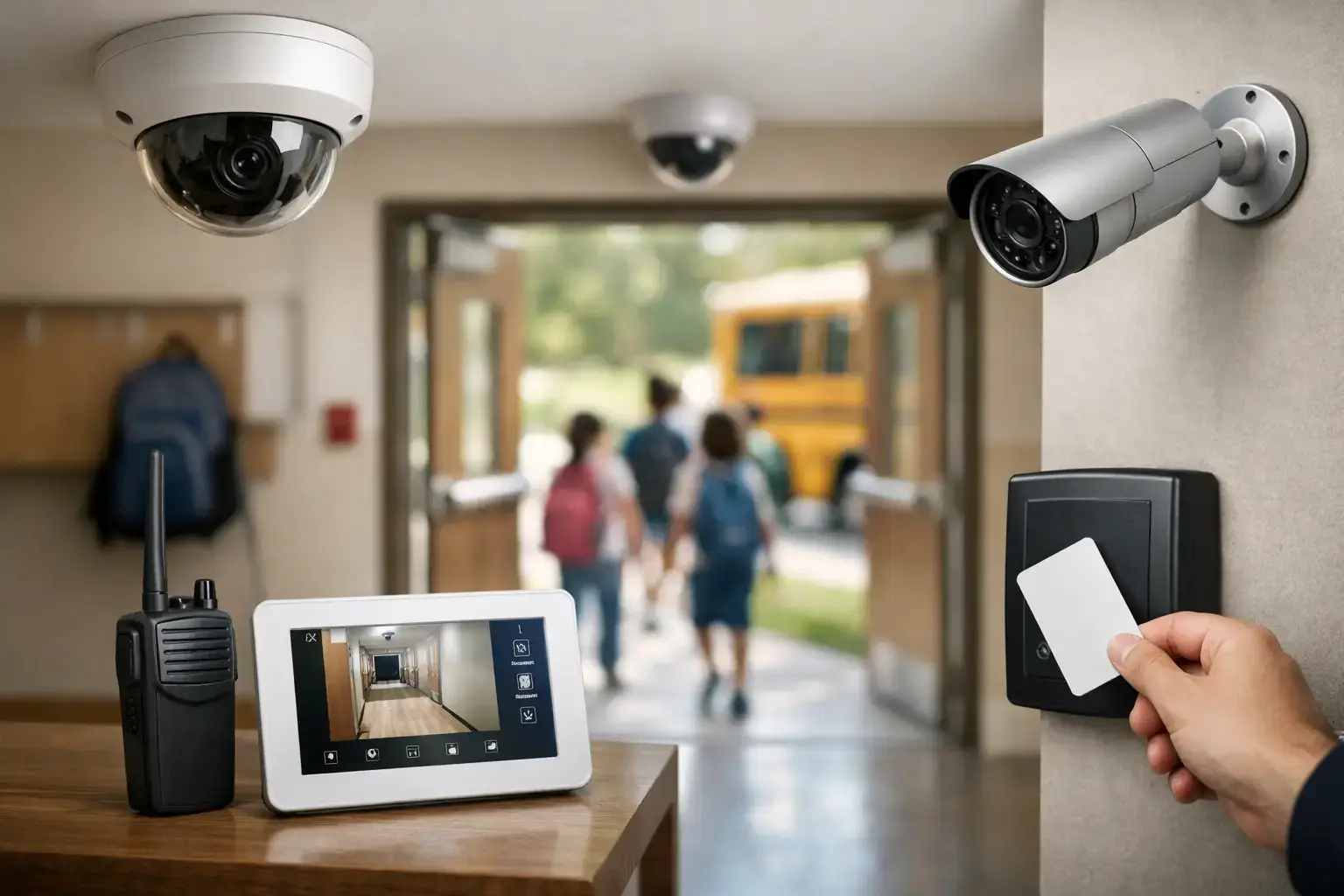

If you have ever had a camera trigger an alert because of rain, headlights or a fox crossing a yard at 2am, you already know the weakness of basic motion detection. Davantis analytic CCTV is designed to solve exactly that problem. Rather than simply reacting to movement, it applies video analytics to identify behaviour and movement patterns that are more likely to represent a genuine security event.
For businesses, sites and larger residential properties, that difference matters. A system that creates constant false alarms quickly gets ignored. A system that can help operators focus on real activity is far more useful, especially where there are perimeter risks, remote areas or limited on-site staffing.
What davantis analytic CCTV actually does
Davantis is known for analytic video technology that works alongside CCTV to improve detection. In practical terms, it helps security teams spot intrusions, perimeter breaches and suspicious movement more accurately than standard camera-based motion alerts.
Traditional CCTV records what happens and, in some cases, sends an alert when pixels change within an image. That can be enough for simple monitoring, but it often struggles outdoors. Trees move, shadows shift, weather changes, and insects pass close to the lens. Basic motion detection treats much of that as an event.
Davantis analytic CCTV goes further by assessing what is moving, how it is moving and whether that activity matches the rules set for the site. Those rules might include a person crossing a fence line, a vehicle entering a restricted lane after hours, or movement within a sterile zone where no activity should occur overnight.
The result is a system better suited to prevention, not just evidence gathering after the fact.
Why analytics matter more on real sites than on spec sheets
On paper, almost every modern CCTV system sounds capable. In the field, the real test is whether it works reliably on a wet winter night, across a large yard, or on a site with poor ambient lighting and frequent environmental movement.
That is where analytics earn their place. For industrial estates, schools, compounds, transport depots, retail service yards and construction sites, security teams need alerts they can trust. If the monitoring station or keyholder receives repeated nuisance activations, confidence drops. Once that happens, response standards usually drop with it.
A well-designed analytic CCTV system can reduce that problem significantly. It does not remove the need for proper system design – camera choice, angle, lighting, network stability and detector zones still matter – but it gives the overall setup a much better chance of producing useful alerts rather than noise.
This is also why installation quality matters. Analytics are not a magic setting you switch on and forget. They need to be configured around the site layout, the likely approach routes, the operating hours and the acceptable movement within each area.
Where davantis analytic CCTV fits best
Davantis analytic CCTV tends to be most valuable where perimeter protection is a priority. If you are simply looking to record the front door of a small office, it may be more than you need. If you are trying to detect someone entering a rear compound before they reach the building, it becomes much more relevant.
Sites that often benefit include logistics yards, builders’ merchants, schools, car parks, warehouses, farms, business parks and construction projects. These environments usually have one thing in common – open external space that is difficult to protect with conventional cameras alone.
It can also suit higher-end residential properties, gated developments and rural homes where early warning is more useful than just recording a person once they are already at the property. In these cases, the objective is not only to see what happened, but to identify a threat early enough to act.
Davantis analytic CCTV and false alarm reduction
One of the strongest reasons to invest in analytics is false alarm reduction. That sounds like a technical benefit, but it has a direct operational impact.
False alarms waste time, interrupt staff, frustrate monitoring teams and can undermine confidence in the entire security setup. For monitored sites, repeated false activations can become a serious issue, particularly where out-of-hours response is involved.
Davantis analytics are designed to distinguish between irrelevant scene activity and genuine intrusion patterns more effectively than standard motion-based systems. That does not mean zero false alarms in every condition – no outdoor detection technology can promise that honestly – but it does mean a more controlled and intelligent response when the system is properly specified.
This is especially useful on sites exposed to wind, wildlife, moving foliage, reflections or changing weather. In those environments, the difference between ordinary motion sensing and tailored analytics can be considerable.
The importance of survey, design and calibration
The success of any analytic system starts before the first camera is mounted. Site survey and system design are critical. You need to know where the vulnerable boundaries are, what level of detail is required, what lighting conditions exist, and where environmental challenges may affect performance.
Camera position has a direct effect on how well analytics perform. Too high, too low or facing the wrong angle, and the software may not interpret movement as intended. The same applies to lens selection, image quality and scene depth. Good analytics rely on good video.
Calibration is equally important. Detection zones should reflect how the site is actually used. A service yard that is active until 10pm needs different rules from a fenced compound that should remain empty all night. A school perimeter during term time has different behavioural patterns from the same site during holidays.
That is why professionally installed systems usually perform better than off-the-shelf setups. The technology is only one part of the result. Correct commissioning, testing and adjustment are what make it dependable.
Integration with wider security measures
Davantis analytic CCTV works best when it is part of a wider security strategy. Cameras alone rarely carry the full burden of site protection. For many properties, analytics are most effective when combined with monitored CCTV, intruder alarms, access control, audio challenge, lighting control or remote response procedures.
For example, if analytics detect a perimeter breach, that event can trigger a live review by an operator, an alert to keyholders, recording bookmarks, or additional deterrent measures. On some sites, this layered approach can reduce losses and improve response times more effectively than adding more cameras with no intelligence behind them.
For commercial clients, this matters because security decisions are not made in isolation. Insurer expectations, operational risk, staffing levels and site usage all influence the right solution. A camera system should support those realities rather than look impressive on a specification sheet.
Is it right for every property?
Not always. That is worth saying plainly.
If your main goal is straightforward evidential recording for a small internal area, standard IP CCTV may be perfectly suitable. If your site has minimal out-of-hours risk and no meaningful perimeter exposure, advanced analytics may add cost without adding enough practical value.
Where davantis analytic CCTV comes into its own is in higher-risk external environments where early detection, reduced false alarms and meaningful response are important. In those situations, the extra intelligence often justifies the investment.
It also depends on how the site will be managed. Analytics are strongest where there is a response plan in place, whether that means on-site security, mobile patrols, a keyholder procedure or remote monitoring. Detection is only useful if someone can act on it.
Choosing an installer for analytic CCTV
When comparing providers, it is worth looking beyond product names. Ask how the system will be surveyed, how detection rules will be set, how nuisance activations will be managed, and what support is available after installation.
A competent installer should be able to explain where analytics will work well, where they may be limited, and how the system will be tested in live conditions. They should also understand compliance, insurer expectations and long-term maintenance, particularly for commercial premises.
For customers across Essex, London and the South East, this is where an experienced specialist such as 247 CCTV can add real value – not simply by supplying cameras, but by designing a system around the risks of the site and supporting it over time.
The best security systems are not the ones with the longest feature list. They are the ones that detect the right event, at the right time, for the right reason – and help you respond before a minor risk becomes a major loss.