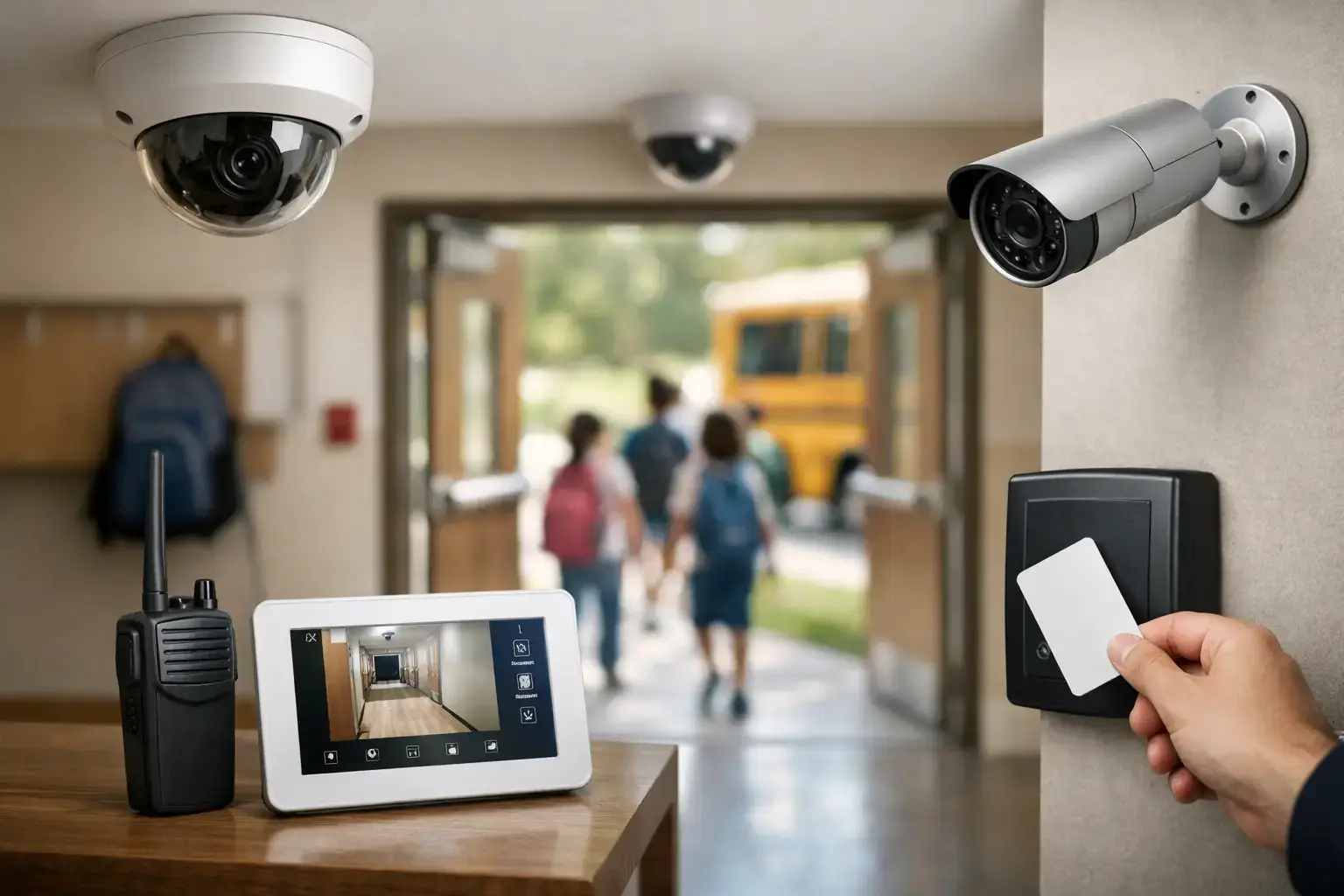
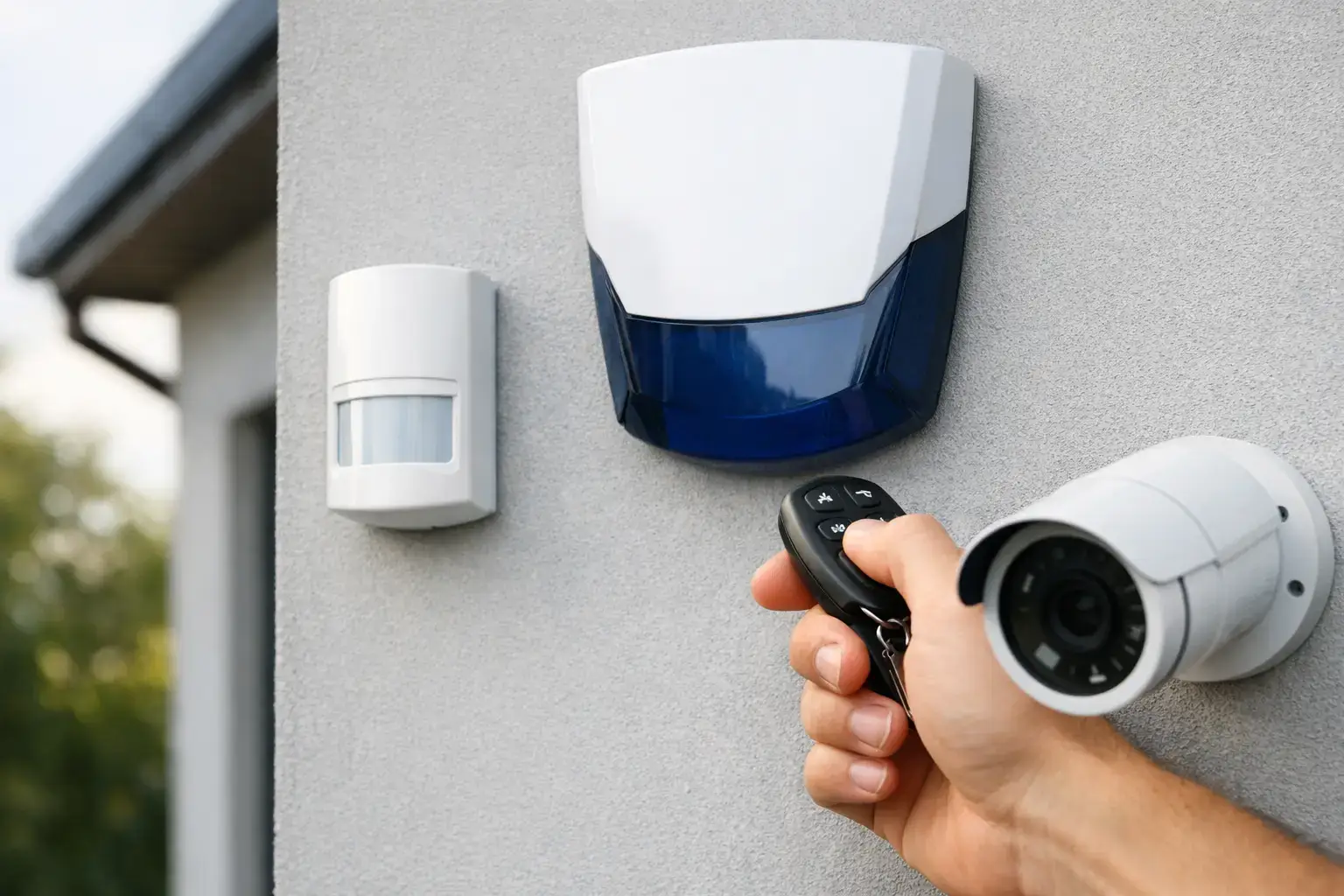
When an insurer asks for an alarm system, they are rarely talking about a bell box from a DIY shop. In most cases, they mean insurer approved alarm systems that have been professionally specified, correctly installed and supported by the right certification. That distinction matters, because the wrong system can leave a property under-protected and a policy condition unmet.
For homeowners, landlords and business owners, the phrase can sound more complicated than it needs to be. The basic point is simple. Your insurer wants evidence that the alarm is suitable for the level of risk at the property and that it has been fitted to recognised standards. If a break-in happens, or if you are arranging cover for a high-risk site, those details can make a real difference.
What are insurer approved alarm systems?
Insurer approved alarm systems are intruder alarm systems designed and installed to standards that insurers recognise. In practice, that usually means a professionally installed system from an accredited company, with grading, equipment selection and signalling arranged to match the premises and the insurer’s requirements.
Approval is not just about the control panel or the app on your phone. It covers the full system – detectors, sounders, communication path, tamper protection, user access and ongoing maintenance. It also covers how the system is documented. Many insurers want confirmation that installation has been carried out by an SSAIB or NSI approved provider and that the system meets the relevant British and European standards.
That is why two alarm systems can look similar on the surface but be treated very differently by an insurer. One may be acceptable for policy terms and police response. The other may simply be a useful domestic deterrent with no formal standing.
Why insurers care about alarm standards
Insurers are assessing risk, not shopping for gadgets. They want to know whether an alarm system is likely to deter intrusion, detect it quickly and reduce loss if an incident occurs. A professionally designed system gives them more confidence than an off-the-shelf kit because it should be matched to the building, the occupancy and the threat level.
For a small house, the requirement may be straightforward. For a retail unit, school, office, warehouse or construction site, it is often more specific. High-value stock, isolated locations, repeated incidents, out-of-hours access and vulnerable entry points all affect what level of protection is needed.
False alarms matter as well. A poorly planned system that triggers repeatedly can create operational problems, frustrate users and undermine confidence in the security setup. Insurers and monitoring centres prefer systems that are stable, properly commissioned and maintained over time.
The standards and accreditations behind insurer approved alarm systems
If you are comparing suppliers, this is the area worth paying attention to. In the UK, insurers commonly look for systems installed to recognised standards such as BS EN 50131 for intruder and hold-up alarm systems. They may also require a particular grade.
Alarm grades broadly reflect the expected level of risk. Grade 2 is common for many homes and lower-risk commercial premises. Grade 3 is more likely in higher-risk business environments, where intruders may have better knowledge or equipment. The right grade depends on the site, not on what is easiest to install.
Installer accreditation matters too. An SSAIB approved installer has been assessed against recognised industry standards, including competence and quality procedures. That gives both the client and the insurer greater confidence that the work has been properly designed, fitted and certified.
Where remote monitoring is required, signalling becomes part of the conversation. Dual-path signalling, monitored response and confirmed alarm procedures may be specified depending on the insurer’s terms and the site’s risk profile.
How to know what your insurer actually requires
This is where assumptions cause problems. Some policyholders hear that an alarm is needed and assume any professionally fitted system will do. Others invest in features they do not need because the insurer’s wording was never checked properly.
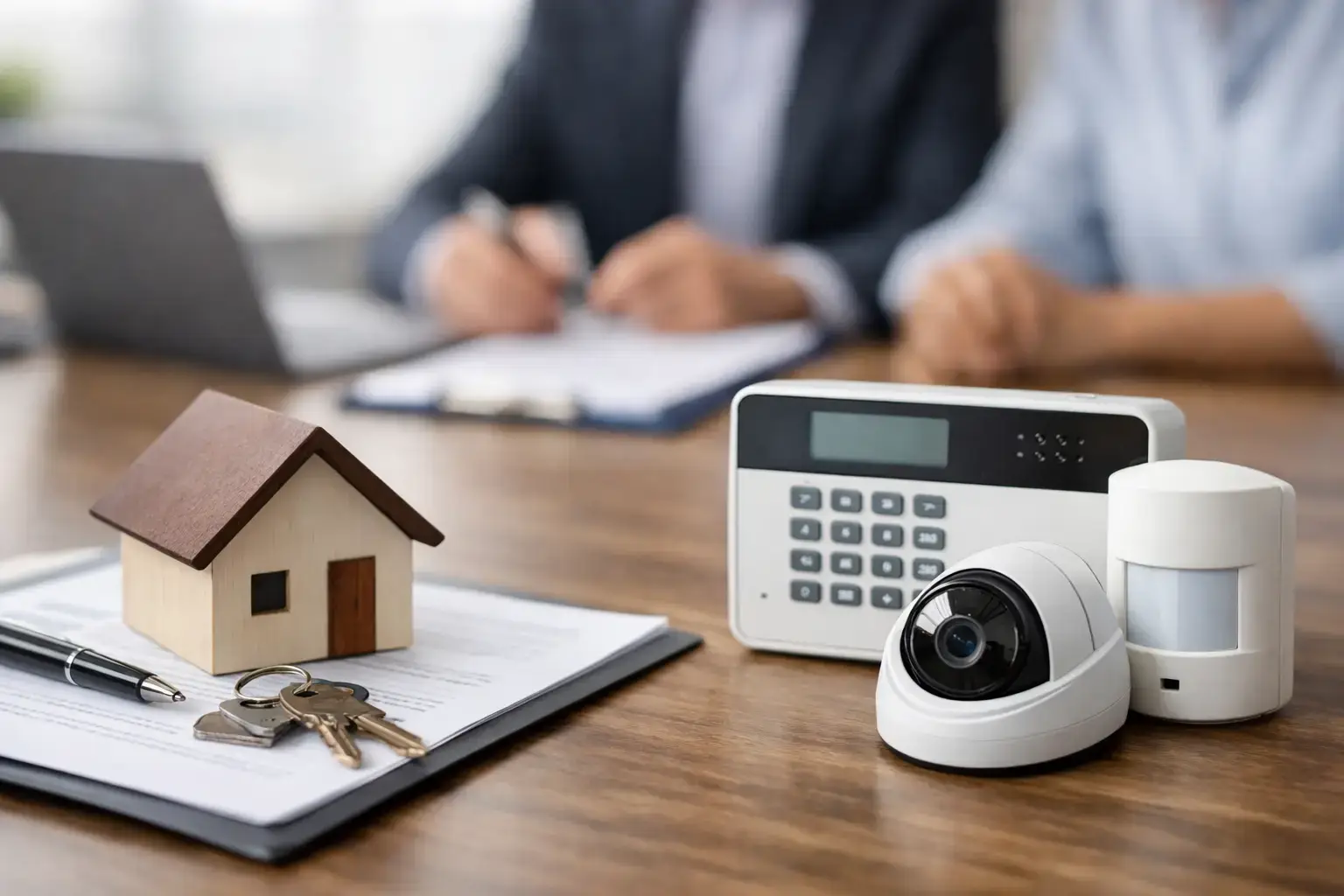
Start with the policy schedule, proposal documents or any security conditions attached to the quotation. Look for references to alarm grade, installer accreditation, monitored signalling, police response or maintenance obligations. If the wording is unclear, ask the insurer or broker to confirm exactly what is required before installation starts.
That conversation can save time and money. A straightforward domestic system may be enough in one case, while another property may need confirmed signalling, keyholder response and annual or biannual servicing written into the policy conditions.
A good installer should help interpret those requirements and design accordingly. That is especially valuable for mixed-use buildings, schools, healthcare premises, retail units and industrial sites where security needs are rarely standard.
Choosing insurer approved alarm systems for homes and businesses
The best system is the one that fits the risk, the building and the day-to-day reality of how the site is used. That sounds obvious, but many alarm problems begin with a generic design.
For residential properties, the priority is often reliable perimeter and internal detection, simple operation and strong protection against false alarms. Homeowners usually want the reassurance of app control and alerts, but convenience should not come at the expense of compliance. If an insurer has asked for a specific standard, that needs to come first.
For commercial premises, the design process is usually more detailed. Access patterns, staff movement, opening hours, vulnerable stock, external buildings and monitored response all need to be considered. A warehouse with roller shutters has very different requirements from a dental practice or a block of flats.
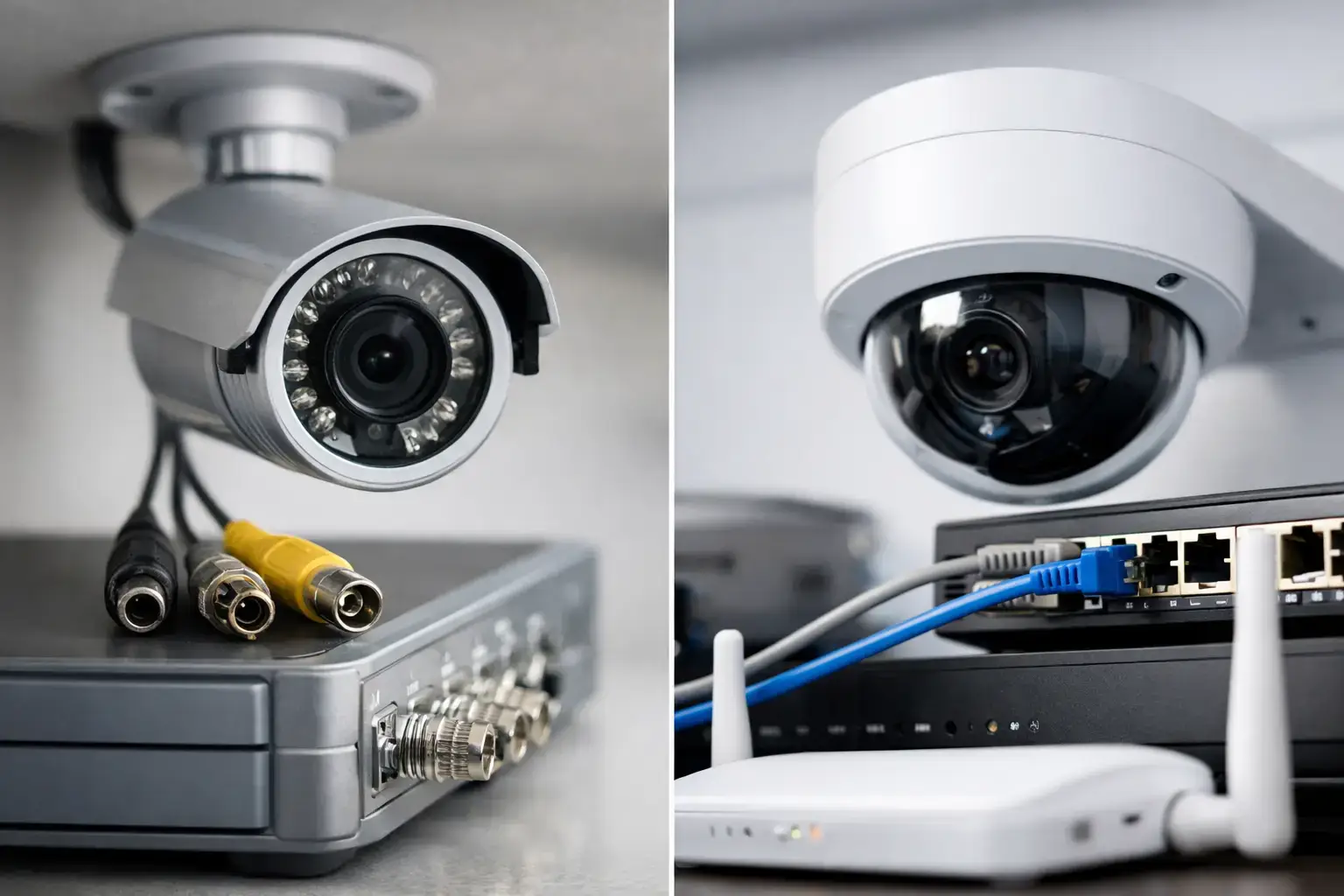
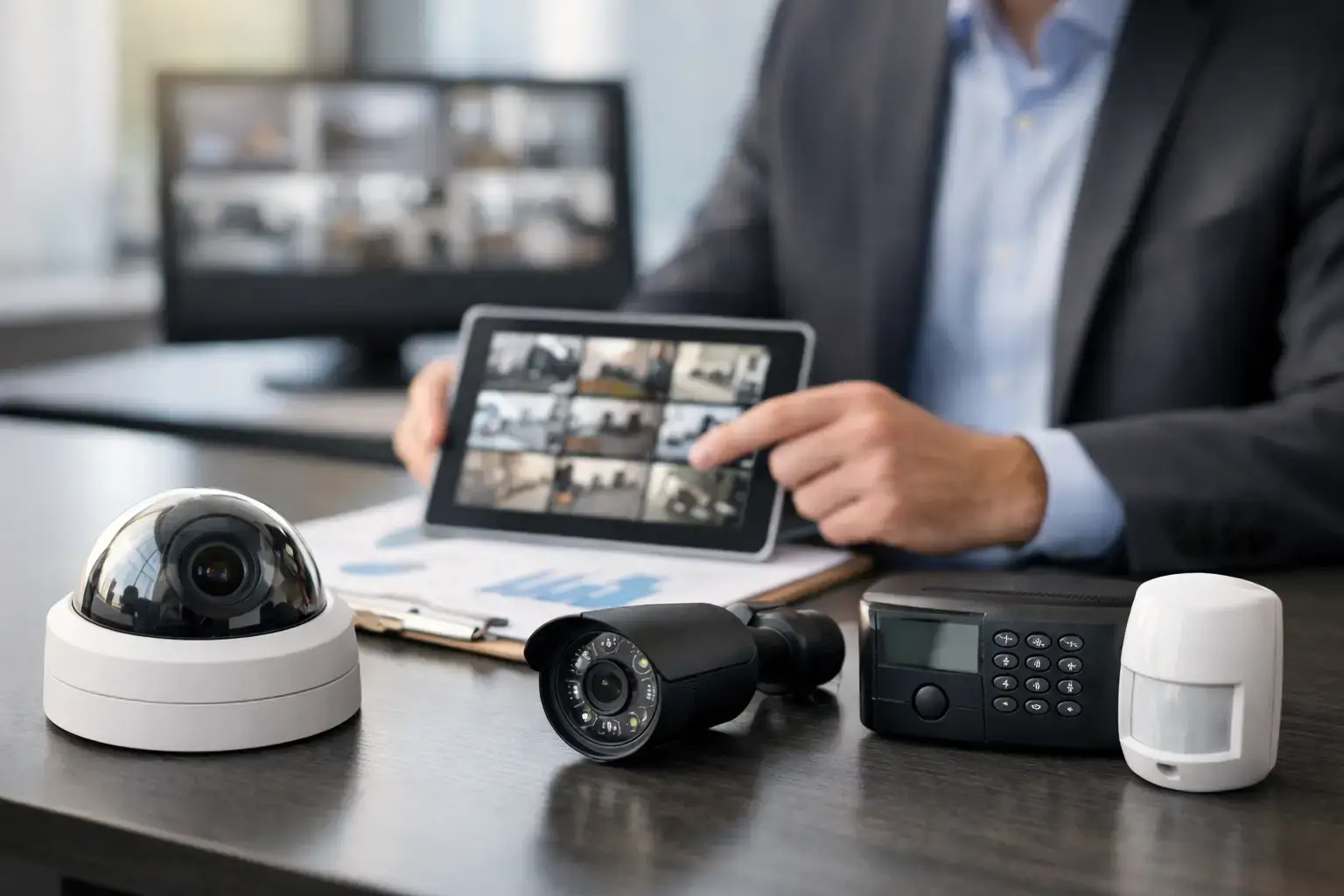
This is also where integrated security can add value. Intruder alarms, CCTV and access control do different jobs, but together they create a clearer picture of what is happening on site. In some environments, that joined-up approach improves response times and supports incident investigation as well.
Common mistakes to avoid
One of the most common mistakes is buying a consumer-grade alarm and assuming it will satisfy the insurer. It may be a useful layer of protection, but unless it has been specified and installed to the required standard by an accredited provider, it may not count as insurer approved.
Another mistake is treating installation as the finish line. Many insurer approved alarm systems need regular maintenance to remain compliant and dependable. Batteries degrade, detectors drift, communication paths need testing and user changes need proper management. A certificate issued on day one is only part of the story.
There is also the issue of under-specifying the system to save money. That can be a false economy. If the insurer requires a certain grade or signalling path and the installed system falls short, the cost of correcting it later is often higher than getting it right at the start.
What to expect from a professional installer
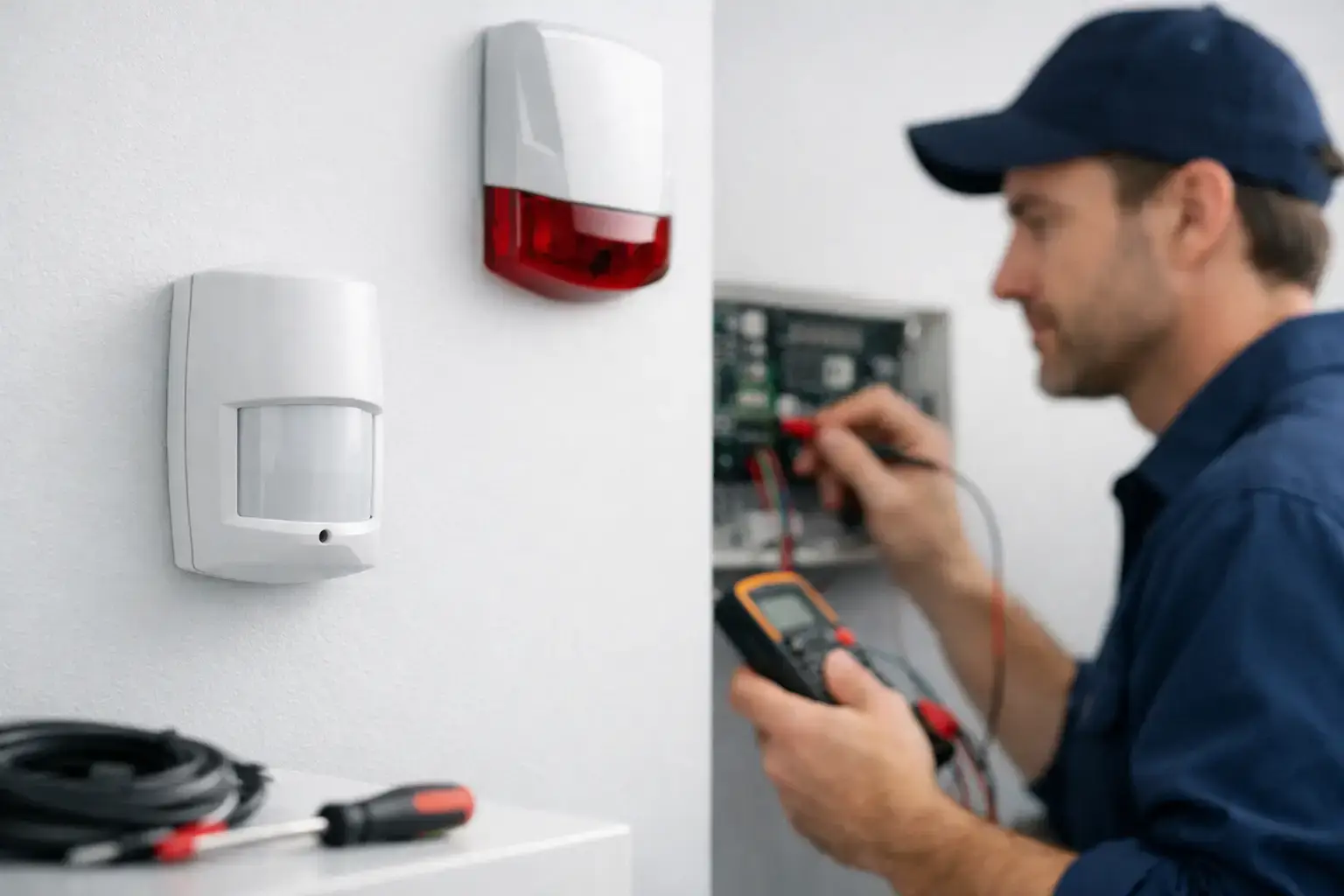
A proper survey should come before any quote is finalised. The installer should assess the layout, identify likely attack routes, review current security measures and ask how the property is occupied. If the insurer has imposed conditions, those should be built into the design from the outset.
You should also expect clear documentation. That includes the system specification, the standard or grade being met, user guidance and certification on completion. If monitoring is part of the package, responsibilities for response, keyholding and signalling should be explained plainly.
Long-term support matters just as much. Security systems are not set-and-forget assets. Businesses and homeowners benefit from knowing there is a maintenance route, fault support and a provider who can adapt the system as risks change. For sites across Essex, London and the South East, working with a specialist such as 247 CCTV can make that process more straightforward because the design, installation and aftercare sit under one roof.
Insurer approved alarm systems are about more than ticking a box
There is a compliance side to this, certainly, but the practical benefit is stronger than that. A well-designed alarm system helps protect people, stock, buildings and continuity. It can reduce the chance of loss, support a faster response and give owners and managers more certainty when the premises are empty.
The right answer is not always the most expensive setup, and it is not always the most feature-heavy one either. It depends on the property, the insurer and the level of risk. What matters is that the system is fit for purpose, recognised by the insurer and backed by professional expertise.
If you are being asked for an alarm as a condition of cover, treat that as a design brief rather than a shopping list. The more precisely the system matches the risk and the policy requirement, the more confidence you can have in it when it is needed most.