
Choosing the right door entry system can feel daunting when security and safety are on your mind. Property managers across Essex and London face growing pressure to balance secure access with strict compliance demands. Modern systems go beyond simple locks, offering features that not only control entry but can also help meet fire safety regulations set by the British government. Discover how the right door entry system can transform access management and contribute to safer, more compliant premises.
Key Takeaways
| Point | Details |
|---|---|
| Understanding Door Entry Systems | These systems enhance security by controlling access and monitoring movement, not just preventing unauthorised access. |
| Technology Choices | Evaluate technologies like Keypad Systems, RFID, and Biometric Scanners based on security needs, user volume, and budget. |
| Installation Considerations | Proper planning and adherence to regulations are crucial for effective installation and compliance with safety standards. |
| Cost Management | Conduct comprehensive cost-benefit analyses to avoid common financial pitfalls in procurement and maintenance of door entry systems. |
Door entry systems: definition and misconceptions
A door entry system is a sophisticated electronic security mechanism designed to control and monitor access to buildings or specific areas within premises. These systems go beyond traditional locks, providing property managers with advanced methods of regulating entry and tracking movement.

Contrary to common misconceptions, door entry systems are not just about preventing unauthorised access. Fire safety regulations highlight their critical role in ensuring resident safety and emergency preparedness.
Key components of modern door entry systems typically include:
- Electronic locks
- Access control keypads
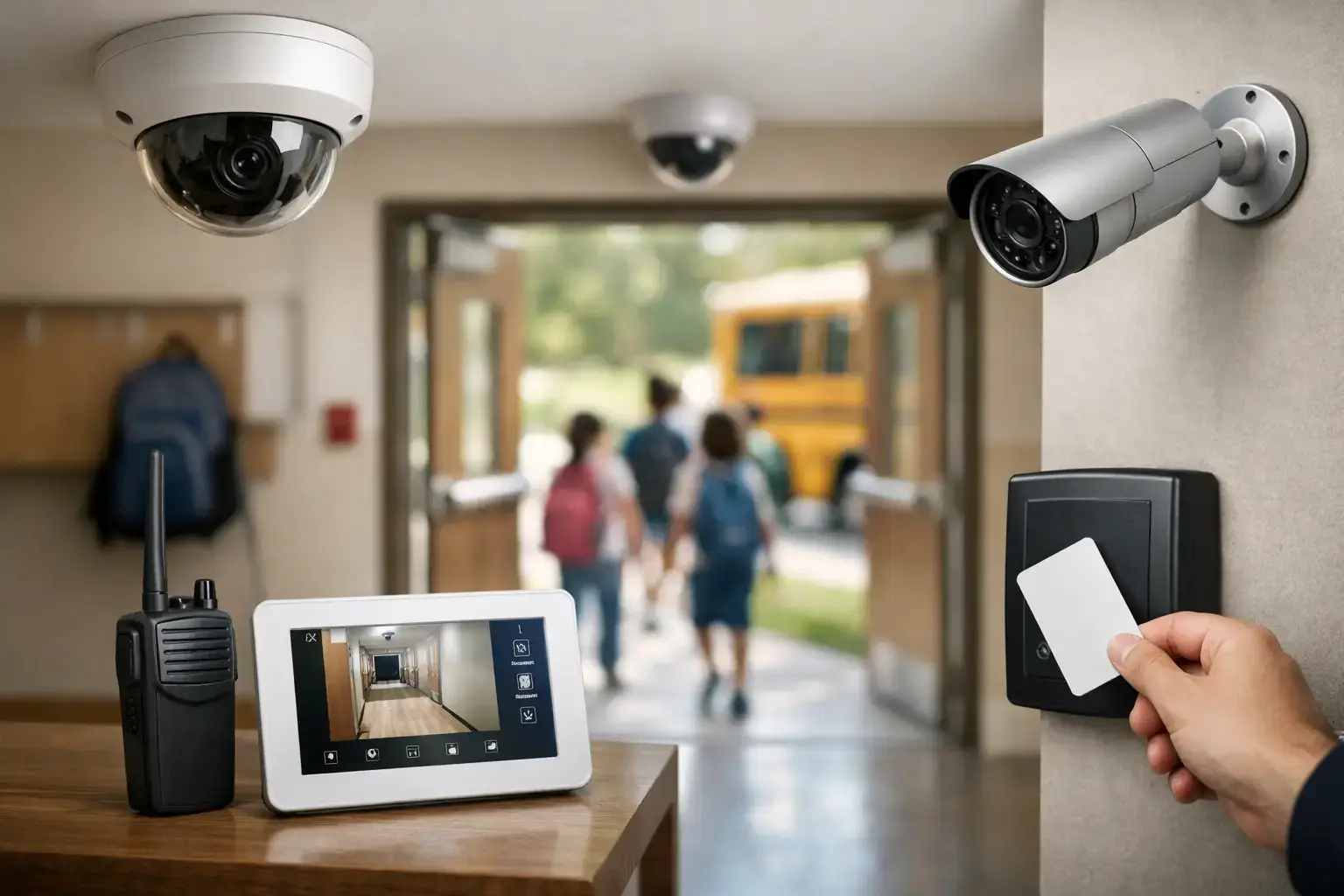
- Proximity card readers
- Biometric scanners
- Video intercoms
- Remote management capabilities
Many facilities managers mistakenly believe these systems are prohibitively expensive or complex. In reality, contemporary door entry solutions are increasingly affordable, modular, and user-friendly. They offer scalable security that can be tailored to specific organisational needs.
Pro Tip: Always conduct a comprehensive security audit before selecting a door entry system to ensure it matches your specific operational requirements.
Comparing door entry system technologies
Modern door entry technologies offer increasingly sophisticated solutions for property security, ranging from basic mechanical systems to advanced digital platforms. Comparative technological analyses reveal significant differences in functionality, reliability, and complexity across various access control mechanisms.
The primary door entry technologies can be categorised into several distinct types:
Keypad Systems
- Numeric code-based entry
- Simple installation
- Low-cost implementation
RFID Technology
- Proximity card access
- Rapid authentication
- Programmable access levels
Biometric Scanners
- Fingerprint recognition
- Facial scanning
- Highly secure authentication
Each technology presents unique advantages and challenges for property managers. Keypad systems offer affordability and ease of use, while biometric solutions provide maximum security through individual identification. RFID technologies represent a middle ground, offering convenient card-based access with moderate security levels.
Here is a comparison of the primary door entry technologies and their typical use cases:
| Technology | Security Level | Ideal Application | User Friendliness |
|---|---|---|---|
| Keypad Systems | Basic | Small offices, homes | Easy to use and manage |
| RFID Technology | Moderate | Flats, offices, campuses | Quick access, simple setup |
| Biometric Scanners | High | High-security premises | Fast but needs enrolment |
The selection of an appropriate door entry system depends on multiple factors including budget, security requirements, user volume, and specific property characteristics. Facilities managers must carefully evaluate these technologies against their unique operational needs.
Pro Tip: Consider conducting a comprehensive security assessment before selecting a door entry technology to ensure optimal compatibility with your specific infrastructure requirements.
Key features and installation processes
Door entry system installation represents a critical security investment that requires meticulous planning and adherence to specific technical standards. Building regulations and safety guidance outline comprehensive requirements for ensuring optimal performance and legal compliance during implementation.
Key installation considerations include:
Electrical Infrastructure
- Appropriate power supply
- Dedicated circuit protection
- Surge protection mechanisms
Mounting and Positioning
- Strategic location selection
- Weatherproof enclosures
- Vandal-resistant mounting
Connectivity Requirements
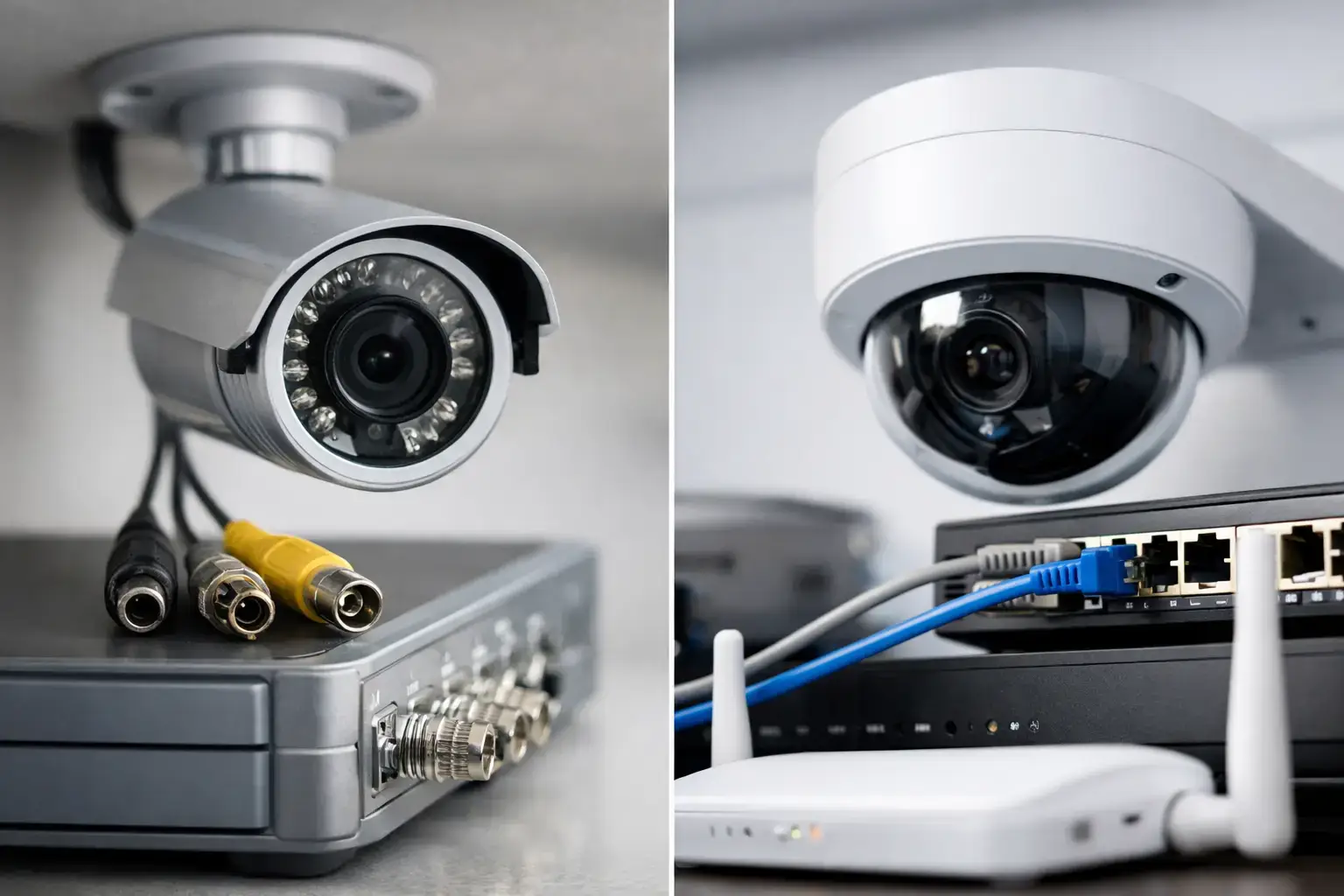
- Network infrastructure
- Compatibility with existing systems
- Secure data transmission protocols
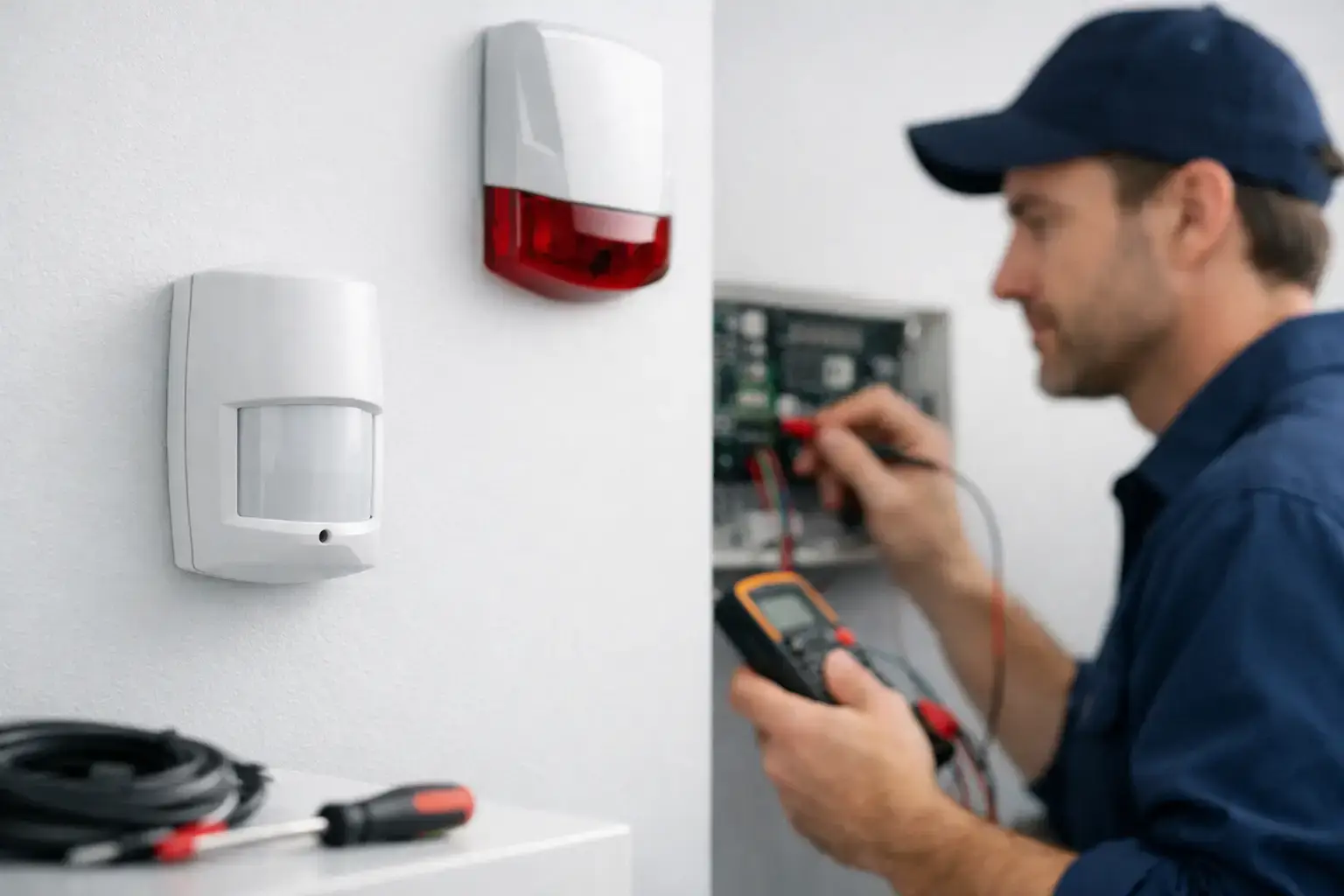
The installation process typically involves several critical stages. Professional technicians must first conduct a comprehensive site survey to assess architectural constraints, electrical capabilities, and specific security requirements. This initial assessment helps determine the most appropriate door entry technology and potential system configurations.
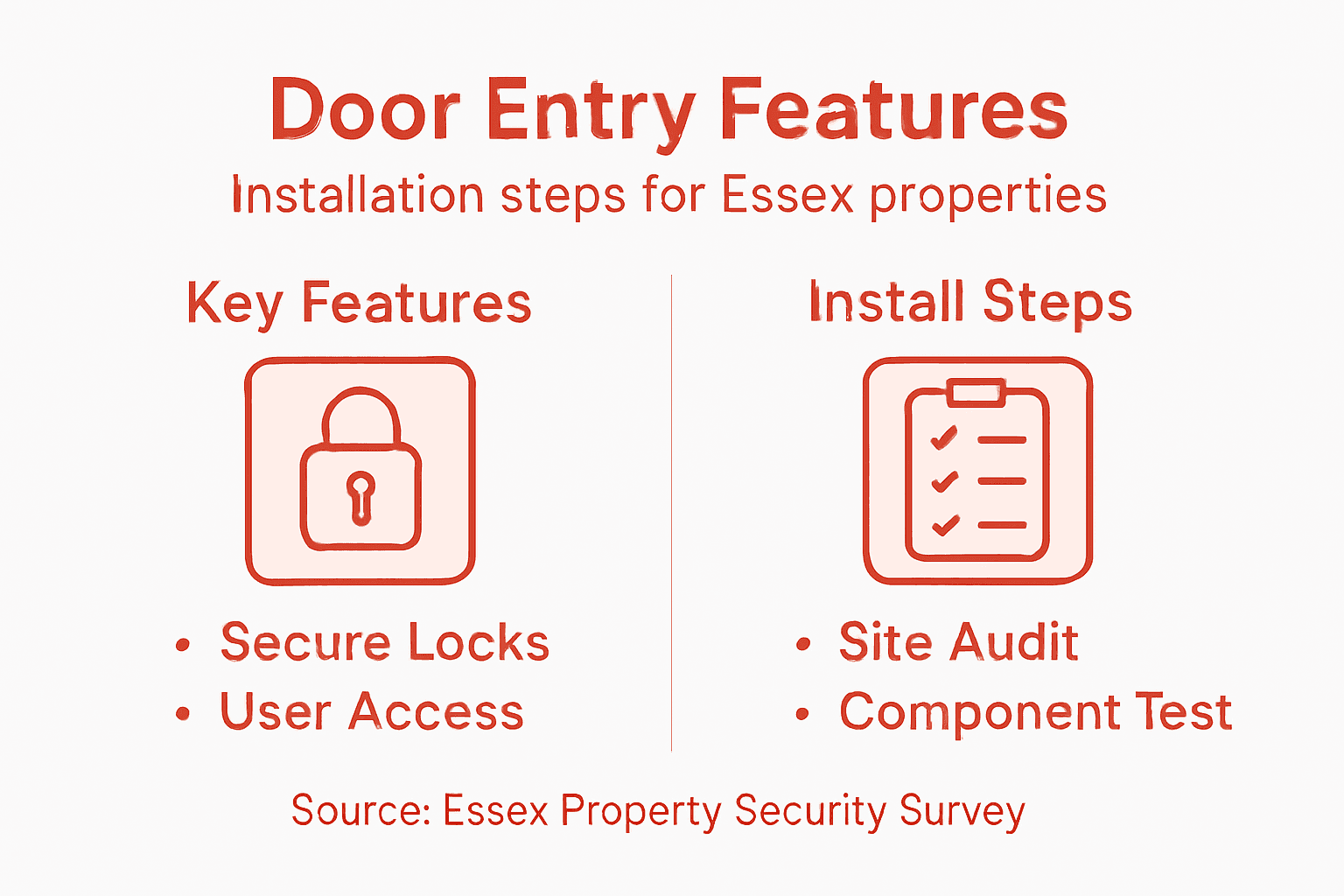
Each installation requires careful calibration of electronic components, precise wiring, and thorough testing to ensure seamless functionality. Professionals must integrate fire safety considerations, ensure user accessibility, and maintain compliance with current UK building regulations.
Pro Tip: Engage a certified security professional who specialises in door entry systems to guarantee precise installation and optimal system performance.
Legal standards, regulations and compliance
Door entry systems in the United Kingdom are subject to multiple stringent legal frameworks that ensure safety, accessibility, and security. Fire safety regulations have become increasingly comprehensive, particularly following critical safety reviews in recent years.
Key legal compliance areas include:
Building Regulations
- Fire resistance standards
- Accessibility requirements
- Structural integrity guidelines
Safety Legislation
- Emergency egress protocols
- Disability discrimination considerations
- User safety mechanisms
Technical Standards
- Electrical installation codes
- Network security protocols
- Performance specification requirements
Property managers and security professionals must navigate a complex landscape of regulatory requirements. The merged Approved Documents provide legally binding guidelines that cover critical aspects of door entry system implementation, from initial design through to ongoing maintenance and operational standards.
Compliance is not merely a legal obligation but a fundamental aspect of responsible property management. Organisations must demonstrate thorough understanding of relevant regulations, maintaining comprehensive documentation and ensuring systems meet evolving safety and security standards.
Pro Tip: Conduct annual compliance audits with a certified security professional to ensure your door entry systems remain fully aligned with current legal requirements.
Costs, pitfalls and selecting the right solution
Door entry system procurement demands careful financial and strategic planning. Government guidance highlights potential cost-related pitfalls that can significantly impact budgeting and implementation strategies for property managers and security professionals.
Common cost considerations and potential pitfalls include:
Initial Investment Factors
- Hardware procurement costs
- Installation expenses
- System complexity pricing
Long-term Operational Expenses
- Maintenance contracts
- Software update requirements
- Technical support fees
Potential Hidden Expenses
- Electrical infrastructure modifications
- Compliance certification costs
- Training and user adaptation
Selecting the appropriate door entry solution requires a nuanced approach that balances security requirements, budgetary constraints, and operational practicality. Facilities managers must conduct comprehensive cost-benefit analyses, considering not just upfront expenses but also long-term scalability, maintenance requirements, and potential future technological upgrades.
The following table summarises key factors to consider for door entry system investment decisions:
| Consideration | Impact on Project | Long-Term Implications |
|---|---|---|
| Upfront Expenditure | Affects initial budgeting | May restrict advanced features or scale |
| Ongoing Maintenance | Influences system uptime | Predictable annual costs, support need |
| Regulatory Compliance | Ensures legal operation | Reduces risk of fines or legal issues |
| Upgrade Flexibility | Eases tech adaptation | Supports future needs and integrations |
Organisations should prioritise solutions that offer flexible integration, robust security features, and demonstrable compliance with current regulatory standards. This approach ensures that investment decisions are strategically aligned with both immediate security needs and potential future technological developments.
Pro Tip: Request detailed, itemised quotes from multiple providers and conduct a comprehensive total cost of ownership analysis before making a final door entry system selection.
Secure Your Essex Property with Expert Door Entry Systems Installation
Understanding the complexities of modern door entry systems can be challenging. The article highlights common concerns around selecting the right security technology that meets fire safety regulations, complies with legal standards, and fits budgetary needs without hidden costs. If you want to avoid pitfalls such as installation errors or compliance failures, expert guidance becomes essential. Whether you seek keypad, RFID, or biometric solutions, choosing a tailored system designed for your property’s unique requirements is critical to protect people and assets effectively.
Our team at 247 CCTV specialises in installing a wide range of door entry and access control systems throughout Essex. We understand the importance of integrating scalable, compliant, and user-friendly security solutions that align with the latest building regulations and fire safety protocols. Our professional approach ensures seamless installation, technical support, and peace of mind for businesses and homeowners alike.
Take control of your property security today with trusted specialists who know how to deliver optimal results.

Ready to enhance your property with a compliant and reliable door entry system? Contact us now at 247 CCTV for a bespoke consultation and detailed quote. Discover how we combine technical expertise and local knowledge to keep your Essex property safe and accessible.
Frequently Asked Questions
What is a door entry system?
A door entry system is an electronic security mechanism designed to control and monitor access to buildings or specific areas within premises. It enhances security beyond traditional locks by providing advanced methods for regulating entry and tracking movement.
What are the key components of modern door entry systems?
Key components typically include electronic locks, access control keypads, proximity card readers, biometric scanners, video intercoms, and remote management capabilities.
How do I choose the right door entry technology for my property?
Selecting the right door entry technology depends on factors such as budget, security requirements, user volume, and specific property characteristics. Conducting a comprehensive security assessment can help determine the most suitable solution for your needs.
What are the legal standards for door entry systems?
Door entry systems must meet several legal frameworks, including building regulations, safety legislation, and technical standards. Compliance is essential for ensuring safety, accessibility, and legal operation of the systems.