
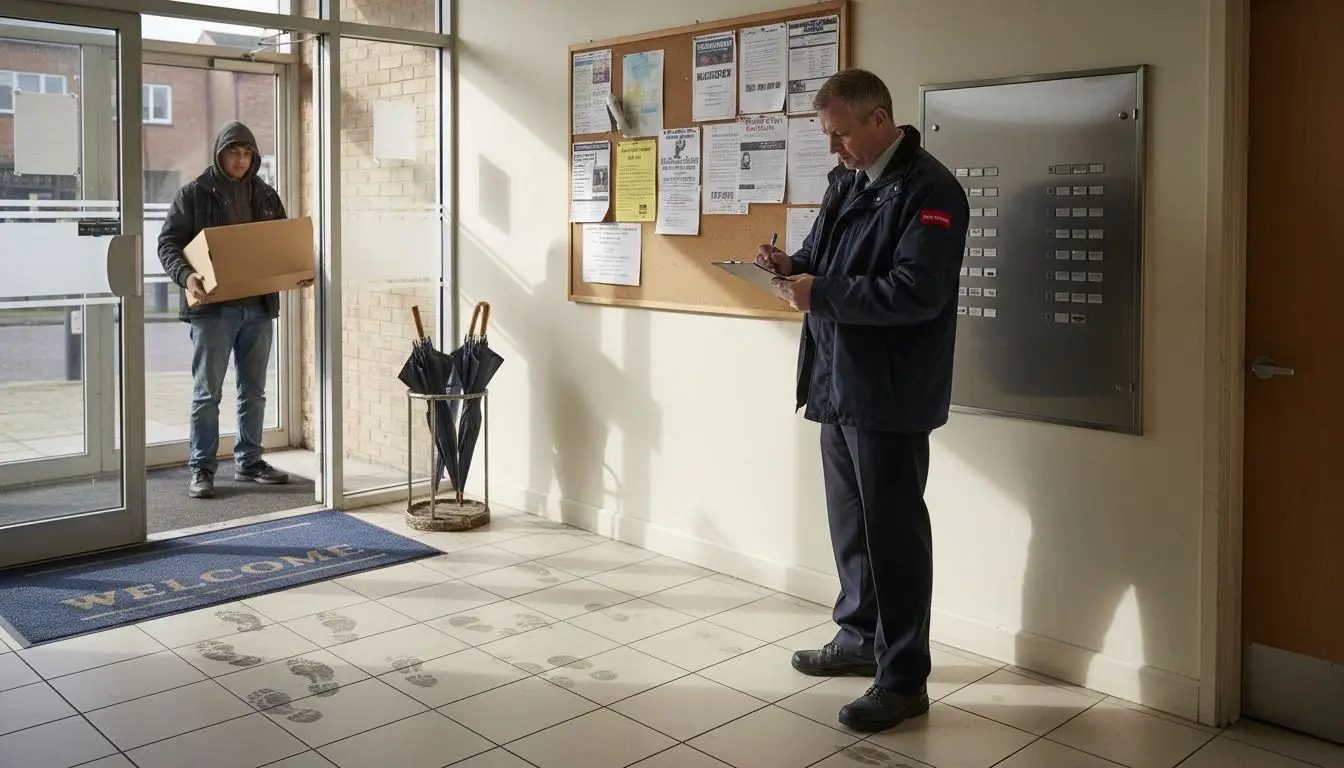
Security in multi-tenant buildings across Essex and London is a constant balancing act. Property managers must find ways to protect tenants, safeguard assets, and grant flexible access that fits a modern urban environment. Sophisticated door entry systems offer far more than traditional keys, bringing powerful access control and detailed tracking capabilities. This guide explains how these systems work, compares their benefits, and highlights what matters most when choosing a solution for your building.
Key Takeaways
| Point | Details |
|---|---|
| Advanced Security Solutions | Door entry systems enhance security through electronic mechanisms, offering better control than traditional locks. |
| Diverse Credential Options | Utilising various credential types, such as biometrics and smart cards, allows for tailored access management. |
| Legal Compliance Necessity | Systems must adhere to UK regulations to ensure data protection, user accessibility, and adequate security standards. |
| Proactive Management Approach | Regular audits, staff training, and budget planning are essential to mitigate risks related to door entry systems. |
Door Entry Systems Defined And Debunked
Door entry systems represent sophisticated technological solutions designed to control and manage physical access into buildings, providing enhanced security beyond traditional lock-and-key mechanisms. These intelligent systems utilise advanced electronic components to authenticate and regulate entry points, ensuring only authorised personnel can enter specific areas.
At their core, door entry systems typically comprise several critical technological components:
- Electronic locks with remote activation capabilities
- Credential verification devices (card readers, biometric scanners)
- Intercom systems for visual and audio communication
- Central management software for monitoring and controlling access
Modern door entry systems go far beyond simple mechanical barriers. They integrate electronic access control with comprehensive security strategies, allowing facilities managers precise control over who enters their premises. These systems can track entry attempts, log visitor movements, and provide real-time notifications about potential security breaches.
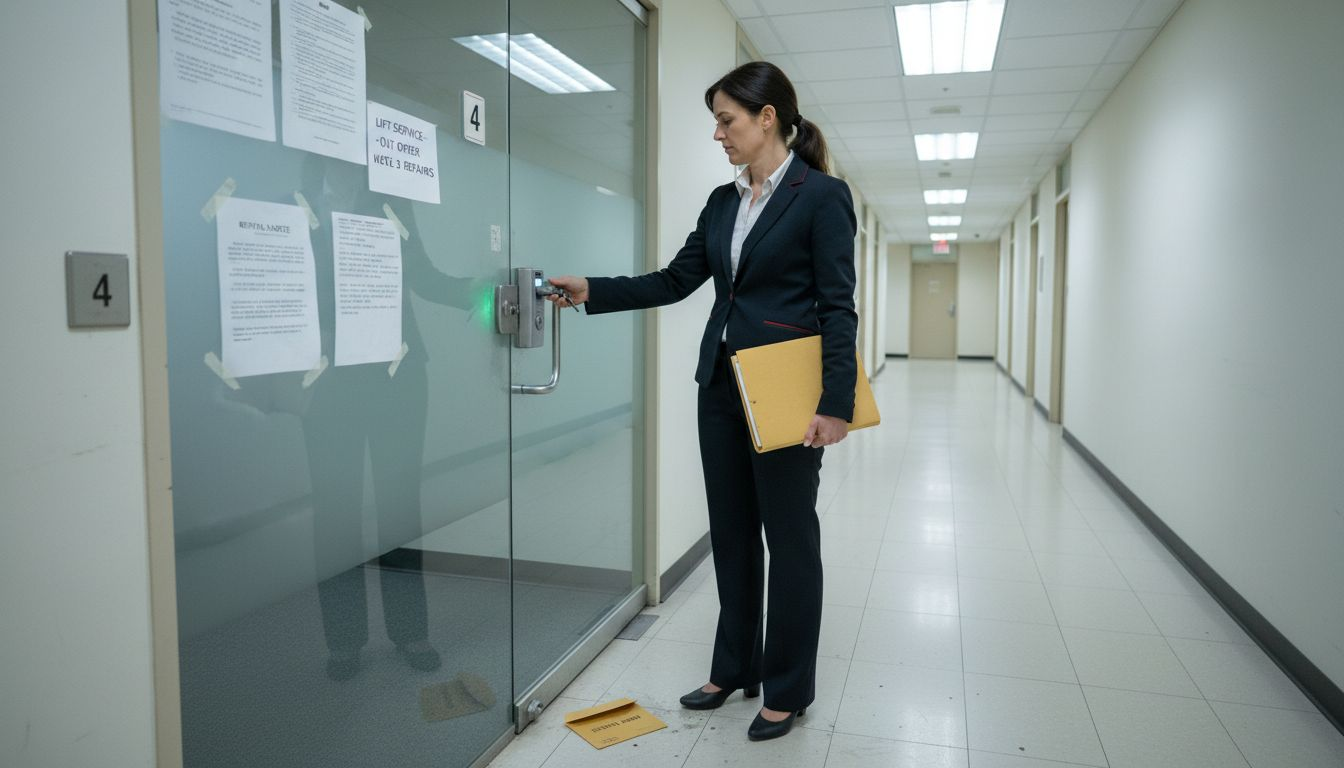
Here is a summary comparing traditional and electronic door entry systems:
| Criteria | Traditional Door Entry | Electronic Door Entry |
|---|---|---|
| Security Level | Basic, easily bypassed | High, multi-factor |
| Audit Capability | No access logs | Detailed tracking |
| Credential Variety | Metal keys only | Cards, biometrics, apps |
| Remote Management | Not possible | Fully supported |
| Maintenance Frequency | Occasional rekeying | Regular software updates |
The operational mechanics involve multiple authentication layers. When an individual approaches a secured entrance, they must present a valid credential – typically a proximity card, key fob, or biometric identifier like a fingerprint. The system instantaneously cross-references these credentials against a pre-approved database, granting or denying access within milliseconds.
Credential types commonly used in door entry systems include:
- Proximity cards
- Magnetic stripe cards
- Smart cards with embedded microchips
- Biometric identifiers (fingerprints, retinal scans)
- Mobile phone-based digital credentials
Pro tip: Always conduct periodic audits of your door entry system’s access logs to identify and address any potential security anomalies or unauthorised entry attempts.
Key Types In Multi-Tenant Buildings
Multi-tenant building door entry systems require specialised configurations that address the complex access needs of diverse occupants. Unlike single-occupancy buildings, these environments demand sophisticated credential management that balances security, convenience, and individual privacy requirements.
The primary credential types for multi-tenant buildings typically include:
- Permanent resident credentials with full building and unit access
- Temporary visitor passes with time-limited entry permissions
- Service provider badges with restricted area access
- Management override credentials with comprehensive building control
Electronic key types provide granular access control mechanisms. These systems enable property managers to create hierarchical access levels, ensuring that maintenance staff, residents, guests, and emergency services receive precisely calibrated entry permissions. Access control configurations can be dynamically adjusted to accommodate changing occupancy and security requirements.
Modern multi-tenant door entry systems leverage advanced technologies like proximity cards, smart chips, and biometric identifiers. These credentials offer multiple layers of authentication, making traditional keys obsolete. Proximity cards, for instance, can be programmed to grant access only during specific timeframes, automatically expiring after predetermined periods.
The technological sophistication of these systems provides several critical advantages for multi-tenant environments:
- Instantaneous credential revocation
- Comprehensive access logging
- Remote management capabilities
- Seamless integration with building management platforms
- Reduced physical key maintenance costs
Pro tip: Implement a quarterly credential audit to ensure all access permissions remain current and eliminate dormant or unnecessary entry rights.
How Electronic Access Systems Operate
Electronic access systems represent sophisticated technological infrastructures that transform traditional security paradigms by introducing intelligent, data-driven entry management. These advanced systems go beyond simple mechanical barriers, creating comprehensive security ecosystems that dynamically manage and monitor building access.
The fundamental operational components of electronic access systems include:
- Authentication devices such as card readers and biometric scanners
- Centralised management software for permission control
- Network-connected communication protocols
- Credential management databases
- Real-time monitoring interfaces
Electronic access control mechanisms function through intricate authentication processes. When an individual presents their credential, the system instantaneously cross-references the provided information against a pre-configured database of authorized personnel. This verification happens within microseconds, enabling seamless yet secure entry management.
The technological architecture supporting these systems involves multiple interconnected layers. Credential readers capture identification data, which is then transmitted through encrypted communication channels to a central management server. This server processes the authentication request, checks access permissions, and sends an instantaneous response back to the specific entry point, either granting or denying access.
Modern electronic access systems offer several sophisticated operational features:
- Granular permission settings
- Automated access logging
- Remote credential management
- Instant security breach alerts
- Comprehensive audit trail generation
Pro tip: Regularly update your access control software and credential databases to maintain optimal security integrity and prevent potential system vulnerabilities.
Legal And Safety Requirements In The UK
Door entry systems in the United Kingdom operate within a complex legal framework designed to balance security effectiveness with individual privacy and safety regulations. These systems must navigate multiple legislative requirements that govern their design, installation, and operational protocols across various types of buildings and organisational contexts.
Key legal compliance areas for electronic door entry systems include:
- Data protection regulations
- Building safety standards
- Accessibility requirements
- Privacy legislation
- Disability discrimination guidelines
Forced entry resistance standards mandate specific performance thresholds for doors and entry mechanisms. The National Protective Security Authority (NPSA) guidelines specify detailed requirements for physical security infrastructure, ensuring that door entry systems can effectively withstand potential intrusion attempts.
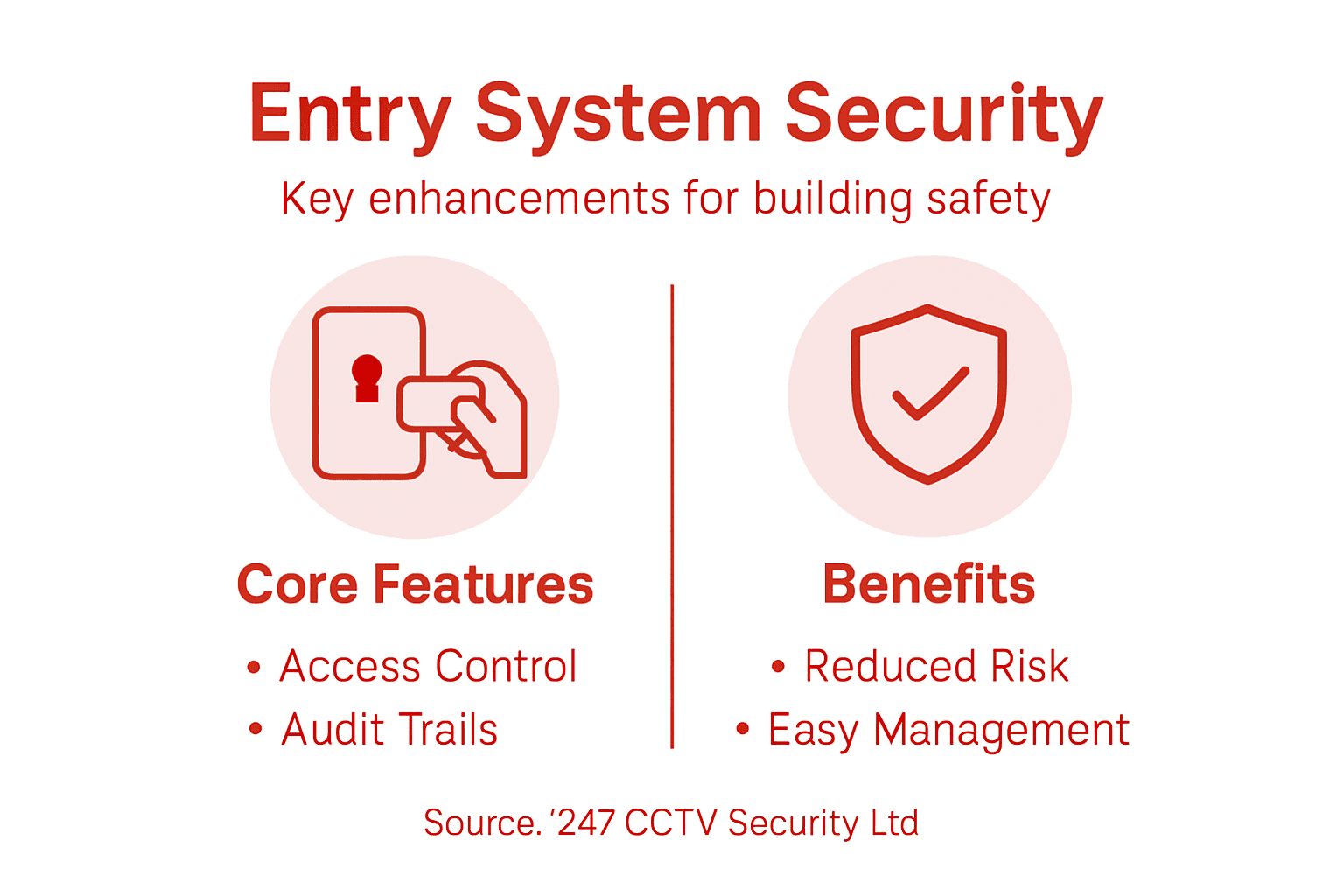
UK building regulations, particularly Approved Document Q, establish comprehensive requirements for security hardware and access control mechanisms. These standards dictate precise specifications for locking systems, emphasising robust design that prevents unauthorized entry while maintaining emergency escape routes and accessibility for individuals with mobility challenges.
The legal framework for door entry systems encompasses several critical compliance dimensions:
For reference, here’s a quick lookup of legal standards impacting UK door entry systems:
| Compliance Area | Regulatory Source | Business Impact |
|---|---|---|
| Data protection | GDPR | Secure user data and consents |
| Security performance | NPSA, Approved Document Q | Enhanced resistance against forced entry |
| Accessibility | Disability Discrimination Act | Ensure entry for people with mobility challenges |
| Emergency egress | Building Regulations | Must allow rapid safe evacuation |
| Maintenance audits | British Standards, NPSA | Demonstrate ongoing system reliability |
- Data protection and user consent
- Minimum security performance standards
- Non-discriminatory access provisions
- Emergency egress requirements
- Regular system maintenance and verification
Pro tip: Conduct annual compliance audits of your door entry systems to ensure continuous alignment with evolving UK security and safety regulations.
Managing Costs, Risks, And Common Pitfalls
Door entry system management demands a strategic approach that balances technological investment with comprehensive risk mitigation. Facilities managers must navigate complex financial considerations while maintaining robust security infrastructure that adapts to evolving organisational needs.
Key financial and operational risk factors include:
- Initial hardware procurement costs
- Ongoing maintenance expenses
- Software upgrade requirements
- Staff training investments
- Potential security vulnerability risks
Site security strategies require proactive management of potential vulnerabilities. Organisations must prioritise critical access points and implement comprehensive monitoring protocols to prevent potential security breaches while controlling overall system expenditure.
Common pitfalls in door entry system management frequently stem from inadequate planning and reactive approaches. Facilities managers should develop systematic processes that include regular security audits, comprehensive staff training, and continuous technological assessment to ensure their access control systems remain effective and efficient.
Strategic risk management for door entry systems encompasses several critical dimensions:
- Regular security infrastructure assessments
- Continuous staff training programmes
- Budget allocation for technology upgrades
- Comprehensive vulnerability mapping
- Proactive maintenance scheduling
Pro tip: Develop a multi-year technology replacement strategy that anticipates potential system obsolescence and budgets for incremental security infrastructure improvements.
Secure Your Building Today With Expert Door Entry Systems
Managing building security involves navigating complex challenges such as preventing unauthorised access, ensuring compliance with UK safety standards, and maintaining robust remote management capabilities. This article highlights critical pain points like the need for advanced authentication methods including proximity cards and biometric identifiers, detailed access logging, and seamless integration with broader security frameworks. Without professional support, building managers may face risks including security breaches, costly maintenance, and inadequate audit trails.
At 247 CCTV, we understand these concerns and offer tailored door entry and access system installations designed for both residential and business properties. Our solutions provide high security levels with multi-factor authentication options, real-time monitoring, and remote access controls that keep your premises protected at all times.
Don’t leave your security to chance. Discover how our expert team can design and install advanced door entry systems that meet your exact needs. Visit 247 CCTV now to learn more and arrange a consultation. Take the next step to safeguard your building with trusted professionals who prioritise compliance, reliability, and your peace of mind. Explore our comprehensive door entry system services and benefit today.
Frequently Asked Questions
What are the key components of door entry systems?
Door entry systems comprise several critical components, including electronic locks with remote activation, credential verification devices like card readers and biometric scanners, intercom systems for audio and visual communication, and central management software for monitoring access.
How do electronic access systems verify credentials?
Electronic access systems verify credentials by cross-referencing the credential presented (like cards or biometric identifiers) against a pre-approved database of authorised personnel, granting or denying access within microseconds based on the results.
What advantages do electronic door entry systems offer over traditional systems?
Electronic door entry systems offer higher security levels through multi-factor authentication, detailed access logs for auditing, remote management capabilities, and the elimination of physical keys, significantly enhancing overall building security compared to traditional systems.
How can facilities managers ensure compliance with legal requirements for door entry systems?
Facilities managers can ensure compliance by conducting annual audits of their door entry systems, adhering to data protection regulations, building safety standards, accessibility requirements, and maintaining regular system maintenance and verification checks.
Recommended
- Why Door Entry Systems Matter for Facilities Managers – 247 CCTV Security Ltd
- 7 Essential Examples of Door Entry Solutions for Offices – 247 CCTV Security Ltd
- The Door Entry Systems in Essex | 247 CCTV Systems
- The Door Entry Systems in Essex | 247 CCTV Systems
- Why Use 3D Modelling in Urban Design Projects – 3D Urban Design