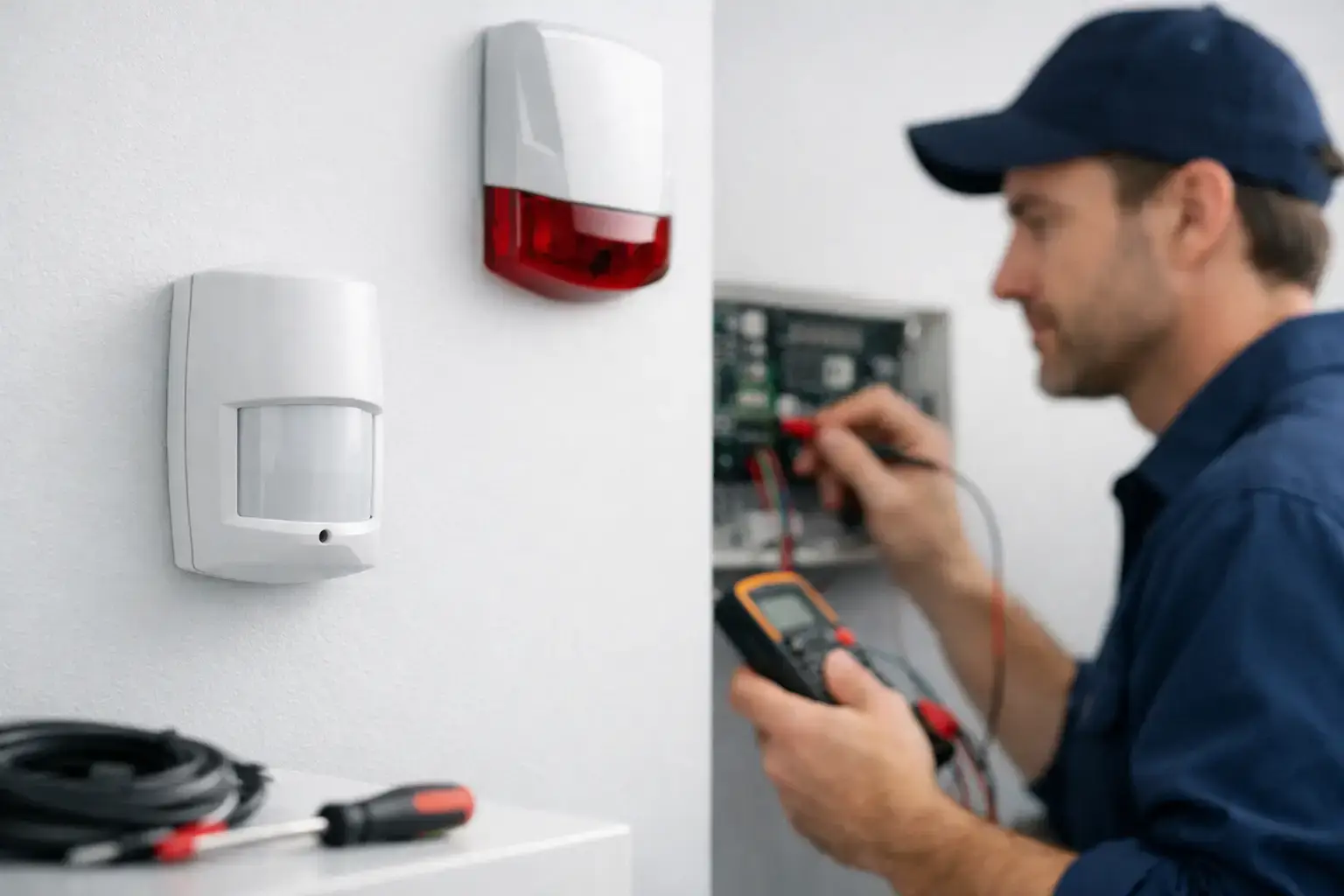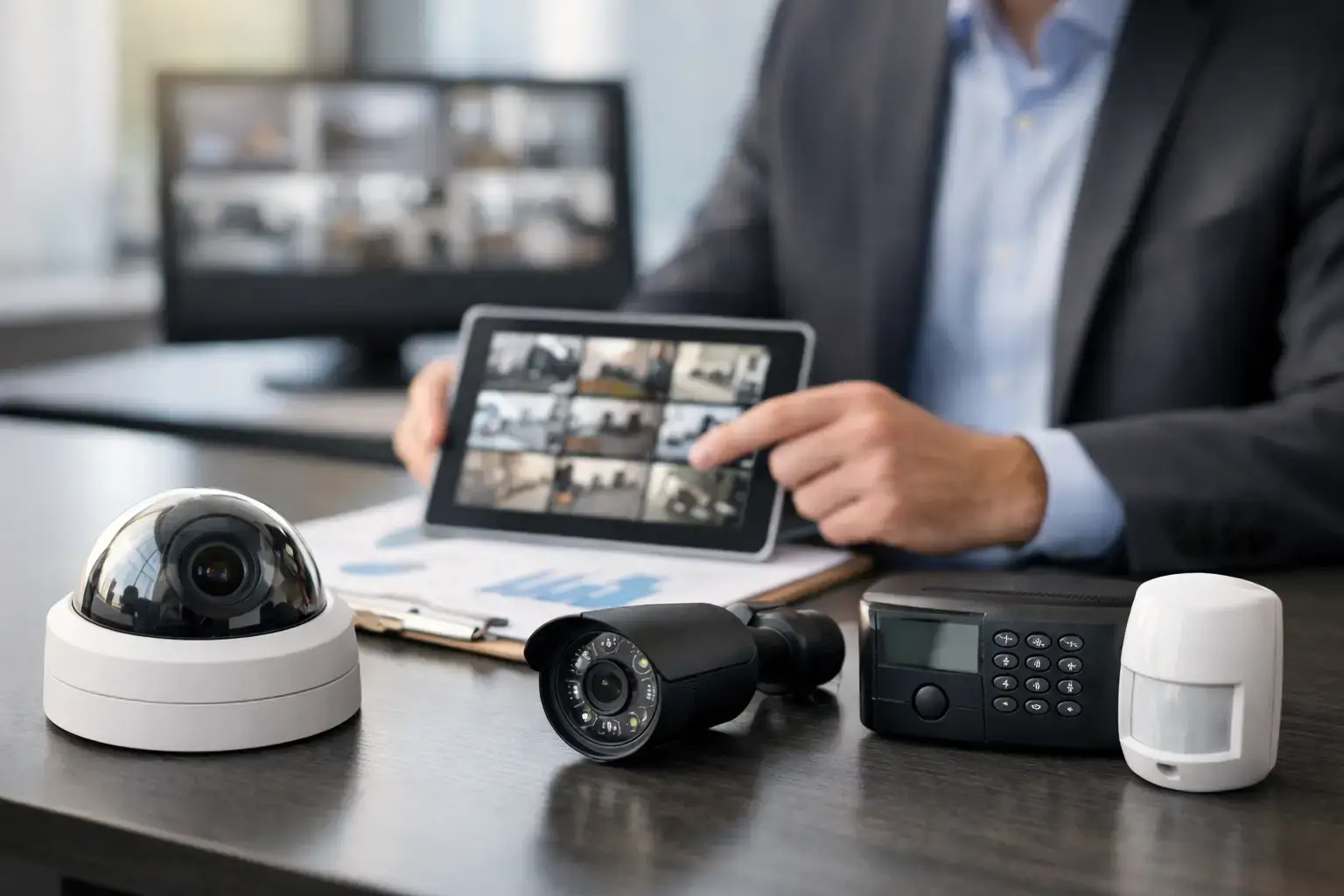
Over 80 percent of British retailers say shop theft and vandalism pose real threats to their business. Security challenges keep evolving, making it essential for every shop owner to think carefully about how to protect their space. With the right CCTV approach, you can cover your shop’s high risk zones, improve safety, and prevent costly losses while meeting strict legal standards.
Quick Summary
| Takeaway | Explanation |
|---|---|
| 1. Prioritise High-Risk Areas | Focus on placing cameras in vulnerable zones like cash handling areas and entry points to enhance security effectiveness. |
| 2. Select Appropriate Camera Types | Choose cameras based on environment needs; options include Dome, Bullet, and PTZ cameras for varied surveillance tasks. |
| 3. Optimise Camera Placement | Ensure cameras cover all critical zones without blind spots by positioning them strategically and at optimal heights. |
| 4. Manage Lighting Conditions | Implement adequate and consistent lighting to enhance camera performance and capture clear images for effective monitoring. |
| 5. Regularly Test the System | Conduct monthly evaluations of camera functionality and storage systems to maintain a reliable and effective CCTV setup. |
1. Assess Key Areas Needing CCTV Coverage
When designing a security strategy for your shop, identifying the most critical areas for camera placement is paramount. Not all spaces require the same level of surveillance, so a strategic approach helps maximise both security and cost effectiveness.
Start by conducting a comprehensive physical walkthrough of your premises, focusing on high risk zones that are most vulnerable to theft, vandalism, or potential security breaches. These typically include:
- Cash handling areas: Points where financial transactions occur
- Entry and exit points: Front doors, back entrances, and emergency exits
- Stock storage zones: Warehouses, stockrooms, and inventory areas
- High traffic customer spaces: Sales floors and checkout regions
Consider how business CCTV installation techniques can help you strategically position cameras to cover maximum space with minimum equipment.
Remember that camera placement is not just about quantity but strategic positioning. Aim to create overlapping fields of view that eliminate potential blind spots. Wide angle cameras can help reduce the total number of devices needed while maintaining comprehensive coverage.
A professional security assessment can provide nuanced insights into your specific shop layout, helping you design a surveillance system tailored to your unique spatial requirements and potential risk factors.
2. Choose the Right CCTV Camera Types
Selecting appropriate camera types is crucial for creating an effective security system that meets your shop’s unique surveillance requirements. Different camera technologies offer distinct advantages depending on your specific environment and monitoring needs.
When exploring camera options, consider these primary types:
Camera Classifications:
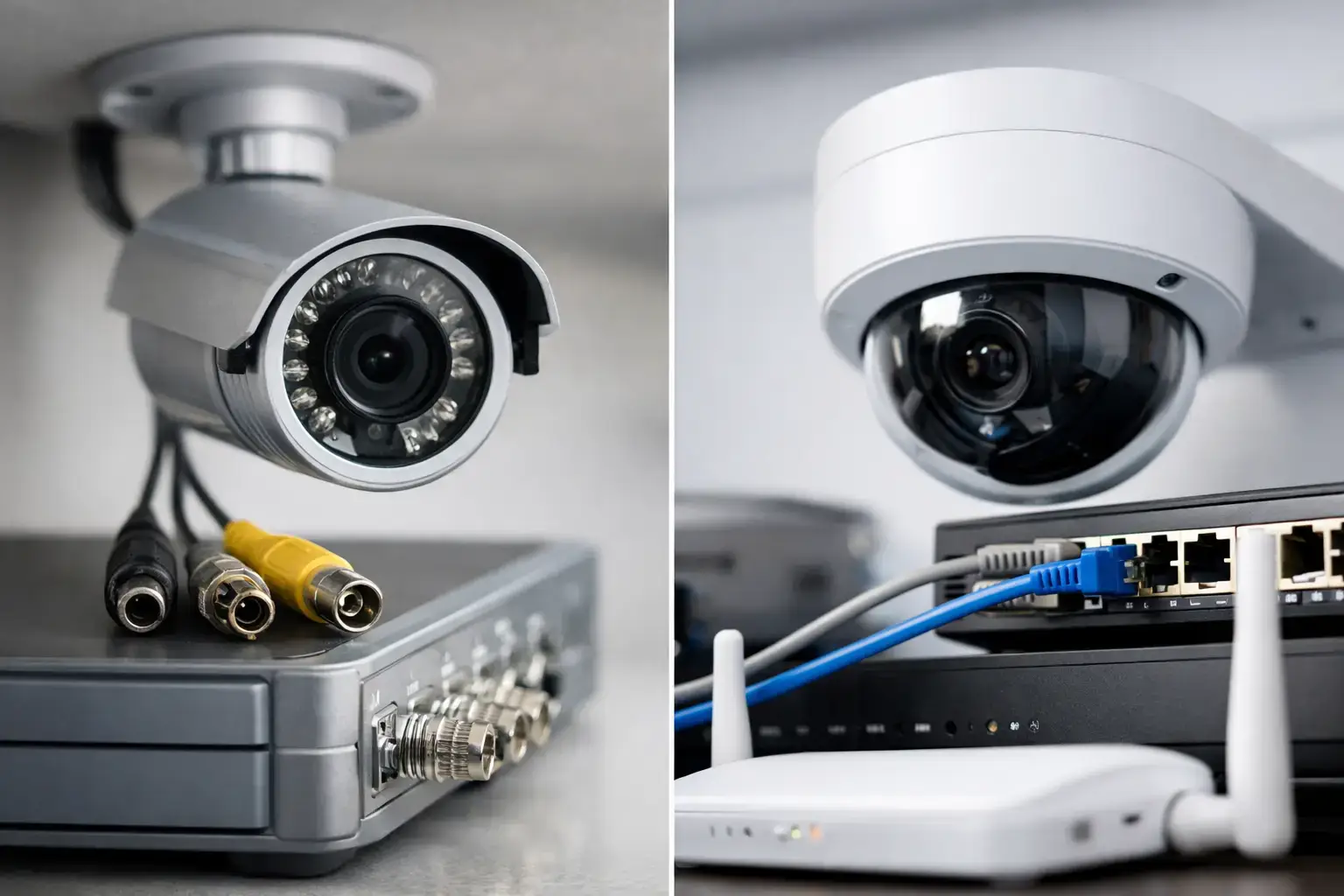
- Dome Cameras: Discreet design ideal for indoor retail spaces
- Bullet Cameras: Excellent for external monitoring with longer range
- PTZ (Pan Tilt Zoom) Cameras: Flexible monitoring with remote directional control
- Thermal Cameras: Perfect for low light and night time surveillance
Understanding the nuanced differences between types of security cameras helps shop owners make informed decisions. Digital cameras typically offer higher resolution and advanced features compared to traditional analogue systems.
Key Selection Factors:
- Area size to be monitored
- Lighting conditions
- Required image quality
- Budget constraints
- Indoor versus outdoor placement
Professional security consultants recommend choosing cameras that provide clear imagery with appropriate field of view, ensuring comprehensive coverage without unnecessary complexity. Consider investing in cameras with features like wide dynamic range and infrared capabilities for optimal performance across different environments.
3. Check Camera Placement for Maximum Visibility
Optimising camera placement is critical for creating a comprehensive security strategy that eliminates potential blind spots and ensures complete shop coverage. Strategic positioning transforms your CCTV system from a basic recording device into a powerful surveillance tool.
Key Placement Principles:
- Position cameras at entry and exit points
- Cover cash handling areas
- Monitor high value product displays
- Ensure clear views of customer interaction zones
When designing your CCTV monitoring setup, consider angles that provide maximum visual range without obstruction. Avoid placing cameras directly facing bright light sources like windows or strong indoor lighting which can create glare and reduce image quality.
Advanced Placement Strategies:
- Mount cameras at least 2.5 metres above ground level
- Use corner mounting for wider field of view
- Ensure no direct obstructions like shelving or signage
- Consider overlapping camera fields to eliminate blind spots
Professional security experts recommend conducting a physical walkthrough to identify potential surveillance challenges. By methodically mapping your shop’s layout and understanding potential risk zones, you can create a nuanced camera placement strategy that provides comprehensive protection and clear evidentiary footage.
4. Ensure Proper Lighting for Clear Images
Capturing high quality surveillance footage depends critically on understanding and managing lighting conditions throughout your shop. Poor illumination can render even the most expensive camera systems practically useless.
Lighting Challenges:
- Shadows obscuring crucial details
- Glare from bright surfaces
- Low contrast areas
- Inconsistent light levels
According to crime prevention best practice standards, adequate lighting is essential for effective monitoring and potential evidence collection. Professional security experts recommend a multi layered approach to illumination.
Strategic Lighting Recommendations:
- Install uniform ambient lighting
- Use additional focused lighting in key areas
- Consider infrared illuminators for night time coverage
- Avoid direct light sources facing camera lenses
- Implement adjustable lighting solutions
While natural daylight provides excellent visibility, artificial lighting becomes crucial during evening hours. Consider using LED fixtures with consistent colour temperature to ensure colour accurate images. Aim for lighting that eliminates harsh shadows while maintaining even illumination across your shop’s critical surveillance zones.
5. Review Data Storage and Retention Policies
Managing your CCTV footage effectively requires a comprehensive understanding of data storage and retention strategies. Your surveillance system generates substantial digital information that must be handled securely and strategically.
Key Storage Considerations:
- Total storage capacity required
- Video quality and resolution
- Number of cameras
- Retention period requirements
- Budget for storage solutions
Modern security systems offer multiple storage options including local hard drives, network attached storage and cloud based solutions. CCTV installation guides recommend selecting a system that provides seamless recording and easy retrieval of footage.
Recommended Storage Practices:
- Implement automatic overwrite protocols
- Use high capacity enterprise grade hard drives
- Consider redundant storage systems
- Encrypt sensitive video data
- Regular backup of critical footage
Shop owners must balance storage capacity with legal requirements. Typical retention periods range from 30 to 90 days depending on your specific industry regulations and potential investigative needs. Professional security consultants suggest designing a storage strategy that provides comprehensive coverage while remaining cost effective and compliant with data protection standards.
6. Test CCTV System Regularly for Functionality
Maintaining a reliable surveillance system requires consistent and systematic testing to ensure every component functions optimally. Neglecting regular system checks can leave your shop vulnerable to unexpected security gaps.
Critical Testing Parameters:
- Camera image quality
- Recording functionality
- Motion detection accuracy
- Remote viewing capabilities
- Storage system performance
Following CCTV camera maintenance recommendations, shop owners should implement a structured testing protocol. This involves monthly comprehensive system evaluations and quarterly detailed technical assessments.
Monthly Functionality Checklist:
- Verify all cameras are operational
- Check video recording quality
- Test remote monitoring access
- Review storage capacity
- Confirm network connectivity
Professional security experts suggest creating a standardised testing log to track system performance over time. By documenting each test and recording any anomalies, you can proactively address potential issues before they compromise your shop security. Regular testing transforms your CCTV from a passive recording device into an active security management tool.
7. Comply with UK Data Protection and Privacy Laws
Navigating the complex landscape of data protection requires shop owners to implement rigorous privacy measures that respect individual rights while maintaining effective security protocols. Surveillance systems must balance operational needs with legal compliance.
Key Legal Considerations:
- General Data Protection Regulation (GDPR) requirements
- Information Commissioner Office guidelines
- Individual privacy rights
- Data storage and retention rules
- Consent and notification protocols
The Surveillance Camera Code of Practice provides critical guidance for responsible camera usage. This framework emphasises transparency and accountability in monitoring public and private spaces.
Compliance Checklist:
- Display clear surveillance signage
- Limit camera coverage to necessary areas
- Implement secure data storage mechanisms
- Establish strict access controls
- Create documented data handling procedures
- Provide mechanisms for individuals to request footage
Professional security experts recommend treating surveillance data with the same level of protection as other sensitive business information. Regular staff training on data protection protocols and maintaining comprehensive documentation can help mitigate potential legal risks associated with CCTV systems.
Below is a comprehensive table summarizing the key strategies and considerations for implementing an effective CCTV system in a shop setting.
| Aspect | Details | Key Considerations |
|---|---|---|
| Key Areas Needing Coverage | Cash handling zones, entry/exit points, stock storage, high traffic areas | Strategic placement to maximise security and cost effectiveness |
| Camera Types | Dome, Bullet, PTZ, Thermal | Consider area size, lighting, image quality, indoor/outdoor use |
| Placement Strategies | Position at entries, cash areas, high value displays | Ensure no blind spots, avoid glare, overlap views |
| Lighting for CCTV | Uniform ambient lighting, additional focus lighting | Address shadows, glare, uneven light levels |
| Data Storage and Retention | Consider storage capacity, resolution, retention period | Use high capacity drives, backup data, encrypt footage |
| System Testing | Monthly and quarterly checks, verify camera functionality | Maintain test logs, address anomalies proactively |
| Compliance with Laws | GDPR, ICO guidelines, privacy rights | Ensure signage, secure storage, establish access controls |
Secure Your Shop with Expert CCTV Solutions
Setting up a CCTV system for your shop can feel overwhelming when trying to balance coverage, camera types, lighting conditions and compliance with UK Data Protection laws. The challenges of identifying critical zones, ensuring proper lighting for clear images and managing data retention demand a tailored security approach that keeps your premises safe and your business protected.

At 247 CCTV we specialise in professional CCTV installation designed to meet every step of your security checklist. From selecting the best cameras for your environment to optimising placement and ensuring your system complies with legal standards, we provide peace of mind with expert advice and reliable equipment. Don’t leave your shop’s security to chance. Discover how our CCTV installation services can help you build a robust surveillance system that works around the clock. Visit 247 CCTV today and take the first step towards safeguarding your shop efficiently and effectively.
Frequently Asked Questions
How do I assess key areas needing CCTV coverage in my shop?
To assess key areas needing CCTV coverage, conduct a thorough walkthrough of your premises and identify high-risk zones, such as cash handling areas and entry points. Focus on where theft or vandalism is likely to occur, and consider overlapping views to eliminate blind spots.
What CCTV camera types should I choose for my shop?
Select camera types based on your shop’s specific requirements, such as dome cameras for discreet indoor monitoring and bullet cameras for external observation. Prioritise factors like the area size, lighting conditions, and budget to ensure effective coverage.
How can I check camera placement for maximum visibility?
To maximise visibility, strategically position cameras at entry and exit points, cash handling areas, and customer interaction zones, ensuring they are not obstructed. Review angles to achieve a wide visual range and set cameras at least 2.5 metres above ground for optimal coverage.
Why is proper lighting important for CCTV footage?
Proper lighting is essential for capturing clear CCTV images, as poor illumination can affect image quality and detail. Ensure uniform lighting throughout your shop and consider infrared options for low-light situations to maintain visibility during all hours.
What are effective data storage and retention strategies for CCTV footage?
Implement a CCTV storage strategy that meets your shop’s capacity needs and complies with legal requirements. Use high-capacity storage solutions and establish retention policies, aiming to retain footage for a minimum of 30 to 90 days, based on your operational requirements.
How often should I test my CCTV system for functionality?
Test your CCTV system regularly, with monthly assessments to verify camera operations and recording functionality. Create a structured testing protocol to address any issues promptly, ensuring your surveillance remains effective and reliable.
Recommended
- 7 Essential CCTV Buying Tips for UK Businesses and Homes – 247 CCTV Security Ltd
- Complete Guide to CCTV in Retail Security – 247 CCTV Security Ltd
- 7 Essential CCTV Installation Tips for Businesses in Essex – 247 CCTV Security Ltd
- Business CCTV Installation Guide: Secure Your Premises Fast – 247 CCTV Security Ltd
- 7 Passi Chiave della Checklist ISO 27018 per le PMI – Security Hub