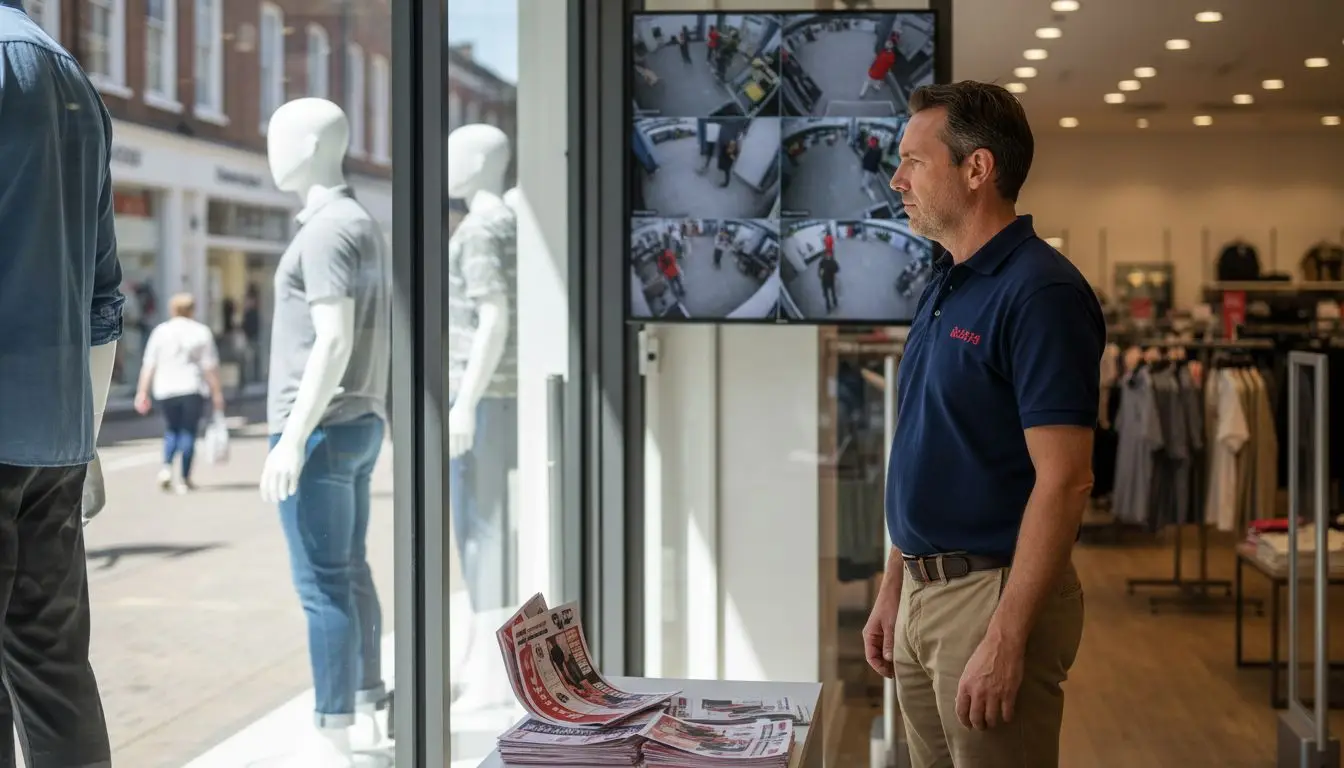
Retailers across the british high street face a constant challenge as more than 45 percent of retail crime goes unsolved every year. With security concerns rising, closed-circuit television has become a critical solution for shops looking to protect both assets and shoppers. Understanding what CCTV really offers helps retailers not only guard against crime but also improve daily operations and customer confidence through smarter surveillance and real-time insights.
Key Takeaways
| Point | Details |
|---|---|
| CCTV Enhances Security | CCTV systems provide real-time monitoring, incident documentation, and crime deterrence in retail environments. |
| Diverse Camera Technologies | Various CCTV camera types cater to specific security challenges, allowing flexible surveillance capabilities. |
| Legal Compliance is Crucial | Retailers must adhere to UK legal requirements regarding CCTV usage, including data protection and proper signage. |
| Comprehensive Implementation Strategies | Effective CCTV use requires integrating technology with robust human oversight and comprehensive security strategies. |
Defining CCTV and Its Role in Retail
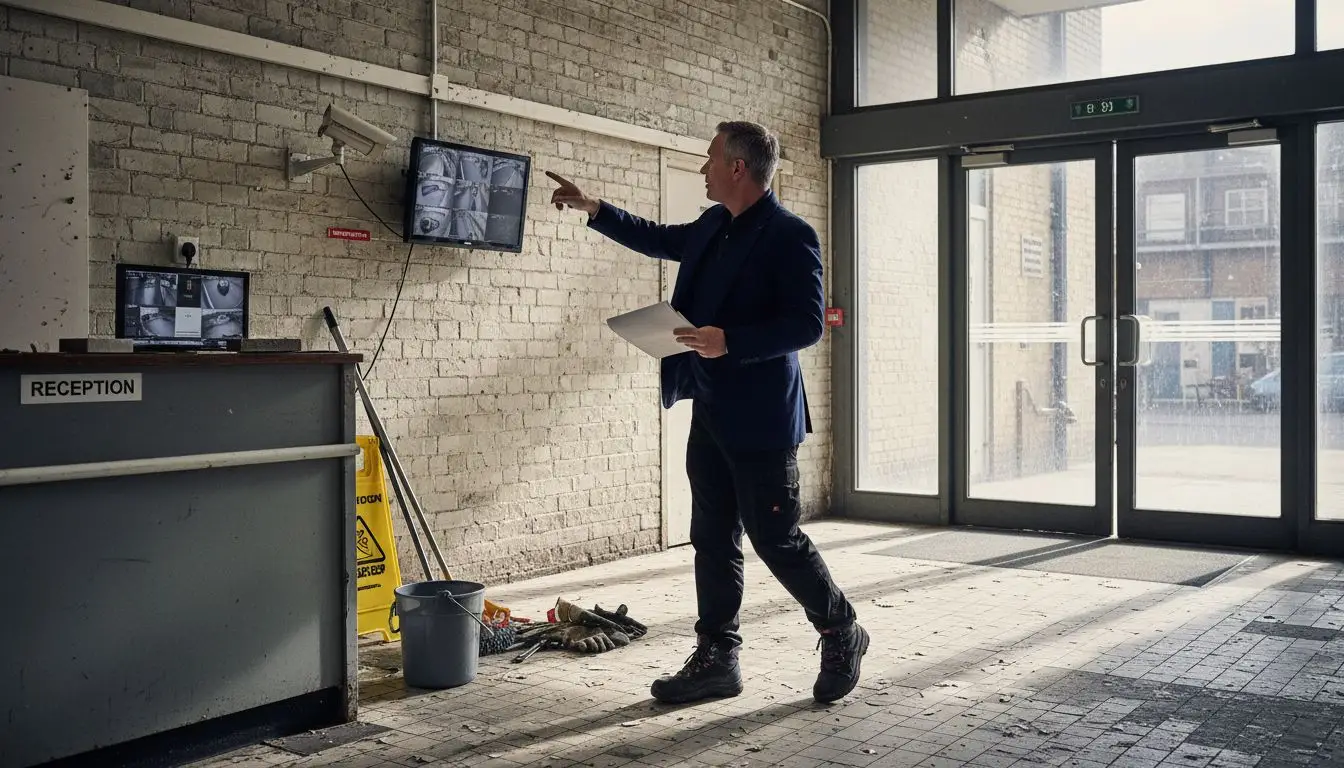
Closed-circuit television (CCTV) represents a sophisticated security infrastructure critical for modern retail environments. These strategically positioned camera systems provide continuous monitoring, helping businesses protect assets, prevent losses, and create safer shopping experiences.
The primary function of CCTV in retail settings extends far beyond simple visual recording. Advanced surveillance systems enable comprehensive security management through real-time monitoring, incident documentation, and potential crime deterrence. Retailers can track customer movements, monitor employee interactions, and maintain a comprehensive record of in-store activities.
According to government guidance on public space monitoring, CCTV plays a crucial role in preventing criminal activities and ensuring public safety. Retail environments benefit from these systems by:
- Reducing shoplifting and stock shrinkage
- Providing visual evidence for potential legal proceedings
- Monitoring staff performance and customer interactions
- Enhancing overall store security and customer confidence
Modern CCTV technology goes beyond traditional surveillance. High-resolution cameras, intelligent analytics, and remote monitoring capabilities transform these systems from passive recording tools into proactive security solutions. Retailers can now respond quickly to potential security threats, analyse customer behaviour patterns, and create more secure, efficient shopping environments.
Types of CCTV Systems Used in Retail
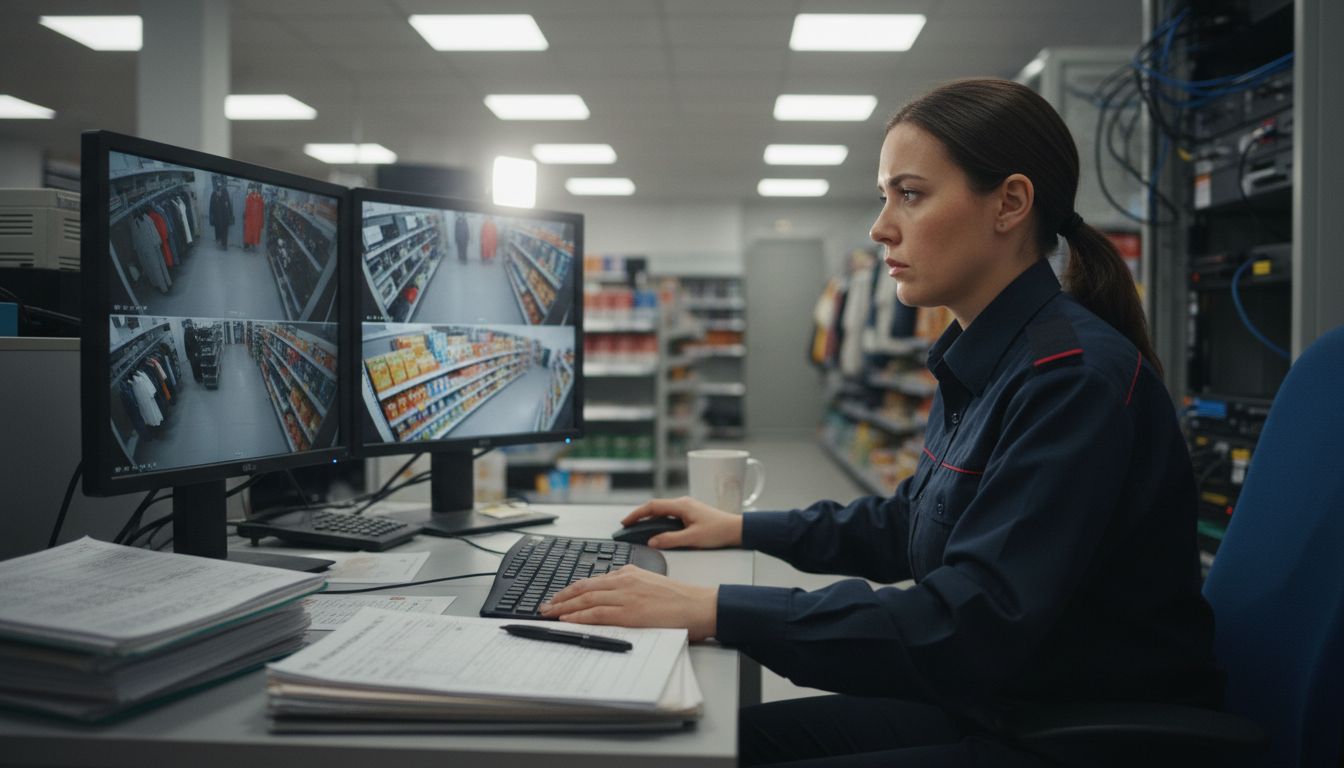
Retail security demands sophisticated surveillance technologies that can adapt to complex shopping environments. Commercial CCTV systems encompass a diverse range of camera types, each designed to address specific security challenges within retail spaces.
According to national protective security guidance, retailers can leverage multiple camera technologies to create comprehensive security solutions. These include:
- Fixed Cameras: Provide consistent, stable monitoring of specific areas like checkout zones, entrances, and high-value product displays
- Pan, Tilt, Zoom (PTZ) Cameras: Enable dynamic monitoring, allowing security personnel to remotely adjust viewing angles and zoom levels
- Dome Cameras: Offer discreet surveillance with their compact, tamper-resistant design
- Infrared Cameras: Deliver clear imaging in low-light conditions, ensuring 24/7 monitoring capabilities
Modern retail CCTV systems go beyond traditional surveillance. High-resolution imaging, intelligent motion detection, and network connectivity transform these tools from passive recording devices into proactive security management platforms. Retailers can now instantly track suspicious activities, analyse customer movement patterns, and integrate camera systems with broader security infrastructure.
Advanced camera technologies provide nuanced insights. Thermal imaging cameras can detect unusual heat signatures, while analytics-enabled systems can automatically flag potential security breaches. These sophisticated monitoring tools not only prevent theft but also help retailers optimise store layouts, understand customer behaviour, and enhance overall operational efficiency.
Key Features and How CCTV Operates
Understanding the intricate mechanics of modern CCTV systems reveals a complex network of technological capabilities designed to enhance retail security. Key CCTV system features represent sophisticated technological solutions that transform passive monitoring into intelligent security management.
National protective security guidance highlights several critical operational components that define contemporary CCTV functionality:
- Video Analytics: Intelligent software that automatically detects unusual movements or behaviours
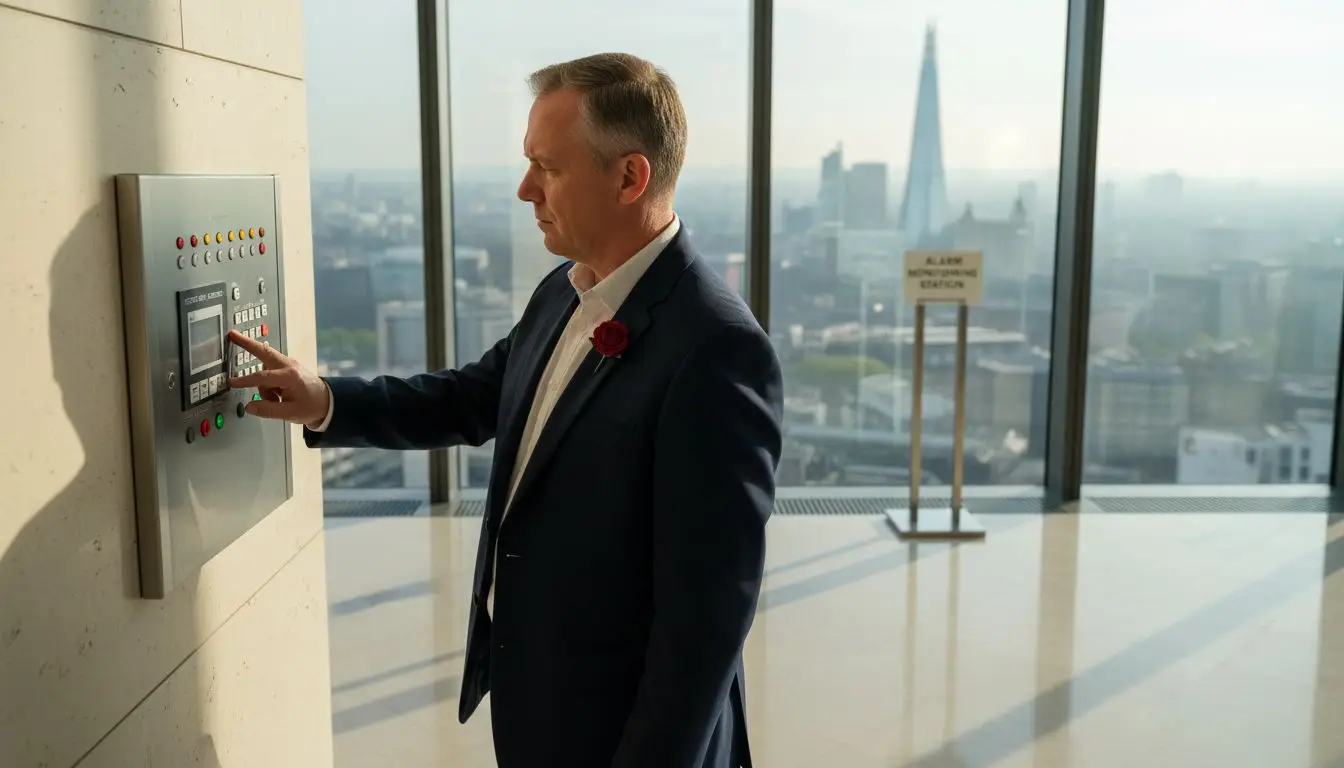
- Remote Monitoring: Enabling real-time surveillance from multiple locations
- High-Resolution Imaging: Capturing detailed visual information for precise identification
- Network Connectivity: Allowing seamless integration with broader security systems
- Motion Detection: Triggering alerts and recordings during suspicious activities
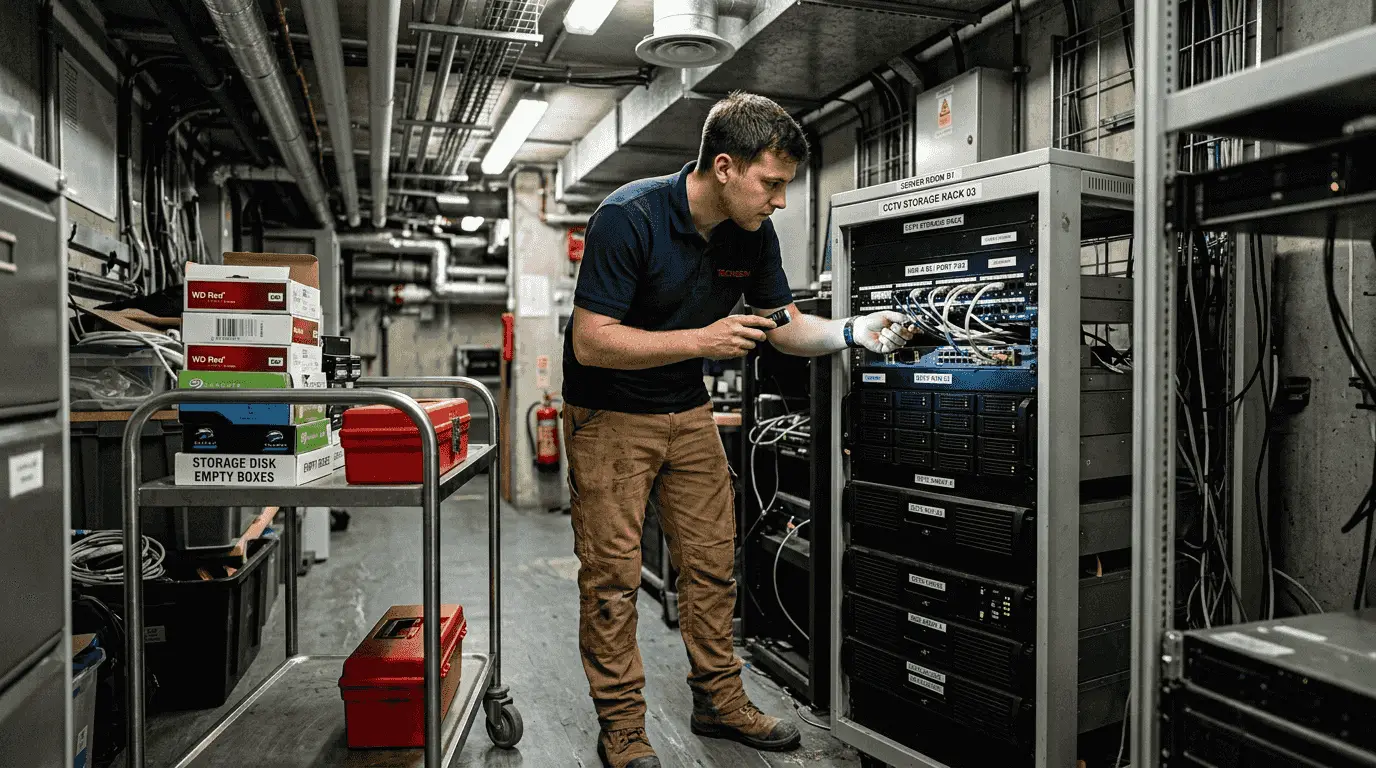
The operational mechanism of CCTV systems involves sophisticated signal processing. Cameras capture visual data, which is then digitally encoded, transmitted through secure networks, and stored in high-capacity storage systems. Advanced algorithms continuously analyse these images, detecting potential security breaches and generating immediate notifications for security personnel.
Modern CCTV technologies transcend traditional surveillance. Artificial intelligence and machine learning enable systems to distinguish between routine activities and genuine security threats, providing retailers with unprecedented insights into store operations. These intelligent systems can track customer movement patterns, identify potential shoplifting behaviours, and generate comprehensive reports that help optimise both security strategies and store layouts.
UK Legal and Compliance Requirements
Retail businesses must navigate a complex landscape of legal obligations when implementing CCTV systems. Understanding CCTV regulations is crucial for maintaining both operational effectiveness and legal compliance.
UK government guidance establishes several critical legal requirements for CCTV deployment:
- Registration: Mandatory registration with the Information Commissioner’s Office (ICO)
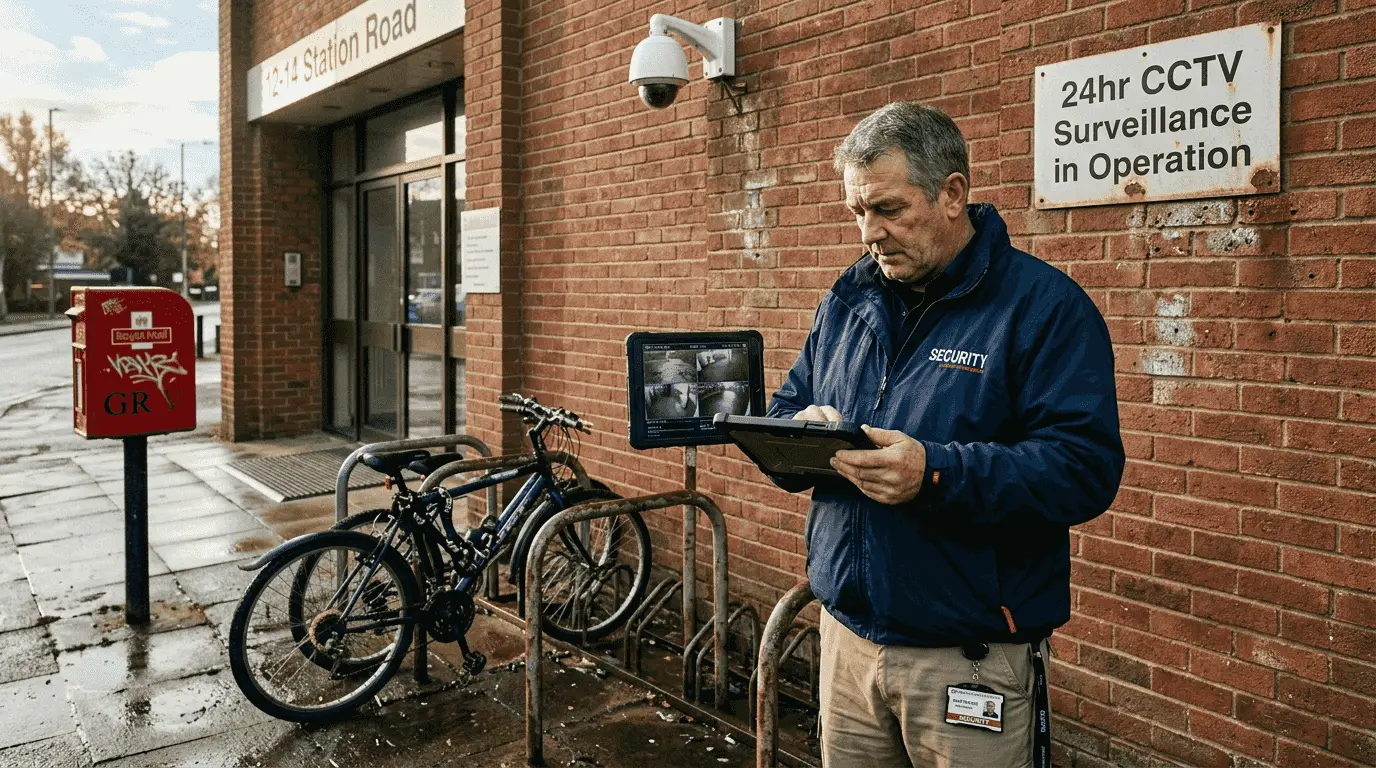
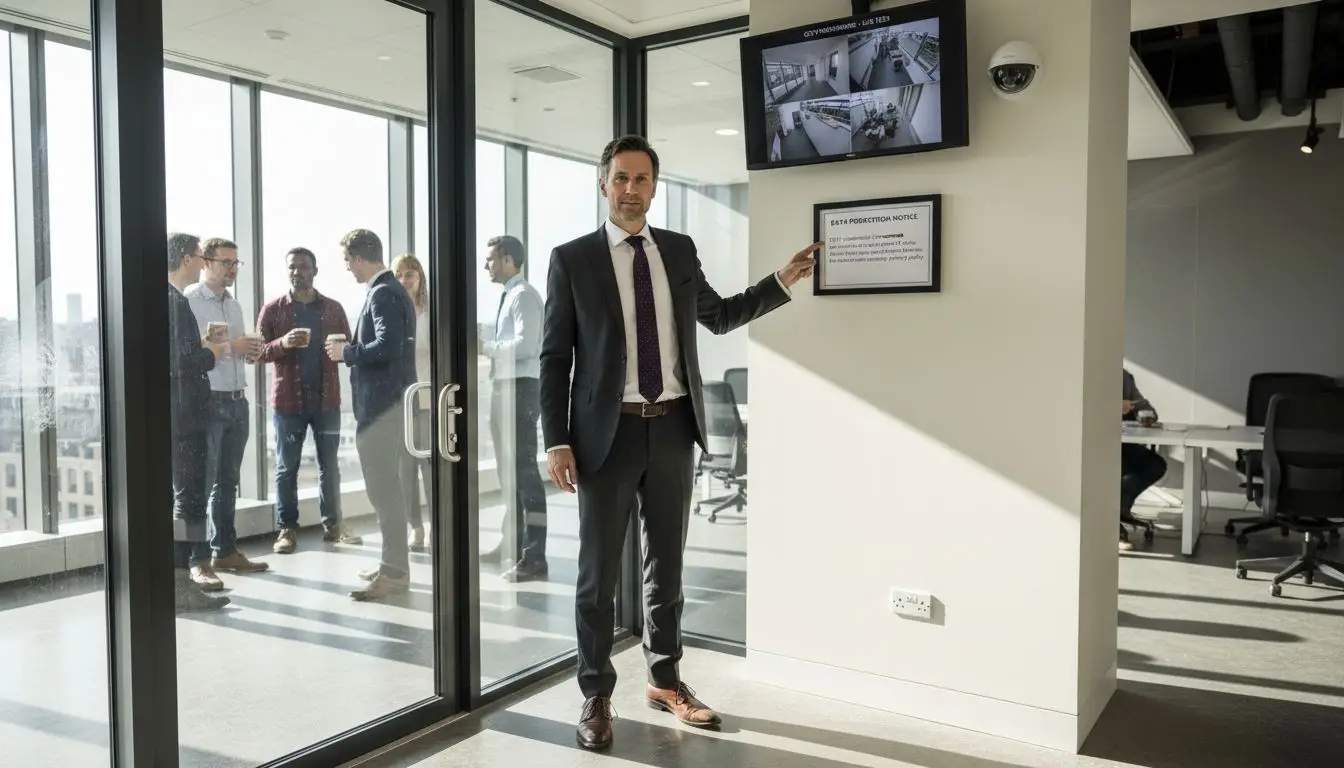
- Signage: Clear and visible warning signs indicating CCTV monitoring
- Data Protection: Strict controls on recording, storing, and accessing footage
- Purpose Limitation: Using surveillance systems exclusively for intended security purposes
- Data Retention: Implementing structured protocols for footage storage and deletion
Business owners must also consider specific licensing requirements. Certain CCTV deployments, particularly in public spaces, require additional certification from the Security Industry Authority. This ensures that surveillance systems are managed professionally and ethically, protecting both business interests and individual privacy rights.
Complex legal frameworks demand meticulous attention to detail. Retailers must develop comprehensive policies that address data protection regulations, maintain transparent communication with staff and customers, and implement robust technical safeguards. Failure to comply can result in significant financial penalties and potential legal challenges, making proactive legal compliance an essential aspect of modern retail security strategy.
Practical Benefits and Common Pitfalls
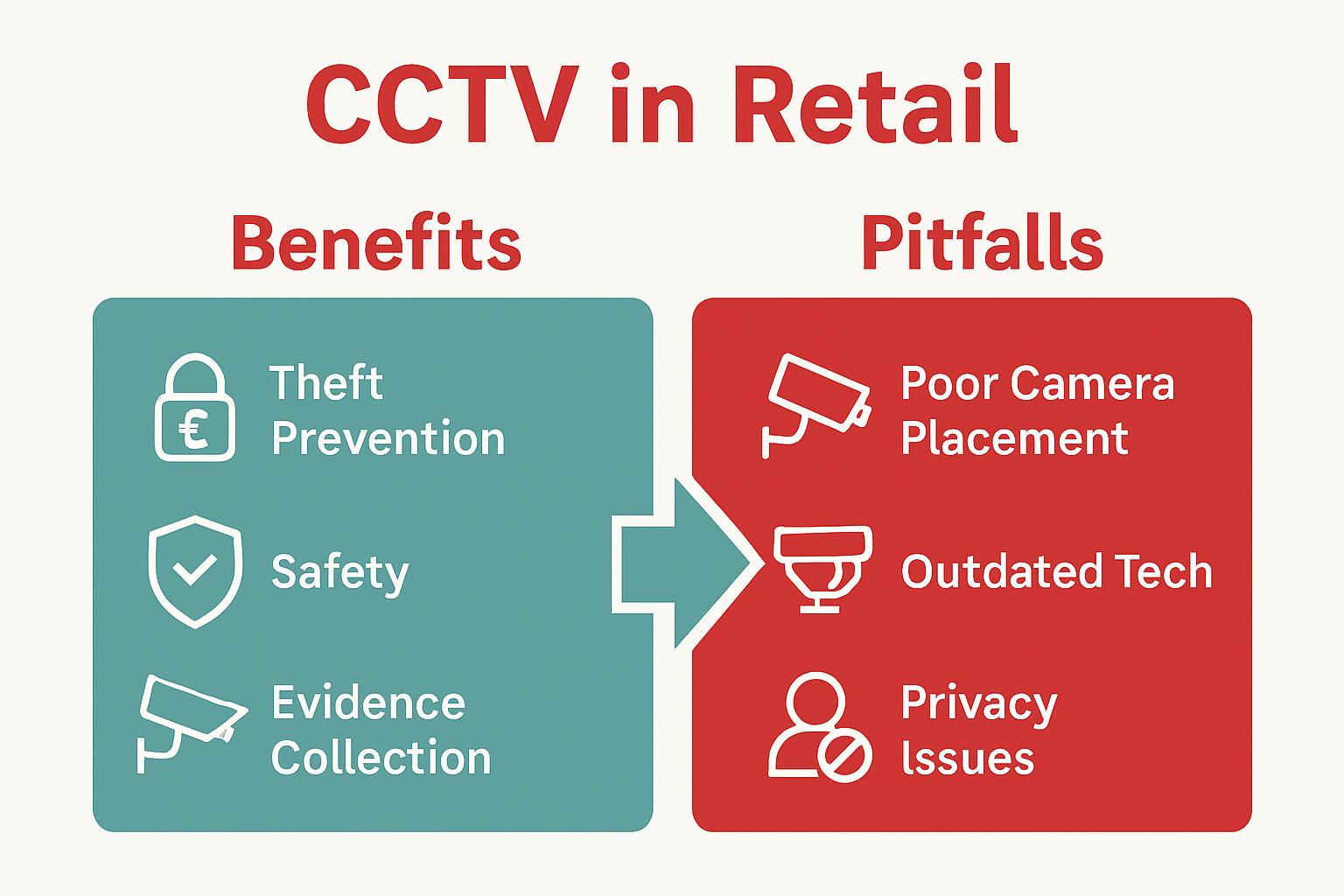
CCTV systems represent a nuanced approach to retail security, offering substantial advantages while presenting potential operational challenges. Business security solutions must be implemented with strategic precision to maximise their effectiveness.
National protective security guidance highlights several critical practical benefits:
- Crime Deterrence: Visual presence of cameras significantly reduces potential criminal activities
- Incident Documentation: Providing precise visual evidence for investigations
- Staff Accountability: Monitoring workplace behaviours and performance
- Customer Safety: Creating a secure shopping environment
- Loss Prevention: Tracking potential theft or inventory discrepancies
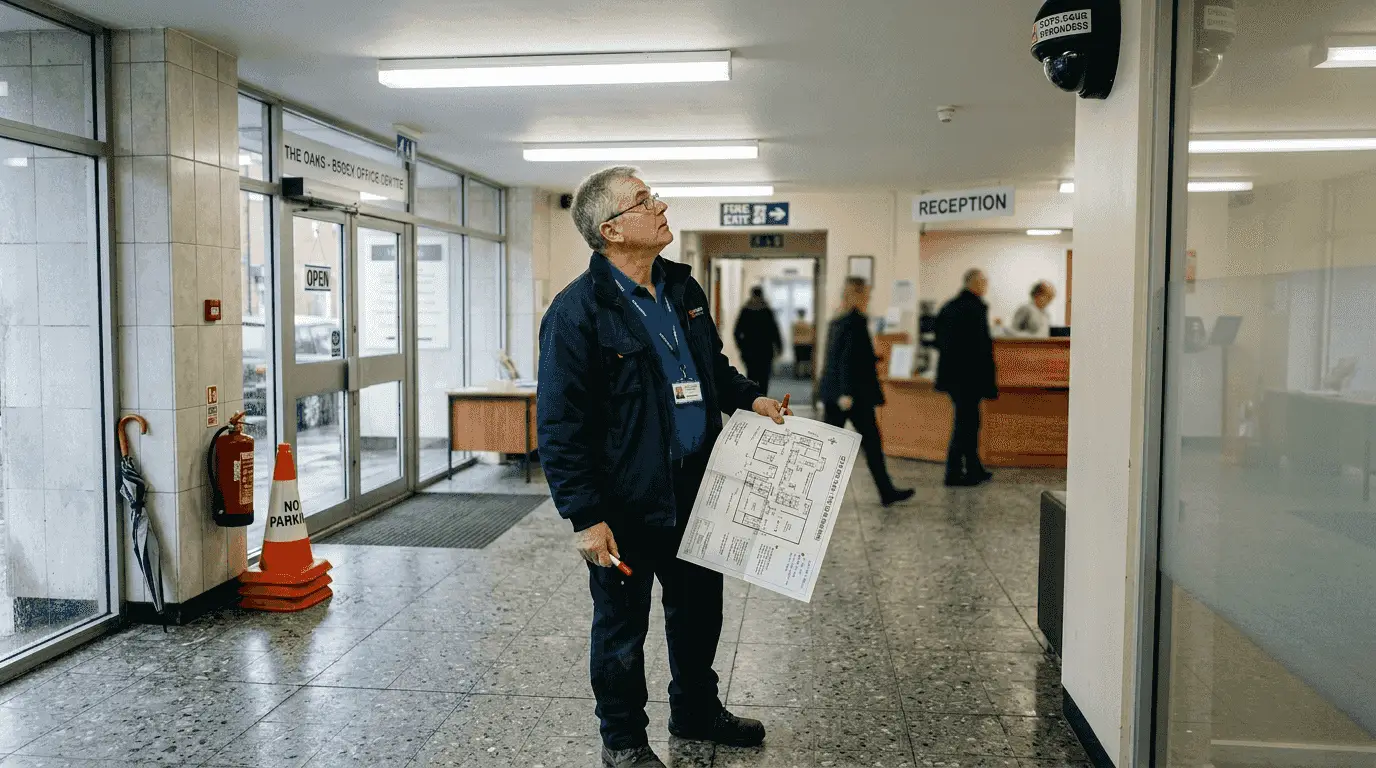
However, retailers must be acutely aware of common implementation pitfalls. Ineffective camera placement, inadequate maintenance, and over-reliance on technology without comprehensive security strategies can significantly diminish CCTV system effectiveness. Successful deployment requires a holistic approach that integrates technological solutions with human oversight and comprehensive security protocols.
The most successful retail security strategies view CCTV not as a standalone solution but as an integrated component of a broader security ecosystem. This means continually updating systems, training personnel, and maintaining a proactive approach to identifying and mitigating potential security vulnerabilities. Strategic implementation transforms CCTV from a passive recording tool into an active, intelligent security management platform.
Secure Your Retail Business with Expert CCTV Solutions
Protecting your retail environment from theft and security breaches is vital for sustained success. This guide highlights the crucial role of CCTV systems in deterring crime, monitoring staff, and ensuring customer safety. But choosing the right technology and complying with legal requirements can be complex. Our team specialises in installing tailored CCTV systems that utilise advanced features like high-resolution imaging and remote monitoring to give you peace of mind.

Take control of your retail security today by partnering with experienced professionals. Discover how commercial CCTV systems can be integrated seamlessly with your business needs. Visit https://www.247cctv.co.uk/ to explore our comprehensive range of security solutions and ensure your premises meet all compliance standards. Don’t wait until vulnerabilities affect your business security act now to protect your assets, staff, and customers with intelligent CCTV installations.
Frequently Asked Questions
What is the primary role of CCTV in retail security?
CCTV plays a crucial role in retail security by providing continuous monitoring, preventing losses, and enhancing safety through real-time incident documentation and crime deterrence.
What types of CCTV cameras are commonly used in retail?
Common types of CCTV cameras used in retail include fixed cameras for specific areas, PTZ cameras for dynamic monitoring, dome cameras for discreet surveillance, and infrared cameras for low-light conditions.
How do modern CCTV systems enhance security compared to traditional systems?
Modern CCTV systems enhance security through features like high-resolution imaging, intelligent video analytics, remote monitoring capabilities, and network connectivity, transforming them into proactive security management platforms.
What are the legal requirements retailers must consider when implementing CCTV systems?
Retailers must ensure compliance with regulations including registration with the Information Commissioner’s Office (ICO), clear signage for CCTV monitoring, strict data protection measures, and purpose limitation for surveillance usage.