Most british homes and businesses face tighter security concerns as technology evolves. Over 80 percent of property owners now rely on surveillance systems to protect people and assets. HD CCTV stands out because it delivers crystal-clear video, making it much easier to spot details that matter most. Understanding what HD CCTV really means can help anyone choose the right tools for reliable security and peace of mind.
Key Takeaways
| Point | Details |
|---|---|
| High Definition CCTV | HD CCTV provides superior video quality with resolutions of 720p and 1080p, enabling precise identification for security monitoring. |
| Diverse System Types | Various configurations such as IP network cameras, analogue HD cameras, and wireless systems cater to different security needs. |
| Operational Workflow | Key components include image sensors and video processors that enhance and transmit high-resolution footage for effective surveillance. |
| Legal Compliance | Adhering to UK regulations, including clear signage and data protection measures, is essential for responsible CCTV operation. |
What Is HD CCTV? Core Definition Explained
HD CCTV represents a significant technological advancement in surveillance systems, delivering crystal-clear video monitoring for property security. According to Wikipedia, High Definition Closed Circuit Television (HDcctv) is an open industrial standard designed specifically for transmitting uncompressed high-definition video over coaxial cable in surveillance applications.
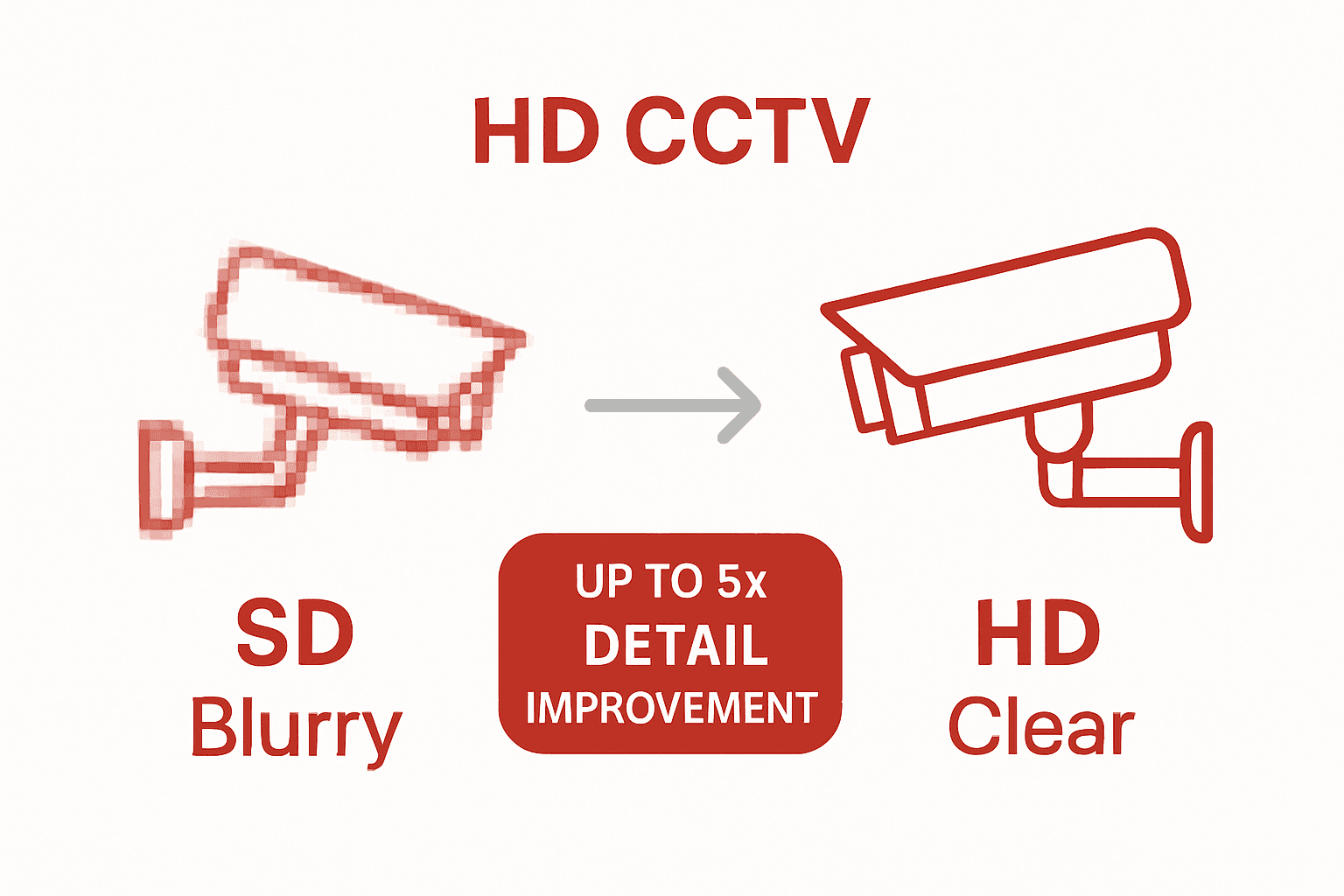
The core technology utilises the SMPTE HD-SDI protocol, which enables professional-grade video transmission at impressive resolutions of 720p or 1080p. This means property owners can capture incredibly detailed footage across distances of at least 100 metres, providing unprecedented visual clarity for security monitoring. Unlike standard definition systems, HD CCTV offers sharp images that allow precise identification of individuals, vehicle number plates, and critical security details.
Key characteristics of HD CCTV include:
- Uncompressed video transmission
- High-resolution imagery (720p and 1080p)
- Extended transmission distances
- Professional-grade surveillance capabilities
- Enhanced visual detail compared to traditional CCTV systems
For businesses and homeowners seeking comprehensive security solutions, 7 Essential CCTV Features List for Secure Properties provides additional insights into selecting the most appropriate surveillance technology for specific security requirements.
Types of HD CCTV Systems in the UK
In the United Kingdom, HD CCTV systems have evolved to offer multiple sophisticated configurations tailored to diverse security requirements. Commercial CCTV Systems Explained: Complete Guide UK highlights the breadth of available technologies designed to meet specific surveillance needs across residential, commercial, and industrial environments.
Analogue HD Systems represent a crucial category, providing significant image quality improvements over traditional standard definition cameras. These systems leverage existing coaxial cable infrastructure, enabling cost-effective upgrades for properties with legacy installations. Typical resolutions range from 720p to 1080p, delivering crisp visual details that support precise security monitoring.
Modern HD CCTV systems can be categorised into several distinct types:
- IP Network Cameras: Digital systems transmitting video over computer networks
- Analogue HD Cameras: High-definition cameras using traditional coaxial cabling
- Hybrid Systems: Combining analogue and digital technologies
- Wireless HD CCTV: Camera systems operating without physical cable connections
For property owners seeking comprehensive security guidance, How CCTV Works: Complete Guide for UK Properties offers in-depth insights into selecting and implementing the most appropriate surveillance solution for specific security requirements.
How HD CCTV Systems Operate
HD CCTV systems function through a sophisticated network of interconnected components designed to capture, transmit, and store high-resolution video footage. Complete Guide to the Role of CCTV Monitoring explains that the core operational process involves capturing visual data through advanced imaging sensors and processing this information with remarkable precision.
The operational workflow of HD CCTV systems typically involves several critical stages. Image Capture begins with high-resolution cameras equipped with advanced sensors that convert light into electronic signals. These sensors can range from Charge-Coupled Devices (CCD) to Complementary Metal-Oxide-Semiconductor (CMOS) technologies, each offering unique advantages in image quality and light sensitivity. After capturing the image, the system immediately begins signal processing, converting raw visual data into a digital format suitable for transmission and storage.
Key operational components include:

- Image Sensors: Capturing visual information with high precision
- Video Processors: Converting and enhancing raw image data
- Network Transmission Units: Routing video signals across designated networks
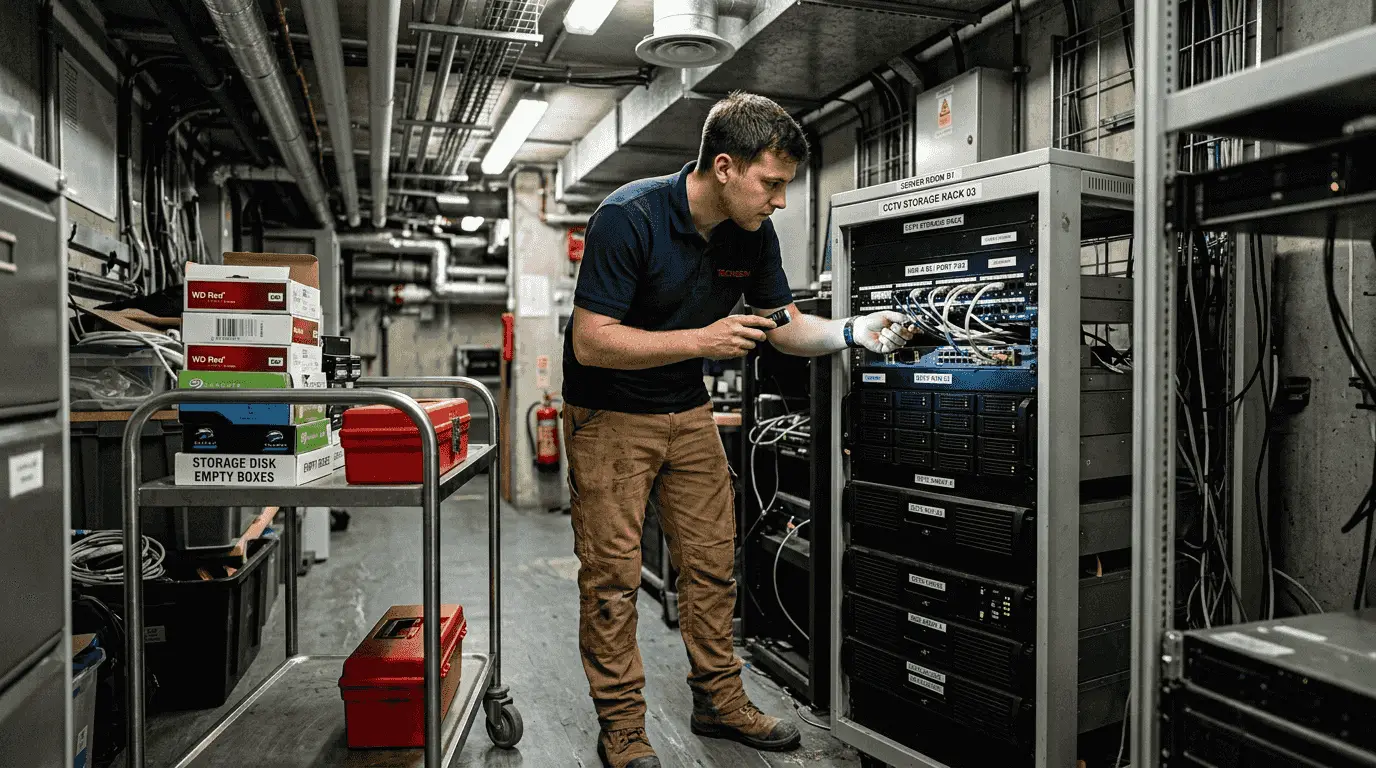
- Storage Devices: Recording and archiving captured footage
- User Interface: Providing monitoring and control capabilities
For property owners seeking deeper insights into system functionality, 6 Key CCTV System Features to Look For provides comprehensive guidance on understanding the intricate technical components that make modern HD CCTV systems so effective at maintaining security.
Key Features and Real-World Applications
HD CCTV systems have revolutionised security monitoring across various sectors, offering robust features that extend far beyond traditional surveillance capabilities. Complete Guide to the Role of CCTV in Security highlights the transformative potential of these advanced monitoring technologies in protecting both commercial and residential properties.
The key features of modern HD CCTV systems make them incredibly versatile and powerful. High-Resolution Imaging allows for crystal-clear video capture, enabling precise identification of individuals, vehicles, and critical details even in challenging lighting conditions. Advanced systems now incorporate intelligent analytics, including motion detection, facial recognition, and automated threat assessment, which dramatically enhance security effectiveness. These sophisticated capabilities transform CCTV from passive recording to active security management.
Real-world applications span multiple critical sectors:
- Retail Environments: Preventing theft and monitoring customer behaviour
- Industrial Facilities: Ensuring workplace safety and monitoring complex operations
- Educational Institutions: Protecting students and monitoring campus security
- Healthcare Facilities: Maintaining patient safety and tracking critical areas
- Transportation Hubs: Managing crowd flow and detecting potential security risks
For property owners and security professionals seeking to understand the full potential of these systems, 6 Key CCTV System Features to Look For provides comprehensive insights into selecting and implementing the most effective HD CCTV solutions for specific security requirements.
Legal and Compliance Rules for CCTV Use
Navigating the legal landscape of CCTV installation requires a comprehensive understanding of UK regulations designed to protect individual privacy while enabling effective security monitoring. According to Wikipedia, the UK’s Surveillance Camera Code of Practice, introduced under the Protection of Freedoms Act 2012, provides critical guidelines for the responsible operation of CCTV systems, emphasising accountability and protecting individual privacy rights.
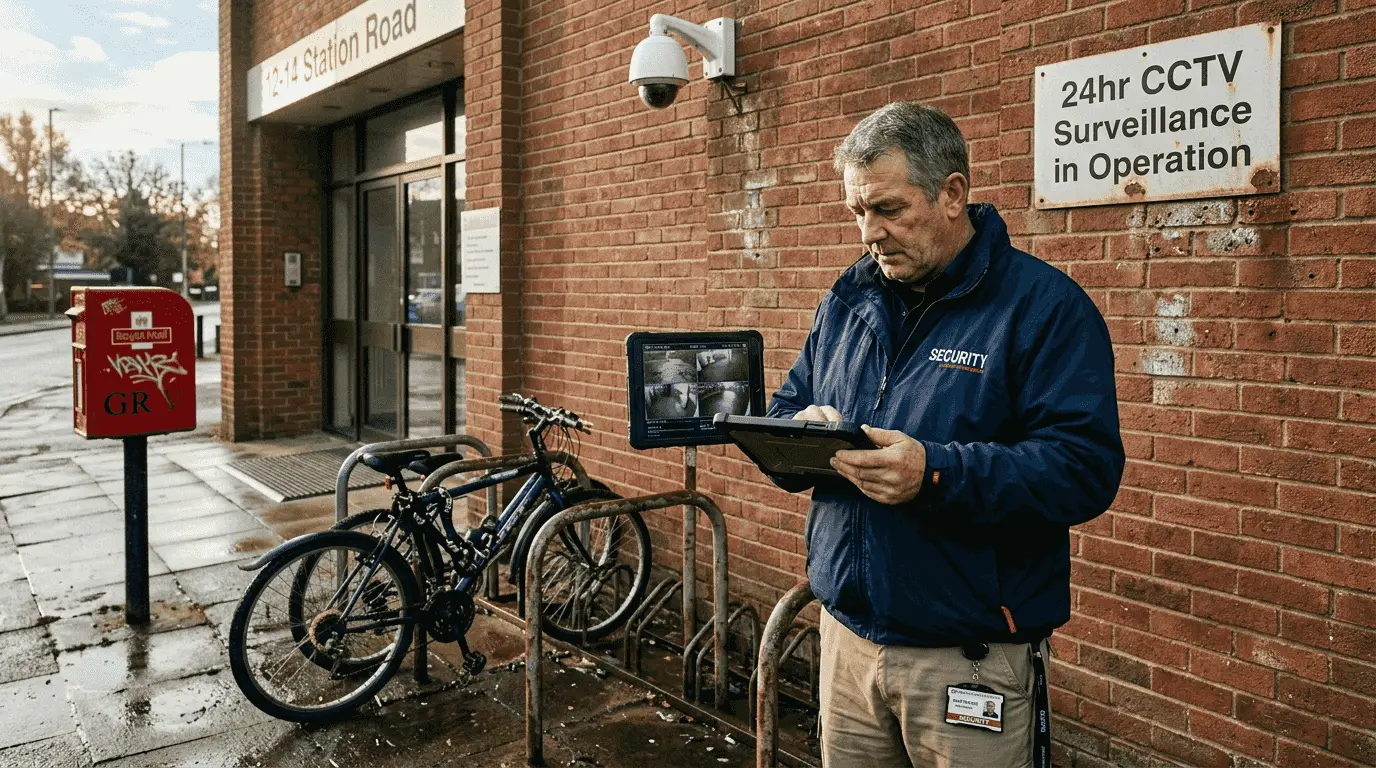
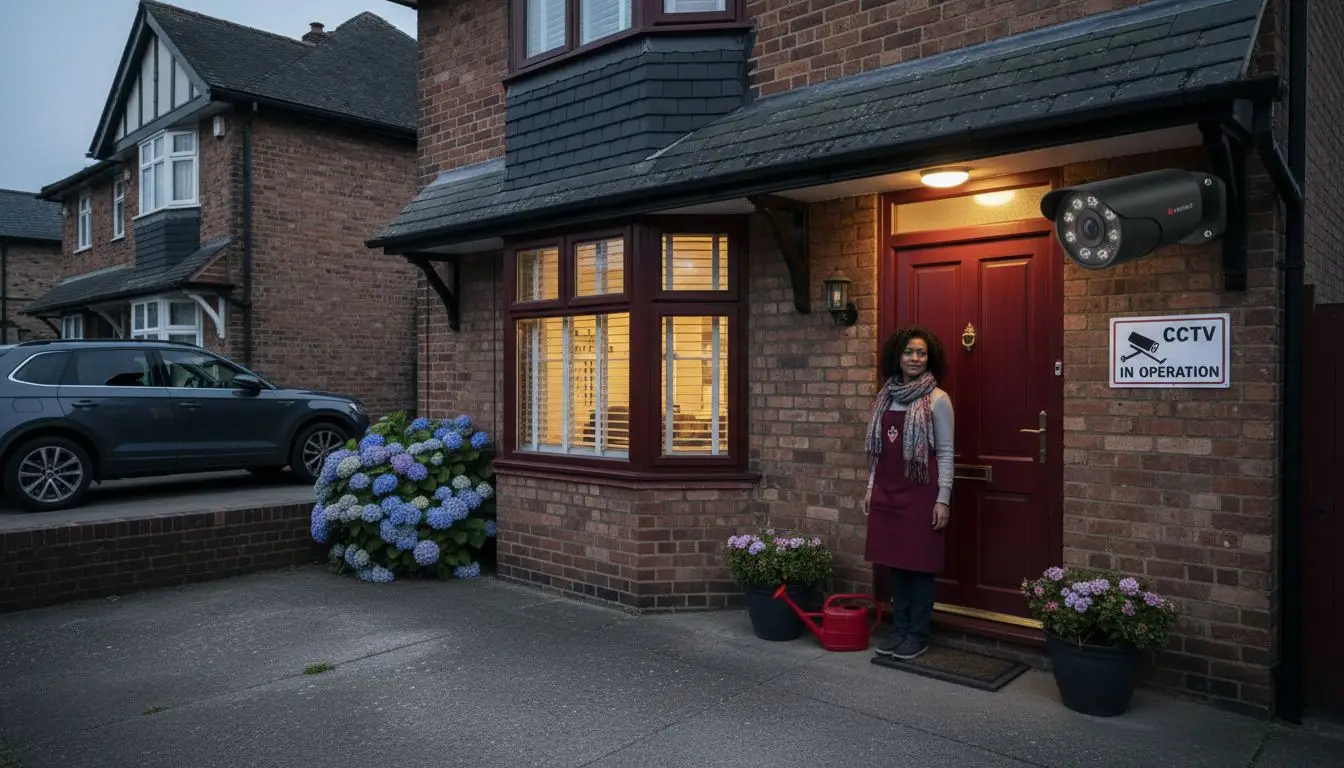
Key Legal Considerations for CCTV deployment involve several critical compliance requirements. Property owners must ensure transparent communication about surveillance, including clear signage indicating camera locations and the purpose of monitoring. The Information Commissioner’s Office (ICO) mandates that CCTV systems must be proportional to the security need, collecting only necessary visual data and storing it securely for limited periods. CCTV Regulations in Essex: Essential Guide provides detailed insights into navigating these complex regulatory frameworks.
Critical compliance guidelines include:
- Obtaining necessary permissions before installation
- Displaying clear warning signs about surveillance
- Limiting camera coverage to specific security-related areas
- Implementing robust data protection mechanisms
- Ensuring footage is accessed only by authorised personnel
- Regularly reviewing and updating security protocols
For businesses and property managers seeking comprehensive guidance, Warehouse CCTV Explained: Security, Types, and Laws offers an in-depth exploration of how to implement CCTV systems while maintaining strict legal and ethical standards.
Choosing and Installing HD CCTV Effectively
Selecting and implementing an effective HD CCTV system requires strategic planning and careful consideration of multiple technical and security factors. CCTV Installation Guide: Secure Your Property Easily emphasises the importance of a methodical approach to creating a robust security infrastructure that meets both technical specifications and specific property requirements.
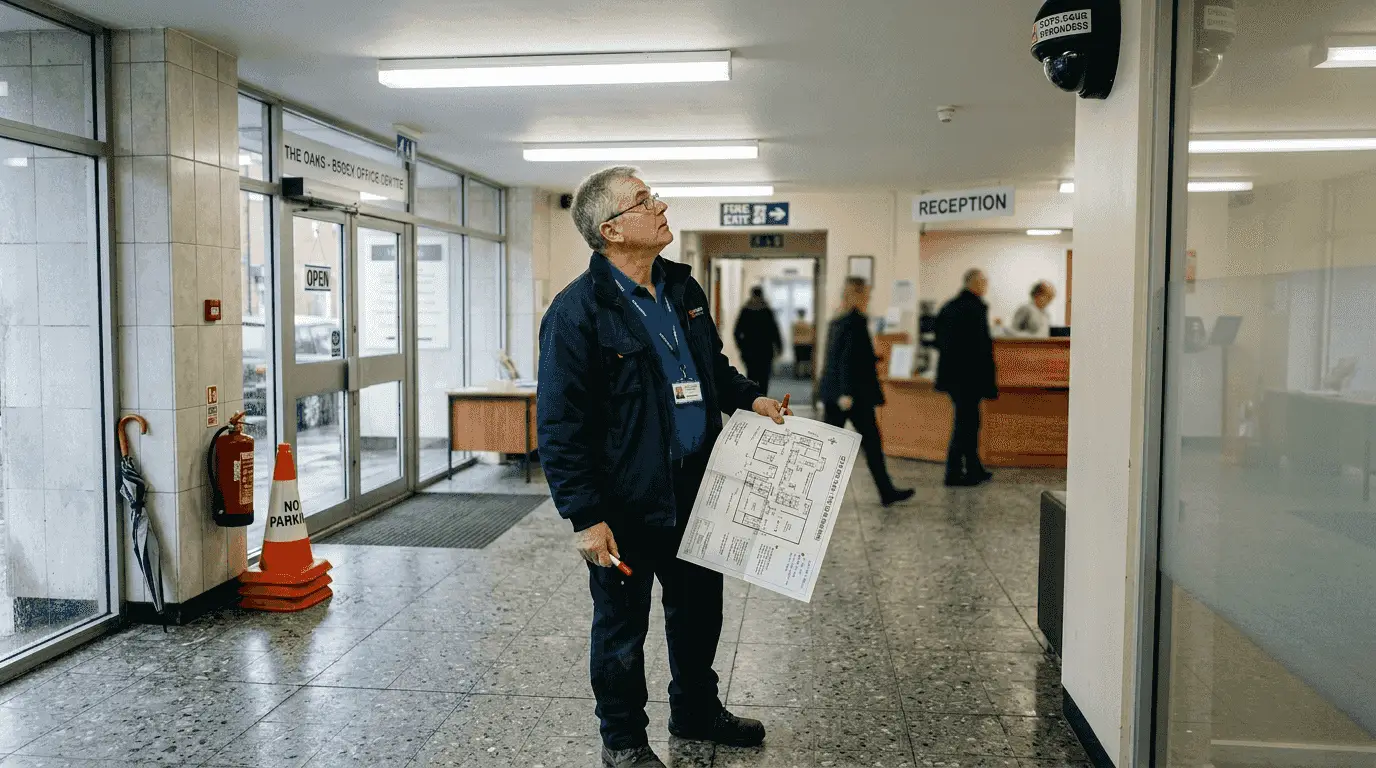
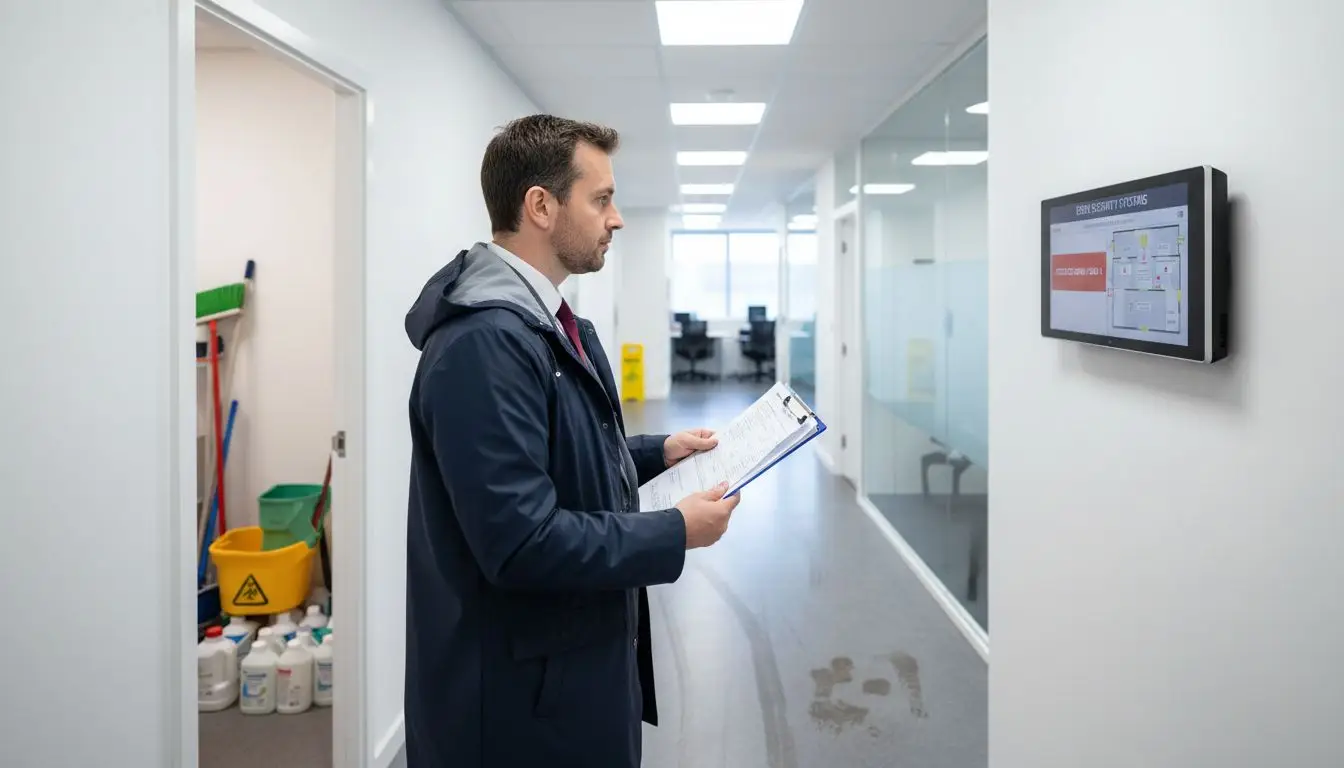
Before installation, property owners must conduct a comprehensive site assessment to determine optimal camera placement and coverage. This involves identifying critical surveillance zones, understanding lighting conditions, and mapping potential blind spots. Key technical considerations include camera resolution, field of view, low-light performance, and compatibility with existing network infrastructure. Professional security assessors typically recommend a combination of fixed and pan-tilt-zoom (PTZ) cameras to create a comprehensive monitoring strategy that adapts to different environmental challenges.
Essential steps for effective HD CCTV installation include:
- Conducting thorough site security risk assessment
- Selecting cameras with appropriate resolution and features
- Planning strategic camera positioning
- Ensuring robust network and power infrastructure
- Implementing secure data storage solutions
- Configuring remote monitoring capabilities
- Testing and calibrating system performance
For residential and commercial property owners seeking detailed guidance, Residential Camera Installation: Step-by-Step Success Guide offers comprehensive insights into navigating the complexities of modern HD CCTV system deployment.
Secure Your Property with Expert HD CCTV Installation
Understanding the technical details and legal responsibilities of HD CCTV is just the start of protecting your home or business. If you are concerned about capturing high-resolution footage, ensuring legal compliance, and deploying the right system to meet your unique security needs, you are not alone. Many property owners worry about vulnerable blind spots, unclear video quality, and navigating complex CCTV laws.

At 247 CCTV, we specialise in installing professional HD CCTV systems that combine cutting-edge technology with full compliance to UK regulations. Whether you need a complete security overhaul or an upgrade to your existing setup, our expert team will guide you from initial site assessment through to seamless installation. Explore our CCTV Installation Guide for a detailed overview of what to expect and how we ensure your system keeps you safe and confident every day.
Take the next step to remove guesswork from your security. Visit 247 CCTV today and arrange a tailored consultation that turns your HD CCTV knowledge into powerful protection.
Frequently Asked Questions
What is HD CCTV and how does it differ from standard CCTV?
HD CCTV, or High Definition Closed Circuit Television, delivers uncompressed high-definition video monitoring over coaxial cable, offering superior image clarity compared to standard CCTV systems, which typically provide lower resolution footage.
What are the key features of HD CCTV systems?
Key features of HD CCTV systems include uncompressed video transmission, high-resolution imaging (720p or 1080p), extended transmission distances, and advanced surveillance capabilities such as motion detection and facial recognition.
How do I choose the right type of HD CCTV system for my property?
Choosing the right HD CCTV system involves considering your specific security needs, evaluating camera types (such as IP, analogue HD, hybrid, or wireless), and conducting a site assessment to determine optimal camera placement and technical specifications.
What are the legal requirements for installing HD CCTV?
Legal requirements for installing HD CCTV include obtaining necessary permissions, displaying clear signage about surveillance, ensuring proportional data collection, and implementing robust data protection measures, in accordance with the UK’s Surveillance Camera Code of Practice.