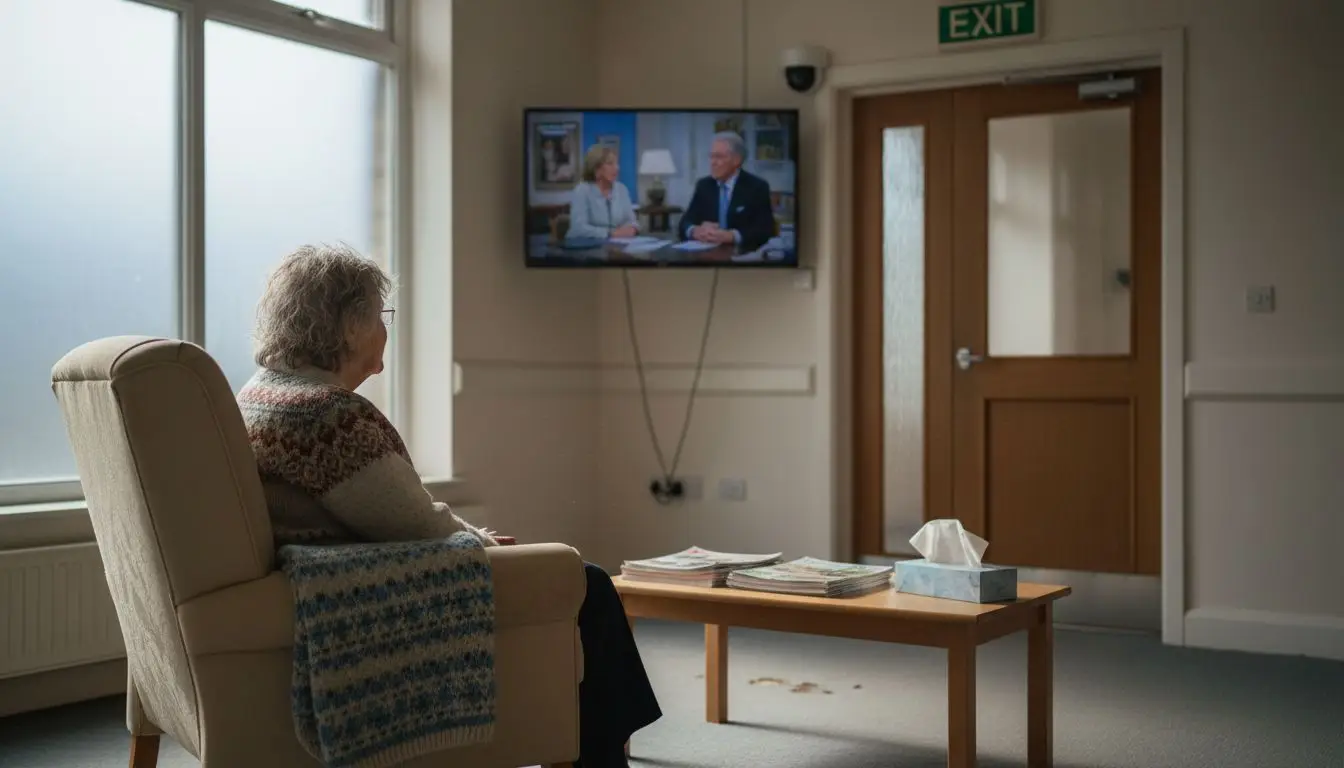
Finding the right balance between resident safety and respecting privacy can feel like a daily challenge in care homes across Essex. With CCTV systems increasingly seen as tools to prevent incidents and reassure families, the expectations for legal compliance and ethical standards are higher than ever. This guide highlights the core principles of lawful CCTV installation, explaining how to safeguard vulnerable people while meeting Data Protection and Care Quality Commission requirements with clarity and confidence.
Key Takeaways
| Point | Details |
|---|---|
| Resident Consent is Crucial | Care homes must obtain explicit consent from residents and families before deploying CCTV to respect individual rights and privacy. |
| Compliance with Legislation is Essential | Surveillance practices must align with UK laws, including the Data Protection Act and the Human Rights Act, to ensure lawful and ethical monitoring. |
| Prioritise Dignity and Autonomy | CCTV systems should enhance safety while minimising intrusion, ensuring that residents’ dignity and personal space are respected. |
| Regular Review and Consultation | Continuous assessment of surveillance policies and ongoing discussions with residents are vital for maintaining trust and compliance. |
CCTV in Care Homes: The Core Principles
Care homes must navigate complex privacy considerations when implementing CCTV surveillance systems. The fundamental goal is protecting vulnerable residents while maintaining their dignity and autonomy. Care Quality Commission standards emphasise person-centred approaches that prioritise individual consent and respect.
The core principles for CCTV deployment in care home environments include:
- Obtaining explicit resident and family consent
- Limiting camera placement to common areas only
- Ensuring transparent monitoring protocols
- Protecting recorded footage with strict security measures
- Regular review of surveillance practices
Professional CCTV installation requires careful consideration of placement and operational guidelines. Ethical monitoring means creating systems that respect residents’ privacy while maintaining safety. The National Security Inspectorate provides detailed codes of practice that help care homes implement surveillance responsibly.
Surveillance must enhance resident safety without compromising personal dignity or autonomy.
Important legal and ethical considerations demand a nuanced approach. Care homes must balance safety needs with residents’ fundamental right to privacy, ensuring cameras serve protective rather than invasive purposes.
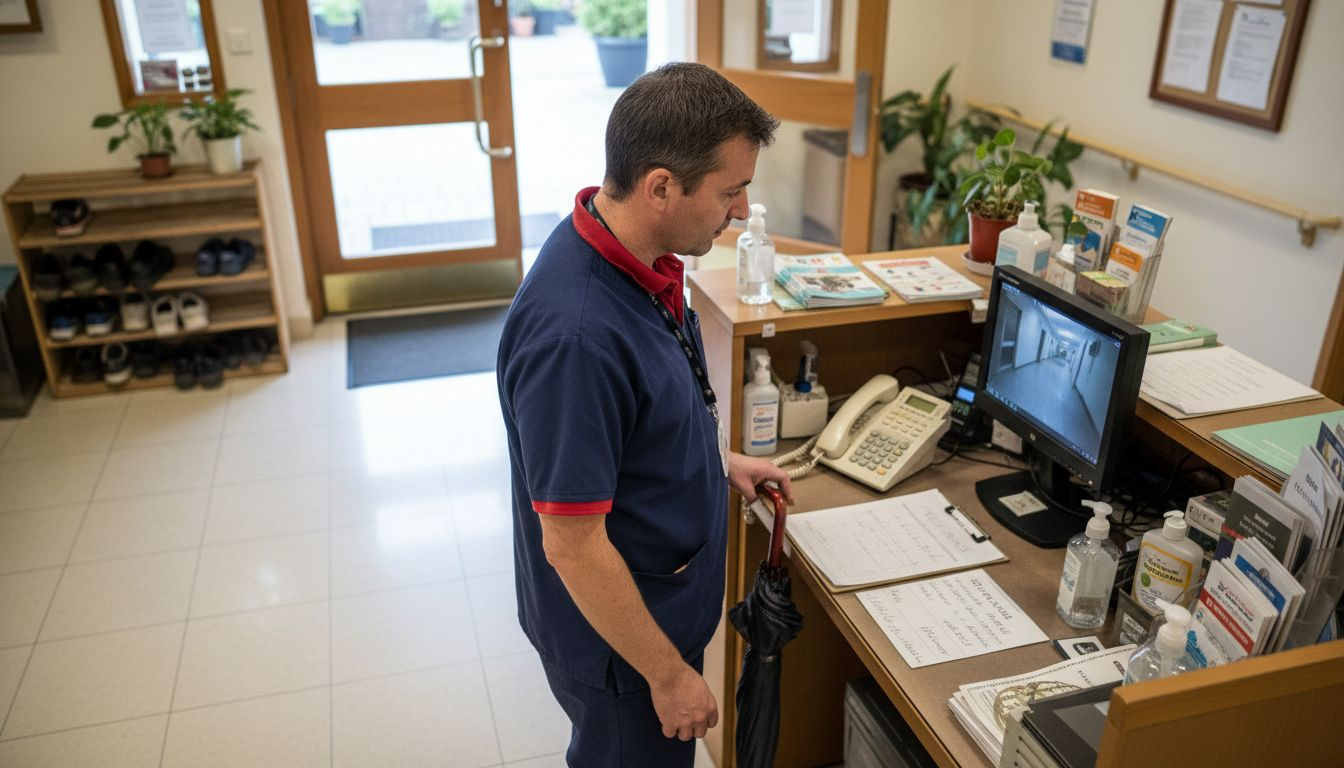
Pro tip: Consult residents and families during CCTV system planning to build trust and demonstrate commitment to transparent, respectful monitoring practices.
Key UK Legislation Governing Surveillance
CCTV surveillance in care homes operates within a complex legal landscape governed by multiple legislative frameworks. Data protection regulations establish critical guidelines for responsible monitoring, ensuring vulnerable residents’ rights are comprehensively protected.
The primary legislative instruments governing surveillance include:
- Health and Social Care Act 2008
- Regulation of Investigatory Powers Act 2000
- Data Protection Act 2018
- UK General Data Protection Regulation (UK GDPR)
- Human Rights Act 1998
Each piece of legislation contributes unique protections. The Data Protection Act mandates that organisations process personal data lawfully, fairly, and transparently. Care homes must demonstrate a clear, legitimate purpose for surveillance, obtain explicit consent, and implement robust security measures to protect recorded footage.
To help clarify key surveillance laws, here is a summary of how major UK legislation applies to CCTV in care homes:
| Legislation | Primary Focus | Impact on Care Home CCTV | Key Compliance Point |
|---|---|---|---|
| Data Protection Act 2018 | Personal data handling | Lawful data processing required for all recorded footage | Implement security and obtain consent |
| Human Rights Act 1998 | Right to privacy | Monitoring must not breach residents’ private life | Minimise intrusion into private spaces |
| Regulation of Investigatory Powers Act 2000 | Lawful surveillance | Governs circumstances where covert monitoring is allowed | Only in exceptional, authorised cases |
| Health and Social Care Act 2008 | Care standards | Emphasises dignity and individual rights | Align systems with regulatory standards |
| UK GDPR | Data protection and rights | Explicit consent and fair processing principles | Demonstrate necessity and transparency |
Surveillance must balance organisational safety requirements with individual privacy rights, ensuring dignified and respectful monitoring.
Specific legal requirements demand comprehensive data protection impact assessments before implementing CCTV systems. These assessments help organisations identify potential privacy risks, establish appropriate mitigation strategies, and ensure compliance with stringent regulatory standards.
Pro tip: Consult legal professionals specialising in data protection to develop a comprehensive surveillance strategy that meets all regulatory requirements.
Types of CCTV and Lawful Use Cases
CCTV surveillance in care home environments encompasses various technological approaches, each with specific legal considerations. Surveillance technology guidelines outline multiple camera types designed to enhance resident safety while protecting individual privacy rights.
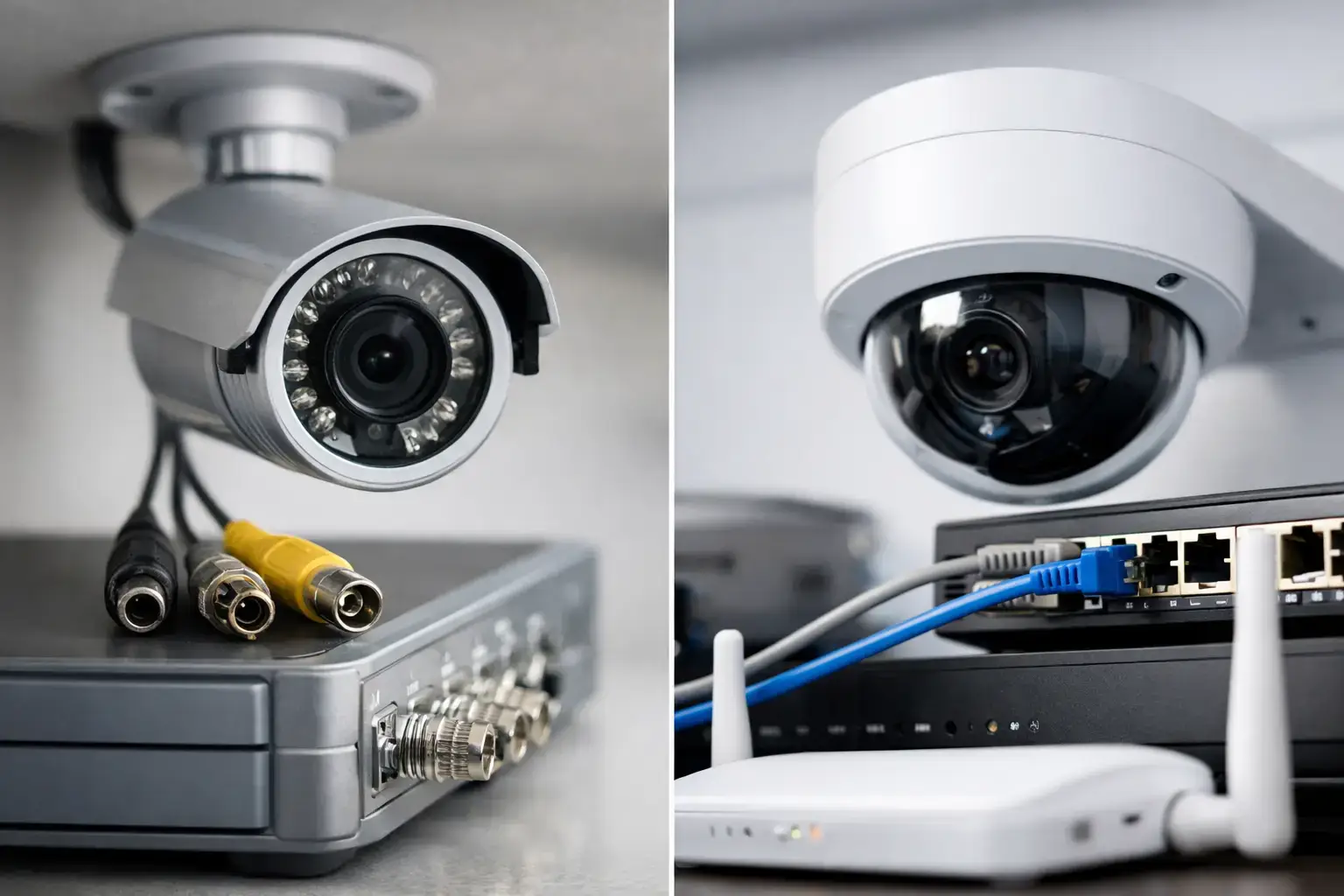
The primary types of CCTV systems suitable for care home environments include:
- Fixed Cameras
- Stationary positioning
- Continuous monitoring of specific areas
- Pan-Tilt-Zoom (PTZ) Cameras
- Remote directional control
- Wider coverage capabilities
- Thermal Imaging Cameras
- Night-time monitoring
- Temperature detection
- Body-Worn Cameras
- Personal safety documentation
- Incident verification
Lawful deployment requires demonstrating clear operational necessity. Care homes must establish explicit purposes such as protecting vulnerable residents, preventing potential abuse, and maintaining overall facility security. Each camera installation demands comprehensive documentation explaining its specific rationale and anticipated benefits.
The following table compares common types of CCTV systems used in care homes and their most suitable applications:
| CCTV Type | Typical Use in Care Homes | Distinct Advantage |
|---|---|---|
| Fixed Camera | General area monitoring | Consistent, non-intrusive coverage |
| PTZ Camera | Large communal spaces | Flexible remote view adjustment |
| Thermal Imaging | Night-time and health monitoring | Detects movement in darkness or temperature anomalies |
| Body-Worn | Staff or visitor interactions | Provides first-person incident evidence |
Surveillance must always prioritise resident dignity, with camera placement carefully considered to minimise intrusive monitoring.
Covert surveillance remains strictly regulated, permissible only under exceptional circumstances with explicit legal authorisation. Care home managers must consistently balance safety requirements with residents’ fundamental rights to privacy and personal autonomy.
Pro tip: Conduct regular privacy impact assessments to ensure your CCTV strategy remains legally compliant and ethically sound.
Resident Rights, Consent and Consultation Duties
Care home managers must navigate complex ethical and legal requirements when implementing surveillance systems. Fundamental care standards emphasise the critical importance of maintaining resident dignity, autonomy, and informed participation in decisions affecting their privacy.
Key resident rights in surveillance contexts include:
- Right to Informed Consent
- Transparent communication about camera placement
- Clear explanation of monitoring purposes
- Opportunity to raise objections
- Right to Privacy
- Limited camera coverage in personal spaces
- Protection from unnecessary intrusion
- Mental Capacity Considerations
- Special provisions for residents with reduced decision-making abilities
- Consulting legal representatives or next of kin
- Ongoing Consultation
- Regular meetings to discuss surveillance policies
- Feedback mechanisms for resident input
The Mental Capacity Act 2005 provides crucial guidance for situations where residents might not fully comprehend surveillance implications. Care providers must conduct thorough capacity assessments, ensuring any monitoring respects individual cognitive capabilities and personal preferences.
Surveillance decisions must prioritise resident wellbeing, treating each individual with profound respect and personal agency.
Documentation becomes paramount. Detailed records of consultations, consent processes, and ongoing reviews demonstrate a commitment to transparent, resident-centred care practices. Each decision must be carefully justified, with residents or their representatives actively involved in the process.
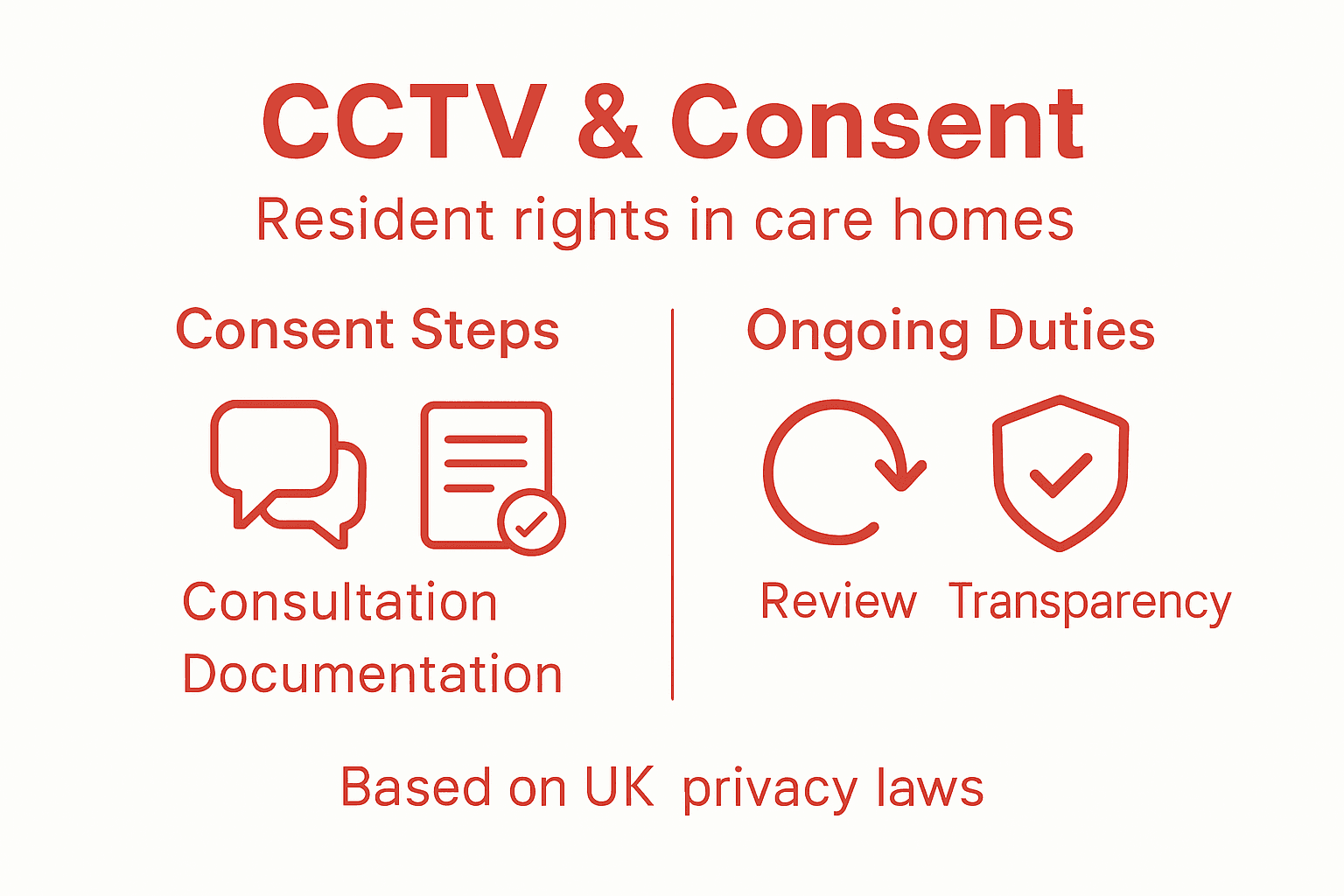
Pro tip: Create a collaborative surveillance policy document that residents and their families can review and contribute to, fostering trust and transparency.
Risks, Liabilities and Preventing Common Pitfalls
Care home managers must understand the complex legal landscape surrounding CCTV surveillance. Common surveillance risks can lead to significant legal and regulatory challenges if not carefully managed.
Key potential risks and liability areas include:
- Data Protection Breaches
- Unauthorised footage access
- Inadequate data storage protocols
- Insufficient security measures
- Legal Non-Compliance
- Violation of privacy regulations
- Failure to obtain proper consent
- Inappropriate camera positioning
- Reputational Damage
- Loss of resident and family trust
- Potential negative media exposure
- Regulatory investigation risks
- Operational Vulnerabilities
- Inconsistent monitoring practices
- Poor staff training
- Lack of clear operational guidelines
Professional risk mitigation demands comprehensive strategies. Care homes must develop robust policies addressing data protection, staff training, and clear operational protocols to minimise potential legal exposures.
Proactive risk management is fundamentally more effective than reactive legal defence strategies.
Technical safeguards are crucial. This includes secure data storage systems, restricted access controls, regular system audits, and comprehensive staff training programmes that emphasise ethical surveillance practices and legal compliance.
Pro tip: Conduct annual independent privacy impact assessments to identify and address potential surveillance vulnerabilities before they become legal issues.
Protect Your Care Home with Expertise and Respect for Privacy
CCTV in care homes demands a delicate balance between safety and privacy. The key challenges include obtaining informed consent, securely handling recorded footage and ensuring transparent monitoring to uphold resident dignity. At 247cctv.co.uk, we understand these critical needs and specialise in installing CCTV systems tailored for care environments, focusing on lawful data protection and ethical surveillance principles.

Ensure your care home meets all regulatory requirements while safeguarding residents’ rights. Trust our expert team to provide CCTV solutions that prioritise privacy, consent and security. Act now to implement a compliant system that reassures residents and families alike. Discover how we can help by visiting our website and learn more about our professional CCTV installation services. Take the first step towards responsible surveillance today.
Frequently Asked Questions
What are the core principles of implementing CCTV in care homes?
The core principles include obtaining explicit consent from residents and families, limiting camera placement to common areas, ensuring transparent monitoring protocols, protecting recorded footage, and regularly reviewing surveillance practices.
How does UK legislation regulate CCTV use in care homes?
Key legislation, including the Data Protection Act 2018 and the Human Rights Act 1998, governs how care homes must handle surveillance footage, ensuring lawful processing and residents’ privacy rights are respected.
What types of CCTV systems are suitable for care homes?
Suitable CCTV systems include fixed cameras for constant monitoring, PTZ cameras for larger areas, thermal imaging cameras for night monitoring, and body-worn cameras for documenting staff interactions and incidents.
What risks should care homes be aware of when implementing CCTV?
Key risks include data protection breaches, legal non-compliance, reputational damage, and operational vulnerabilities. Care homes must develop robust policies and conduct regular assessments to mitigate these risks.
Recommended
- CCTV Compliance 2025 – What Every Care Home and Business Must Know – 247 CCTV Security Ltd
- Care Home Essentials – 247 CCTV Security Ltd
- Care Home Essentials – 247 CCTV Security Ltd
- Privacy and CCTV: Key Compliance for UK Businesses – 247 CCTV Security Ltd
- Dal DL 159/2025 alla Legge 198/2025: Tutto quello che c’è da sapere