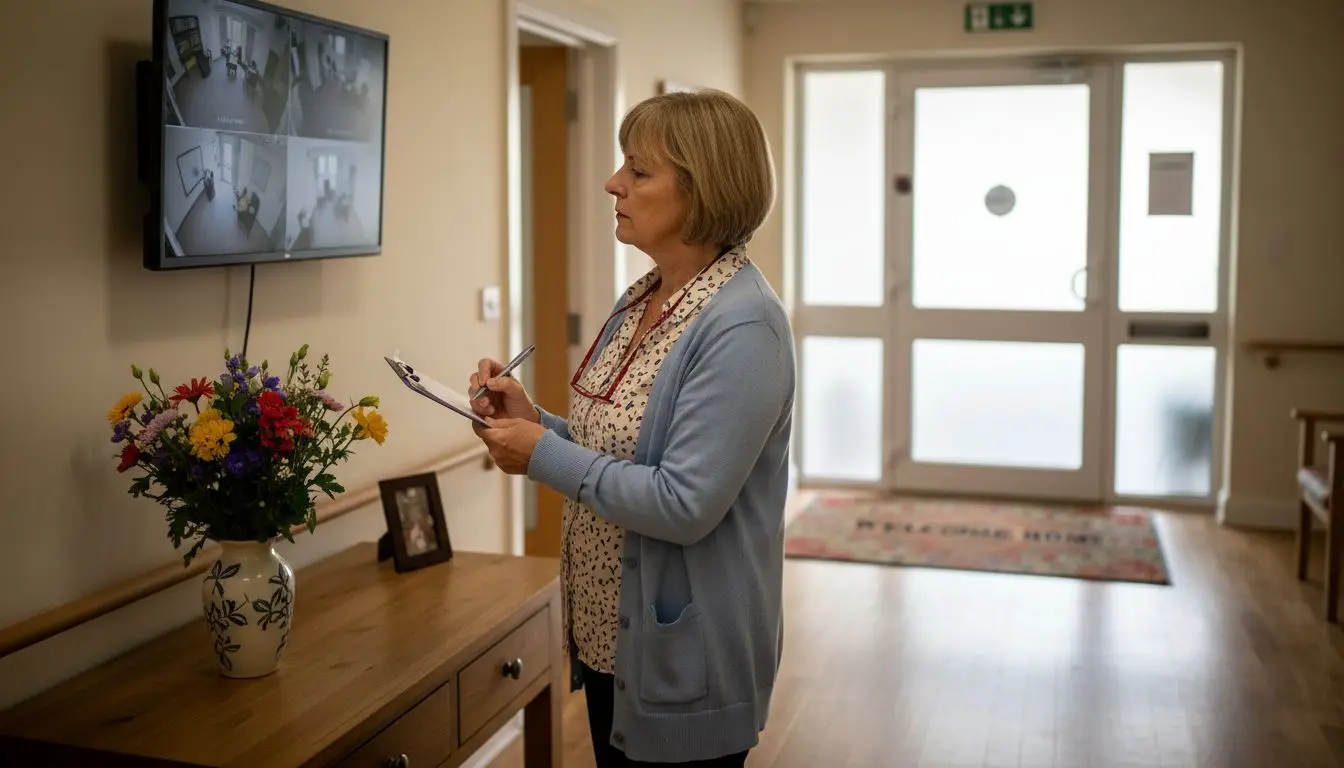
Setting up CCTV in care homes can feel like walking a tightrope between resident safety and personal privacy. You want to protect everyone in your care, yet every camera decision comes with complex legal and ethical questions. Without the right approach, it’s easy to overlook important regulations or unintentionally infringe on residents’ rights.
This guide unlocks practical steps that help you meet strict UK GDPR, Data Protection Act 2018, and Care Quality Commission requirements. You’ll discover how to choose legally compliant systems, position cameras respectfully, safeguard sensitive footage, and keep your team confident and informed.
Get ready for clear, actionable insights that will help you build a safer care environment—without sacrificing privacy or peace of mind.
Quick Summary
| Takeaway | Explanation |
|---|---|
| 1. Conduct a detailed security assessment | Assess security needs to identify vulnerabilities and establish compliant surveillance protocols tailored to your care home. |
| 2. Use cameras adhering to legal standards | Select CCTV systems that ensure residents’ privacy while fulfilling regulatory obligations and maintaining ethical surveillance practices. |
| 3. Strategically position cameras | Plan camera placements to cover essential areas while respecting residents’ personal space and privacy rights. |
| 4. Ensure data protection and GDPR compliance | Implement strict procedures for data collection, storage, and access to safeguard personal information and comply with legal requirements. |
| 5. Regularly maintain and inspect systems | Perform consistent checks and updates on your surveillance systems to ensure reliability and effectiveness in protecting residents. |
1. Conduct a Thorough Security Assessment
Security in care homes demands meticulous planning and strategic assessment. Before implementing any surveillance systems, care home managers must undertake a comprehensive evaluation of their unique security landscape.
The Care Quality Commission guidelines emphasise the critical importance of establishing clear, legally compliant surveillance protocols. This assessment goes far beyond simply installing cameras – it requires a holistic understanding of your facility’s specific security needs.
Key components of a thorough security assessment include:
- Identifying potential vulnerabilities in current security infrastructure
- Mapping high-risk areas within the care home environment
- Evaluating resident privacy and consent requirements
- Determining precise technological needs based on risk analysis
- Assessing legal and ethical implications of surveillance
Resident Safety and Privacy Balance
A robust security assessment recognises that surveillance is not about constant monitoring but creating a protective environment that respects individual dignity. This means carefully considering camera placement, storage protocols, and access limitations.
Surveillance should always be the least intrusive method of ensuring resident safety and wellbeing.
Practical steps involve consulting with residents, families, and staff to understand their security concerns and perspectives. Transparent communication helps build trust and ensures everyone understands the rationale behind security measures.
Professional Recommendation: Engage an independent security consultant who specialises in healthcare environments to conduct a comprehensive, unbiased security assessment that considers regulatory compliance and resident welfare.
2. Choose Cameras That Meet Regulatory Standards
Selecting appropriate CCTV cameras for care home environments requires more than technological capability – it demands strict adherence to legal and ethical standards. Care home managers must navigate a complex landscape of privacy regulations and technological requirements.
The CCTV compliance guidelines underscore the critical importance of camera selection that respects resident dignity and legal frameworks.
Key regulatory considerations include:
- Ensuring cameras do not intrude on private living spaces
- Minimising unnecessary surveillance
- Maintaining clear operational policies
- Protecting resident privacy rights
- Complying with UK GDPR and Data Protection Act 2018
Technological Specifications Matter
When choosing cameras for care home environments, focus on systems that offer:
- High-resolution imaging for clear identification
- Adjustable viewing angles to prevent unnecessary exposure
- Robust data protection and encryption features
- Ability to restrict and manage camera access
- Night vision capabilities without compromising resident comfort
Camera selection is not just about surveillance – it’s about creating a safe, respectful environment.
Each camera placement requires careful consideration. Strategic positioning can enhance security while maintaining resident privacy and autonomy.
Pro Recommendation: Conduct a comprehensive privacy impact assessment before finalising your camera installation to ensure full regulatory compliance and resident protection.
3. Strategically Position Cameras for Maximum Coverage
Positioning cameras within care home environments requires precision and respect for resident privacy. Every camera placement demands careful consideration to balance comprehensive security with personal dignity.
The care home surveillance policy emphasises strategic camera placement that protects both safety and individual rights.
Key strategic positioning principles include:
- Cover essential communal spaces
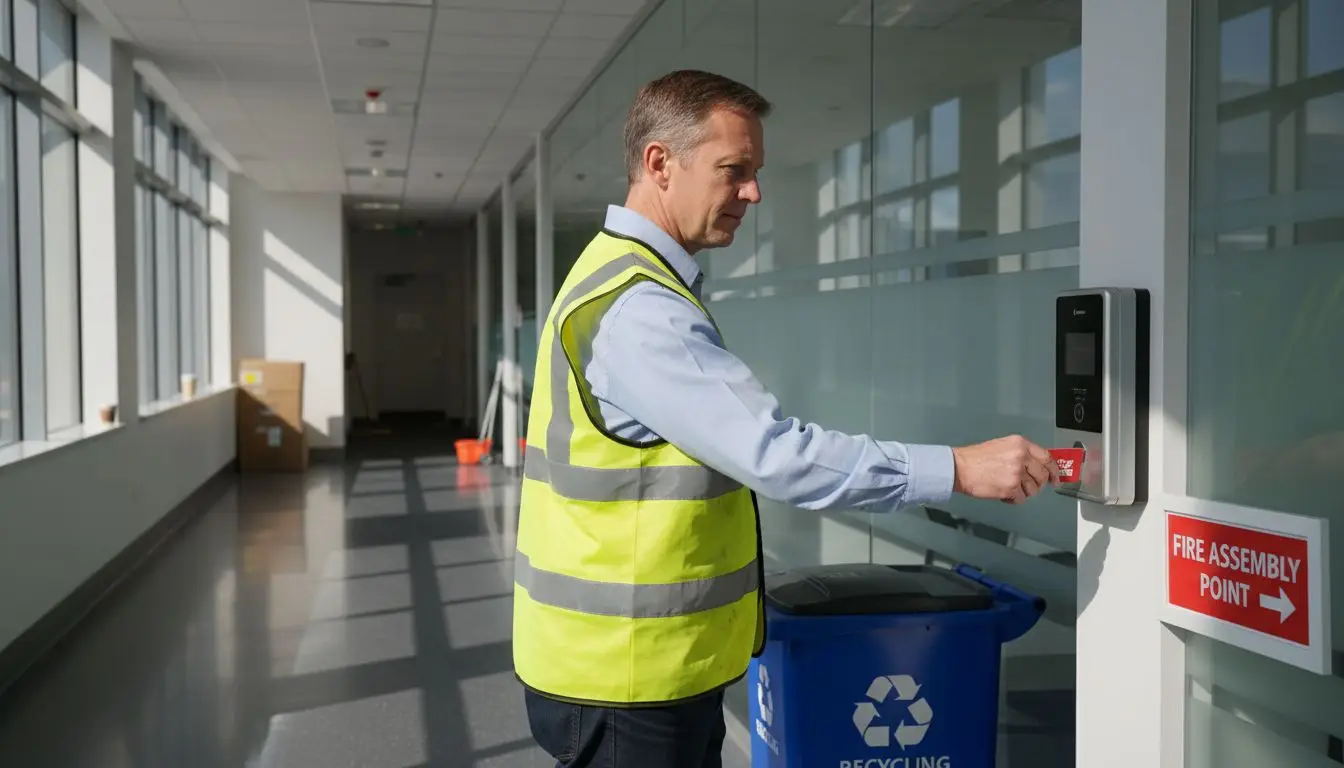
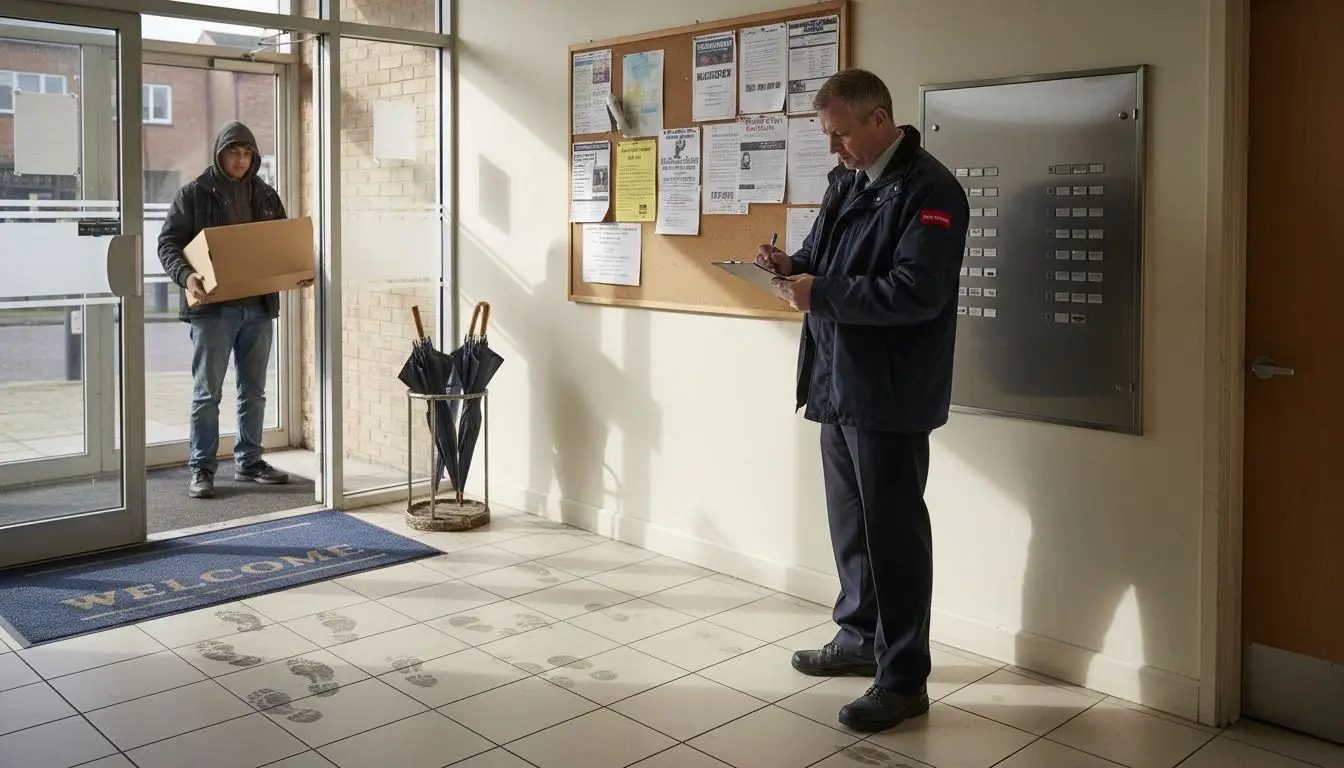
- Monitor critical access points
- Avoid capturing unnecessary private areas
- Ensure clear line of sight for critical zones
- Minimise potential privacy intrusions
Camera Placement Fundamentals
Effective camera positioning is about understanding spatial dynamics. You want comprehensive coverage without creating an environment that feels invasive or oppressive.
Consider focusing cameras on:
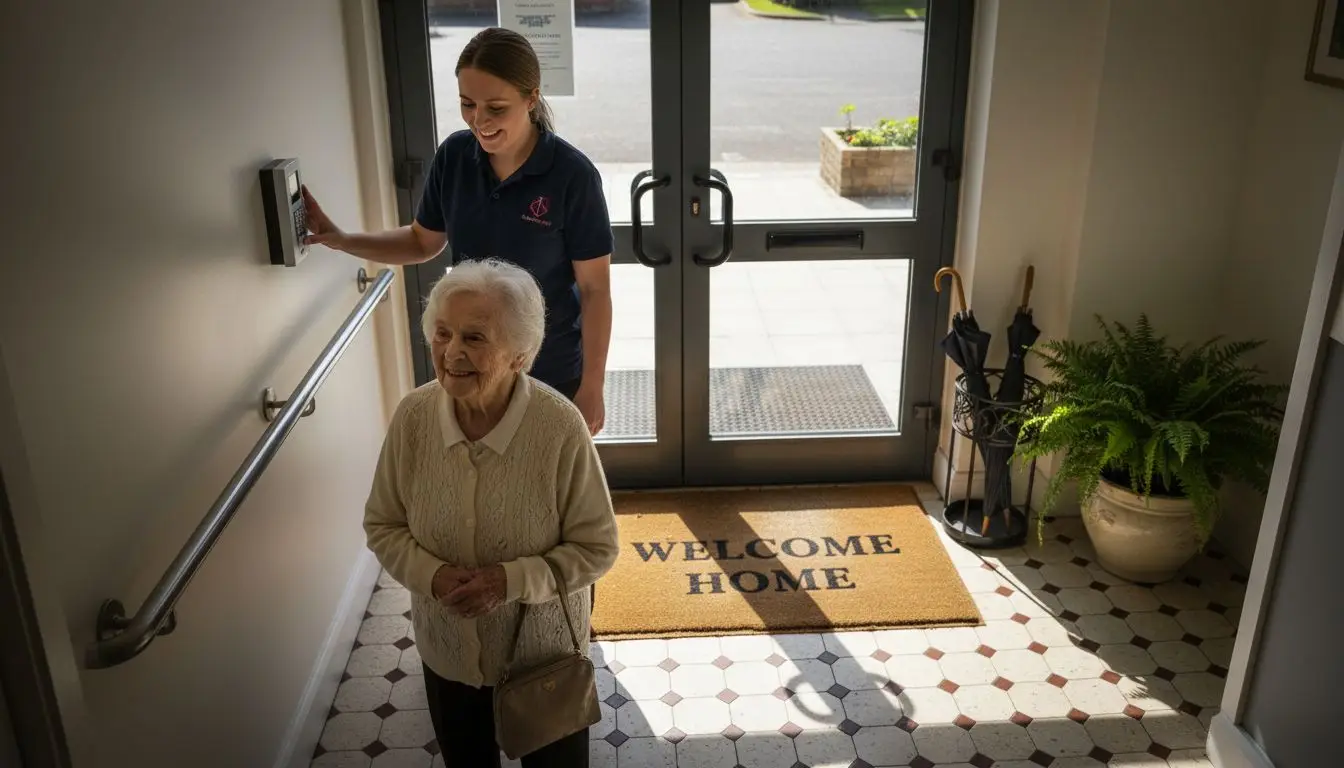
- Main entrance and exit points
- Reception and administrative areas
- Shared communal lounges
- Corridors connecting different sections
- External perimeter boundaries
Strategic camera placement protects residents while maintaining their sense of personal freedom.
Technical considerations matter significantly. Camera height angle lens width and potential blind spots all contribute to creating an effective surveillance strategy that respects individual privacy.
Pro Recommendation: Conduct a comprehensive site survey with privacy experts to map optimal camera positions that balance security needs with resident comfort and legal requirements.
4. Ensure Data Protection and GDPR Compliance
Navigating the complex landscape of data protection in care home surveillance requires meticulous attention to legal frameworks and ethical considerations. Your CCTV system must balance security needs with stringent privacy requirements.
The Information Commissioner’s guidance provides comprehensive insights into managing video surveillance legally and ethically.
Key GDPR compliance requirements include:
- Establishing a lawful basis for video recording
- Implementing transparent data processing policies
- Minimising unnecessary data collection
- Securing video footage storage systems
- Restricting and monitoring access to recordings
- Defining precise data retention periods
- Training staff on data protection protocols
Data Protection Fundamentals
Care homes must demonstrate active privacy protection. This means developing robust processes that protect resident information while maintaining necessary security measures.
Essential compliance steps involve:
- Conducting regular privacy impact assessments
- Creating clear written surveillance policies
- Obtaining appropriate consent where required
- Implementing secure data management systems
- Providing residents with clear information about surveillance
Protecting personal data is not just a legal requirement – it’s a fundamental ethical obligation.
Understanding the nuanced requirements helps prevent potential legal challenges and maintains resident trust.
Pro Recommendation: Engage a data protection specialist to conduct an independent audit of your CCTV systems and compliance procedures annually.
5. Maintain Regular System Inspections and Updates
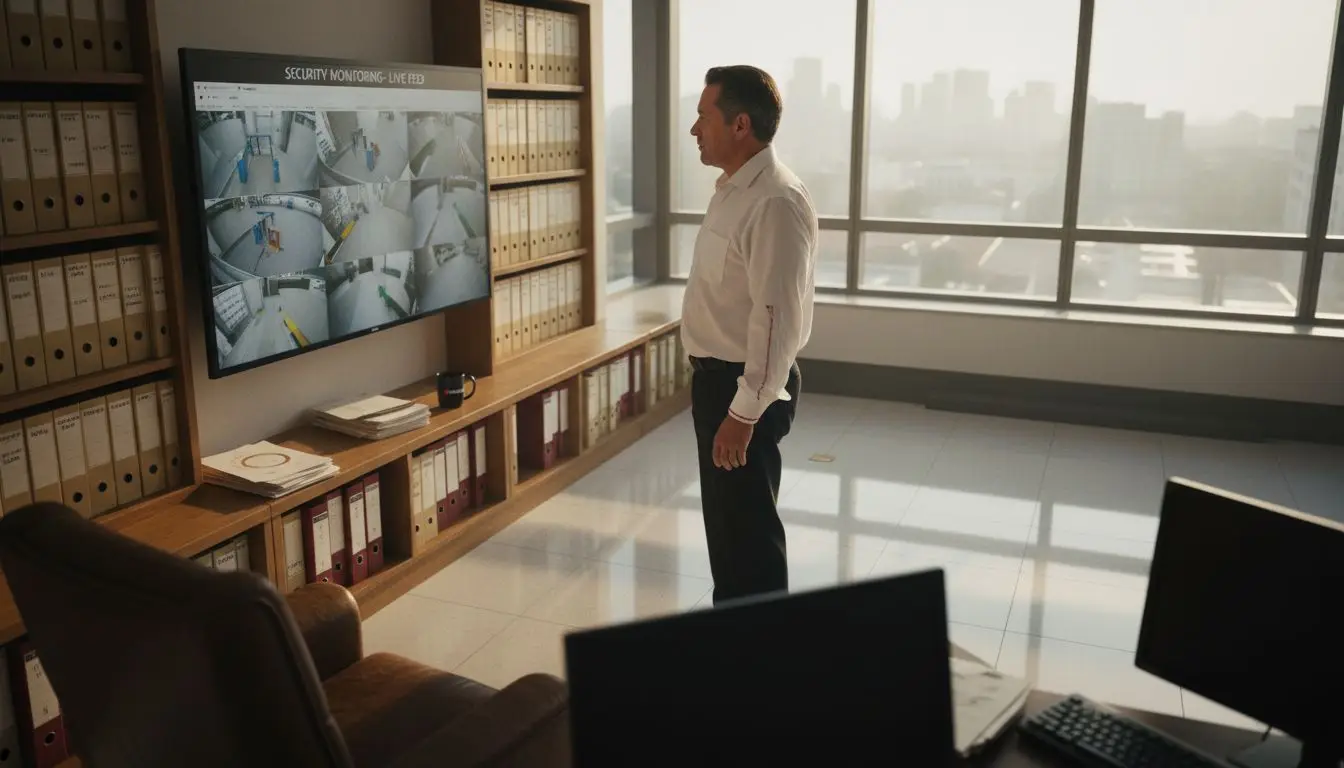
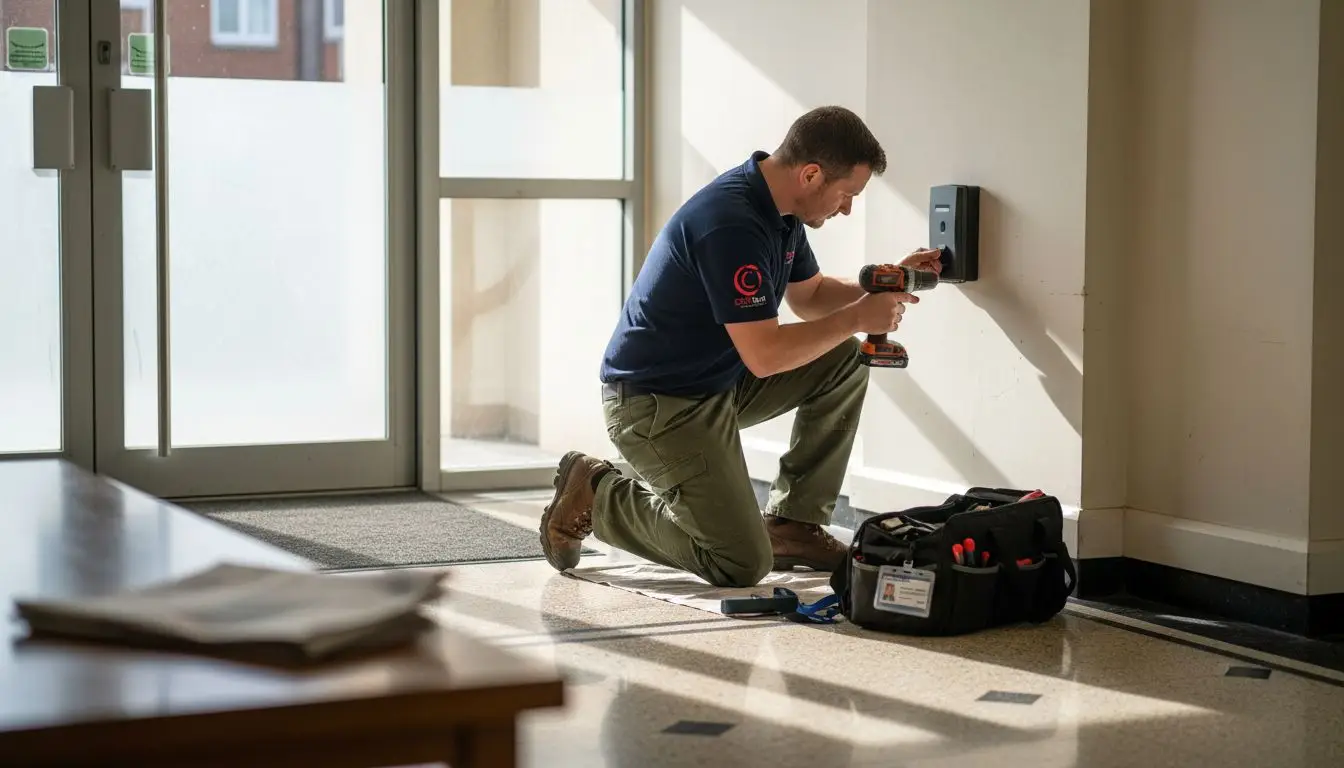
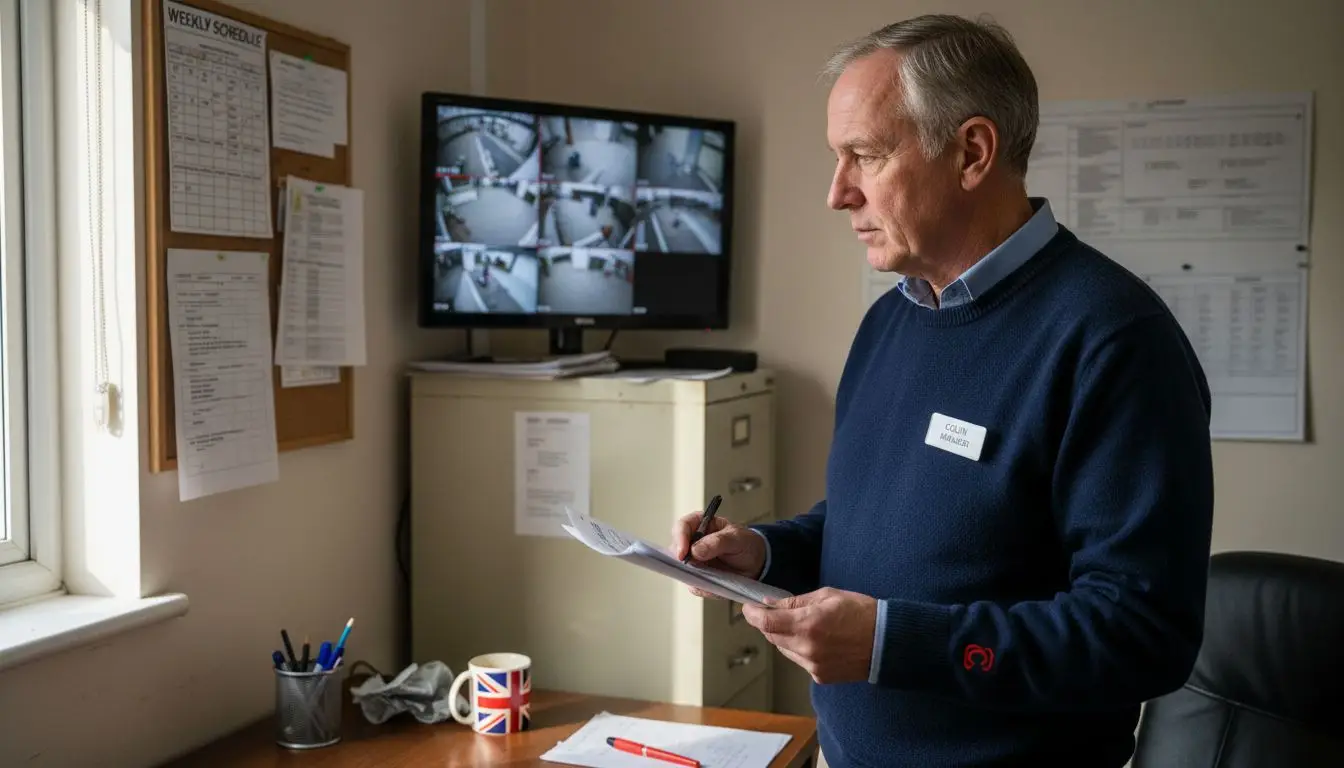
Security systems are not set-and-forget technologies – they require consistent attention and proactive management. Regular inspections and updates are critical to ensuring your CCTV infrastructure remains robust reliable and effective.
A comprehensive security system maintenance guide emphasises the importance of systematic checks and technological upkeep.
Key inspection priorities include:
- Checking camera alignment and positioning
- Testing recording and storage functionality
- Verifying network connectivity
- Examining physical equipment condition
- Updating firmware and software
- Reviewing access permissions
- Cleaning optical components
Technology Degradation Risks
Electronic systems naturally experience wear and potential performance decline. Care homes cannot afford unexpected surveillance failures that might compromise resident safety.
Critical maintenance steps involve:
- Quarterly professional system assessments
- Monthly internal equipment checks
- Annual comprehensive system diagnostics
- Immediate replacement of damaged components
- Maintaining detailed maintenance logs
Technology neglect creates vulnerabilities that compromise entire security infrastructures.
Effective maintenance is not about replacing equipment constantly but ensuring existing systems operate at peak performance.
Pro Recommendation: Schedule systematic maintenance with certified security professionals who understand the unique requirements of care home environments.
6. Train Staff on Effective CCTV Usage
Effective surveillance in care homes requires more than sophisticated technology – it demands a well-informed workforce that understands the nuanced responsibilities of CCTV management. Staff training is not optional; it is a critical component of responsible security practices.
The Care Quality Commission guidelines emphasise comprehensive staff education on surveillance protocols.
Key training areas should cover:
- Legal and ethical surveillance considerations
- Data protection regulations
- Privacy rights of residents
- Proper footage handling procedures
- System operational skills
- Incident reporting protocols
- Ethical decision making
Comprehensive Training Framework
Staff training must go beyond technical instruction and delve into the deeper ethical implications of surveillance in care environments.
Essential training components include:
- Understanding resident consent processes
- Recognising potential privacy breaches
- Managing sensitive information
- Demonstrating professional discretion
- Communicating transparently with residents and families
Effective CCTV usage is about protecting dignity as much as ensuring security.
Training should be an ongoing process with regular refresher courses and updates on evolving legal requirements.
Pro Recommendation: Develop a structured annual training programme with external privacy experts to ensure your team remains current on best practices and regulatory changes.
7. Establish Clear Policies for Incident Handling
Effective incident response in care home surveillance requires more than reactive measures – it demands a proactive comprehensive strategy that protects resident rights and organisational integrity. Clear policies transform potential security challenges into structured manageable protocols.
The Care Quality Commission guidance emphasises developing robust incident management frameworks.
Critical policy components should include:
- Defining precise incident classification levels
- Establishing clear reporting mechanisms
- Creating transparent access protocols
- Managing subject access requests
- Documenting investigation procedures
- Protecting individual privacy rights
- Ensuring legal compliance
Incident Response Framework
A comprehensive policy must address multiple potential scenarios with clarity and sensitivity.
Key operational guidelines involve:
- Immediate incident documentation
- Confidential information management
- Transparent communication processes
- Secure evidence preservation
- Ethical decision-making protocols
- Resident consent procedures
- External reporting requirements
Incident policies are not bureaucratic exercises – they are critical safeguards protecting vulnerable individuals.
Successful incident handling balances thorough investigation with respect for resident dignity and legal requirements.
Pro Recommendation: Develop a cross-functional incident response team with representatives from care management legal compliance and security to ensure comprehensive policy development.
Below is a comprehensive table summarising the main strategies and steps outlined in the article related to ensuring effective and compliant security measures in care homes.
Strengthen Your Care Home Security with Trusted CCTV Solutions
Ensuring resident safety while respecting privacy is a complex challenge highlighted in the article “7 Essential CCTV Best Practices for Care Homes 2025.” From conducting thorough security assessments to maintaining GDPR compliance and training staff properly, each step demands expert knowledge and reliable technology. If you seek to balance robust surveillance with ethical obligations and legal requirements, professional support is vital.
Take control of your care home’s security landscape today with 247 CCTV. Our specialised installation services cover CCTV, burglar alarms and access systems tailored for sensitive environments. Experience peace of mind knowing your cameras are strategically positioned, data protection is prioritised and ongoing maintenance is managed by certified experts. Visit our main website to explore how we can help you implement the best practices in care home surveillance. Don’t delay your upgrade to safer, compliant security now.
Frequently Asked Questions
What key factors should I consider in a security assessment for CCTV in care homes?
Before implementing CCTV, conduct a thorough security assessment that identifies vulnerabilities, evaluates resident privacy needs, and determines technological requirements. Prioritise resident consent and ethical implications to build a security strategy that respects their dignity.
How can I ensure that my CCTV cameras comply with legal regulations?
Select CCTV cameras that do not intrude on private living spaces and align with privacy laws. Verify your camera placements and operational policies to maintain compliance and protect resident privacy rights, ensuring that usage is justified and documented.
What are the best practices for positioning CCTV cameras in care homes?
Position CCTV cameras to cover essential communal areas and critical access points while avoiding private spaces. Focus on areas like entrances and communal lounges to maximise security without infringing on residents’ privacy rights.
What steps can I take to comply with Data Protection and GDPR requirements?
Establish a clear lawful basis for video recording and implement transparent data processing policies. Secure recording systems and regularly audit data management practices to ensure compliance with GDPR and protect resident information effectively.
How often should I perform maintenance checks on my CCTV system?
Schedule regular inspections of your CCTV system at least once a quarter, along with monthly internal checks to ensure all components function properly. Maintain detailed logs of these inspections to ensure accountability and prompt resolution of any issues.
What training should staff receive regarding CCTV use in care homes?
Train staff on legal and ethical surveillance practices, data protection regulations, and proper incident reporting procedures. Develop an ongoing training programme that includes regular refreshers to keep staff informed of best practices and changes in regulations.
Recommended
- CCTV and Privacy Laws – Safeguarding Care Homes – 247 CCTV Security Ltd
- CCTV Audits – Safeguarding Compliance in Essex Care Homes – 247 CCTV Security Ltd
- CCTV Compliance 2025 – What Every Care Home and Business Must Know – 247 CCTV Security Ltd
- Care Home Essentials – 247 CCTV Security Ltd
- Veiligheid aluminium deuren verhogen: complete stappenplan