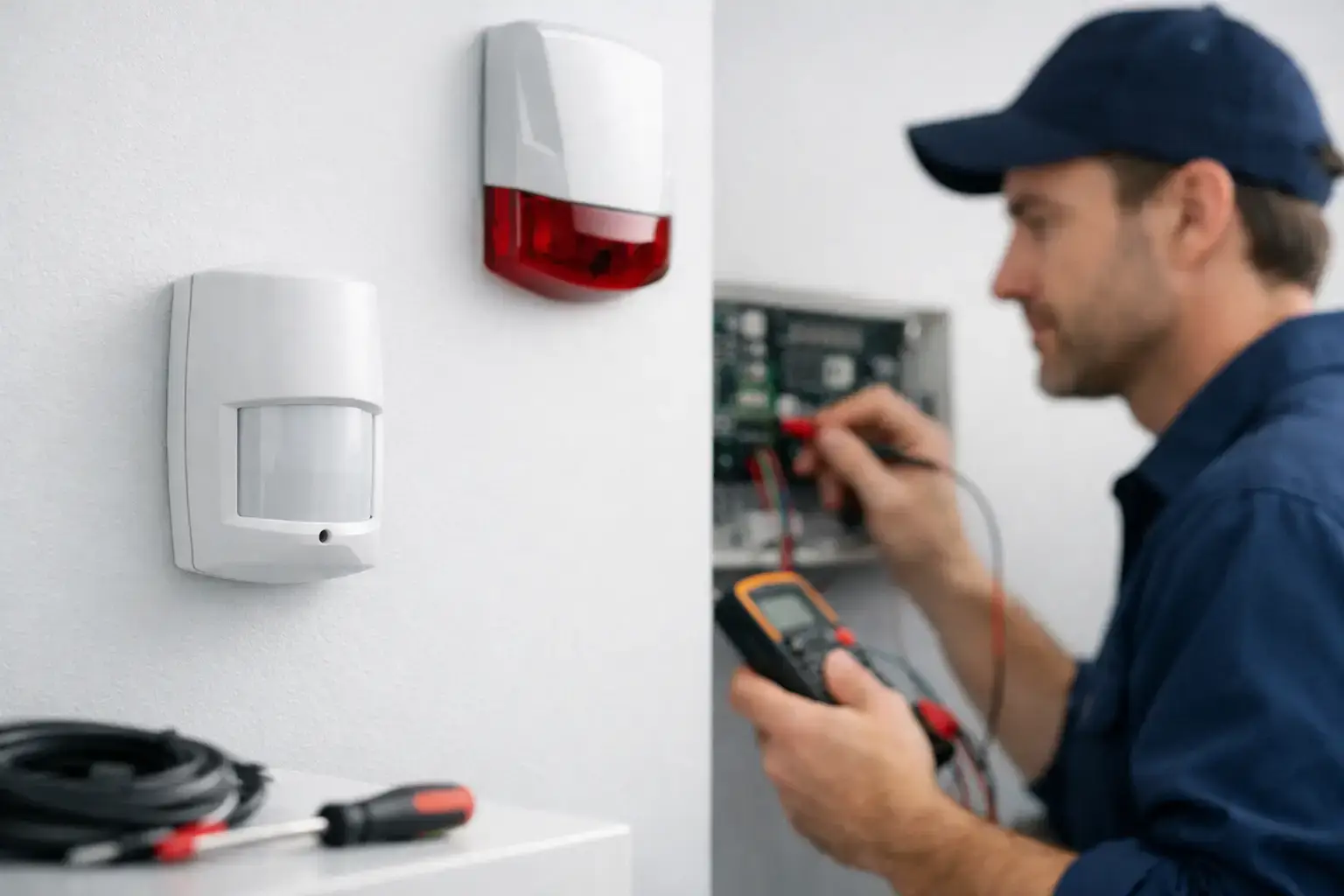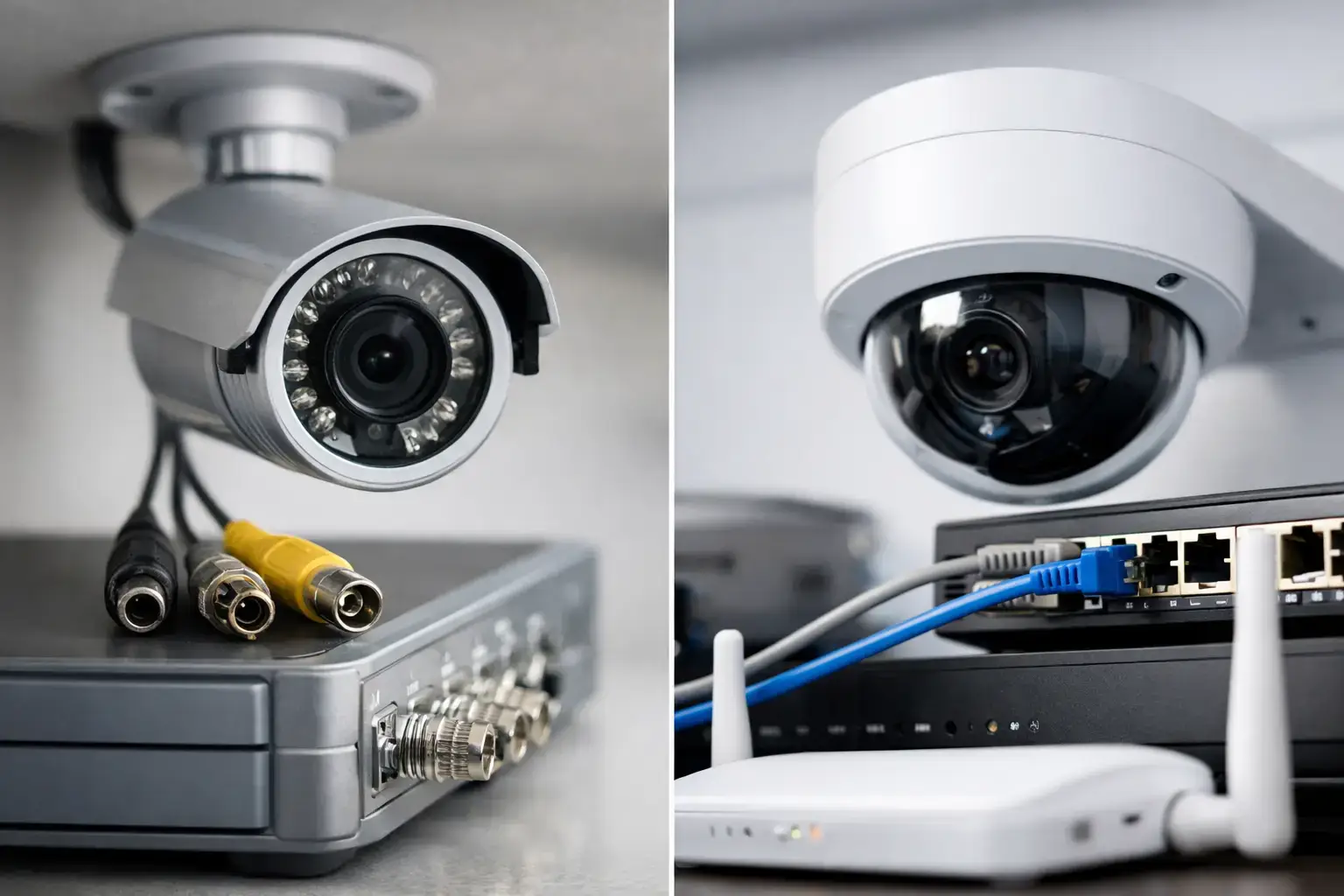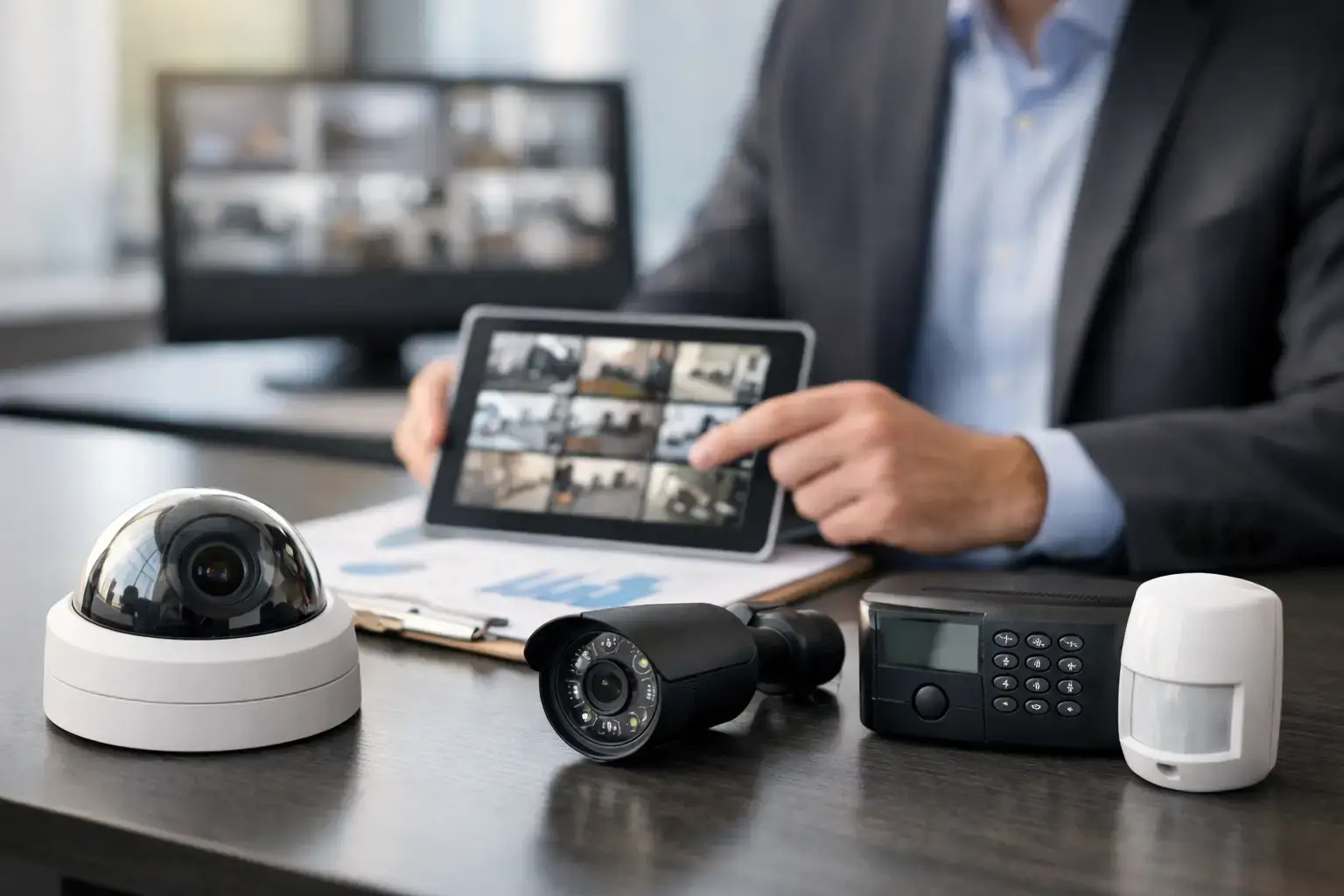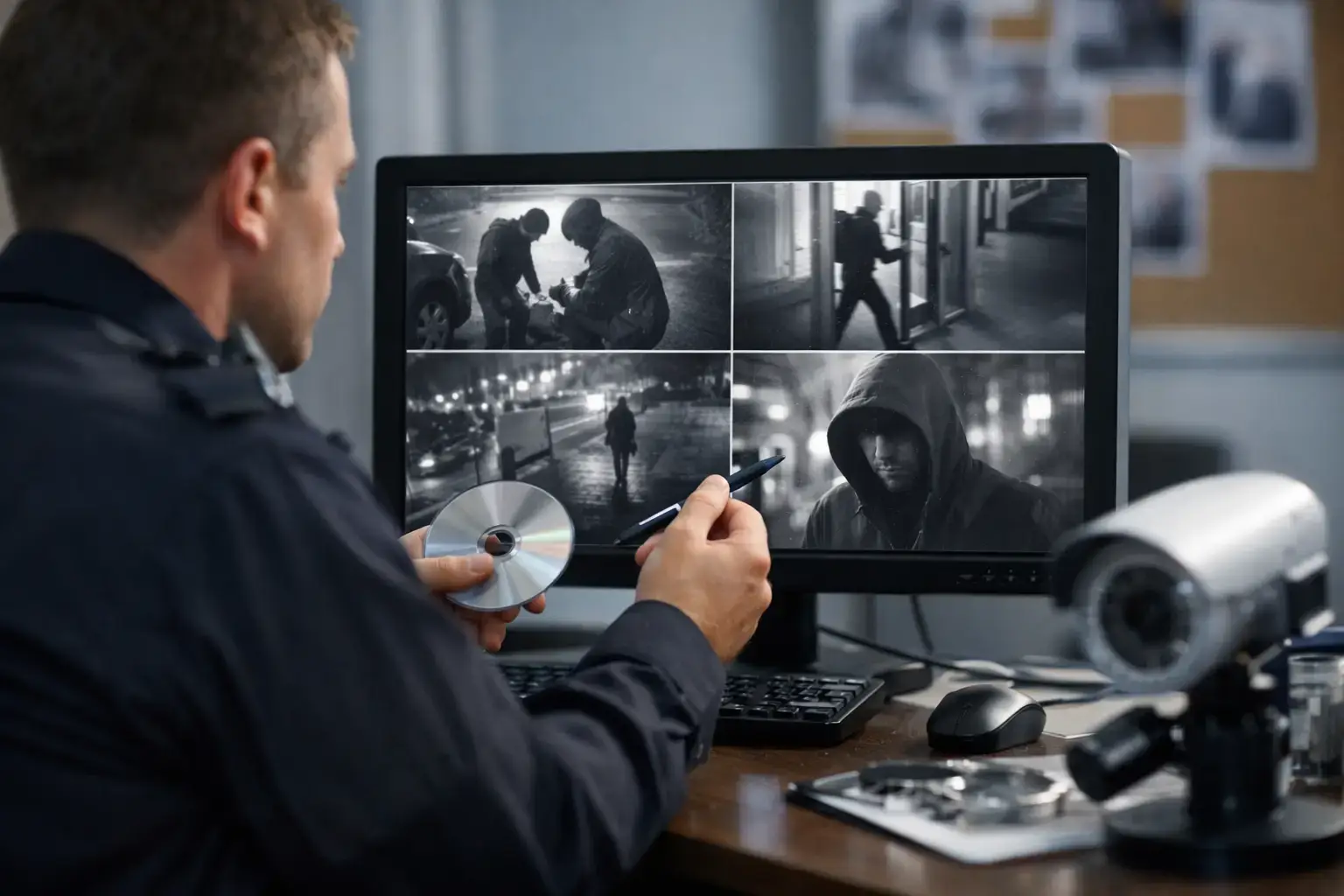
A CCTV system often gets judged on the day it is installed. The cameras are in place, the images are clear, and the site feels better protected. The real test, though, comes months later when a recorder fails, a camera drifts out of focus, or footage is needed after an incident and the system has quietly stopped doing its job. That is where CCTV maintenance contract benefits become clear.
For businesses, landlords and homeowners, maintenance is not an optional extra added after installation. It is what keeps a security system reliable when it matters. A professionally maintained system is more likely to record usable evidence, deter criminal activity and meet the standards expected by insurers, managers and duty holders. Without that ongoing support, even a well-specified CCTV system can become unreliable far sooner than expected.
Why CCTV maintenance contract benefits matter
Most CCTV faults do not start as dramatic failures. They begin with small issues that are easy to miss – a dirty lens, a weakening power supply, a failing hard drive, incorrect time settings, degraded network performance or camera positioning affected by weather, vibration or building works. Left unchecked, those minor faults can undermine the entire system.
A maintenance contract reduces that risk by putting regular inspections, testing and support in place. Instead of waiting for an incident to expose a problem, the system is checked before failure affects security. For commercial sites, that can mean fewer blind spots, fewer periods without recording and better confidence in the evidence your cameras capture. For homeowners, it means peace of mind that the system protecting the property is working as intended rather than simply appearing to work.
There is also a practical point that many buyers overlook. CCTV is no longer just a collection of cameras on a wall. Many systems now rely on network switches, remote apps, motion analytics, storage settings and integration with alarms or access control. The more capable the system, the more important proper maintenance becomes.
1. Better system reliability over time
The first and most obvious benefit is reliability. Cameras and recorders operate continuously, often in exposed conditions and sometimes across large or demanding sites. Heat, moisture, dust, vibration, tampering and power issues all take their toll.
A maintenance contract helps keep performance consistent by checking the system at planned intervals. Engineers can identify worn components, signs of interference, storage issues and image quality problems before they turn into full failures. That preventative approach is usually far less disruptive than emergency call-outs after the system has already gone down.
This matters particularly for higher-risk environments such as retail units, warehouses, schools, healthcare settings and construction sites, where blind spots or recording gaps can create operational and legal problems as well as security risks.
2. Faster fault response when problems do happen
Even with the best maintenance regime, faults can still occur. Hardware ages, weather causes damage and network issues can affect connected devices. One of the strongest CCTV maintenance contract benefits is priority access to support when something goes wrong.
Without a contract, fault response is often reactive. You notice a problem, report it, wait for availability and then arrange a visit. With a maintenance agreement in place, support is usually more structured and faster because the installer already knows the system design, equipment and service history.
That familiarity matters. It shortens diagnosis time and avoids the delay that comes when a contractor has to start from scratch. On larger commercial systems, it can also mean less downtime across multiple cameras or linked security devices.
3. Clearer footage and more usable evidence
A camera being online does not automatically mean it is delivering useful evidence. Poor focus, glare, dirty housings, weak infrared performance and misaligned fields of view can all reduce image quality. You may still see movement on screen, but not enough detail to identify a person, vehicle registration or sequence of events.
Routine maintenance keeps image quality under review. Lenses can be cleaned, focus adjusted, positioning corrected and night-time performance checked. Recording settings can also be assessed to make sure the storage configuration still suits the level of activity on site.
For customers relying on CCTV for incident investigation, insurance claims or staff safety, this is one of the most practical benefits of all. Footage only has value if it is clear, available and recorded correctly at the time it is needed.
4. Support with compliance and insurer expectations
For many commercial customers, CCTV is not simply there as a visible deterrent. It may form part of a wider risk management strategy linked to insurance requirements, internal security procedures, health and safety responsibilities or site-specific compliance expectations.
A maintenance contract supports that by creating a service record and helping demonstrate that the system is being looked after professionally. Exact requirements vary depending on the premises, the insurer and the role of the CCTV system, so this is not a one-size-fits-all point. Still, regular maintenance can help show that security measures are active, checked and not left to deteriorate unnoticed.
This is especially relevant where CCTV works alongside intruder alarms, access control or monitored security arrangements. A neglected system can weaken the credibility of the wider security setup.
5. Lower long-term costs
Some customers hesitate over maintenance because they see it as an added expense. In practice, it often helps control costs rather than increase them. Preventative visits tend to be more economical than repeated emergency repairs, urgent part replacements and the business disruption that follows a major fault.
A simple example is storage. If a hard drive shows early signs of failure during a scheduled service, it can usually be replaced in a controlled way. If it fails after an incident, the cost is no longer just the replacement part. It may also include lost footage, internal investigation time and reputational damage.
There is, of course, a balance to strike. Very small domestic systems may not need the same contract structure as a multi-camera commercial site with remote access, analytics and integrated security devices. The right maintenance plan depends on the complexity of the system, the environment and how critical the cameras are to daily operations.
6. Longer equipment life
Security equipment lasts longer when it is looked after properly. That does not mean maintenance can prevent every future replacement, but it can reduce avoidable strain on the system.
Blocked vents, unstable power, water ingress, loose fixings and software issues all shorten equipment life if left unresolved. Regular servicing helps catch these problems early. It also gives the customer a clearer picture of when parts are approaching end of life, so replacements can be planned instead of rushed.
For sites managing budgets across multiple assets, that planning is valuable. It allows upgrades to be phased sensibly rather than triggered by sudden failures.
7. Better performance from newer CCTV features
Modern CCTV systems often include remote viewing, motion detection, line crossing alerts, people counting, licence plate recognition and integration with other building systems. These features can add real value, but only when they are configured correctly and reviewed over time.
A maintenance contract is useful here because system settings do not always stay optimal. Changes to lighting, site layout, opening hours or staffing patterns can affect how analytics perform. What worked well at installation may need adjustment six months later.
Regular maintenance gives those features a better chance of remaining accurate and useful. That can reduce nuisance alerts, improve incident tracking and help customers get more from the original investment.
8. A single point of responsibility
When security systems are maintained by the same specialist company that understands the installation, support tends to be more straightforward. There is less confusion over who supplied what, how the system was configured or whether a fault sits with the camera, recorder, network or power source.
For business owners and facilities teams, this matters because time is rarely available to coordinate multiple contractors after a failure. A maintenance agreement creates a clearer line of responsibility and a more organised support process.
That becomes even more valuable where CCTV is part of a broader package including alarms, access control or door entry. A trusted provider can spot interactions between systems that a general contractor might miss.
9. Greater confidence day to day
Perhaps the most overlooked of all CCTV maintenance contract benefits is confidence. Security systems exist to reduce uncertainty. If you are constantly wondering whether cameras are recording, whether footage can be retrieved or whether faults are going unnoticed, the system is not delivering that reassurance.
Planned maintenance changes that. It gives homeowners confidence that the system protecting their property is being checked by professionals. It gives landlords confidence that shared entrances, car parks and external areas remain covered. It gives managers confidence that security measures are active, support is available and faults are less likely to become expensive surprises.
Choosing the right CCTV maintenance contract
Not every contract should look the same. A small house with a few external cameras has different needs from a school, a distribution unit or a multi-site retail estate. The right agreement should reflect the number of cameras, recording requirements, site risk, access arrangements and whether the system supports other security measures.
It is worth asking what is actually included. Service visit frequency, response times, labour cover, replacement parts, remote support and out-of-hours assistance can vary. The cheapest option is not always the best value if it leaves important gaps in support.
A credible provider should also be able to explain the practical purpose of maintenance in plain language. Security buyers should not have to decode vague promises. They need to know how the contract helps reduce faults, maintain image quality and keep the system fit for purpose.
For customers across Essex, London and the South East, working with an experienced specialist such as 247 CCTV can make that process clearer, particularly where insurer-recognised systems, compliance standards and long-term reliability are priorities.
A CCTV system should not only look good on installation day. It should still be recording clearly, storing footage properly and responding as expected long after the handover – because when an incident happens, there is no value in finding out your cameras stopped doing their job weeks ago.