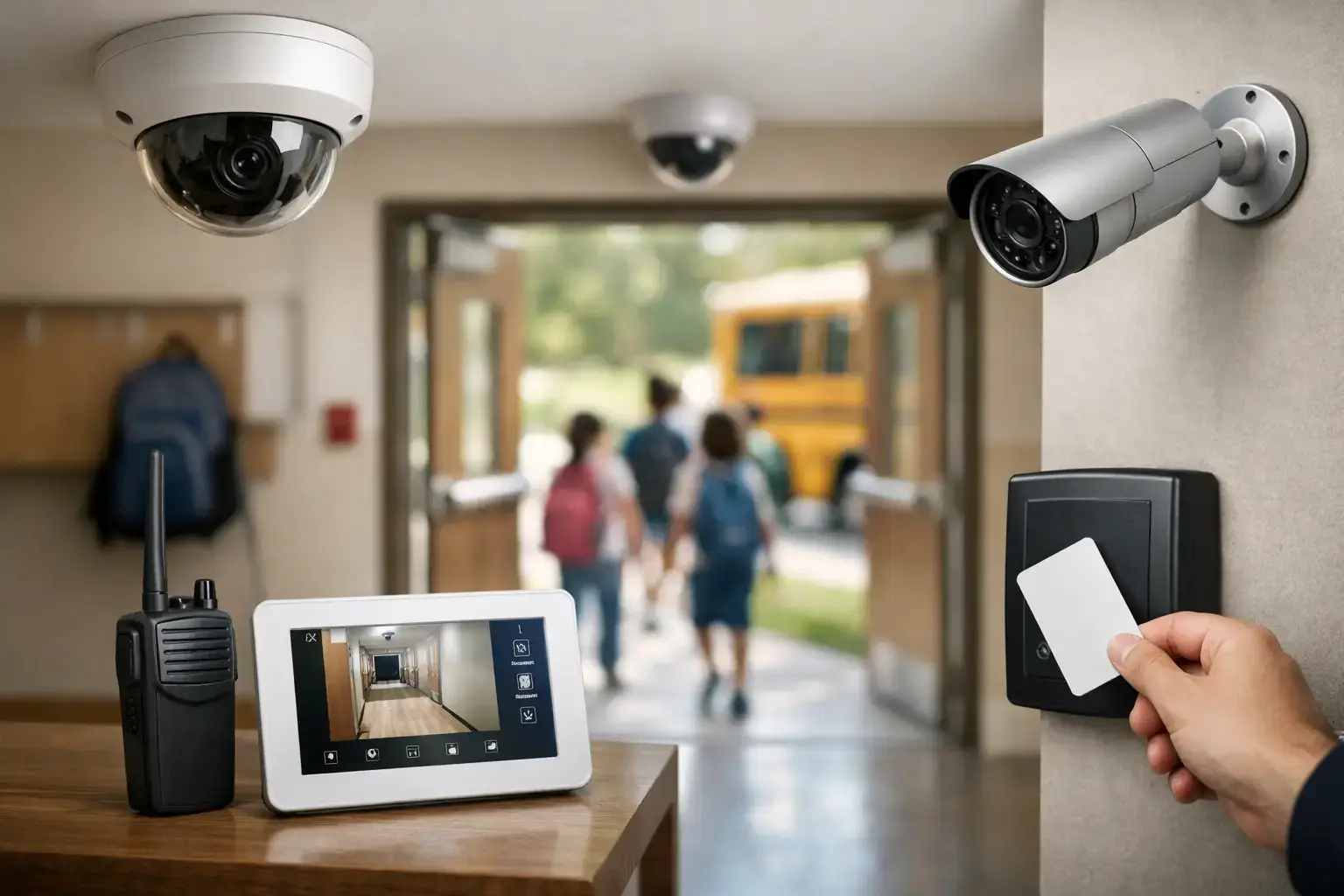

Managing CCTV systems has never felt more complex for British care homes and commercial properties. With the latest guidance from the Information Commissioner’s Office and updates through the Data (Use and Access) Act 2025, compliance is now about more than just recording footage. Lawful processing of personal data and clear respect for privacy must guide every decision. This guide helps clarify what the new CCTV requirements really mean, so your organisation stays protected and on the right side of the law.
Key Takeaways
| Point | Details |
|---|---|
| CCTV Compliance Requirements for 2025 | Organisations must prepare to meet stringent data protection regulations regarding CCTV usage, including lawful data processing and privacy rights. |
| Data Protection Impact Assessments | Conduct thorough assessments well in advance of the compliance deadline to identify potential risks associated with CCTV systems. |
| Effective Documentation and Data Management | Keeping detailed records of CCTV usage, access controls, and data retention is essential to avoid legal penalties and ensure compliance. |
| Common Compliance Pitfalls | Organisations should avoid mistakes such as inadequate documentation and poor data management practices that can lead to significant regulatory risks. |
CCTV Compliance Explained for 2025
The landscape of data protection and CCTV surveillance is rapidly evolving, with new regulations set to transform how businesses and care homes manage their security systems. Under the upcoming data protection guidelines, organisations must be prepared to adapt their existing CCTV infrastructure to meet stringent compliance requirements.
The Information Commissioner’s Office (ICO) has outlined critical changes that will impact CCTV usage across the United Kingdom. Businesses and care homes will need to demonstrate lawful processing of personal data, ensuring that video surveillance is proportionate, transparent, and respects individual privacy rights. This means implementing clear signage, establishing robust data retention policies, and providing mechanisms for individuals to understand and exercise their rights regarding recorded footage.
Key compliance requirements for 2025 include comprehensive documentation of CCTV usage, regular system audits, and strict data security protocols. Organisations must conduct thorough data protection impact assessments, ensuring that their surveillance systems are not only technologically sound but also legally compliant. This involves carefully evaluating camera placement, storage methods, and access controls to prevent unauthorized data breaches.
Pro tip: Conduct a comprehensive privacy impact assessment at least six months before the 2025 compliance deadline to identify and mitigate potential legal and operational risks in your CCTV system.
Types of CCTV Systems and Privacy Concerns
Modern surveillance technologies offer a diverse range of CCTV systems, each with unique capabilities and potential privacy implications. CCTV system configurations vary significantly, from basic fixed cameras to advanced intelligent monitoring solutions that can incorporate facial recognition and audio recording technologies.
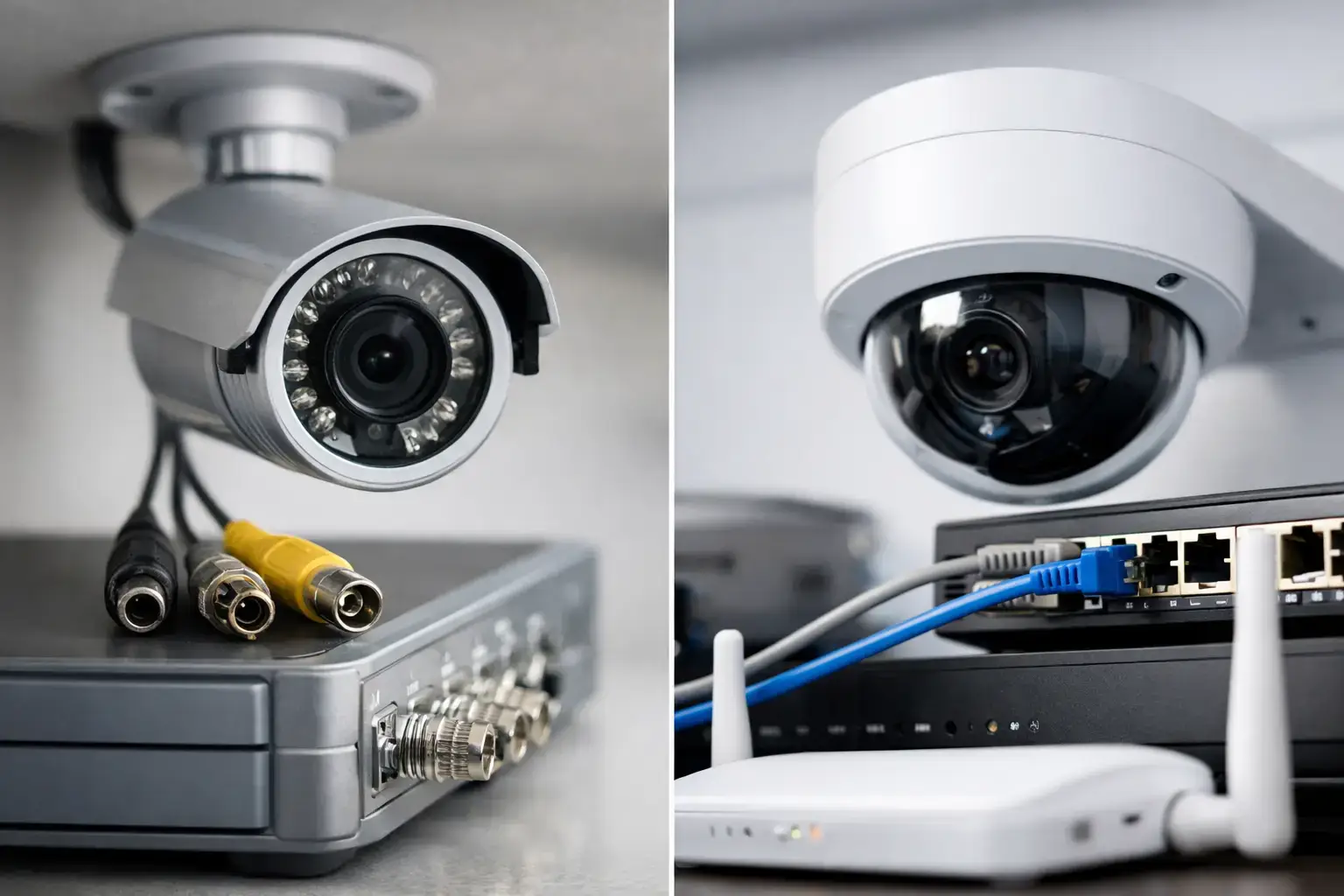
The primary CCTV system types include fixed cameras, pan-tilt-zoom (PTZ) cameras, body-worn devices, drone surveillance, and automatic number plate recognition (ANPR) systems. Each system presents distinct privacy challenges. Fixed cameras provide consistent monitoring in specific areas, while PTZ cameras offer greater flexibility in tracking movement. Body-worn cameras, often used by security personnel, raise complex privacy questions about consent and personal data capture.
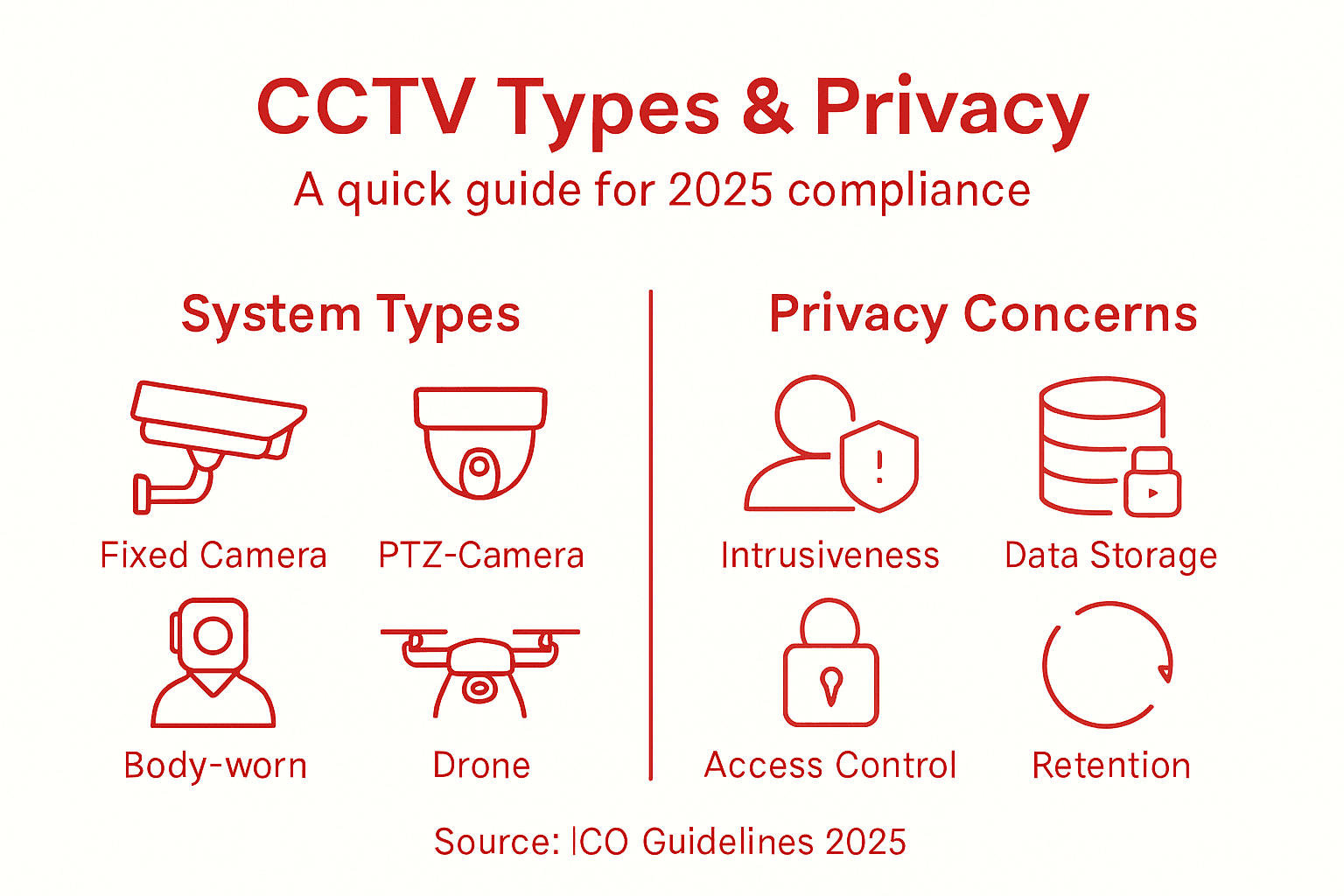
Privacy concerns are paramount when implementing these systems. Organisations must carefully evaluate the intrusiveness of their surveillance methods, ensuring they capture only necessary information and respect individual privacy boundaries. This involves implementing clear signage, restricting camera angles to avoid capturing unnecessary private spaces, and establishing robust data protection protocols that limit access to recorded footage.
Here’s a quick comparison of common CCTV system types and their primary privacy challenges:
| CCTV Type | Typical Use Case | Key Privacy Concern |
|---|---|---|
| Fixed Camera | Entry points, corridors | Over-capturing public or private areas |
| PTZ Camera | Car parks, wide spaces | Tracking individuals excessively |
| Body-Worn Camera | Security staff, care workers | Capturing sensitive personal interactions |
| Drone Surveillance | Large outdoor areas, events | Recording beyond intended boundaries |
| ANPR System | Vehicle access control | Storing identifiable vehicle data |
Pro tip: Conduct a comprehensive privacy impact assessment for each CCTV system type, documenting the specific privacy risks and mitigation strategies before installation.
Legal Framework: GDPR, Data Protection, and New Acts
The United Kingdom’s data protection landscape continues to evolve with significant legislative changes that directly impact CCTV usage and privacy management. Data protection regulations are becoming increasingly sophisticated, requiring organisations to adapt their surveillance practices to meet stringent legal standards.
The core legal framework comprises the UK General Data Protection Regulation (UK GDPR), the Data Protection Act 2018, and the newly introduced Data (Use and Access) Act 2025. These regulations establish comprehensive requirements for processing personal data, including video surveillance. Organisations must demonstrate a lawful basis for data collection, ensure transparency in their monitoring practices, and provide clear mechanisms for individuals to exercise their data rights.
Key legal obligations include implementing robust data protection impact assessments, maintaining detailed records of processing activities, and establishing strict access controls for recorded footage. The legislation emphasises the principle of data minimisation, requiring organisations to capture only necessary information and retain it for the shortest possible time. This approach balances the need for security with individual privacy rights, ensuring that CCTV systems are used responsibly and proportionately.
Pro tip: Create a comprehensive data processing register that documents every aspect of your CCTV system’s data handling, including purpose, retention periods, and access protocols.
Key Requirements for Installation and Use
CCTV installation involves a comprehensive set of legal and operational requirements that organisations must meticulously follow. GDPR compliance toolkit guidelines outline critical steps for ensuring lawful and responsible surveillance system deployment.

The installation process demands several key considerations. Organisations must first conduct a thorough Data Protection Impact Assessment (DPIA), which evaluates potential privacy risks associated with the CCTV system. This assessment should document the purpose of surveillance, the specific areas being monitored, and justification for data collection. Visible signage is mandatory, clearly informing individuals about camera locations, the purpose of monitoring, and contact information for data protection queries.
Secure data handling represents another crucial aspect of CCTV system management. This involves implementing robust access controls that limit footage viewing to authorised personnel only, establishing clear protocols for data storage and retention, and creating secure mechanisms for managing subject access requests. Organisations must ensure that recorded footage is stored securely, encrypted where possible, and retained only for the minimum necessary period specified by their documented business requirements.
Pro tip: Develop a comprehensive CCTV policy document that details exact procedures for system operation, data handling, and access protocols, ensuring all staff understand their responsibilities.
Responsibilities, Risks, and Cost Implications
Organisations operating CCTV systems bear significant legal and financial responsibilities that extend far beyond simple surveillance. CCTV data protection risks represent a complex landscape of potential financial and reputational challenges that demand meticulous management.
As data controllers, organisations are legally obligated to demonstrate responsible data handling practices. This includes maintaining comprehensive documentation of data processing activities, implementing robust security measures, and ensuring transparent communication about surveillance purposes. Potential risks include substantial financial penalties from the Information Commissioner’s Office (ICO), which can reach up to £17.5 million or 4% of global annual turnover for serious data protection breaches.
The financial implications of CCTV compliance extend beyond potential fines. Organisations must budget for ongoing system maintenance, regular security audits, staff training, and potential technology upgrades to meet evolving regulatory requirements. These costs can be significant, particularly for smaller businesses and care homes with limited resources. Proactive risk management involves conducting regular data protection impact assessments, maintaining strict access controls, and developing comprehensive incident response protocols.
Below is a summary of key legal duties and organisational risks associated with CCTV compliance:
| Legal Duty | Example Organisational Risk | Potential Consequence |
|---|---|---|
| Document processing activities | Incomplete records of footage access | Increased regulatory scrutiny |
| Enforce data minimisation | Retaining footage longer than needed | ICO fines, data misuse litigation |
| Implement access controls | Unauthorised staff view footage | Privacy breach, reputational harm |
| Conduct impact assessments | Failure to evaluate new tech risks | Missed vulnerabilities, legal action |
Pro tip: Allocate a dedicated annual budget for CCTV compliance, including training, system upgrades, and potential legal consultations to mitigate potential regulatory risks.
Common Compliance Mistakes to Avoid
Navigating the complex landscape of CCTV compliance requires careful attention to detail and proactive management. ICO CCTV guidelines highlight several critical mistakes organisations frequently make that can lead to significant legal and financial repercussions.
One of the most common errors is inadequate documentation and unclear justification for surveillance. Organisations must demonstrate a precise lawful basis for their CCTV usage, specifying exactly why monitoring is necessary. This includes conducting comprehensive Data Protection Impact Assessments, maintaining transparent records of processing activities, and ensuring that camera placement and monitoring scope are proportionate to the stated security objectives.
Another frequent compliance pitfall involves poor data management practices. This encompasses issues such as excessive data retention, insufficient security protocols, and neglecting individual data subject rights. Care homes and businesses must implement strict access controls, establish clear data retention periods, and create robust mechanisms for handling subject access requests. Failure to provide clear notification about surveillance, secure storage of footage, and proper employee training can result in substantial penalties from the Information Commissioner’s Office.
Pro tip: Conduct quarterly internal compliance audits to identify and rectify potential CCTV system vulnerabilities before they become regulatory issues.
Secure Your Business or Care Home with Compliant CCTV Solutions Today
Ensuring CCTV compliance in 2025 is no longer optional for businesses and care homes that value privacy and security. With evolving regulations like the UK GDPR and new data protection acts, the challenges of lawful data processing, transparent surveillance, and robust access controls can feel overwhelming. Our expert team understands the importance of installing CCTV systems that meet these strict legal requirements while protecting your organisation from costly fines and reputational damage.

Don’t leave your security to chance. Visit 247 CCTV for tailored CCTV installations designed to integrate seamless compliance checks, thorough documentation, and expert advice on data protection impact assessments. Explore our range of security solutions including door entry systems and burglar alarms to build a trusted, law-abiding security infrastructure today. Act now to safeguard your organisation before the 2025 deadline. Contact us at 247 CCTV and take the first step towards fully compliant surveillance.
Frequently Asked Questions
What are the key requirements for CCTV compliance in 2025?
Key requirements for CCTV compliance in 2025 include demonstrating lawful processing of personal data, implementing clear signage, conducting data protection impact assessments, maintaining detailed records of processing activities, and establishing strict access controls for recorded footage.
How should care homes and businesses ensure the privacy of individuals when using CCTV?
Care homes and businesses can ensure privacy by evaluating the intrusiveness of their CCTV methods, capturing only necessary information, restricting camera angles, implementing clear signage, and establishing robust data protection protocols.
What are the potential consequences of non-compliance with CCTV regulations?
Non-compliance with CCTV regulations can result in substantial fines from regulatory authorities, which may reach up to £17.5 million or 4% of global annual turnover, as well as reputational damage and legal actions due to data breaches.
Why is a Data Protection Impact Assessment (DPIA) important for CCTV systems?
A Data Protection Impact Assessment (DPIA) is crucial as it helps organisations evaluate potential privacy risks associated with their CCTV systems, ensuring the lawful basis for surveillance and documenting the purpose, monitoring areas, and data collection justifications.