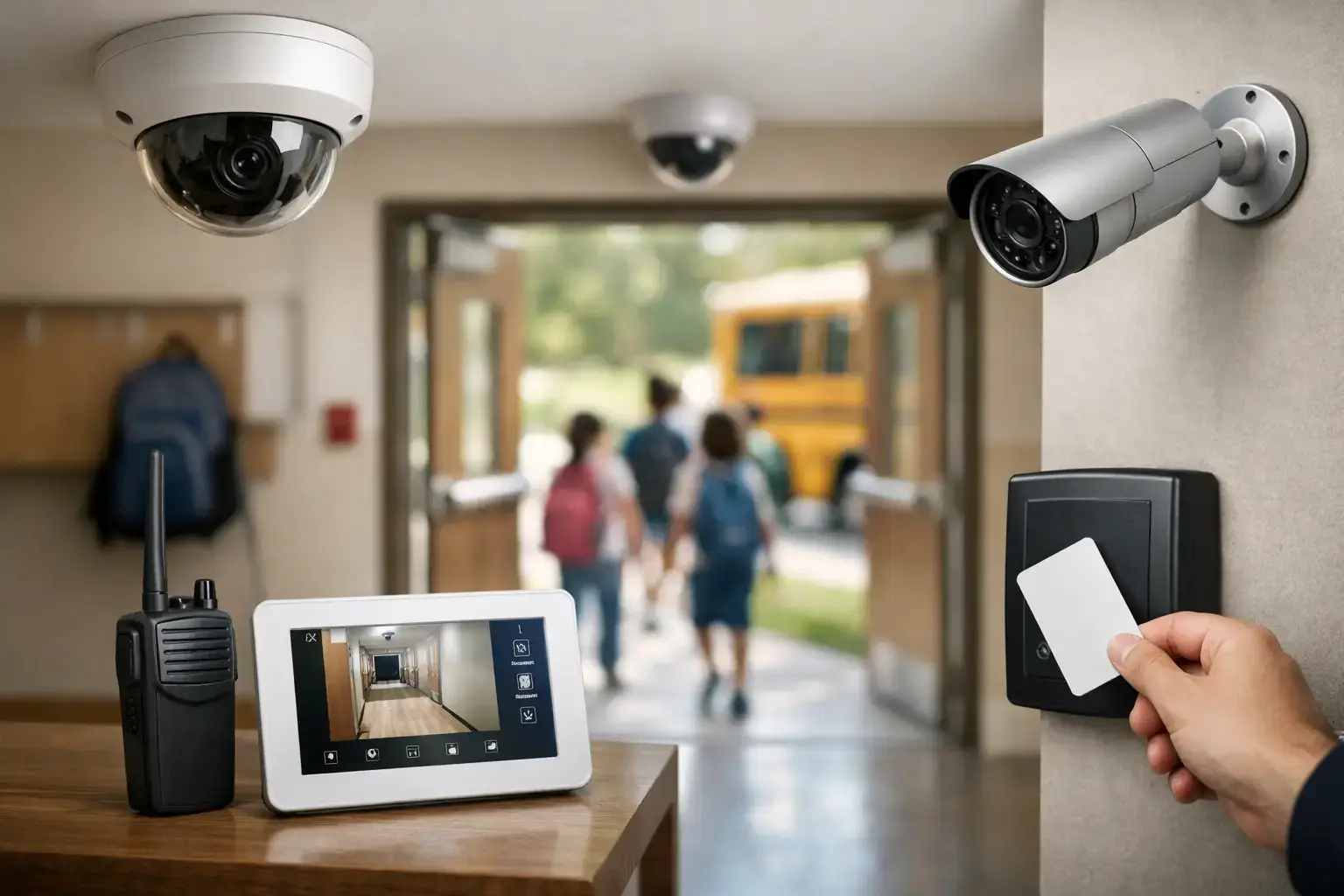

Security threats in Essex and London are constantly evolving, leaving facility and property managers searching for solutions that go beyond basic locks or out-of-date alarms. Modern demands require more than just stopping intruders—they call for integrated, intelligent defence across both physical and digital access points. Understanding the strengths of today’s CCTV and alarm systems offers facility managers a clear path to comprehensive property protection in a challenging environment.
Key Takeaways
| Point | Details |
|---|---|
| Integration of Technologies | Modern security systems in the UK combine physical, cyber, and personnel security for comprehensive protection. This integration enhances adaptability to evolving threats. |
| CCTV, Alarms, and Access Control | The combination of CCTV, burglar alarms, and access control systems creates a robust security infrastructure to mitigate risks in both residential and commercial properties. |
| Legal Compliance | Compliance with data protection regulations is essential for security operators to protect privacy rights and avoid penalties. Proper data management is critical. |
| Installation Considerations | Careful planning and professional installation are vital to prevent common pitfalls that could hinder system effectiveness, including sensor placement and network infrastructure. |
Defining Modern Security Systems in the UK
Modern security systems in the United Kingdom represent a sophisticated integration of technological innovation and strategic intelligence designed to protect residential, commercial, and national infrastructure. These systems go far beyond traditional alarm mechanisms, incorporating advanced technologies that provide comprehensive threat detection and prevention capabilities. National security strategies now emphasise a multi-layered approach addressing physical, cyber, and personnel security challenges.
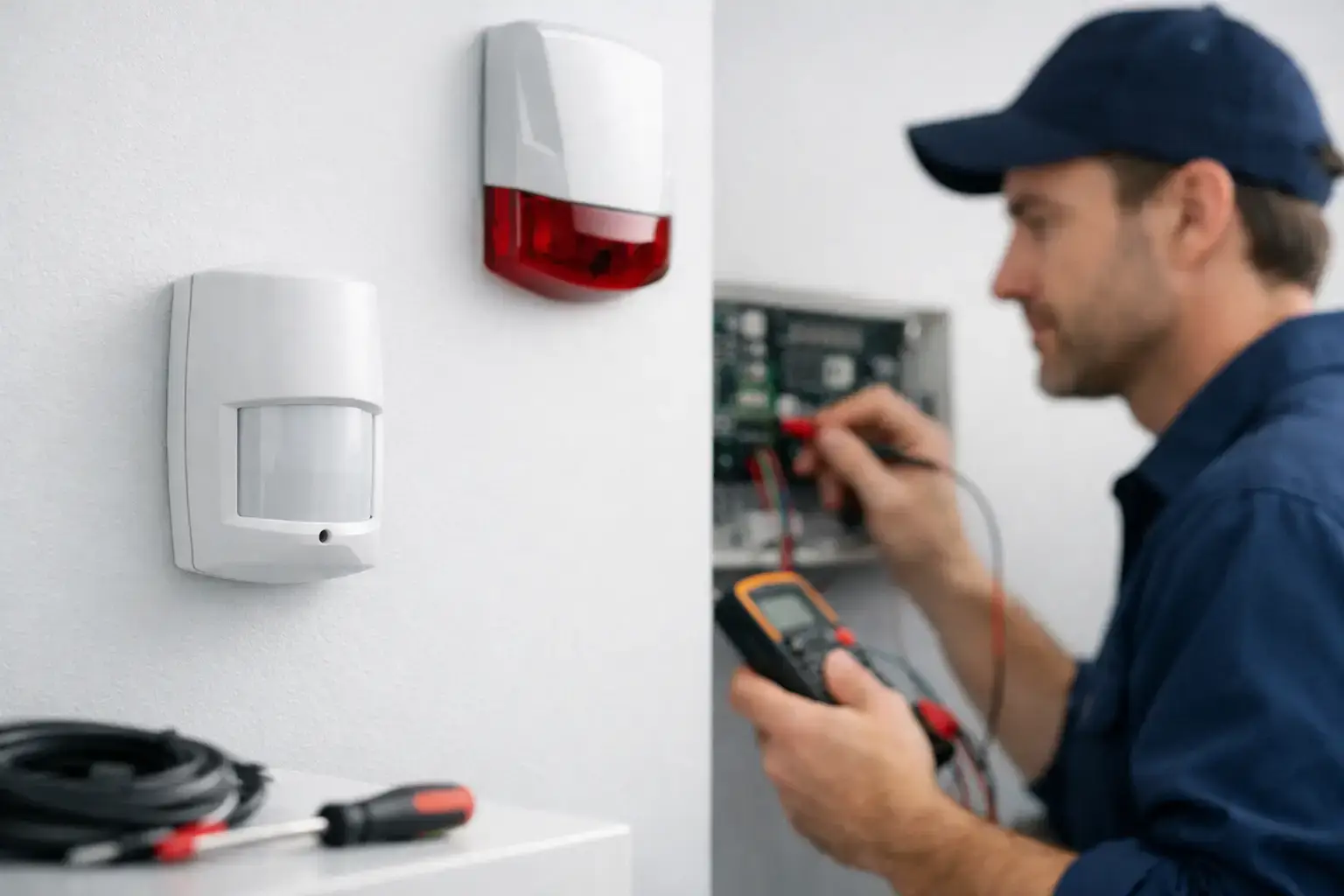
At the core of contemporary UK security systems are intelligent burglar alarm networks like the Hikvision AX Pro, RISCO LightSYS+, and Texecom Premier Elite platforms. These modern solutions integrate wireless sensors, smart detection algorithms, and real-time monitoring capabilities that can instantly recognise potential security breaches. Key features typically include:
- Motion detection with advanced analytics
- Perimeter protection zones
- Remote smartphone management
- Instant notifications to property owners and authorities
- Automatic system self-diagnostics
The evolution of security systems reflects the increasingly complex threat landscape facing British properties. Cyber vulnerabilities, sophisticated criminal techniques, and emerging technological risks demand adaptive, intelligent security solutions that can rapidly respond to dynamic challenges. Integrated security approaches now blend physical hardware, digital monitoring, and proactive threat intelligence to create comprehensive protection strategies.

Expert Tip: When selecting a security system, prioritise platforms offering modular expansion capabilities and comprehensive integration with existing building infrastructure.
Key Types: CCTV, Alarms, and Access Control
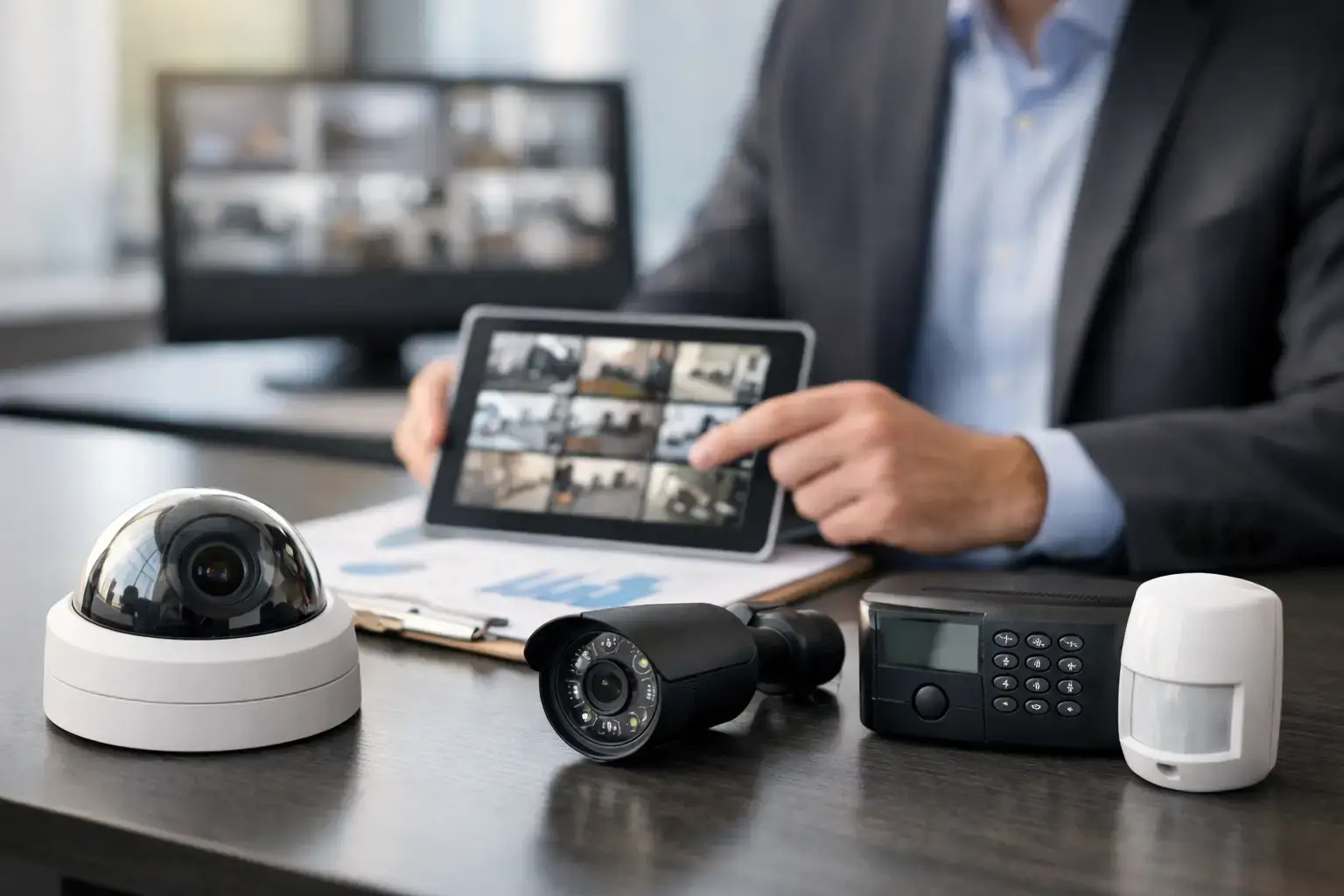
Property security in the United Kingdom encompasses three critical technological domains: Closed-Circuit Television (CCTV), burglar alarm systems, and sophisticated access control mechanisms. Each system plays a unique role in creating comprehensive security infrastructure for both residential and commercial properties in Essex and London. Government security standards emphasise the importance of integrated, strategic security approaches that combine multiple protective technologies.
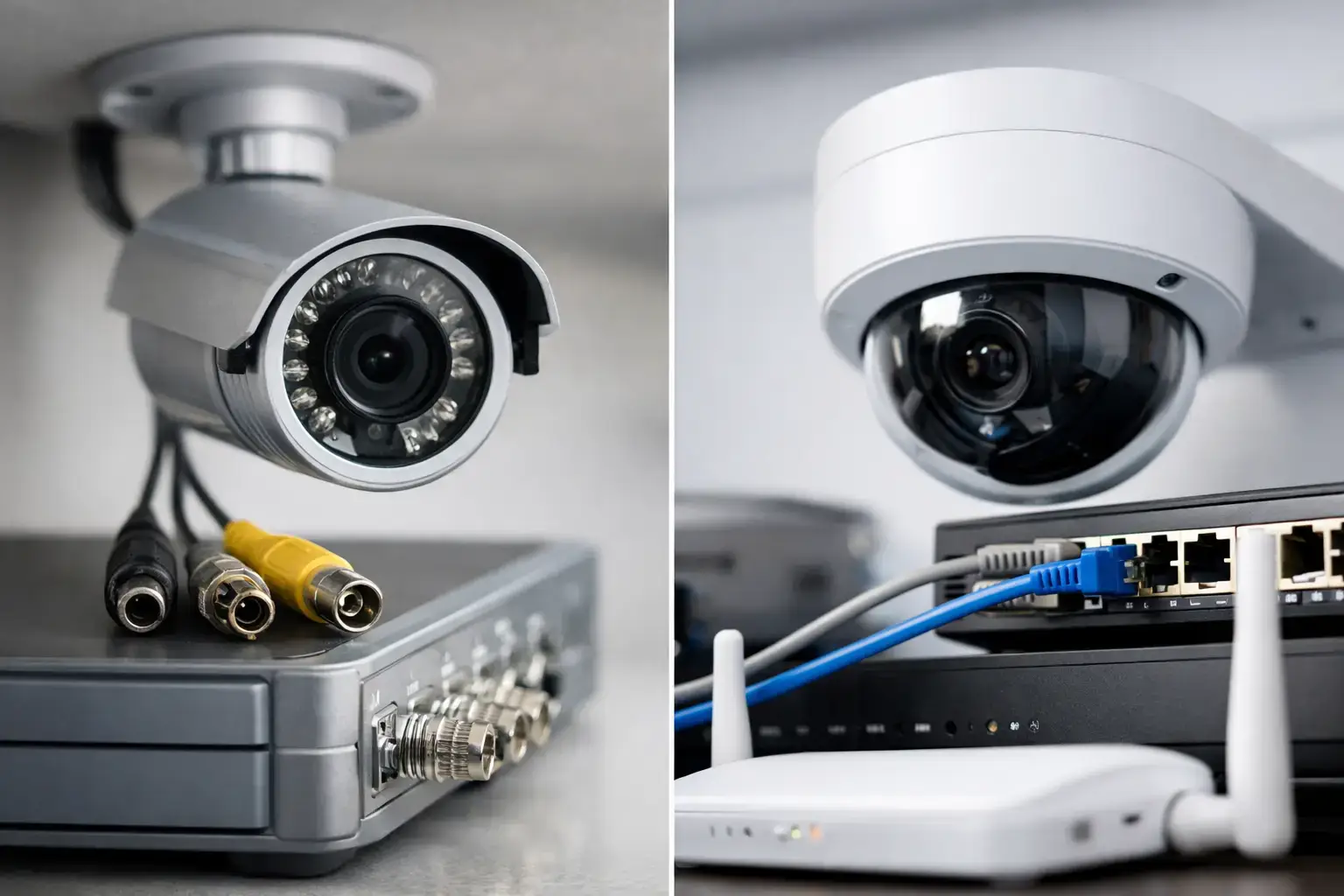
CCTV systems represent the visual monitoring component of modern security, providing continuous surveillance and recording capabilities. These systems typically include:
- High-resolution cameras
- Night vision capabilities
- Wide-angle and directional lens options
- Digital storage and remote viewing
- Motion-triggered recording
Burglar alarm systems form the second critical layer of protection, designed to detect and alert property owners and authorities about potential intrusions. Contemporary alarm networks utilise wireless sensors, smart detection algorithms, and real-time communication technologies to provide instant threat notifications. Access control systems complete the security triad by managing entry points through advanced mechanisms like electronic card readers, biometric scanners, and integrated management platforms.
The strategic integration of these three security types creates a multilayered defence mechanism that addresses different potential vulnerabilities. By combining visual monitoring, intrusion detection, and controlled access, properties can significantly reduce their risk of security breaches and criminal activities. Modern systems are increasingly intelligent, offering remote management through smartphone applications and providing comprehensive insights into property security status.
Here is a summary of how CCTV, alarm, and access control systems contribute to property security:
| Security Type | Main Function | Typical Applications | Added Value for UK Properties |
|---|---|---|---|
| CCTV | Visual surveillance and recording | Retail, residential, offices | Deters crime, aids investigations |
| Burglar Alarms | Intrusion detection and alerts | Homes, warehouses, schools | Fast response, reduces losses |
| Access Control | Entry management and verification | Offices, flats, commercial sites | Prevents unauthorised access |
Expert Tip: Select security systems that offer modular integration capabilities, allowing future upgrades and expansion of your protective infrastructure.
Core Features and How Systems Operate
Modern security systems are sophisticated technological networks designed to provide comprehensive protection through integrated, intelligent mechanisms. Security frameworks reveal that effective systems operate across multiple critical dimensions, including cyber, personnel, physical, and technical protection strategies. These interconnected approaches ensure a holistic defence mechanism that adapts to evolving security challenges facing properties in Essex and London.
The core operational features of contemporary security systems revolve around several key technological capabilities:
- Automated threat detection
- Real-time monitoring and alerts
- Wireless sensor integration
- Remote management interfaces
- Comprehensive data logging
- Adaptive learning algorithms
- Instant communication with property owners and authorities
Advanced systems leverage complex sensor technologies and intelligent algorithms to distinguish between genuine security threats and routine environmental changes. For instance, modern burglar alarms can differentiate between a passing animal and a potential intruder, while CCTV systems use motion analytics to track and analyse movement patterns. Government Cyber Security Strategy guidelines emphasise the importance of multi-layered defences that combine digital and physical security mechanisms.
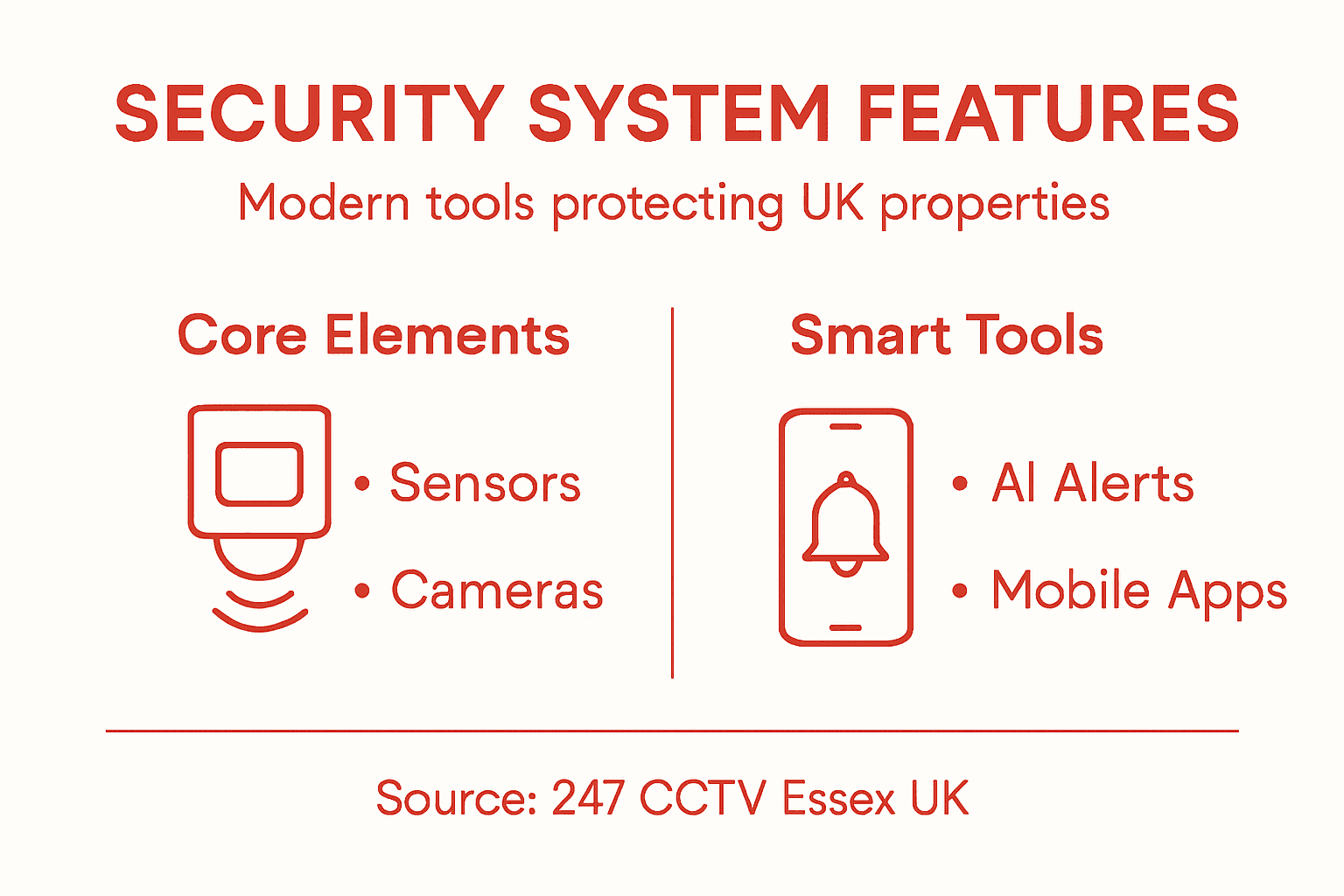
The integration of artificial intelligence and machine learning has transformed security system operations, enabling predictive threat assessment and proactive risk management. Contemporary systems continuously analyse historical data, learning from previous incident patterns to improve future detection accuracy. This intelligent approach allows security networks to become more refined and effective over time, providing property owners with increasingly sophisticated protection strategies.
Expert Tip: Regularly update your security system’s firmware and software to maintain optimal performance and protection against emerging technological vulnerabilities.
Legal Requirements and Data Protection Duties
Navigating the legal landscape of security systems demands rigorous compliance with complex data protection regulations across the United Kingdom. Information Commissioner’s Office guidance establishes comprehensive frameworks that organisations must follow when implementing security technologies, ensuring a delicate balance between comprehensive protection and individual privacy rights.
Key legal obligations for security system operators include:
- Mandatory registration with the Information Commissioner’s Office
- Clear and visible signage indicating surveillance areas
- Restricted access to recorded footage
- Purpose-specific use of surveillance data
- Compliance with UK General Data Protection Regulation (GDPR)
- Responding promptly to subject access requests
- Maintaining secure data storage and transmission protocols
Property managers and security professionals must understand that data protection requirements extend beyond simple technical implementation. The legal framework demands organisations demonstrate responsible data management, including securing digital archives, implementing strict access controls, and maintaining transparent policies about how collected information will be utilised and protected.
The consequences of non-compliance can be severe, potentially resulting in significant financial penalties and reputational damage. Security system operators must develop comprehensive documentation explaining their data handling processes, ensuring they can demonstrate adherence to regulatory standards if challenged by regulatory authorities. This involves creating detailed policies that outline data collection purposes, retention periods, and precise mechanisms for protecting individual privacy rights.
Expert Tip: Conduct regular internal audits of your security system’s data management practices to proactively identify and address potential compliance vulnerabilities.
Common Risks, Costs and Installation Pitfalls
Installing security systems in Essex and London properties involves navigating a complex landscape of technological, financial, and operational challenges that can significantly impact overall protection effectiveness. Security system installation strategies require careful consideration to avoid common pitfalls that could compromise system performance and property safety.
Potential risks and challenges during security system implementation include:
- Inadequate initial site assessment
- Poor sensor and camera placement
- Insufficient network infrastructure
- Budget constraints limiting system capabilities
- Lack of professional installation expertise
- Compatibility issues between different security components
- Overlooking future scalability requirements
The financial landscape of security system implementation involves multiple cost considerations beyond initial equipment purchase. Property managers must factor in ongoing maintenance expenses, potential system upgrades, software licensing, and professional installation services. Typical cost ranges for comprehensive security systems in the UK can vary from £500 for basic residential setups to £5,000 or more for complex commercial installations, depending on technological sophistication and property size.
Technological vulnerabilities represent another critical risk area, with outdated systems potentially creating significant security gaps. Cybersecurity threats continue evolving, making regular system updates and firmware upgrades essential. Professional security providers recommend comprehensive assessments every 18-24 months to ensure system resilience against emerging technological challenges and potential intrusion methods.
Below are common installation pitfalls and strategies to mitigate risks:
| Pitfall | Potential Impact | Recommended Solution |
|---|---|---|
| Poor device placement | Reduced detection, blind spots | Conduct site survey, expert planning |
| Inadequate network or wiring | System instability, outages | Invest in robust infrastructure |
| Ignoring scalability needs | Future costs, limited growth | Choose modular, upgradable systems |
Expert Tip: Always obtain multiple professional quotes and conduct thorough comparisons of system capabilities before making final security infrastructure investments.
Secure Your Essex and London Property with Expert Installation Solutions
The challenge of protecting your home or business in Essex and London requires more than just basic alarm systems. As the article outlines, modern security demands intelligent CCTV, advanced burglar alarms, and sophisticated access control systems that integrate seamlessly to provide real-time threat detection and comprehensive protection. If you want to avoid common pitfalls such as poor device placement or inadequate network infrastructure, partnering with professionals who understand these critical pain points is essential.

At 247 CCTV, we specialise in installing tailored security systems that meet the exact needs of your property while ensuring compliance with UK data protection and security frameworks. Benefit from our expert knowledge on security system basics and leverage smart solutions designed for both residential and commercial customers. Don’t let outdated or poorly installed systems leave your property vulnerable. Visit 247 CCTV now to secure a free consultation and start your journey to a safer property today.
Frequently Asked Questions
What are the key components of modern security systems?
Modern security systems typically include CCTV cameras, burglar alarm systems, and access control mechanisms. These components work together to provide comprehensive property protection through visual monitoring, intrusion detection, and controlled access.
How do CCTV systems enhance property security?
CCTV systems enhance security by providing continuous visual surveillance, enabling property owners to monitor activities in real-time, and recording events for retrospective analysis. Features often include high-resolution cameras, night vision capabilities, and motion-triggered recording.
What factors should be considered when installing a security system?
When installing a security system, key considerations include adequate site assessments, proper sensor and camera placement, robust network infrastructure, and future scalability requirements to ensure the system can evolve with changing security needs.
How can operators ensure compliance with data protection regulations in security systems?
Security system operators can ensure compliance by registering with the Information Commissioner’s Office, clearly marking surveillance areas, restricting access to recorded footage, and adhering to GDPR guidelines regarding data collection, storage, and usage.