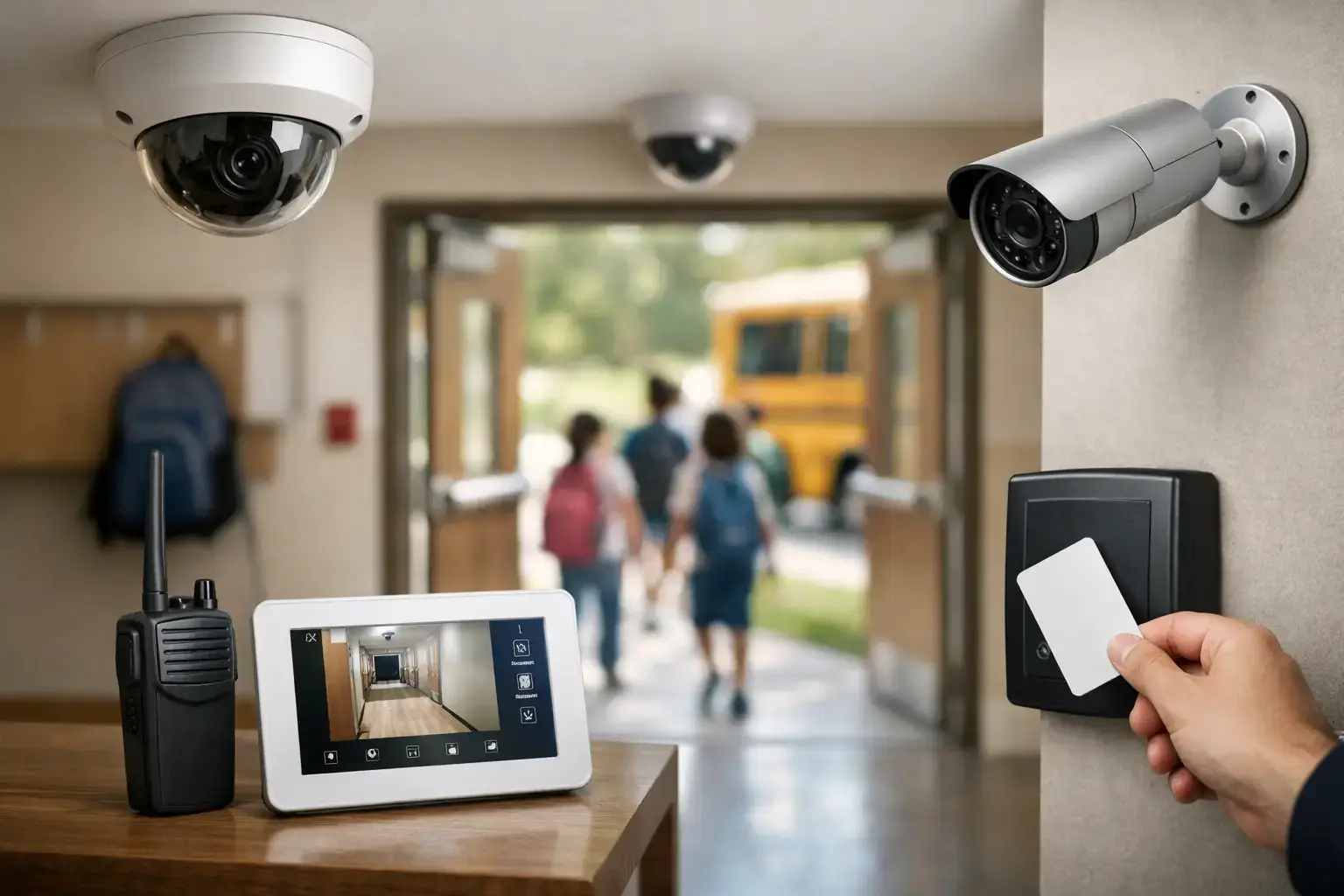
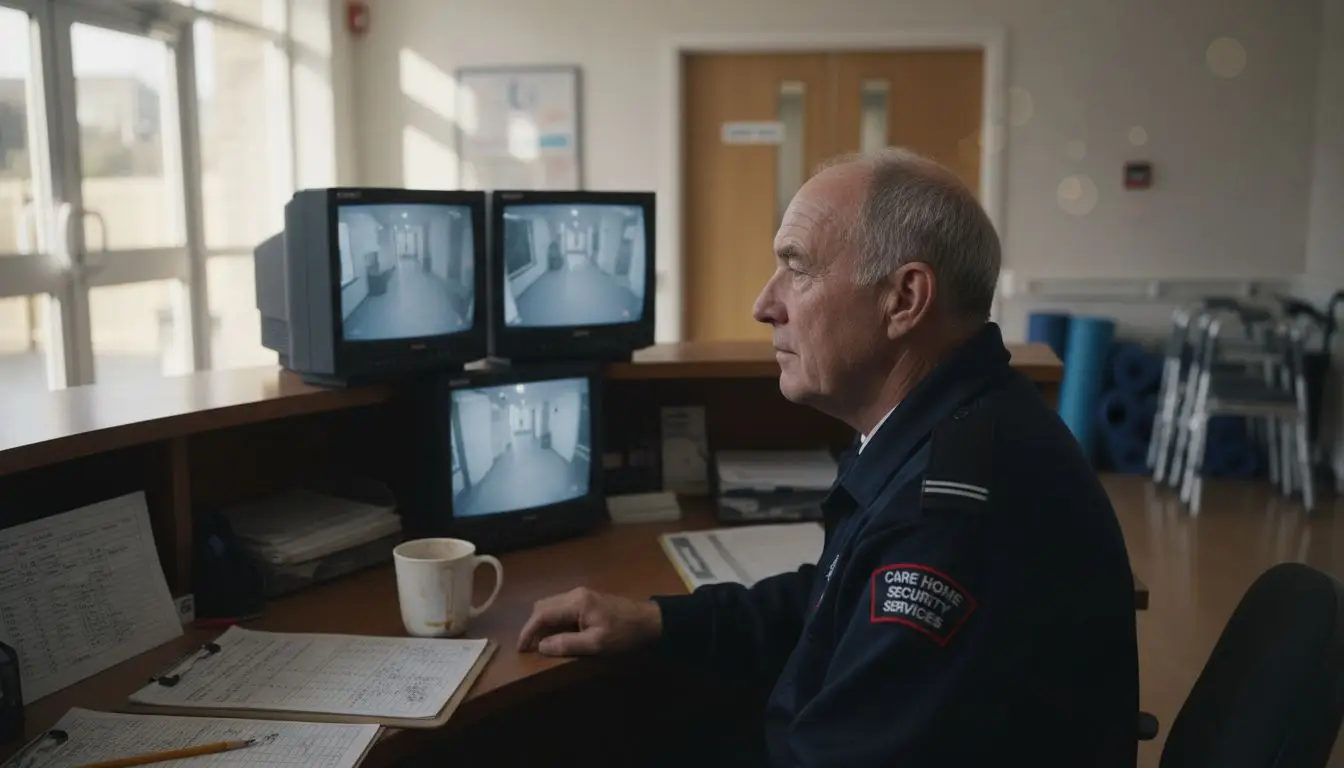
Every british care home faces growing pressure to deliver uncompromising safety for residents and staff. With over 90 percent of care providers reporting increased regulatory inspections in Essex and London this year, robust security systems are now central to daily operations. The right maintenance strategies for modern security technologies can help Facilities Managers stay ahead of compliance requirements while protecting vulnerable individuals. Discover how practical upkeep and smart planning create safer, regulation-ready environments for those who rely on your care.
Key Takeaways
| Point | Details |
|---|---|
| Robust Security Systems are Essential | Care homes require advanced security systems that go beyond traditional alarms to ensure the safety of residents and staff. |
| Regular Maintenance is Critical | Ongoing security system audits and updates are necessary to maintain functionality and compliance with regulations. |
| Integration of Technologies Enhances Safety | Combining personal alarms, movement sensors, and environmental monitoring creates comprehensive protection strategies. |
| Staff Training Cultivates a Safety Culture | Continuous education for staff on security system operations and emergency protocols improves overall safety in care homes. |
Security Systems in Care Homes Explained
Modern care homes require robust security systems to protect vulnerable residents, staff, and property. These sophisticated networks of technologies go far beyond traditional alarm mechanisms, incorporating advanced monitoring and protection strategies designed specifically for sensitive healthcare environments. Integrated care systems emphasise comprehensive risk management approaches that prioritise resident safety and operational integrity.
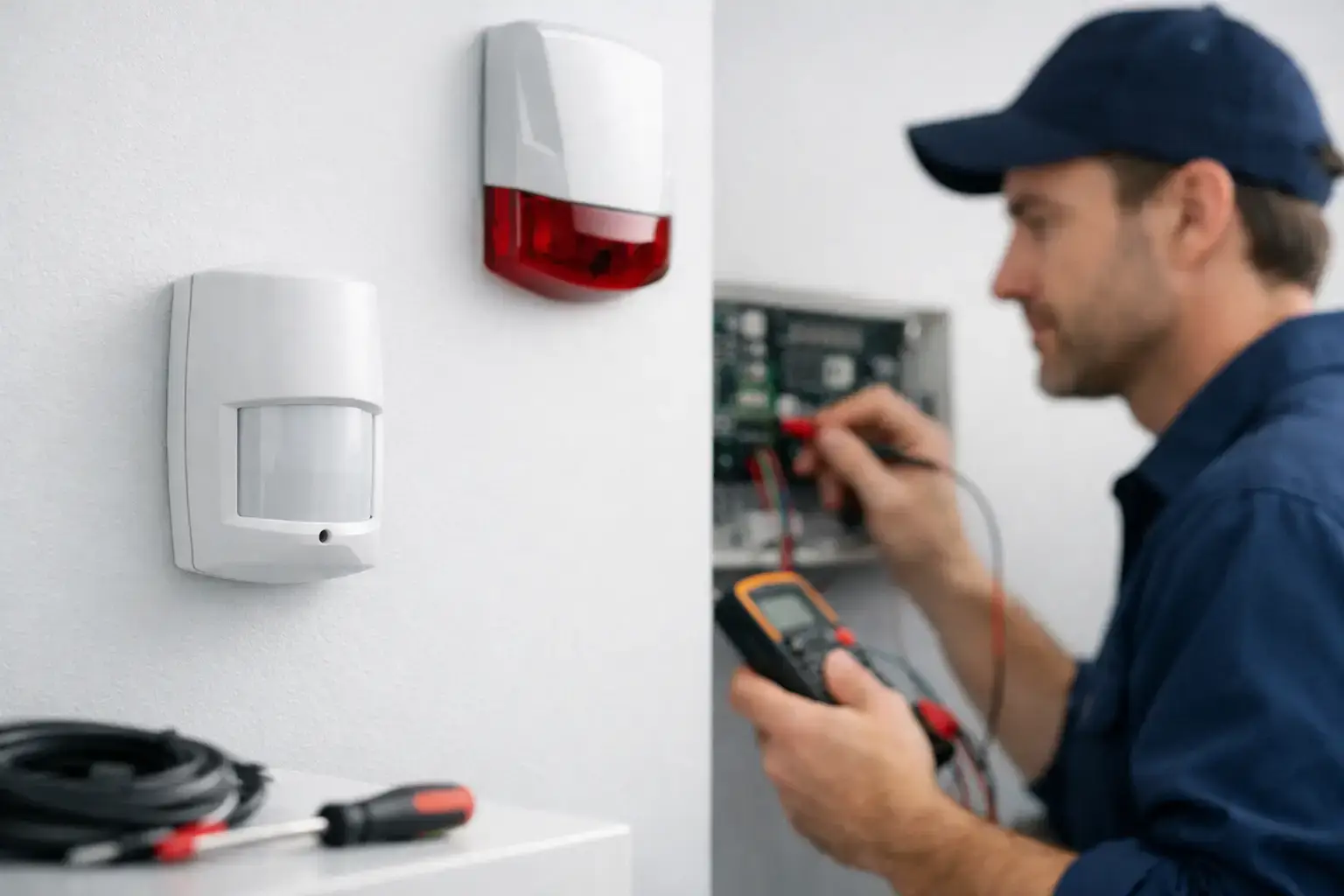
Care home security systems typically include multiple interconnected components such as burglar alarms like the Hikvision AX Pro, personal alarm systems, movement sensors, and monitoring technologies. These systems provide critical protection by detecting potential security breaches, monitoring resident movements, and ensuring rapid response capabilities. Key features often include door entry controls, emergency call buttons, and real-time alert mechanisms that notify staff of any unusual activities or potential risks.
The technological landscape of care home security has evolved significantly, moving beyond simple sound alarms to sophisticated monitoring systems that can detect complex environmental changes. Modern systems can track resident movements, monitor room temperatures, assess potential fall risks, and even provide GPS tracking for residents with wandering tendencies. These intelligent systems create layers of protection that enhance both safety and independence for care home residents.
Pro tip: Conduct quarterly comprehensive security system audits to ensure all components are functioning correctly and meet current regulatory standards.
Types and Functions of Security Systems
Care home security systems encompass a wide range of technologies designed to protect vulnerable residents and ensure comprehensive safety management. Personal alarm systems represent a critical component of these integrated protection strategies, offering multiple layers of monitoring and emergency response capabilities.
These security systems typically include several key technological components:
- Personal Alarms: Wearable devices allowing residents to call for immediate assistance
- Movement Sensors: Detecting unusual resident movements or potential wandering risks
- Environmental Monitoring: Tracking room temperatures, detecting potential hazards like smoke or flooding
- Door Entry Controls: Managing access and preventing unauthorized entries
- Emergency Call Buttons: Providing instant communication with staff during critical incidents
Modern security technologies in care homes have significantly evolved from basic alarm mechanisms to sophisticated integrated risk management systems. Advanced systems now incorporate GPS tracking, temperature monitoring, fall detection, and real-time alert mechanisms that provide comprehensive protection while maintaining resident dignity and independence. These intelligent systems balance technological intervention with personalised care approaches, ensuring safety without compromising residents’ sense of autonomy.
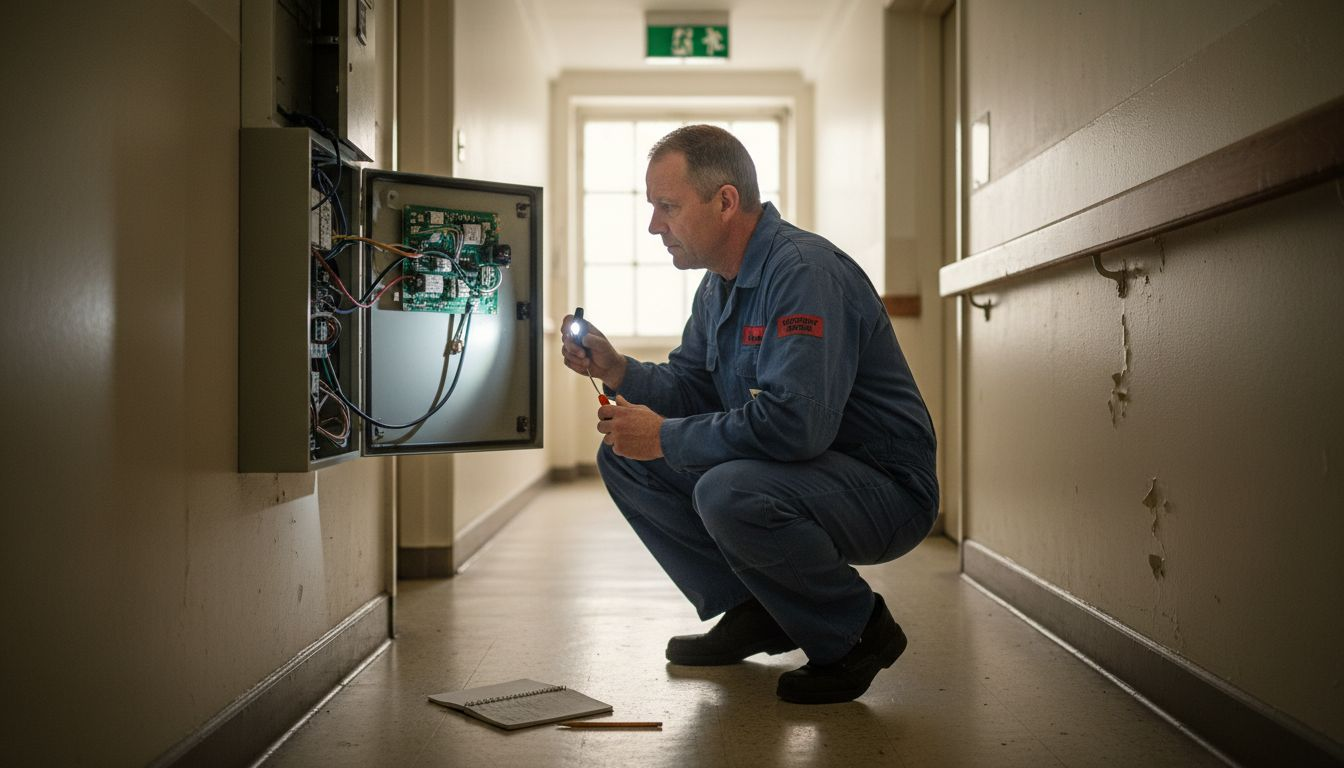
Here’s a concise comparison of essential security technologies and their business impact in care homes:
| Technology | Primary Purpose | Business Impact |
|---|---|---|
| Personal Alarms | Immediate resident alerts | Enhances emergency response times |
| Movement Sensors | Detect unusual activity | Reduces risk of resident wandering |
| Environmental Monitors | Track hazards & temperature | Minimises incident-related disruptions |
| Door Entry Controls | Manage building access | Prevents unauthorised entry & losses |
| GPS Tracking | Resident location safety | Protects vulnerable individuals |
Pro tip: Consult with security specialists to develop a bespoke system that matches the specific needs and layout of your care home environment.
CQC Standards and UK Compliance Laws
Care homes must navigate complex regulatory requirements to ensure resident safety and legal compliance. Surveillance technologies in care services are strictly regulated under the Care Quality Commission (CQC) guidelines, requiring meticulous attention to privacy, consent, and data protection principles.
The CQC establishes fundamental standards that care homes must meet, encompassing several critical areas of regulation:
- Safe Care and Treatment: Ensuring resident protection and appropriate security measures
- Safeguarding from Abuse: Implementing robust systems to prevent potential harm
- Good Governance: Maintaining transparent and accountable management practices
- Staffing Suitability: Verifying personnel credentials and background checks
- Duty of Candour: Maintaining openness about incidents and potential risks
Fundamental regulatory standards require care homes to develop comprehensive security strategies that balance resident protection with individual privacy rights. This involves creating clear policies around surveillance, data management, and consent, ensuring that all security technologies comply with the Health and Social Care Act 2008 and General Data Protection Regulation (GDPR). Care homes must demonstrate that their security systems are not only technologically robust but also ethically and legally sound, protecting both the physical and personal rights of vulnerable residents.
Pro tip: Conduct annual comprehensive compliance audits to ensure your security systems meet current CQC regulatory requirements and data protection standards.
Risks of Neglecting Security Maintenance
Neglecting security system maintenance in care homes creates significant vulnerabilities that compromise resident safety and organisational integrity. Health and safety risks emerge rapidly when security technologies are not regularly inspected, updated, and professionally maintained, potentially exposing vulnerable residents to serious threats.
Key risks associated with poor security maintenance include:
- Equipment Failure: Increased likelihood of alarm and monitoring system breakdowns
- Cybersecurity Vulnerabilities: Potential breaches in digital security infrastructure
- Reduced Response Capabilities: Compromised ability to detect and respond to emergencies
- Regulatory Non-Compliance: Potential violations of CQC and data protection standards
- Financial Exposure: Higher costs from emergency repairs and potential legal liabilities
The consequences of inadequate security maintenance extend beyond immediate physical risks. Outdated or poorly maintained systems can create significant operational challenges, including reduced staff confidence, increased insurance premiums, and potential legal repercussions. Care homes must view security maintenance as a critical ongoing investment, not a discretionary expense. Proactive maintenance ensures that security technologies remain reliable, effective, and aligned with evolving regulatory requirements, ultimately protecting both residents and the organisation’s reputation.
Pro tip: Implement a quarterly comprehensive security system audit with a certified security professional to identify and address potential maintenance issues before they become critical.
Best Practices for Ongoing System Upkeep
Effective security system maintenance in care homes requires a comprehensive and proactive approach that balances technological sophistication with practical implementation. Modern care home security practices emphasise integrated solutions that protect residents while preserving their dignity and independence.
Key best practices for ongoing security system maintenance include:
- Regular Professional Inspections: Quarterly comprehensive system assessments by certified security specialists
- Staff Training Programmes: Continuous education on system functionality and emergency protocols
- Technology Updates: Implementing the latest security technologies and software patches
- Integrated Testing: Routine checks of all interconnected security components
- Documentation Management: Maintaining detailed logs of system performance and maintenance activities
Care home managers must view security system maintenance as a dynamic, ongoing process rather than a static requirement. This approach involves creating a robust maintenance schedule that encompasses technical inspections, staff training, and periodic system evaluations. Advanced technologies like AI-driven analytics and integrated wander management systems require specialised knowledge and consistent upkeep to ensure optimal performance. By treating security systems as living, evolving technologies, care homes can create multi-layered protection strategies that adapt to changing residential and regulatory needs.
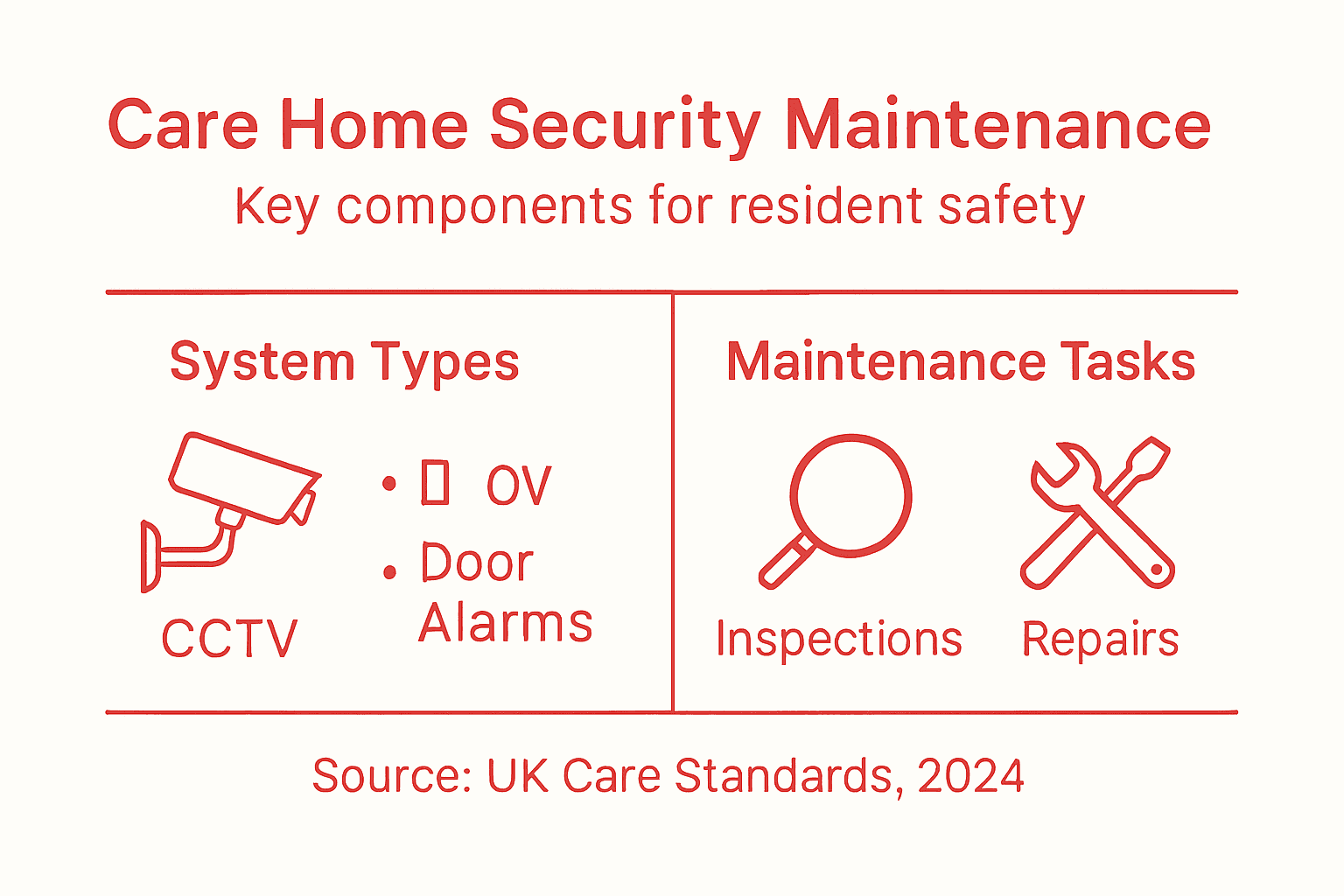
To help care home managers, here’s a summary of best practices for ongoing system upkeep and their organisational benefits:
| Best Practice | Short Description | Benefit to Organisation |
|---|---|---|
| Regular Inspections | Quarterly specialist assessments | Maintains reliability |
| Staff Training Programmes | Continuous education sessions | Improves safety culture |
| Technology Updates | Install latest software and hardware | Guards against cyber threats |
| Integrated Testing | Routine system-wide functionality checks | Ensures comprehensive protection |
| Documentation Management | Detailed logs of system performance | Supports regulatory compliance |
Pro tip: Develop a dedicated security maintenance calendar with specific quarterly and annual checkpoints to ensure consistent and comprehensive system oversight.
Enhance Care Home Safety with Expert Security System Maintenance
Maintaining security systems in care homes is essential to protect vulnerable residents and meet strict regulatory standards. The risks of equipment failure and reduced emergency response are high if security systems like door entry controls and personal alarms are neglected. At 247 CCTV we understand these challenges and offer professional installation and maintenance of CCTV, burglar alarms and access control systems tailored for care environments. Our reliable solutions help you uphold CQC compliance and provide peace of mind.
Secure your care home with trusted security technology and ongoing support from 247 CCTV. Act now to enhance resident safety and operational resilience. Visit our website to explore how our professional CCTV installation and advanced door entry systems can safeguard your facility. Don’t wait for issues to arise – ensure your security systems are always trusted and effective.
Frequently Asked Questions
Why is it important to maintain security systems in care homes?
Regular maintenance of security systems is crucial to ensure the reliability and effectiveness of safety measures for residents. Proper upkeep helps prevent equipment failures, reduces the risk of breaches, and ensures compliance with regulatory standards, ultimately protecting both residents and the organisation.
What are the risks of neglecting to maintain security systems in care homes?
Neglecting maintenance can lead to equipment failures, cybersecurity vulnerabilities, and reduced response capabilities. It can also result in regulatory non-compliance and financial exposure due to potential legal liabilities and increased emergency repair costs.
How frequently should security systems in care homes be inspected?
It is recommended to conduct comprehensive security system inspections quarterly. Regular professional assessments help ensure all components are functioning correctly and meet current regulatory requirements.
What best practices can be employed for the ongoing maintenance of security systems in care homes?
Best practices include regular professional inspections, continuous staff training programmes, technology updates, routine integrated testing of security components, and detailed documentation management to track system performance and maintenance activities.
Recommended
- Care Home Essentials – 247 CCTV Security Ltd
- Care Home Essentials – 247 CCTV Security Ltd
- Commercial Security Explained: Protecting Care Homes Effectively – 247 CCTV Security Ltd
- Security in Nursing Homes – CCTV Systems in Nursing Homes
- Complete Guide to Website Security for Businesses – ResponsiveWebsiteDesign
- Senior Pet Safety: Keeping Aging Companions Secure – iPupPee