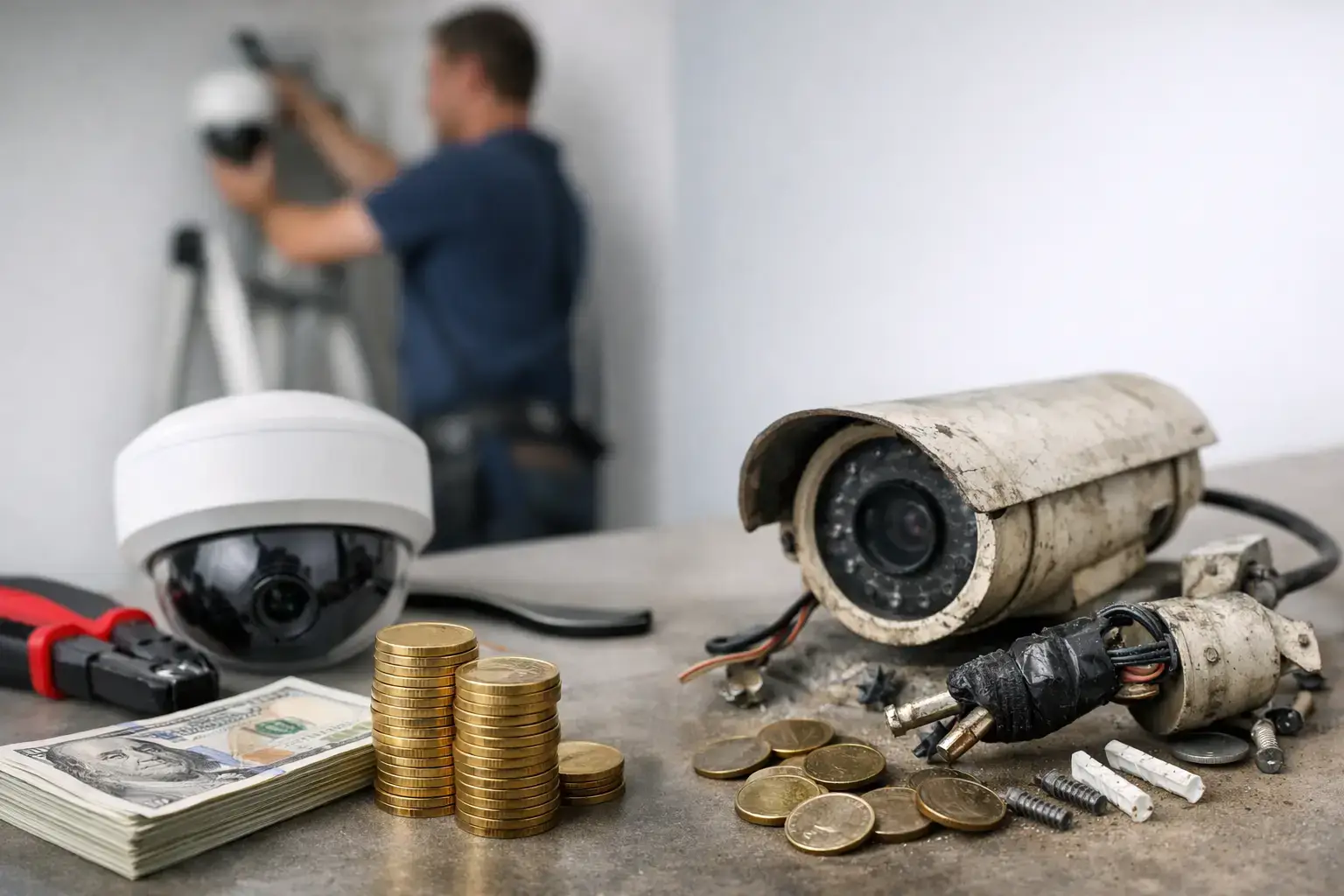
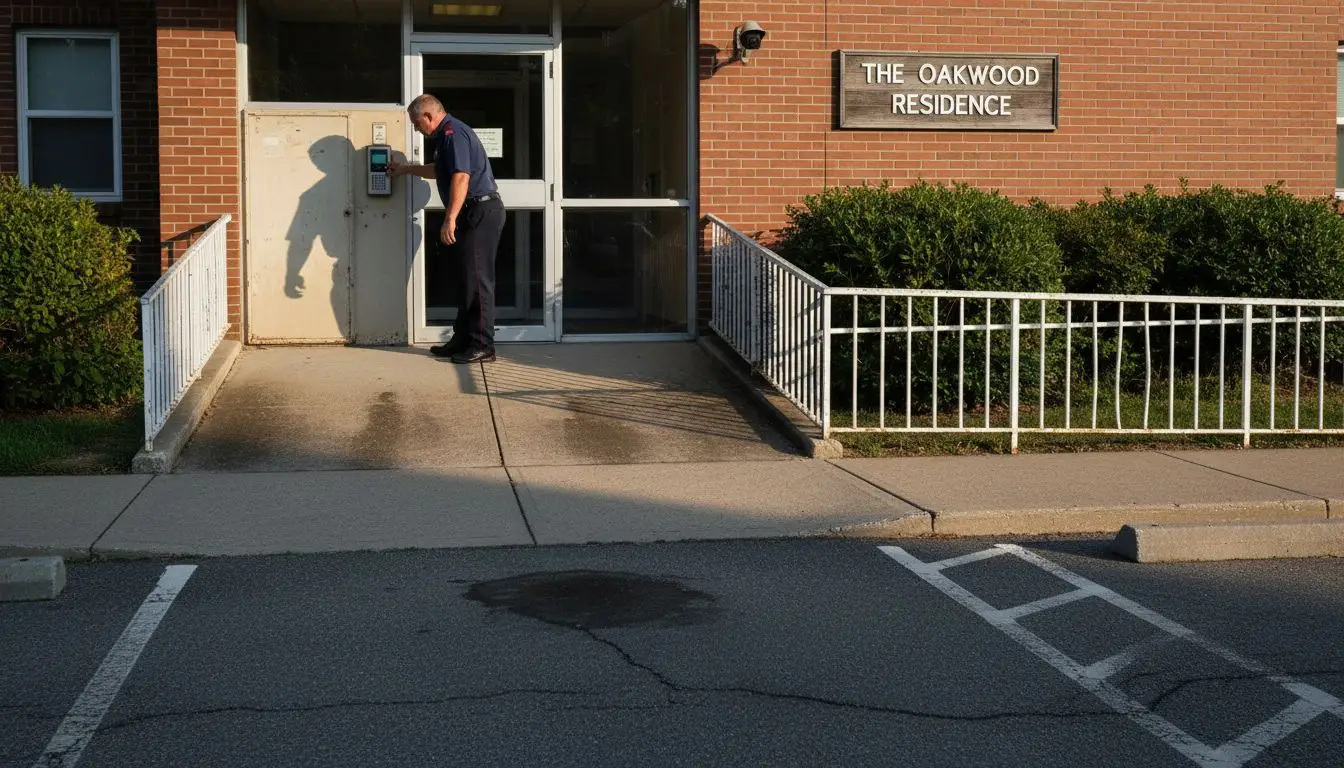
Nearly half of British care homes report security incidents each year, putting both residents and operations at risk. For Facilities Managers and Compliance Officers across Essex and London, the challenge goes beyond locking doors. Commercial security now means integrating advanced technology with human-centred practices to meet strict regulatory demands. This guide explains how modern british approaches can transform safety, maintain dignity, and ensure every legal box is ticked.
Key Takeaways
| Point | Details |
|---|---|
| Comprehensive Security Strategies | Commercial security in care homes combines technology and procedures to protect residents while preserving dignity. |
| Legal Compliance | Adhering to regulations such as the Health and Social Care Act is essential for protecting vulnerable individuals and ensuring safe environments. |
| Proactive Risk Management | Regular audits and risk assessments are crucial for identifying vulnerabilities and enhancing security protocols. |
| Integration of Technology | Modern security systems leverage advanced technologies like AI and machine learning to improve monitoring and response capabilities. |
Defining Commercial Security for Care Homes
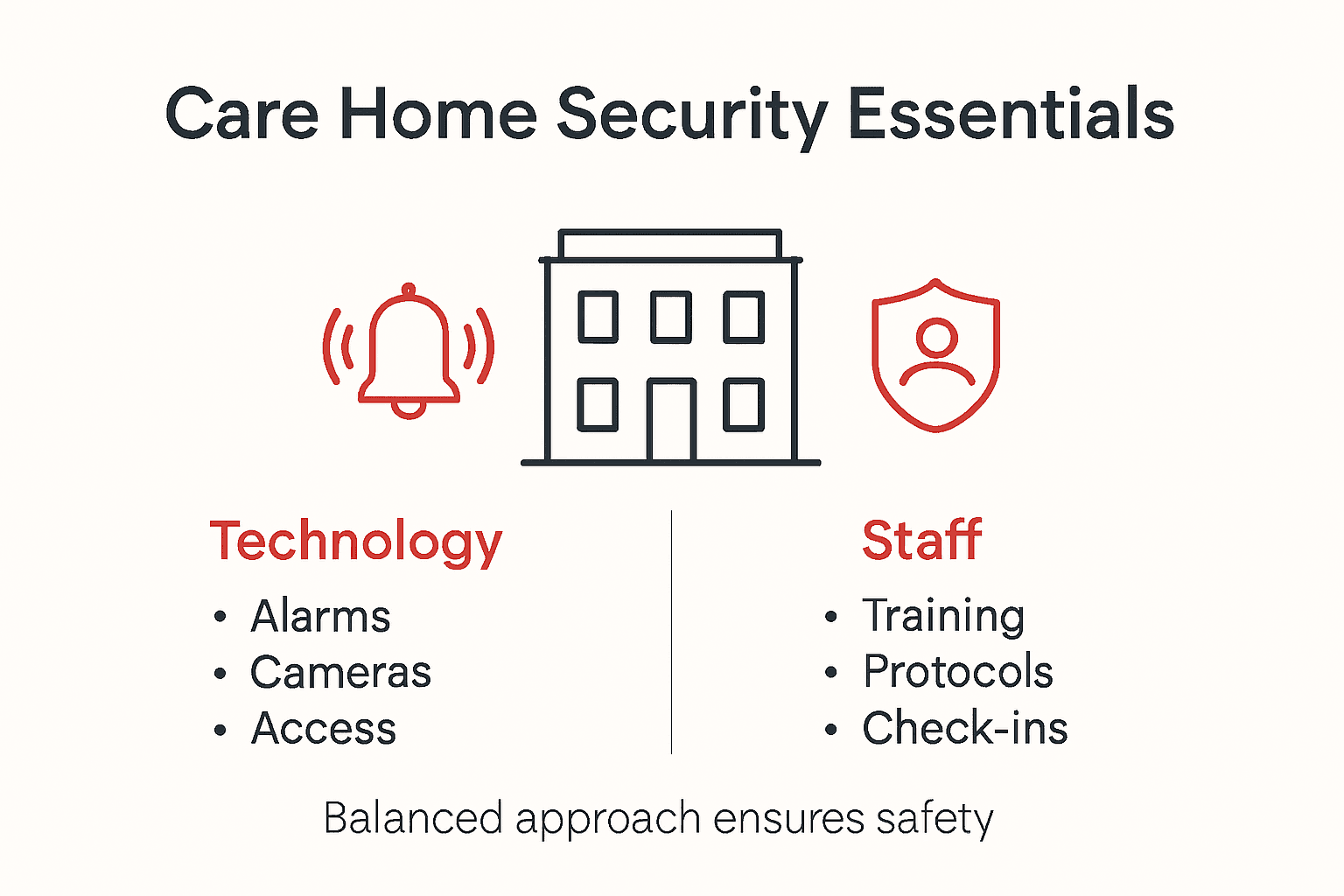
Commercial security represents a comprehensive strategy for protecting vulnerable environments like care homes, focusing on safeguarding residents, staff, and visitors through integrated technological and procedural approaches. These systems go far beyond traditional lock-and-key methods, incorporating sophisticated technologies designed to maintain safety while preserving individual dignity.
In care home settings, security frameworks must balance protection with accessibility, creating environments that feel secure without feeling institutional. This means implementing solutions like advanced burglar alarm systems from manufacturers such as Hikvision AX Pro, RISCO LightSYS+, and Texecom Premier Elite that offer intelligent zone management, enabling precise monitoring without creating a sense of imprisonment.
Key components of effective commercial security for care homes typically include:
- Intelligent burglar alarm systems with configurable sensitivity
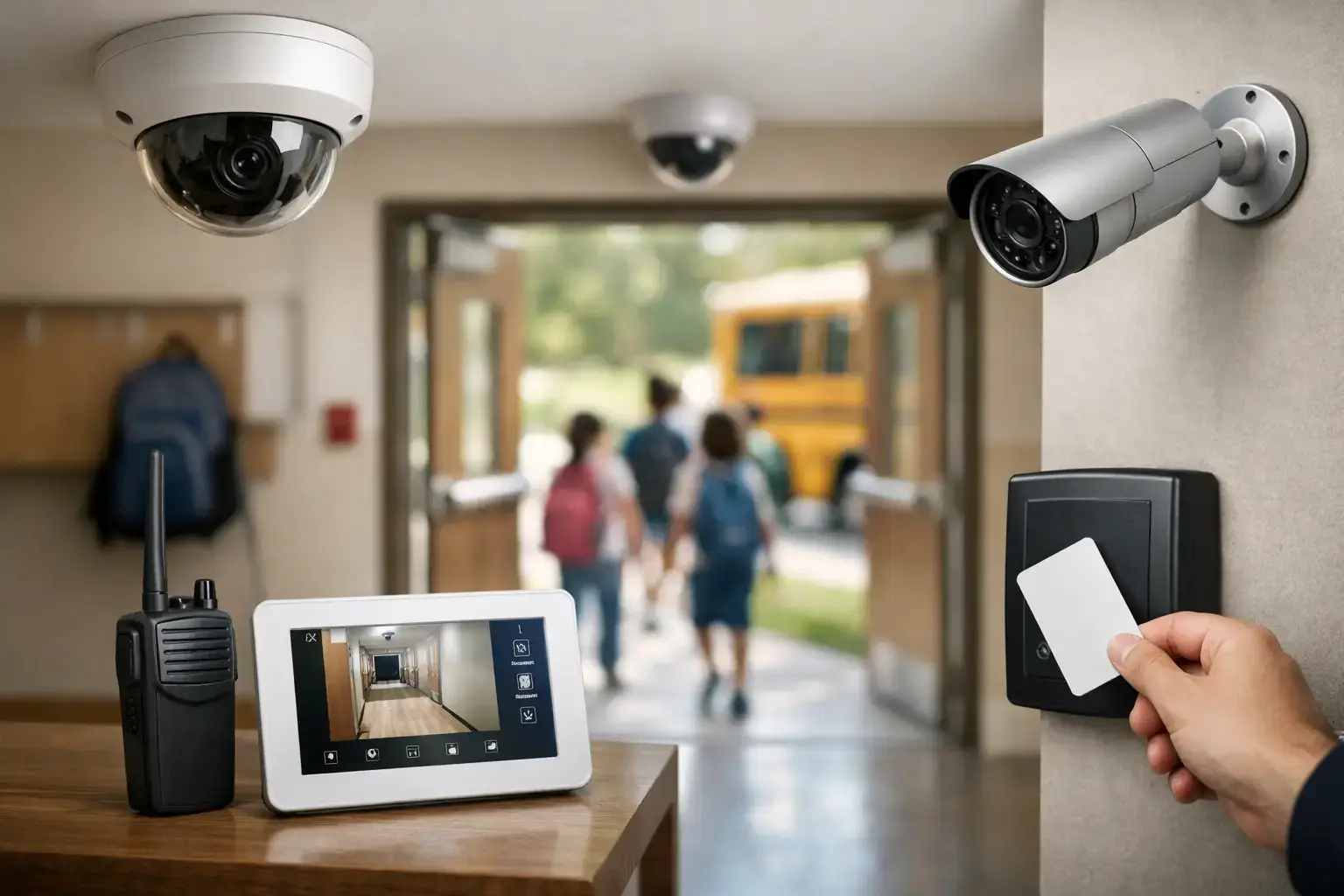
- Access control mechanisms limiting entry to authorised personnel
- Motion detection technologies that distinguish between resident movement and potential security threats
- Digital logging and reporting systems for comprehensive incident tracking
The primary objective remains protecting vulnerable residents while maintaining an atmosphere of warmth, respect, and personal freedom. Modern security solutions achieve this through smart technologies that provide robust protection without feeling invasive or threatening.
The following table summarises how different security system types support care home objectives:
| System Type | Main Function | Unique Value for Care Homes |
|---|---|---|
| Burglar Alarm Systems | Detect unauthorised access | Protects entry points 24/7 |
| Access Control Mechanisms | Regulate personnel access | Prevents unauthorised movement |
| CCTV Surveillance Networks | Visual monitoring and evidence | Monitors sensitive areas, aids investigations |
| Motion Detection | Discerns movement vs threats | Reduces false alarms and enhances safety |
Pro Tip: Conduct regular security audits with staff input to ensure your security systems balance technological protection with human-centred care approaches.
Types of Security Systems for Businesses
Business security systems represent critical infrastructure designed to protect commercial environments from potential threats, encompassing a wide range of technological solutions tailored to specific organisational needs. Understanding the various security system types is fundamental for comprehensive protection, ensuring businesses can implement targeted strategies that address their unique vulnerabilities.
The primary categories of business security systems include:
- Burglar Alarm Systems: Advanced electronic networks that detect unauthorized entry through sensors, motion detectors, and perimeter monitoring
- Access Control Systems: Sophisticated mechanisms regulating personnel entry using key cards, biometric scanners, and digital authentication
- CCTV Surveillance Networks: Comprehensive visual monitoring systems providing real-time and recorded security footage
- Intrusion Detection Systems: Intelligent technologies that identify and alert security personnel about potential security breaches
- Fire and Safety Monitoring Systems: Integrated solutions tracking environmental risks and automatically alerting emergency services
Each security system type offers distinct advantages, with modern solutions increasingly leveraging interconnected digital technologies. Businesses must carefully assess their specific risk profiles, physical layout, and operational requirements when selecting appropriate security infrastructure. This means considering factors like building size, employee movement patterns, sensitive areas, and potential external threats.
Technological advancements have transformed business security from reactive to proactive approaches. Contemporary systems now incorporate artificial intelligence, machine learning algorithms, and cloud-based monitoring capabilities that provide unprecedented levels of situational awareness and rapid threat response.
Pro Tip: Conduct a comprehensive security audit annually to ensure your security systems remain aligned with evolving technological capabilities and emerging threat landscapes.
How Security Solutions Work in Practice
Security solutions transform theoretical protection strategies into tangible, operational safeguards that actively monitor and respond to potential risks. Practical implementation of security frameworks requires sophisticated integration of technological and human elements, creating comprehensive protective environments that anticipate and neutralise potential threats.
In real-world applications, security solutions operate through interconnected systems that communicate and respond dynamically:
- Sensor Networks: Multiple detection points continuously scan physical environments
- Central Monitoring Stations: Intelligent command centres processing incoming data in real-time
- Automated Response Protocols: Predefined action sequences triggered by specific security events
- Digital Logging: Comprehensive recording of all security interactions and system activities
The technical architecture of modern security solutions involves layered protection strategies. Intelligent burglar alarm systems like Hikvision AX Pro, RISCO LightSYS+, and Texecom Premier Elite utilise advanced zone management, enabling precise segmentation of monitored spaces. This approach allows granular control, distinguishing between authorised movements and potential security breaches.
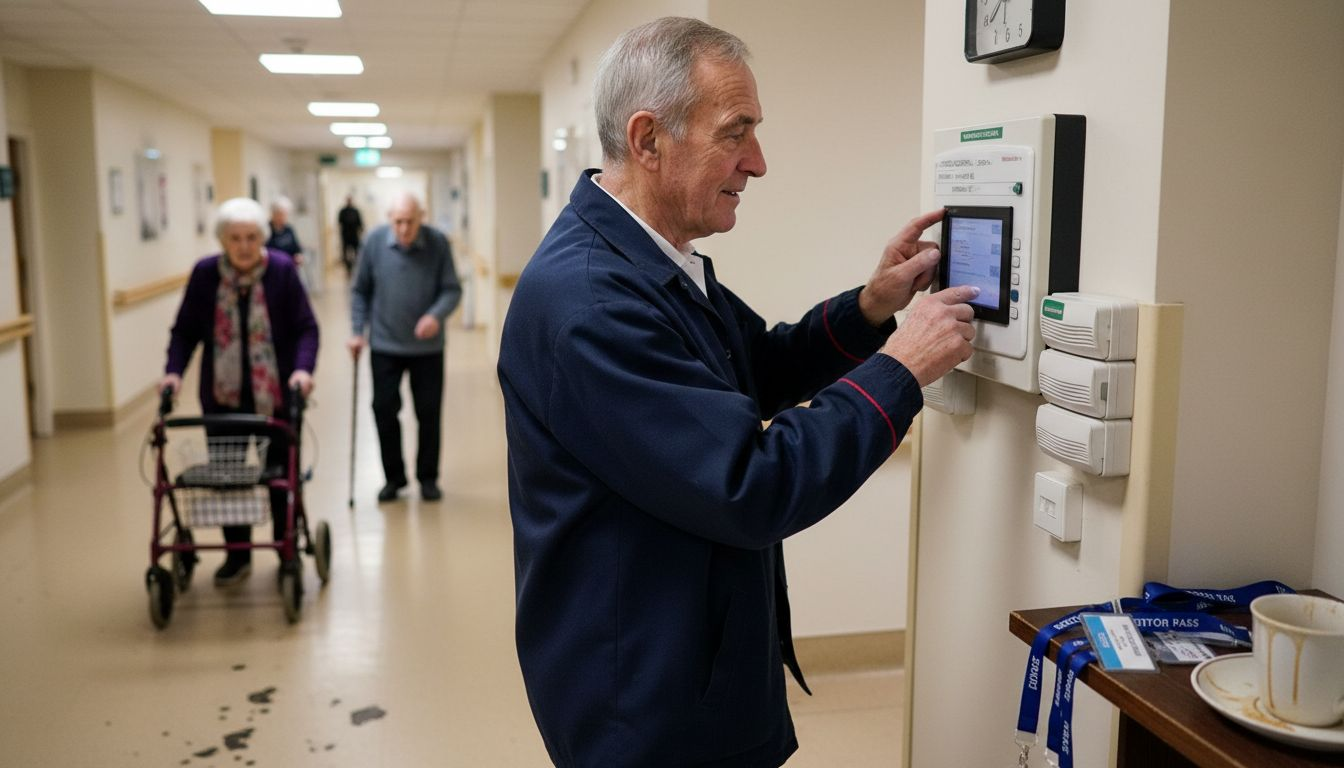
Technological integration means security systems now function as proactive guardians rather than passive recording devices. Machine learning algorithms analyse patterns, predict potential risks, and generate automated alerts, transforming security from reactive monitoring to intelligent prevention. These systems can differentiate between routine activities and genuine threats, reducing false alarm rates and improving overall operational efficiency.
Pro Tip: Regularly update security system firmware and conduct comprehensive staff training to maintain optimal performance and ensure human-technology synchronisation.
Legal and Compliance Demands in the UK
Commercial security in care homes involves navigating a complex landscape of legal requirements that extend far beyond simple technological implementations. Statutory compliance demands comprehensive risk management strategies that protect vulnerable residents while maintaining their fundamental rights and dignity.
The primary legal frameworks governing care home security in the United Kingdom include:
- Health and Social Care Act 2008: Establishes core regulatory standards for care facility operations
- Data Protection Act 2018: Governs the collection, storage, and management of personal information
- Human Rights Act 1998: Ensures individual privacy and protection against invasive monitoring
- Care Quality Commission (CQC) Regulations: Provide specific guidelines for safety and risk management
Under these regulations, care homes must demonstrate rigorous approaches to security that balance protection with resident autonomy. This means implementing systems like Hikvision AX Pro, RISCO LightSYS+, and Texecom Premier Elite burglar alarms that offer granular control and comprehensive monitoring without compromising personal freedoms. Security solutions must be proportionate, transparent, and designed with explicit consent and privacy considerations.
Furthermore, legal compliance requires ongoing documentation, regular risk assessments, and transparent reporting mechanisms. Care home managers must maintain comprehensive records demonstrating how security systems protect residents, staff, and visitors while adhering to strict regulatory standards. This involves not just technological implementation, but also staff training, periodic system reviews, and maintaining clear communication protocols about security measures.
Here is a comparison of key UK legal frameworks and their care home security implications:
| Regulation | Area Governed | Security Implication |
|---|---|---|
| Health and Social Care Act | Facility operational standards | Sites must ensure safe, secure environments |
| Data Protection Act 2018 | Information and privacy | Security systems must safeguard personal data |
| Human Rights Act 1998 | Resident privacy | Prohibits invasive monitoring and upholds individual dignity |
| CQC Regulations | Safety and risk management | Mandates routine checks and robust incident documentation |
Pro Tip: Conduct quarterly legal compliance audits to ensure your security systems remain aligned with current statutory requirements and best practice guidelines.
Risks, Liabilities, and Common Pitfalls
Security management in care homes represents a complex landscape of potential risks and legal vulnerabilities that demand meticulous strategic planning. Understanding the comprehensive range of sector-specific hazards is crucial for preventing catastrophic operational failures, particularly when protecting vulnerable resident populations.
The most significant risks confronting care home security include:
- Physical Safety Vulnerabilities: Potential for resident accidents, falls, and unmonitored movements
- Data Protection Breaches: Risks associated with improper information handling and digital security
- Staff Training Deficiencies: Inadequate security protocol understanding and implementation
- Technology Integration Challenges: Inconsistent or poorly configured security systems
- Regulatory Compliance Gaps: Potential violations of health and safety regulations
Technological solutions like Hikvision AX Pro, RISCO LightSYS+, and Texecom Premier Elite burglar alarm systems can mitigate many of these risks by providing intelligent monitoring, automated incident reporting, and comprehensive access control. These systems offer granular tracking capabilities that help care homes proactively identify and address potential security vulnerabilities before they escalate into significant problems.
Beyond technological interventions, care homes must develop holistic risk management strategies that integrate staff training, clear procedural guidelines, and continuous system evaluation. This means creating a culture of security awareness where every team member understands their role in maintaining a safe environment. Regular risk assessments, staff training programmes, and transparent communication channels are essential for building a robust security ecosystem that protects residents, staff, and the organisation’s reputation.
Pro Tip: Implement a quarterly comprehensive risk assessment programme that involves staff, management, and external security experts to continuously identify and mitigate potential vulnerabilities.
Secure Your Care Home with Trusted Commercial Security Solutions
Protecting vulnerable residents while respecting their dignity is a critical challenge for care homes today. The article highlights the importance of advanced systems like intelligent burglar alarms, access control, and motion detection to create safe yet welcoming environments. At the same time, care homes must navigate complex legal and compliance requirements that demand reliable, transparent security.
If you want to safeguard your care home with modern solutions tailored to these specific needs, explore our expert installation services. We specialise in installing CCTV, burglar alarms, door entry, and access systems that provide robust protection without compromising personal freedom. From integrating Hikvision AX Pro and Texecom Premier Elite style alarms to comprehensive access control systems, we help you meet both security goals and regulatory demands efficiently.
Enhance your care home’s safety today by partnering with a trusted security installation company. Visit our website and discover how we can customise the perfect security setup for your facility. Don’t wait until risks escalate; secure the peace of mind your residents and staff deserve now.
Learn more about how to protect your business environment by checking out our specialist services at 247cctv.co.uk. For a comprehensive approach to your security needs, get in touch today through our contact page.
Frequently Asked Questions
What is commercial security for care homes?
Commercial security for care homes refers to integrated strategies that protect vulnerable residents, staff, and visitors through advanced technologies and procedural measures, ensuring safety while maintaining dignity and accessibility.
How do intelligent burglar alarm systems aid care home security?
Intelligent burglar alarm systems help care homes by providing precise monitoring with features like configurable sensitivity and intelligent zone management, allowing for effective protection without making residents feel imprisoned.
What are the primary components of effective commercial security in care homes?
The primary components include intelligent burglar alarm systems, access control mechanisms, motion detection technologies, and digital logging systems, all of which work together to enhance safety and incident tracking.
Why is regular security auditing important for care homes?
Regular security auditing is essential as it helps ensure that security systems effectively balance technological protection with human-centred care approaches, adapting to any changes in risks or operational needs.
Recommended
- Care Home Essentials – 247 CCTV Security Ltd
- Care Home Essentials – 247 CCTV Security Ltd
- 24 Hour Security – Protecting Your Premises 24/7 – 247 CCTV Security Ltd
- Burglary Prevention Methods for Businesses and Homes UK – 247 CCTV Security Ltd
- Complete Guide to Ecommerce Security Basics – Shopify Experts: Grow Your eCommerce Revenue