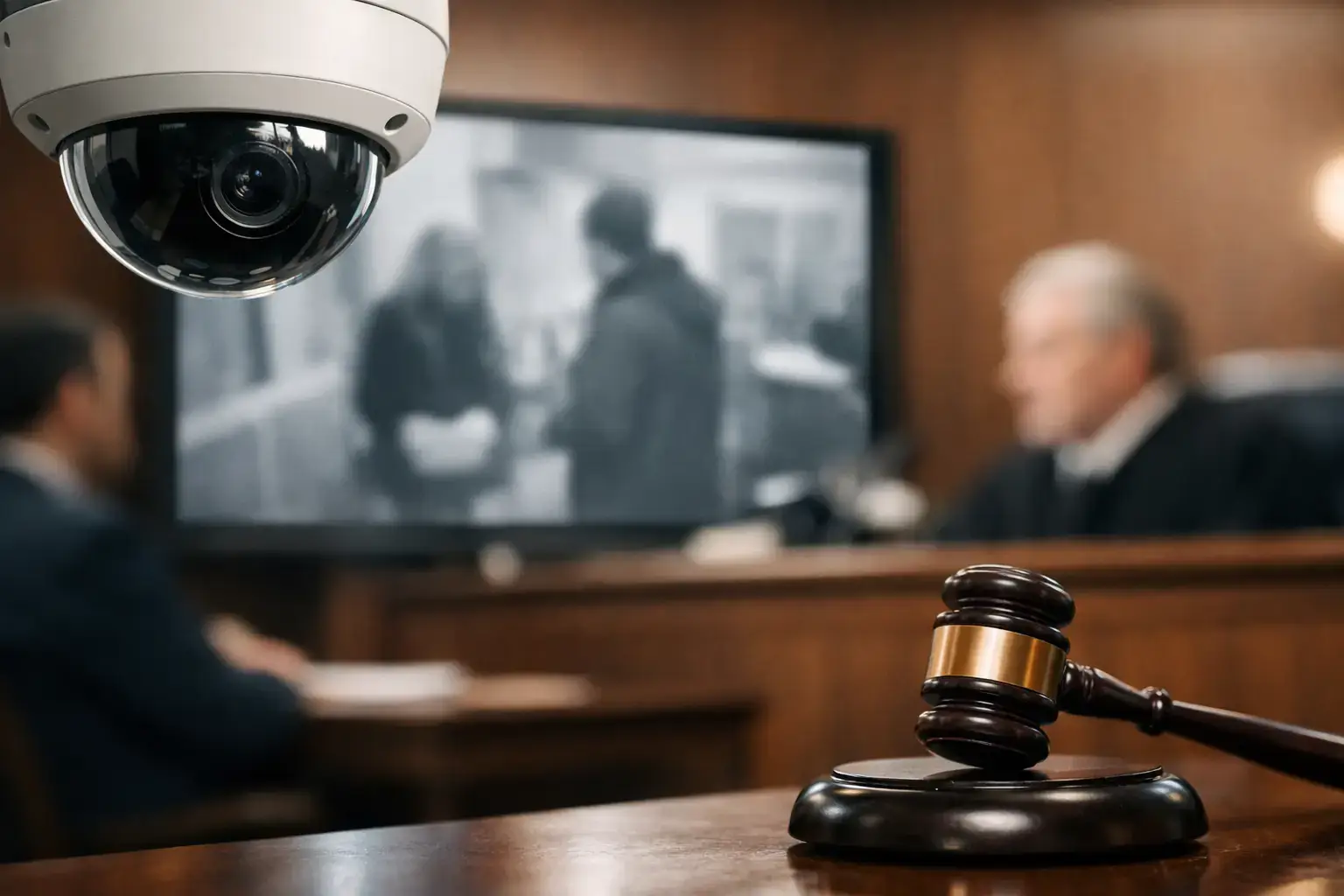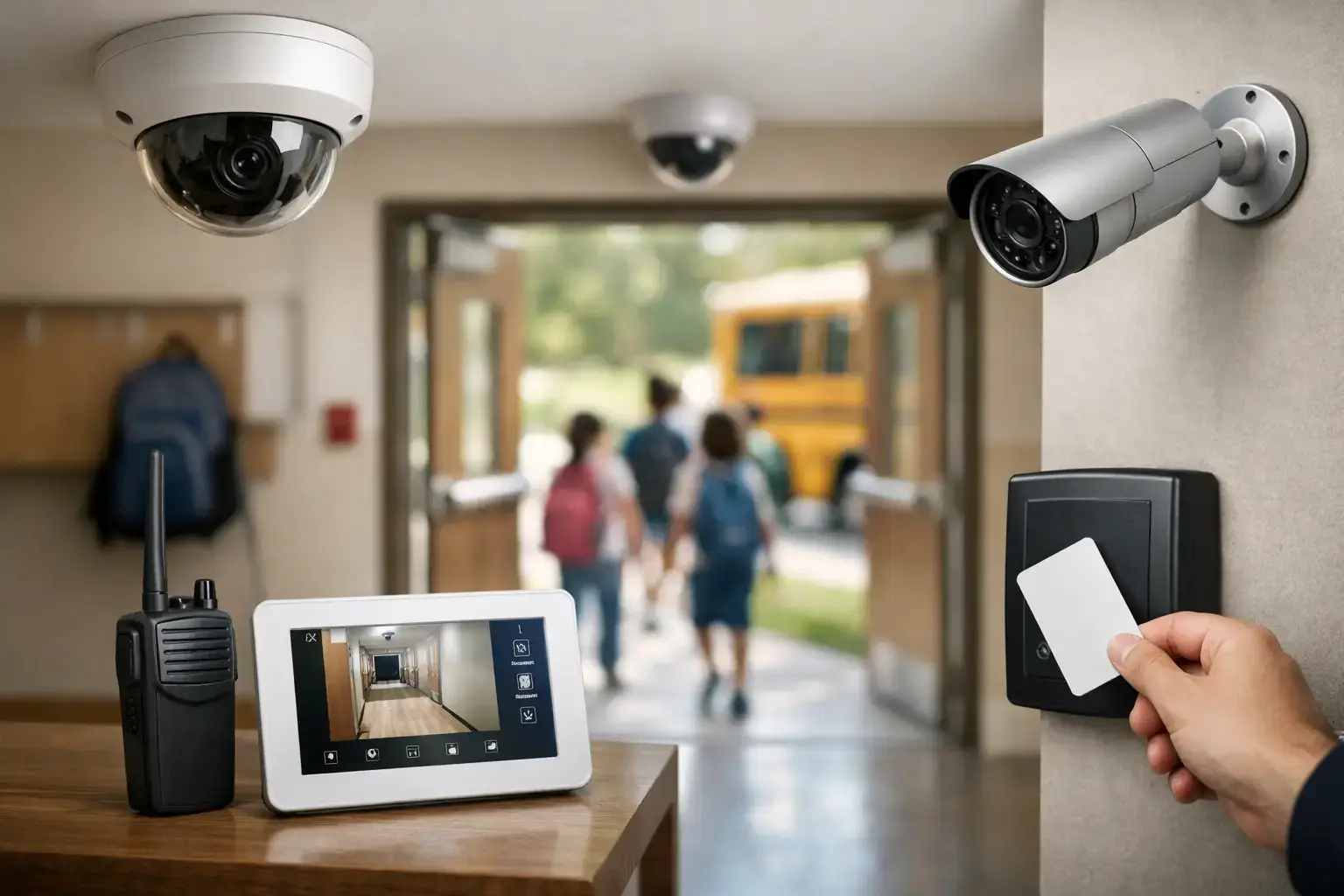
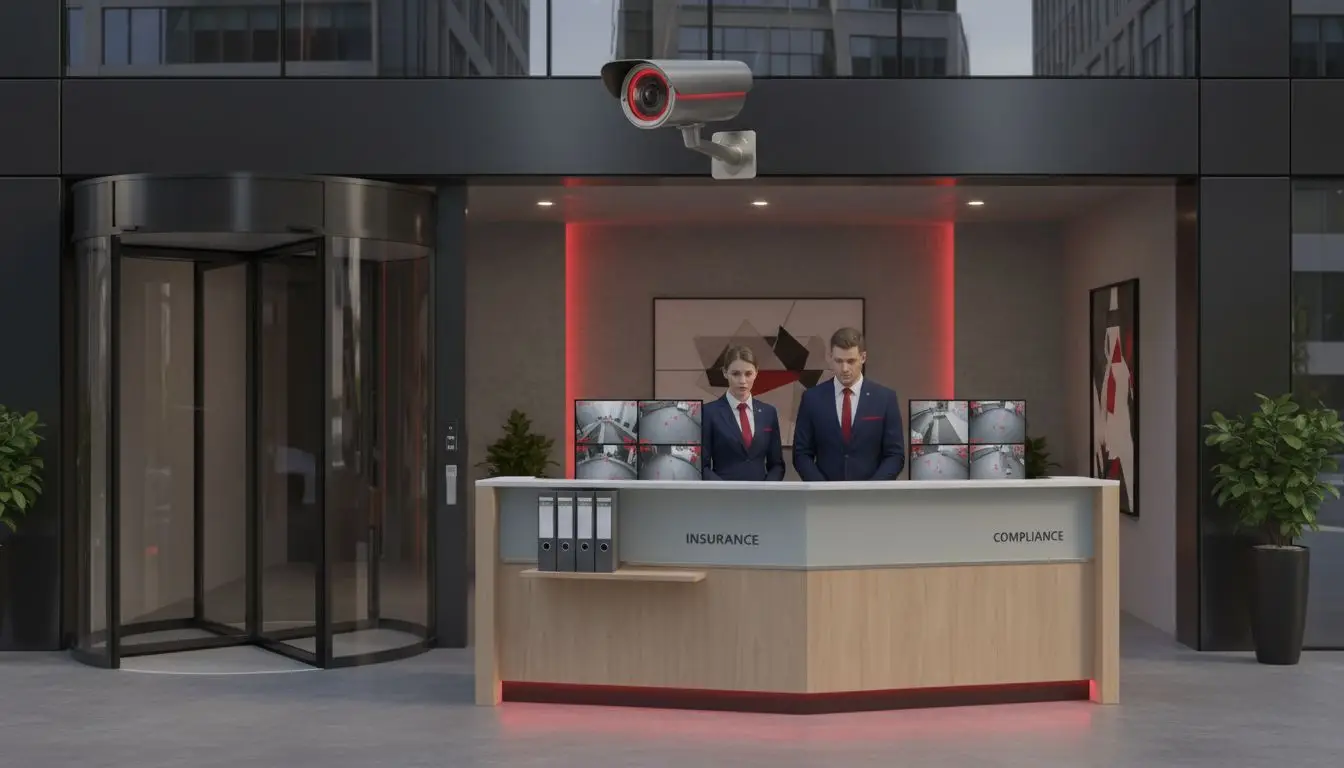
Over 60 percent of UK businesses now rely on security cameras to help manage risk and safeguard valuable assets. Insurance providers increasingly look for evidence of proactive safety measures, knowing that advanced CCTV systems can lower both risk and the likelihood of costly claims. Choosing the right technology and understanding its impact on your insurance policy can mean the difference between higher premiums and meaningful savings, as well as peace of mind in an unpredictable world.
Key Takeaways
| Point | Details |
|---|---|
| Insurance Benefits of Security Systems | Proactive security measures like CCTV and alarms can lead to reduced insurance premiums and more favorable policy terms. |
| Compliance with Legal Standards | Businesses must adhere to UK legal frameworks regarding data protection and surveillance to avoid penalties and ensure effective security operations. |
| CCTV as a Risk Management Tool | Implementing advanced CCTV systems can enhance risk management, offering tangible benefits like lower premiums and improved incident documentation. |
| Importance of Maintenance and Quality | Regular maintenance of surveillance systems and utilizing high-quality equipment are critical for effective risk assessment and compliance with insurance requirements. |
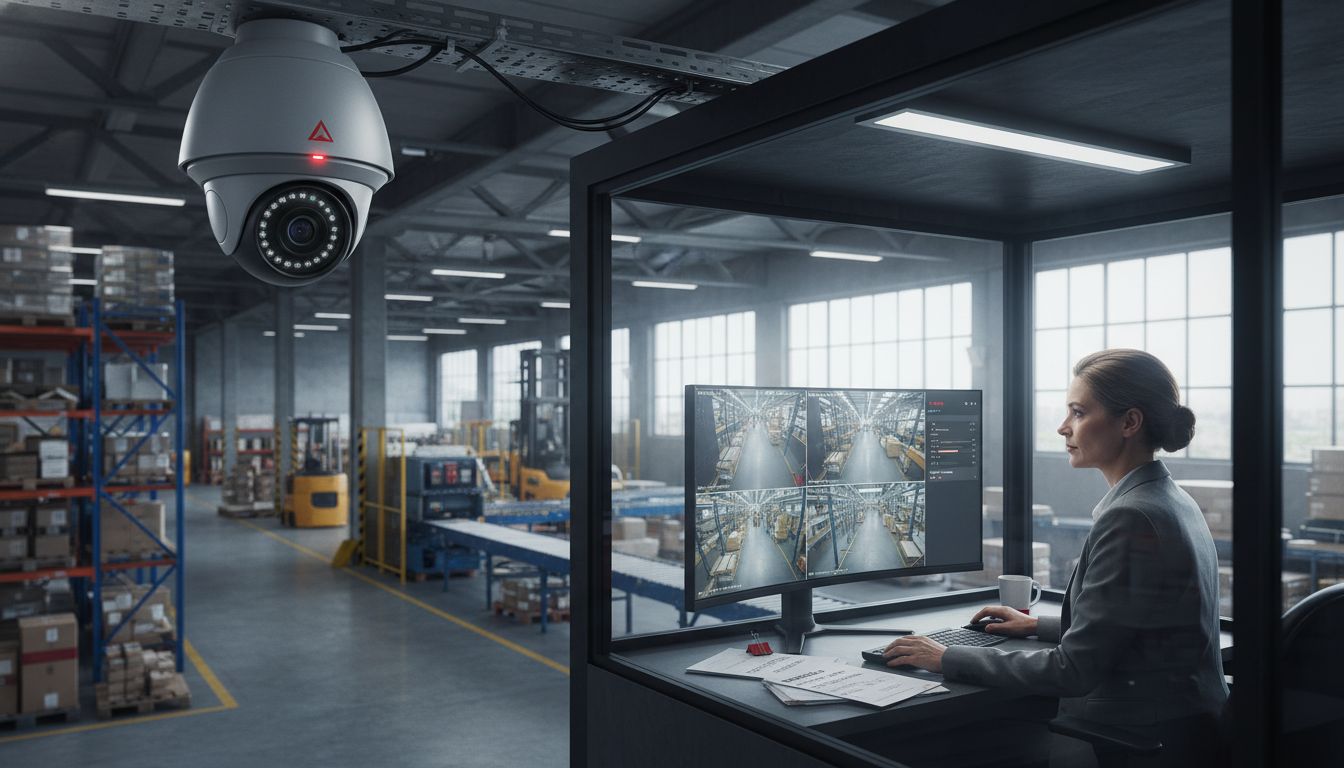 |
|
CCTV and Insurance Basics Explained
Business insurance and security systems are increasingly interconnected in modern risk management strategies. Security cameras have transformed how businesses approach risk mitigation, potentially reducing insurance premiums and providing critical evidence in potential claim situations.
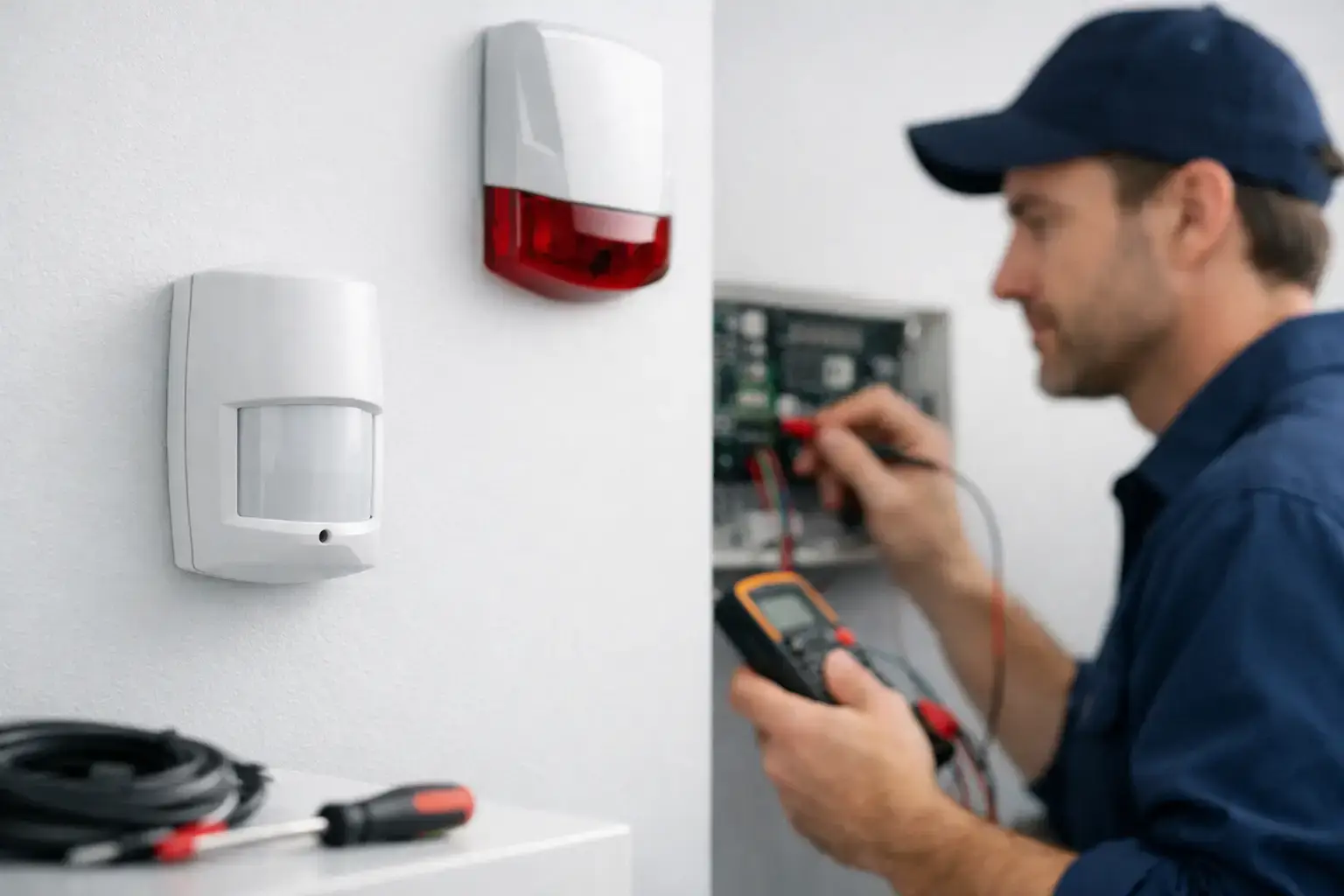
Understanding the relationship between burglar alarms and insurance requires examining several key factors. Insurers frequently offer reduced premium rates for businesses that demonstrate proactive security measures. By installing advanced systems like the Hikvision AX Pro burglar alarm, businesses signal their commitment to reducing potential losses and minimising security vulnerabilities.
Key Insurance Considerations for Security Systems
When evaluating security systems for insurance purposes, businesses should consider:
- Comprehensive coverage of entry points
- Real-time monitoring capabilities
- Digital recording and evidence storage
- Integration with professional monitoring services
The right burglar alarm system can significantly impact insurance assessments. Insurers view sophisticated systems from brands like RISCO LightSYS+ and Texecom Premier Elite as risk reduction tools. These systems provide:
- Advanced intrusion detection
- Instant notifications
- Comprehensive logging of security events
- Potential insurance premium reductions
Businesses should engage directly with their insurance providers to understand specific requirements and potential discounts available through strategic security investments.
Types of CCTV Systems for Insurance Purposes
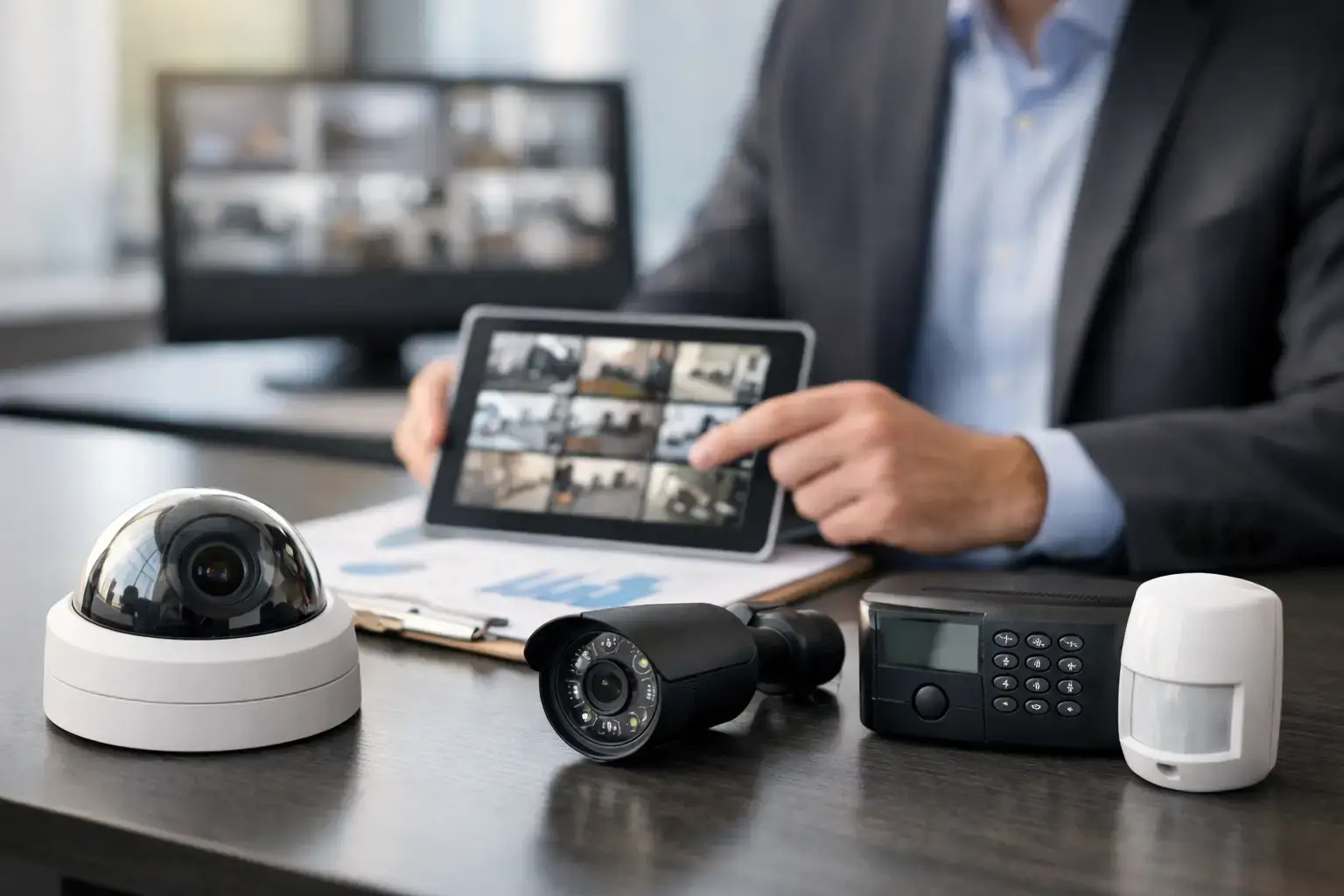
Insurers increasingly recognise the strategic importance of sophisticated surveillance technologies in risk management. As businesses seek comprehensive security solutions, different CCTV systems offer unique advantages for insurance assessment and risk mitigation.
According to the National Protective Security Authority, advanced camera technologies like active infrared and thermal imaging provide critical security capabilities that insurers value. These specialized systems enable businesses to monitor environments with enhanced precision, potentially reducing potential claim risks.
Key CCTV System Classifications
Modern CCTV systems can be categorised into several key types relevant for insurance purposes:
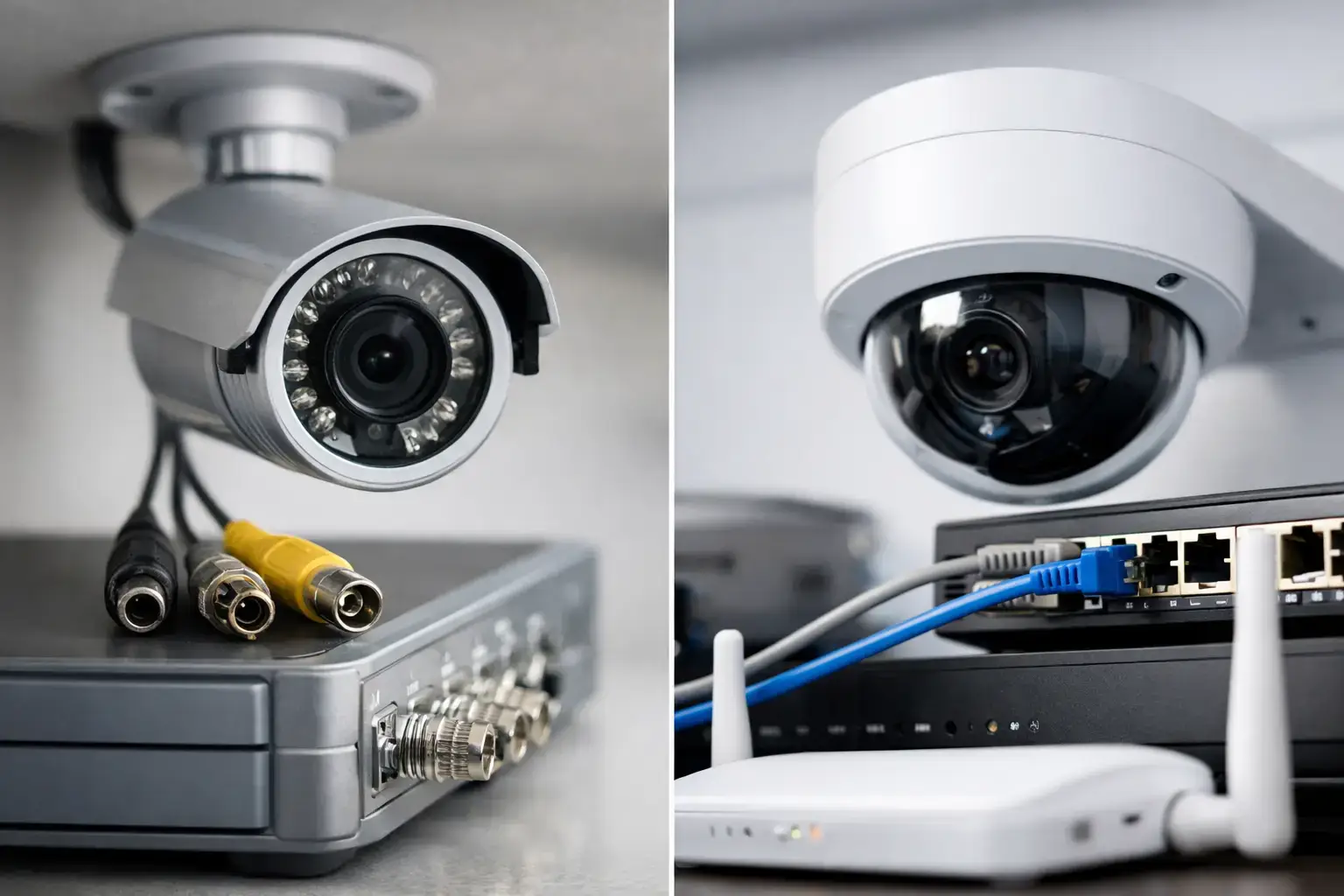
- Analog Systems: Traditional cameras with straightforward recording capabilities
- IP Network Cameras: Digital systems offering remote monitoring and advanced analytics
- Hybrid Systems: Combining analog and digital technologies for flexible implementation
High-definition CCTV technologies represent a significant advancement, transmitting uncompressed video with low latency. These systems provide insurers with clearer, more reliable evidence in potential claim scenarios.
When selecting a CCTV system for insurance considerations, businesses should prioritise:
- High-resolution image capture
- Comprehensive site coverage
- Reliable data storage capabilities
- Integration with monitoring services
By investing in sophisticated surveillance technologies, businesses demonstrate proactive risk management strategies that can positively influence insurance assessments and potentially reduce premium costs.
Legal and Compliance Requirements in the UK
Navigating the complex landscape of legal surveillance requirements is crucial for businesses implementing security systems. The United Kingdom has developed comprehensive frameworks to balance security needs with individual privacy protections.
According to the UK government’s guidance, surveillance camera systems must be deployed with clear, specific purposes such as preventing potential threats, detecting criminal activities, and monitoring critical movements. This guidance emphasizes the importance of purposeful and measured implementation of security technologies.
Key Legal Considerations for CCTV Systems
Businesses must adhere to several critical legal requirements when installing and operating CCTV systems:
- Compliance with Data Protection Act 2018
- Adherence to General Data Protection Regulation (GDPR)
- Obtaining necessary permissions and registrations
- Ensuring transparent communication about surveillance
The Surveillance Camera Code of Practice, introduced under the Protection of Freedoms Act 2012, provides comprehensive guidelines for responsible CCTV operation. This framework addresses critical concerns surrounding privacy and civil liberties while recognizing the legitimate security needs of businesses.
Key legal compliance steps include:
- Conducting a formal data protection impact assessment
- Implementing robust data storage and deletion protocols
- Ensuring cameras are positioned to capture only necessary areas
- Maintaining clear signage indicating surveillance zones
By meticulously following these legal requirements, businesses can create secure environments that respect both security imperatives and individual privacy rights.
How CCTV Impacts Insurance Policies and Claims
Security systems have fundamentally transformed how insurers assess business risk, creating a dynamic relationship between surveillance technologies and insurance policies. Modern businesses can leverage sophisticated CCTV installations as powerful risk mitigation tools that directly influence insurance coverage and potential claim outcomes.
Key Insurance Impact Factors
Insurers evaluate CCTV systems through multiple strategic lenses that determine policy terms and premium calculations:
- Risk Reduction: Advanced surveillance demonstrates proactive security management
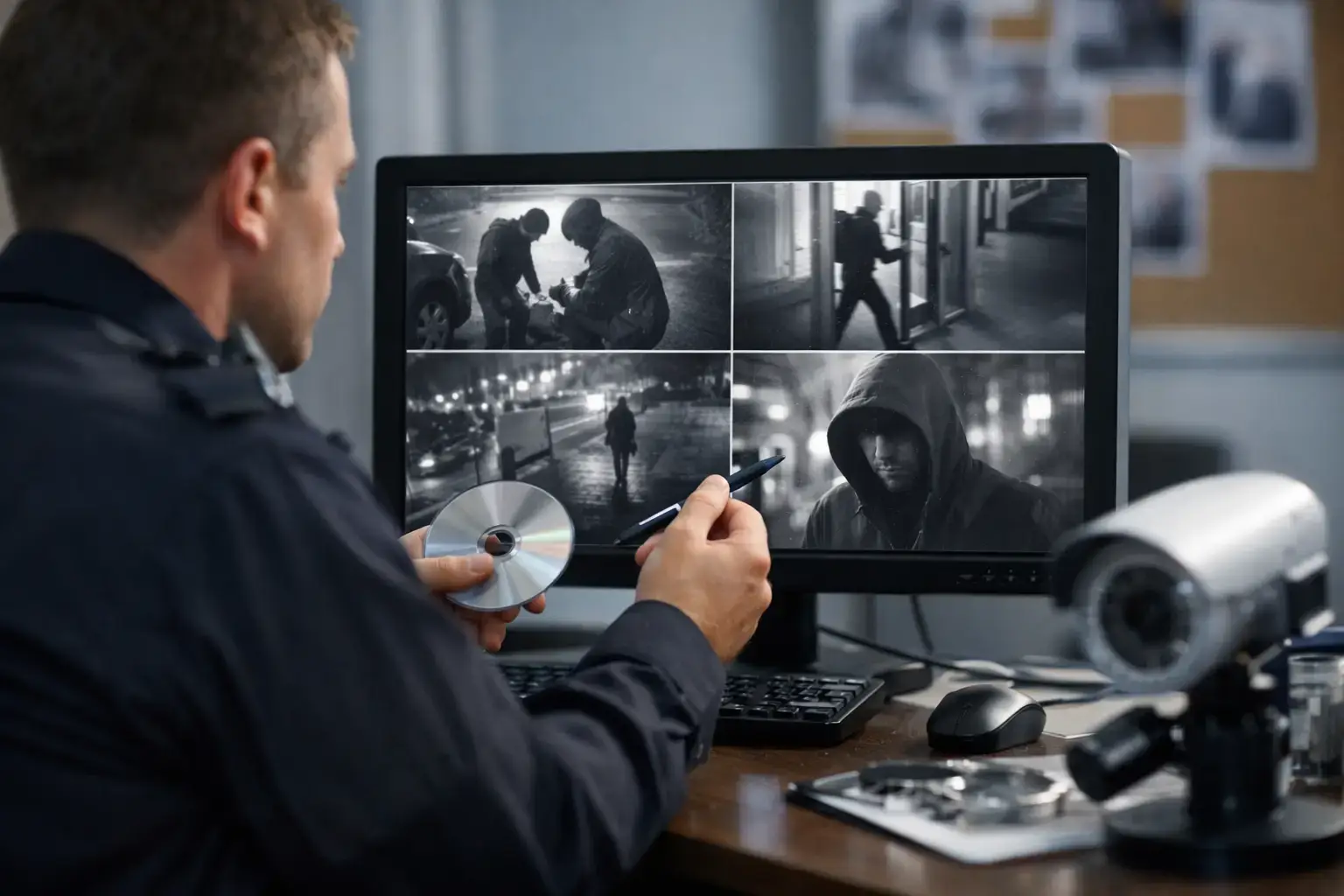
- Evidence Preservation: High-quality footage supports accurate claim investigations
- Deterrence Potential: Visible security systems reduce potential criminal activities
- Comprehensive Monitoring: Continuous site surveillance minimizes unexpected incidents
Learn more about CCTV benefits for businesses in managing insurance-related risks. Sophisticated security systems provide insurers with confidence in a business’s risk management approach.
Businesses can potentially achieve significant insurance advantages by implementing comprehensive CCTV strategies:
- Negotiate lower premium rates
- Demonstrate enhanced security protocols
- Provide immediate incident documentation
- Reduce overall claimed losses
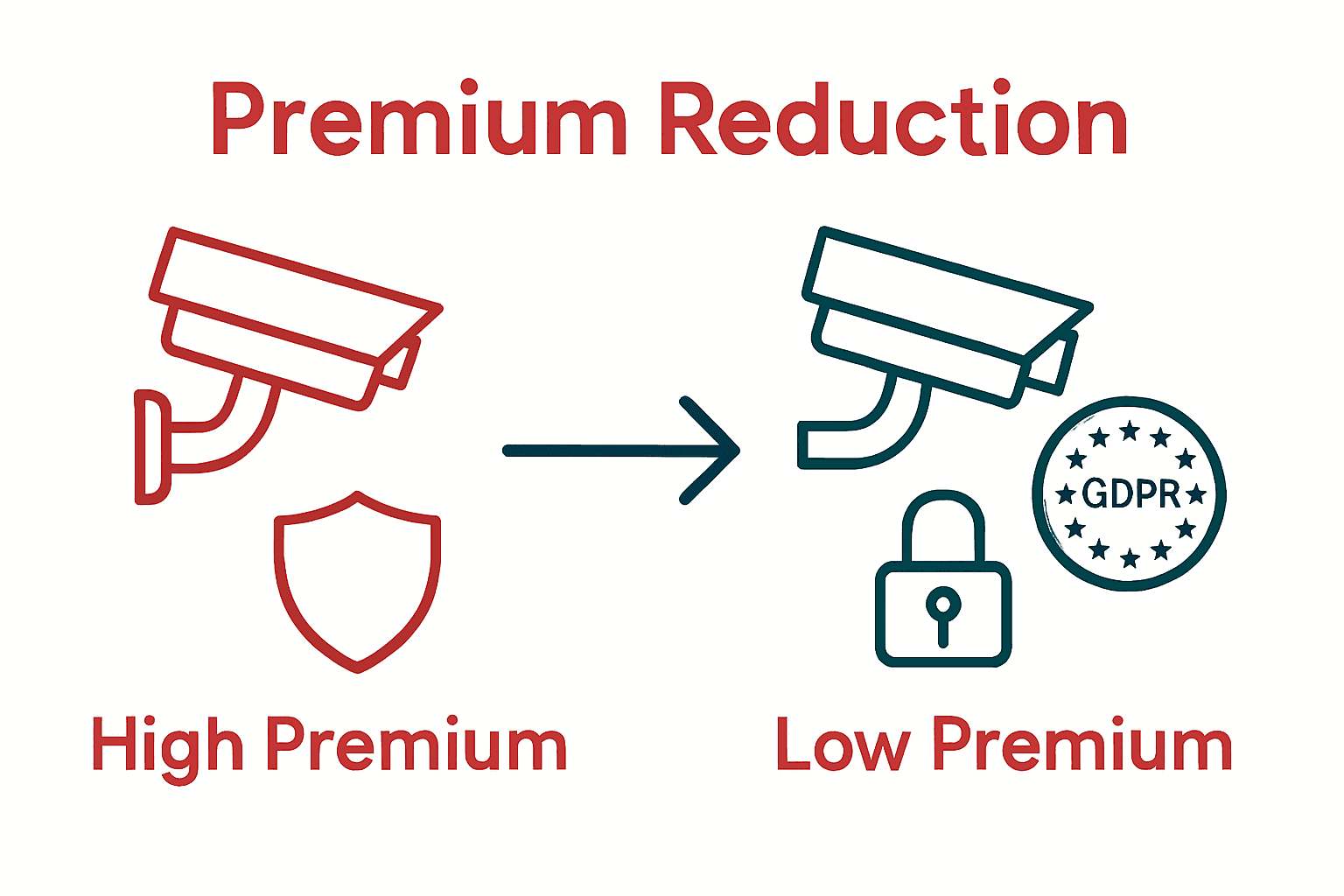
By strategically investing in robust security technologies, businesses transform CCTV from a mere monitoring tool into a critical financial risk management asset that can substantively improve their insurance profile.
Common Pitfalls and Best Practices for Businesses
Navigating the complex world of business security systems requires strategic planning and meticulous attention to detail. Businesses often encounter numerous challenges when implementing CCTV solutions that can potentially compromise their insurance and security objectives.
According to Britwealth’s insurance insights, successful CCTV implementation hinges on several critical factors, including proper installation, consistent maintenance, and strict adherence to legal compliance requirements. Insurers closely scrutinize these elements when assessing risk and determining policy terms.
Critical Considerations for CCTV Implementation
Common pitfalls businesses must avoid include:
- Inadequate Camera Placement: Leaving critical areas unmonitored
- Poor Image Quality: Installing low-resolution cameras
- Inconsistent Maintenance: Neglecting regular system checks
- Non-Compliance: Failing to meet legal and data protection standards
Drawing from the University of Derby’s comprehensive CCTV policy guidelines, businesses should implement robust management protocols for their surveillance systems.
Key best practices for effective CCTV deployment include:
- Conduct thorough site security assessments
- Invest in high-quality, professional-grade equipment
- Implement regular maintenance and system audits
- Ensure strict data protection and privacy compliance
- Train staff on proper system operation and legal requirements
By proactively addressing these considerations, businesses can transform their CCTV systems from potential liability risks into strategic assets that enhance security and potentially reduce insurance premiums.
Strengthen Your Business Security and Save on Insurance Costs Today
Facing the challenge of balancing effective CCTV and burglar alarm installation with insurance compliance can feel overwhelming. Businesses want to protect their premises with high-quality surveillance that meets UK legal requirements while aiming to reduce their insurance premiums. From securing comprehensive coverage with advanced systems like those discussed in the guide, to navigating data privacy and maintenance best practices, these concerns are critical.

At 247 CCTV, we specialise in installing tailored CCTV, burglar alarms and access control systems designed to meet your unique business security needs and align with insurance considerations. Our expert team ensures your premises achieve optimal coverage, legal compliance and cutting-edge monitoring technology so you can demonstrate proactive risk management to insurers. Don’t wait to transform your security setup into a powerful insurance advantage. Discover how our solutions can protect your assets and potentially reduce your insurance premiums by visiting 247 CCTV today.
Frequently Asked Questions
What impact does installing a CCTV system have on my business insurance premiums?
Installing a CCTV system can lead to reduced business insurance premiums as insurers often view advanced security measures as a risk mitigation strategy. By demonstrating proactive security management, businesses may negotiate lower rates and enjoy discounts.
What types of CCTV systems are recognized by insurers for risk management?
Insurers typically recognize analog systems, IP network cameras, and hybrid systems as effective CCTV solutions. IP cameras, with their advanced analytics and remote monitoring capabilities, often provide added value for insurance assessments.
How can I ensure my CCTV system is compliant with legal requirements?
To ensure compliance, businesses must adhere to the Data Protection Act, the General Data Protection Regulation (GDPR), and the Surveillance Camera Code of Practice. Key steps include conducting data protection impact assessments, ensuring cameras focus only on relevant areas, and maintaining clear signage about surveillance.
What are common mistakes businesses make when implementing CCTV systems?
Common mistakes include inadequate camera placement, using low-resolution cameras, neglecting regular maintenance, and failing to comply with legal standards. Addressing these issues is crucial to maximize the effectiveness of CCTV systems and satisfy insurance requirements.