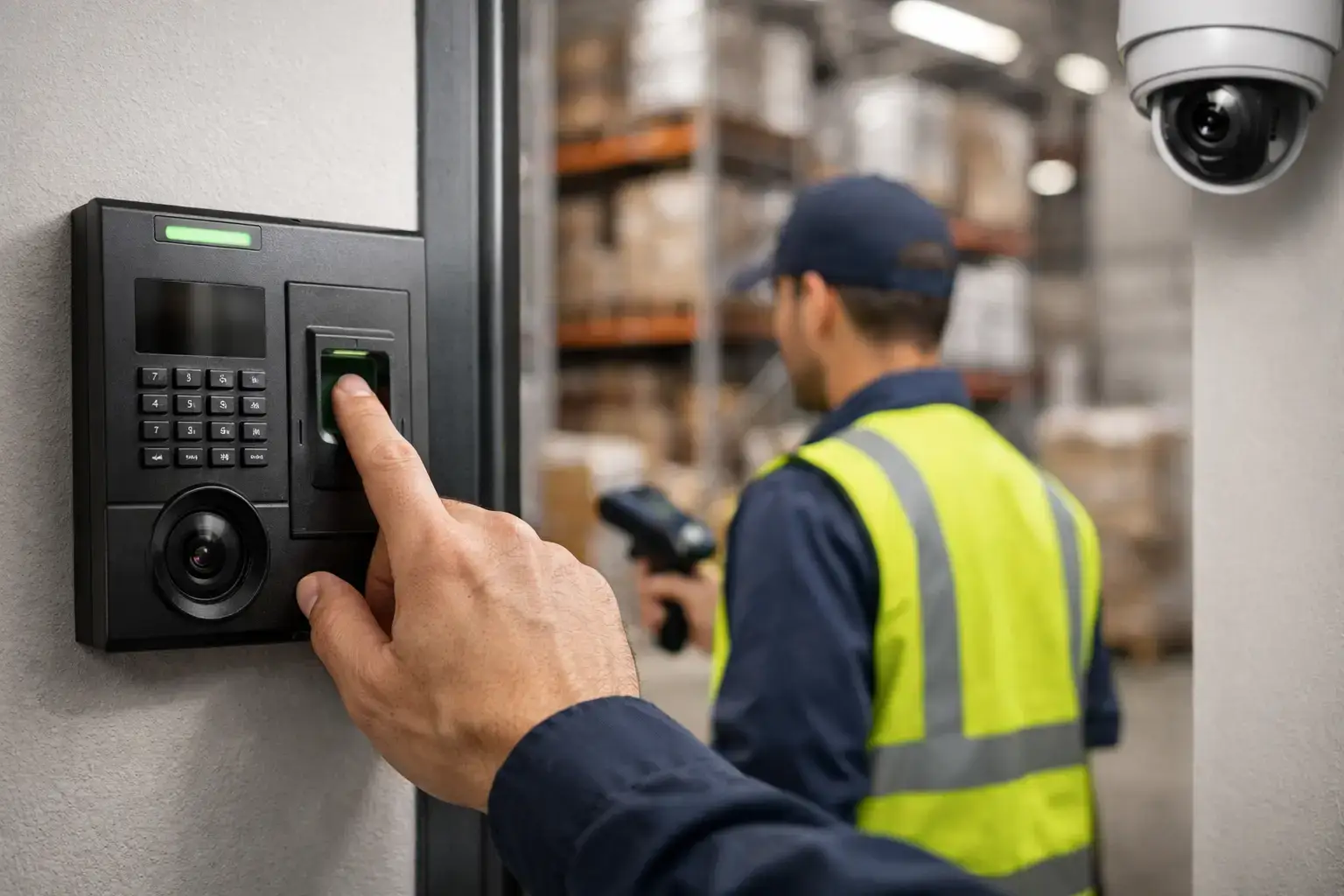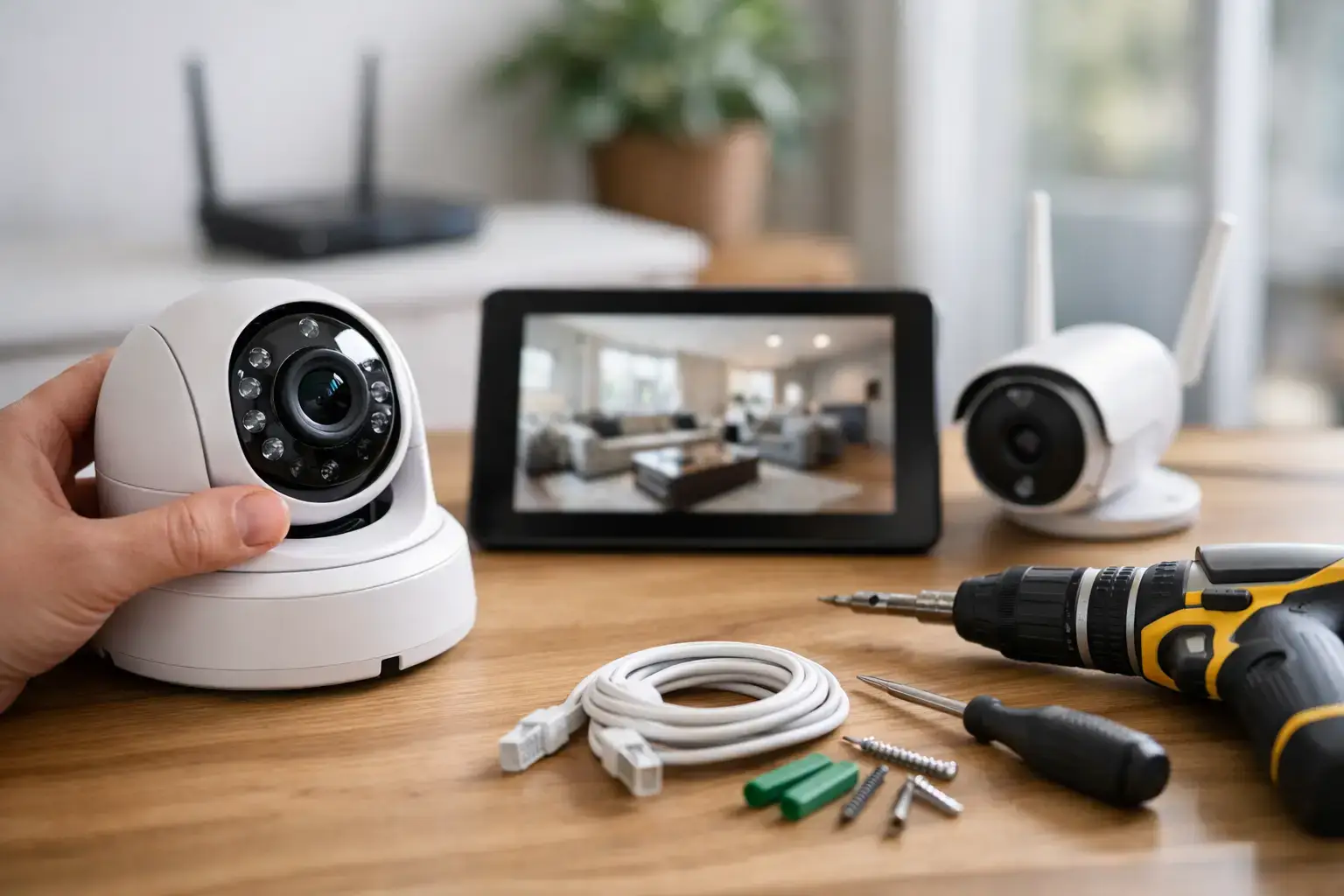

Protecting commercial properties in Essex and London goes far beyond locks and patrols. With British security requirements growing stricter every year, choosing the right alarm system has never been more critical for facilities managers. Over 80 percent of commercial break-ins are deterred by properly installed alarm systems, yet the debate between wireless and wired options is as relevant as ever. This clear breakdown will help you weigh the real advantages each technology offers for compliance and peace of mind.
Key Takeaways
| Point | Details |
|---|---|
| Installation Flexibility | Wireless alarm systems offer rapid deployment with minimal structural impact, ideal for historic or complex buildings. |
| Maintenance Considerations | Wired systems require periodic electrical checks, while wireless systems need battery replacements and signal monitoring. |
| Regulatory Compliance | Adherence to UK alarm standards is crucial; engage professionals for thorough compliance audits. |
| Cost Analysis | Conduct a comprehensive cost analysis comparing installation and maintenance expenses for informed decision-making. |
Wireless and Wired Alarms Explained Clearly
For facilities managers in the United Kingdom, understanding the nuanced differences between wireless and wired alarm systems is crucial for effective security planning. Burglar alarms represent a fundamental component of comprehensive security infrastructure, with each configuration offering unique advantages depending on specific facility requirements. Automatic fire alarm systems present varying technological approaches that can significantly impact overall safety protocols.

When examining wireless alarm systems, key characteristics emerge that distinguish them from traditional wired alternatives. Wireless systems utilise radio frequency signals to communicate between sensors and central control panels, enabling flexible installation without extensive cable infrastructure. These systems are particularly advantageous for historic buildings, multi-storey facilities, or locations where intrusive cable routing would be problematic. Brands like RISCO LightSYS+, Hikvision AX Pro, and Texecom Premier Elite offer sophisticated wireless solutions that provide robust security coverage with minimal physical disruption.
Wired alarm systems, by contrast, represent a more traditional security approach with direct electrical connections between sensors and control panels. These systems typically offer uninterrupted power supply, eliminating battery replacement concerns and providing consistent performance. For large commercial properties requiring comprehensive monitoring, wired configurations can support more complex zoning and integration with additional security technologies. The direct electrical connections also reduce potential signal interference risks inherent in wireless transmission.
Professional Recommendation: When selecting between wireless and wired alarm systems, conduct a comprehensive site survey to assess structural limitations, power availability, and specific security requirements before making a final decision.
The following table summarises key decision factors for choosing between wireless and wired alarm systems:
| Decision Factor | Wireless Alarms | Wired Alarms |
|---|---|---|
| Installation Speed | Rapid deployment, minimal disruption | Slower, requires professional installation |
| Structural Impact | No major changes to building fabric | May require drilling and cable routing |
| Maintenance Needs | Periodic battery changes and signal testing | Scheduled electrical and cable inspections |
| Scalability | Easily reconfigurable and expandable | Expansion needs new cabling and integration |
Key Differences Between Alarm Technologies
Modern security systems demand sophisticated technological approaches that address complex facility protection needs. Understanding the intricate alarm management technologies becomes crucial for facilities managers seeking robust security solutions that balance performance, reliability, and regulatory compliance.
The fundamental distinctions between wireless and wired alarm technologies extend far beyond simple installation methods. Signal transmission represents a critical differentiator, with wireless systems utilising radio frequency communication and wired systems relying on direct electrical connections. Wireless technologies offer remarkable flexibility, allowing sensors to be positioned without invasive cable routing, while wired systems provide uninterrupted power and potentially more stable signal integrity. These technological variations significantly impact system responsiveness, maintenance requirements, and overall security effectiveness.
Regulatory standards play a pivotal role in determining alarm system selection. UK alarm compliance standards like PD6662 and EN50131 series establish precise grading mechanisms for intruder alarm systems, considering factors such as risk assessment, authorisation levels, and technological resilience. Different alarm grades mandate specific technological requirements, meaning facilities must carefully evaluate their security needs against these stringent regulatory frameworks.
Professional Recommendation: Conduct a comprehensive risk assessment that evaluates your specific facility’s architectural constraints, security vulnerabilities, and regulatory obligations before selecting between wireless and wired alarm technologies.
Installation, Maintenance, and Reliability Factors
Navigating the complex landscape of security system implementation requires a comprehensive understanding of installation methodologies and ongoing maintenance protocols. Systematic installation requirements play a critical role in ensuring the long-term effectiveness and reliability of both wireless and wired alarm technologies.
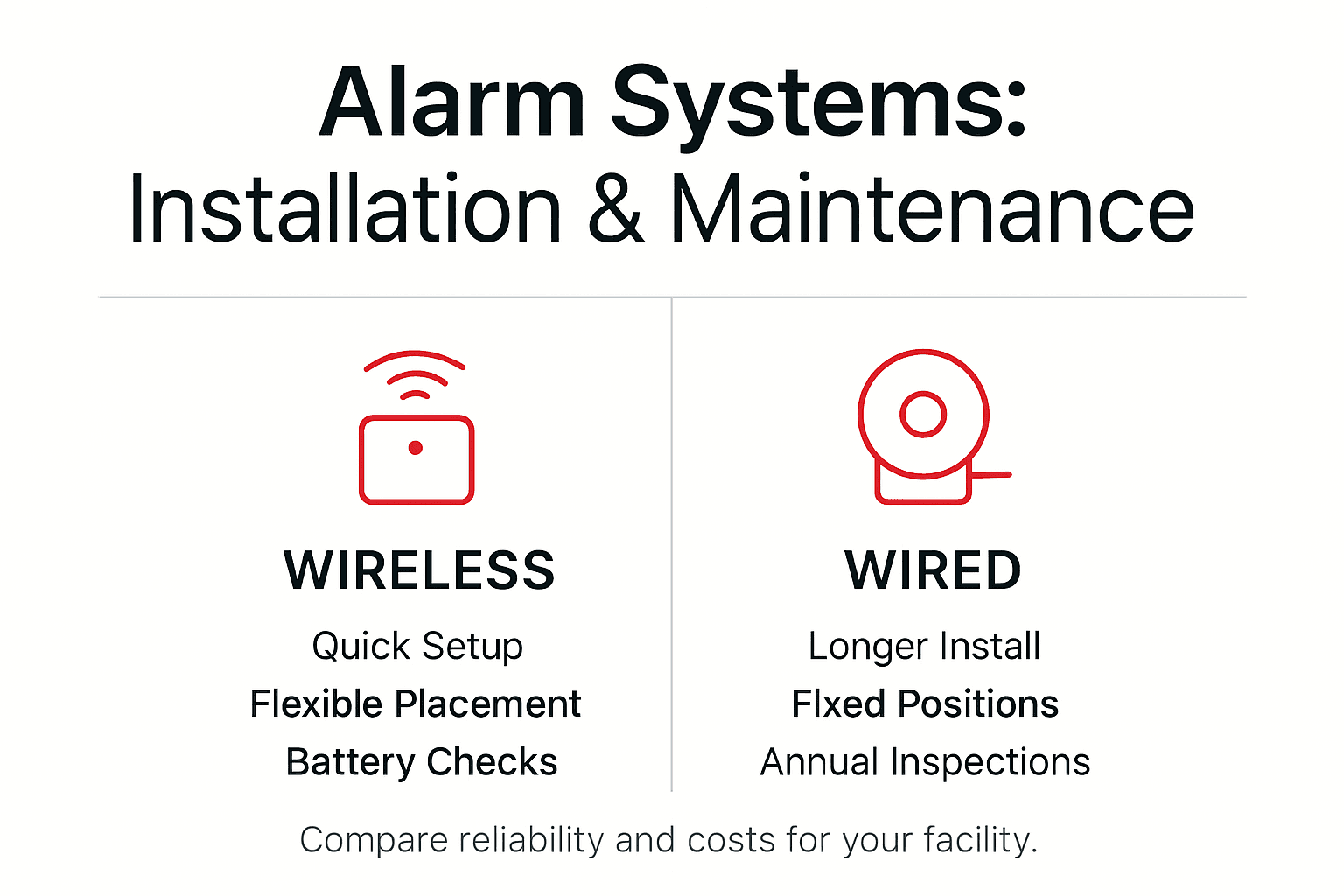
Installation complexity represents a significant differentiator between wireless and wired alarm systems. Wired installations demand extensive cable routing, electrical expertise, and structural modifications, often requiring professional technicians to drill walls, conceal wiring, and integrate complex electrical connections. Wireless systems, by contrast, offer substantially more flexibility, allowing rapid deployment with minimal structural intervention. Sensor placement becomes more adaptable, enabling facilities managers to optimise coverage without invasive installation processes.
Maintenance and long-term reliability present nuanced considerations for both technological approaches. Electrical safety standards mandate rigorous testing and ongoing maintenance protocols that apply equally to wireless and wired systems. Wired systems require periodic electrical connection inspections, cable integrity checks, and potential rewiring, while wireless systems demand battery replacement, signal strength monitoring, and periodic sensor calibration. The reliability of each system depends not just on initial installation quality but on consistent, professional maintenance and adherence to manufacturer specifications.
Professional Recommendation: Develop a comprehensive maintenance schedule that includes regular professional inspections, battery replacements, and signal integrity tests to ensure optimal performance of your chosen alarm system.
Security Compliance and UK Legal Obligations
Facilities managers must navigate a complex landscape of legal requirements when implementing security alarm systems. Cyber security and critical infrastructure regulations now impose stringent obligations on organisations to ensure comprehensive protection and systematic risk management across both physical and digital security domains.
The British Standards play a pivotal role in defining compliance parameters for alarm systems. Specific regulatory frameworks like BS7858, PD6662, and BS EN 50131 establish precise installation, operational, and maintenance standards that apply equally to wireless and wired alarm technologies. These standards mandate detailed requirements for system design, performance verification, risk assessment, and ongoing monitoring, ensuring that security solutions meet rigorous national benchmarks for reliability and effectiveness.
Comprehensive security system standards dictate that organisations must demonstrate not just technological capability, but also systematic approach to security management. This includes maintaining detailed documentation, conducting regular system audits, ensuring professional installer qualifications, and implementing robust response protocols. The legal landscape demands more than mere equipment installation—it requires a holistic approach to security infrastructure that addresses potential vulnerabilities and maintains continuous compliance.
Professional Recommendation: Engage a professionally accredited security consultant to conduct a comprehensive compliance audit, ensuring your alarm system meets all current British Standards and regulatory requirements.
Here is a reference table of UK compliance standards relevant to alarm systems:
| Standard | Coverage Area | Primary Focus |
|---|---|---|
| PD6662 | Intruder alarms | Installation and grading |
| BS EN 50131 | Intruder/fire detection | System design criteria |
| BS7858 | Security personnel vetting | Staff screening procedures |
| NSF 700.7 | NACOSS certifications | Management and operations |
Cost, Scalability, and Operational Impacts
Facilities managers must conduct comprehensive financial assessments when selecting security alarm technologies. Cost estimating principles provide critical frameworks for evaluating long-term investment strategies, revealing that initial installation expenses represent only a fraction of total system lifecycle expenditure.
The financial landscape of wireless and wired alarm systems presents distinct considerations. Wireless systems typically demonstrate lower upfront installation costs, with reduced labour requirements and minimal structural modifications. Conversely, wired systems involve more extensive initial investment, including electrical work, cable routing, and complex infrastructure integration. However, wired technologies often provide longer-term reliability and reduced ongoing maintenance expenses, potentially offsetting higher initial implementation costs.
Operational risk assessment strategies emphasise the importance of scalability in security system selection. Wireless alarm technologies offer remarkable flexibility, enabling organisations to rapidly expand or reconfigure security coverage without significant reengineering. Large facilities with complex architectural layouts or anticipated future expansion can leverage wireless systems’ modular design, allowing incremental upgrades and seamless integration of additional sensors and monitoring zones without substantial reinvestment.
Professional Recommendation: Develop a comprehensive five-year total cost of ownership model that accounts for installation, maintenance, potential upgrades, and operational disruption when comparing wireless and wired alarm system investments.
Secure Your UK Facility with Expert Wireless and Wired Alarm Solutions
Choosing the right alarm system for your facility in the United Kingdom can be challenging. Whether you are weighing the flexibility of wireless alarms against the reliability of wired alarms, understanding your site’s unique needs and compliance requirements is essential. At 247 CCTV, we recognise the pressure you face in balancing installation complexity, maintenance demands, and regulatory obligations to protect your business or home effectively.

Don’t leave your property’s security to chance. Benefit from our expert installation of burglar alarms, CCTV, door entry, and access control systems tailored to your specific infrastructure. Act now to ensure your security setup meets the highest British Standards and adapts to your operational needs. Visit 247 CCTV to get your personalised security consultation and take control of your safety today.
Frequently Asked Questions
What are the main differences between wireless and wired alarm systems?
Wireless alarm systems use radio frequency signals for communication, allowing for flexible installation without cables, while wired alarm systems rely on direct electrical connections, offering uninterrupted power supply and potentially more stability.
How does the installation process differ for wireless and wired alarms?
Wireless alarms can be installed quickly with minimal disruption to the building, whereas wired alarms require extensive cable routing and may involve drilling and structural modifications, typically necessitating professional installation.
What maintenance is required for wireless vs wired alarm systems?
Wireless systems require periodic battery replacements, signal strength monitoring, and sensor calibration. Wired systems need regular electrical connection inspections, cable integrity checks, and may require rewiring based on inspection results.
Are there specific regulatory standards for alarm systems in the UK?
Yes, UK regulatory standards like PD6662 and BS EN 50131 outline requirements for installation, design, and performance of both wireless and wired alarm systems to ensure compliance and reliability.
Recommended
- Wired vs Wireless Fire Alarm Systems: Making the Right Choice for Your Security Needs – 247 CCTV Security Ltd
- Wireless vs Wired Alarm Systems
- Wired vs Wireless Fire Alarm Systems: Making the Right Choice for Your Security Needs – 247 CCTV Security Ltd
- Wired vs Wireless CCTV: Complete Installation Guide – 247 CCTV Security Ltd