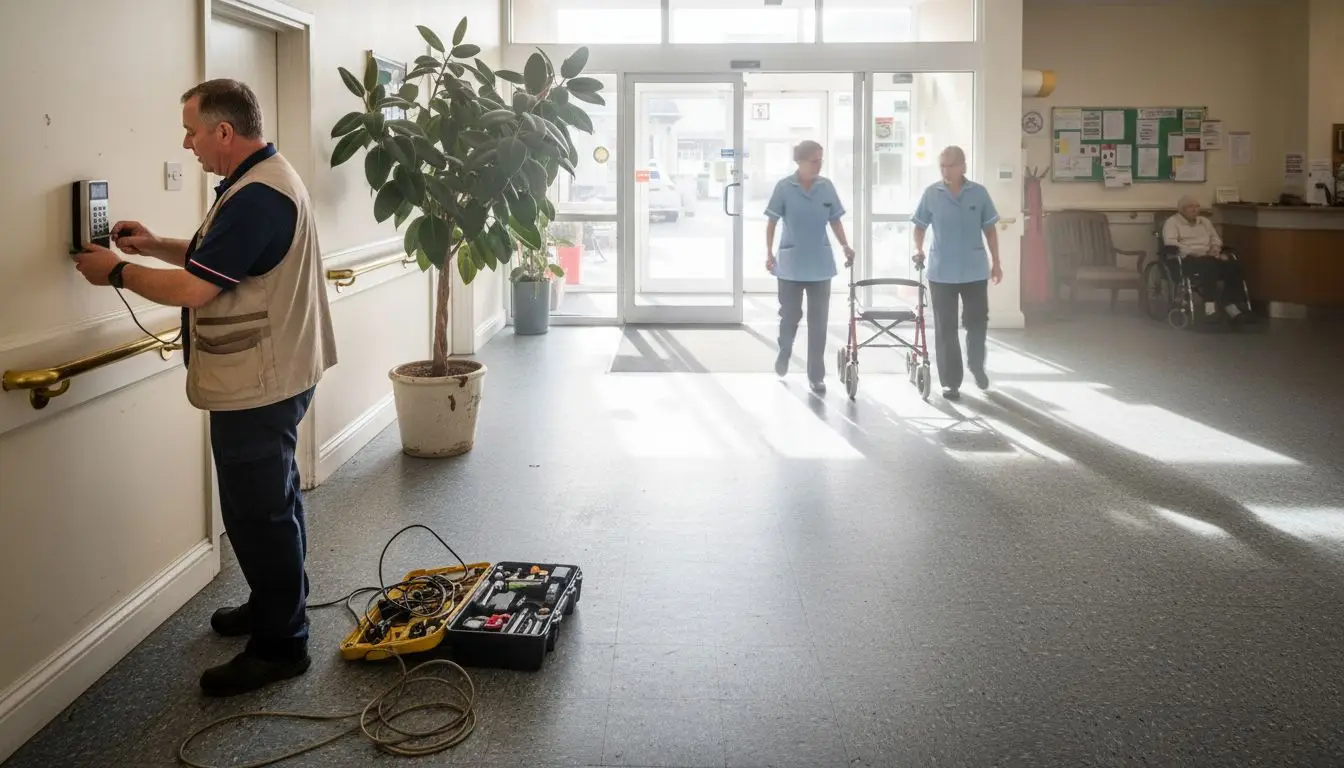
Security breaches in care homes pose a major risk, with over 60 percent of british facilities reporting at least one incident annually. For Facilities Managers and Compliance Officers in Essex and London, keeping vulnerable residents safe demands more than basic locks and cameras. This article shows how a comprehensive approach to assessing, designing, and testing security systems can help meet regulatory requirements while creating a dignified and protective environment.
Quick Summary
| Key Point | Explanation |
|---|---|
| 1. Conduct comprehensive risk assessments | Thoroughly evaluate potential risks and vulnerabilities, involving key stakeholders to ensure a complete understanding of security needs. |
| 2. Design tailored security solutions | Create bespoke security strategies that prioritize both the safety of residents and their dignity, integrating various protective elements. |
| 3. Install cameras with respect for privacy | Strategically place cameras to monitor key areas while ensuring residents’ privacy is maintained, avoiding direct views into personal spaces. |
| 4. Configure user-friendly software systems | Develop intuitive software controls for staff that balance operational efficiency with robust security measures, including graduated access levels. |
| 5. Regularly test and verify security systems | Conduct thorough testing of all security components to ensure reliability, documenting results and adjusting the system based on performance feedback. |
Step 1: Assess care home security needs
Assessing security requirements for care homes involves a comprehensive evaluation of potential risks, vulnerabilities, and protection strategies. The goal is to create a tailored security approach that safeguards residents, staff, and property while maintaining a comfortable and dignified environment.
Begin by conducting a thorough risk assessment that examines multiple dimensions of security. This means systematically reviewing physical infrastructure, current protection measures, and potential threat scenarios. Involve key stakeholders including care home management, staff representatives, and resident family members to gain holistic insights. Your assessment should cover areas such as entry points, access control, staff training protocols, and emergency response capabilities.
Key aspects to evaluate include perimeter security, visitor management systems, internal movement tracking, and alarm configurations specific to care home environments. Consider the unique vulnerabilities of care home residents who might have limited mobility or cognitive challenges. Your security strategy must balance protection with maintaining residents’ dignity and freedom of movement.
Here is a summary of critical security features recommended for care homes:
| Security Feature | Main Function | Impact on Care Home |
|---|---|---|
| Access Control Systems | Restrict entry to authorised persons | Enhances resident safety |
| Visitor Management | Monitor and log visitors | Reduces unauthorised access |
| Internal Movement Tracking | Track resident and staff movement | Prevents incidents and wandering |
| Alarm Configuration | Detect emergencies or breaches | Enables rapid response |
Expert tip: Conduct your security assessment during different times of day to capture variations in staffing levels and resident activities, ensuring a comprehensive understanding of potential security dynamics.
Step 2: Design bespoke security solutions
Designing bespoke security solutions for care homes requires a meticulous and personalised approach that addresses the unique safety requirements of vulnerable residents while maintaining their dignity and independence. The process involves creating a comprehensive security strategy that integrates multiple protective elements seamlessly.
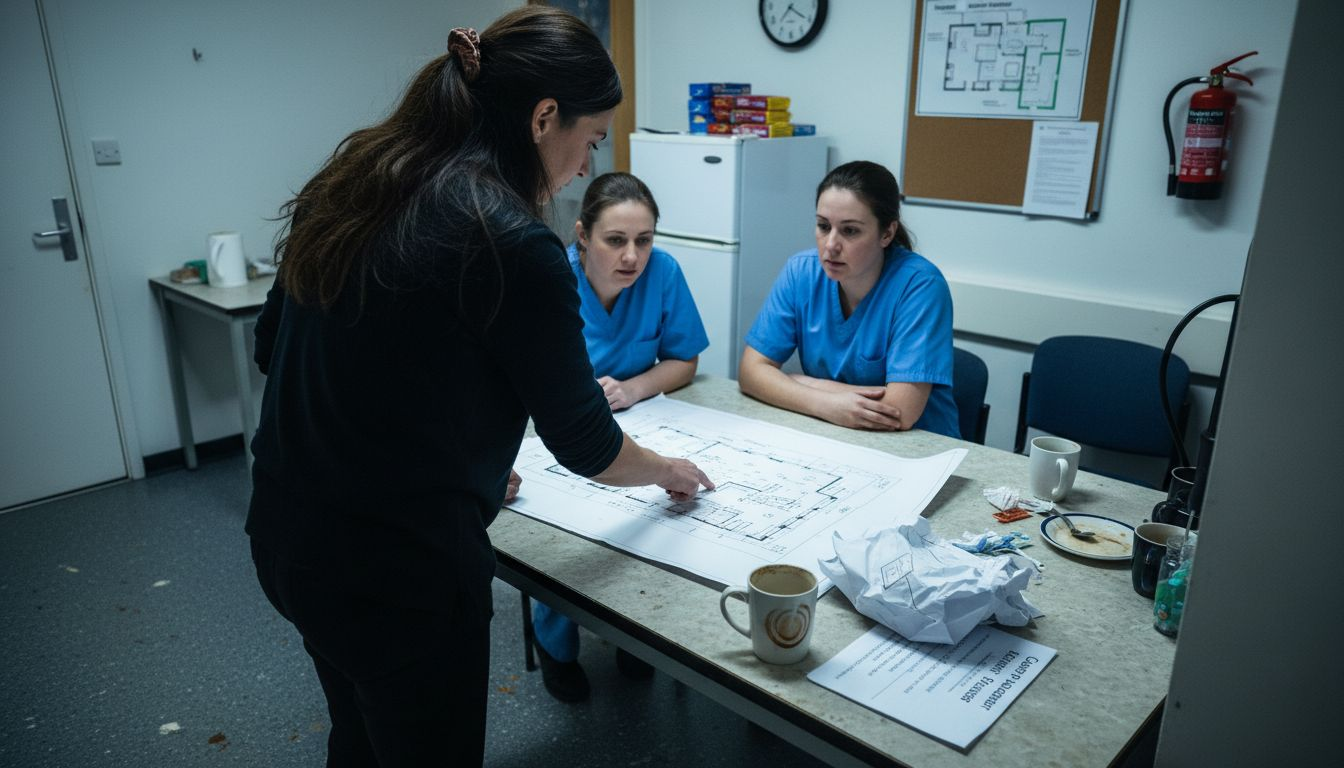
Security design principles must balance protection with accessibility, considering the specific needs of care home environments. Start by conducting a detailed risk assessment that evaluates potential vulnerabilities such as entry points, resident mobility challenges, and staff movement patterns. This means examining physical infrastructure, technological capabilities, and operational procedures to develop a holistic security approach.
Your bespoke solution should incorporate layered security measures including access control systems, alarm configurations, visitor management protocols, and staff training programmes. Consider technologies like biometric entry systems, monitored alarm panels, and restricted zone management that can be customised to protect residents without feeling intrusive. Integration of these systems should prioritise resident safety while preserving their sense of autonomy and comfort.
Expert tip: Consult directly with care home staff and residents during the design process to ensure your security solution feels supportive rather than restrictive.
Step 3: Install cameras and alarm components
Installing cameras and alarm components in a care home requires precision, careful planning, and a strategic approach that prioritises both resident safety and privacy. Your goal is to create an unobtrusive yet comprehensive security infrastructure that protects vulnerable individuals without compromising their sense of dignity.
Environmental safety technologies must be implemented with exceptional attention to detail. Begin by mapping out critical monitoring zones including entrances, corridors, communal areas, and external perimeters. Select alarm components and cameras that offer high resolution, wide angle coverage, and discrete mounting options. Ensure camera placement respects resident privacy by avoiding direct views into personal spaces like bedrooms and bathrooms.
This table compares traditional and modern security technologies for care homes:
| Technology Type | Advantages | Considerations |
|---|---|---|
| Traditional (Locks, Intercoms) | Simple operation, low cost | Limited monitoring abilities |
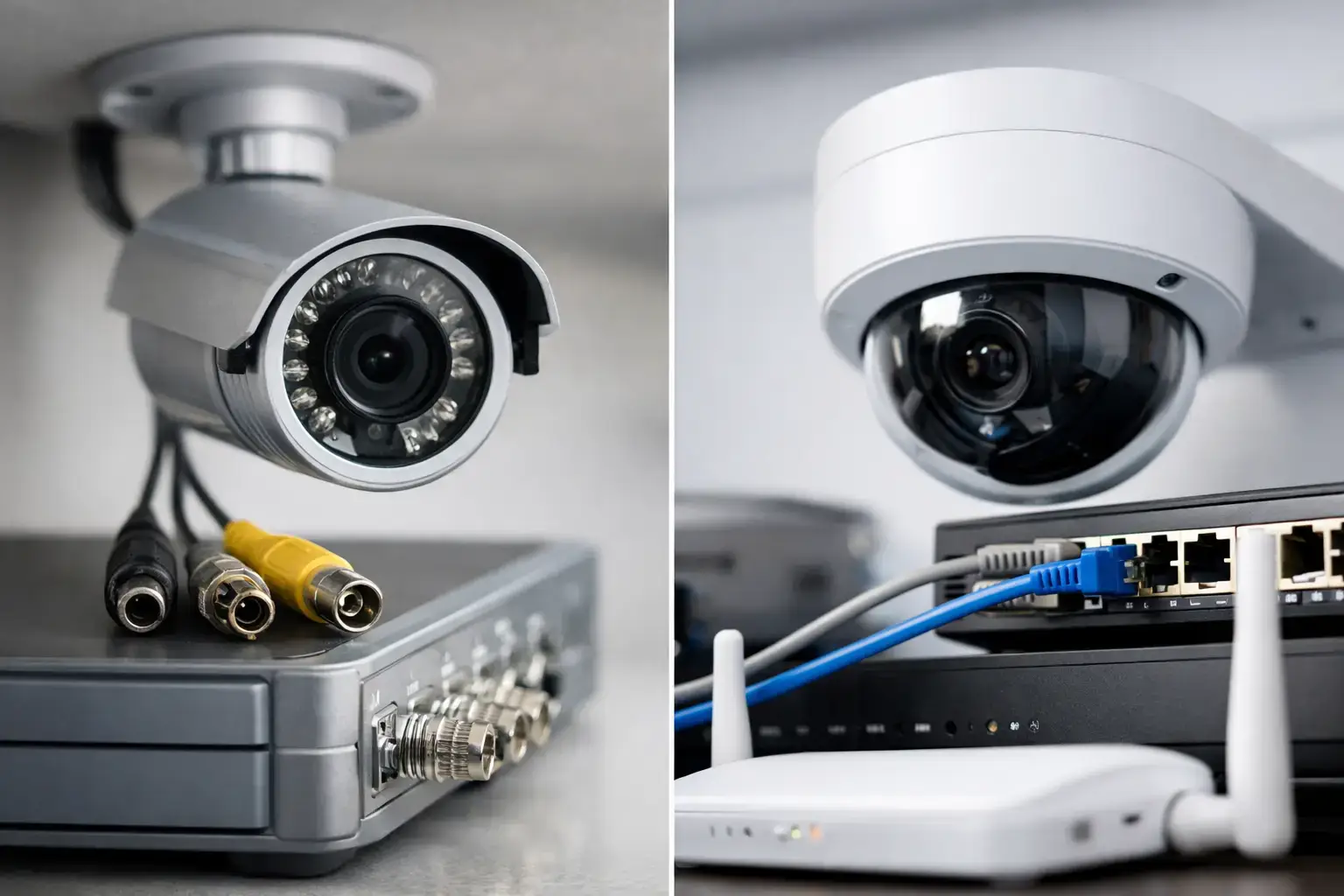
| Modern (Biometrics, Wireless Cameras) | Customisable, remote management | Requires technical support |
Prioritise system integration that allows for seamless communication between different security components. This means connecting alarm panels, motion sensors, camera feeds, and access control systems into a unified network. Choose equipment compatible with care home environments such as wireless systems that minimise intrusive installation, infrared cameras for low light conditions, and alarm configurations that can differentiate between resident movement and potential security threats.
Expert tip: Always test camera and alarm system functionality during different times of day and with various resident activity levels to ensure comprehensive and reliable protection.
Step 4: Configure system software and controls
Configuring system software and controls for a care home security system requires a sophisticated approach that balances technological capabilities with the unique requirements of vulnerable residents. Your objective is to create a flexible, responsive system that provides comprehensive protection while maintaining resident privacy and autonomy.
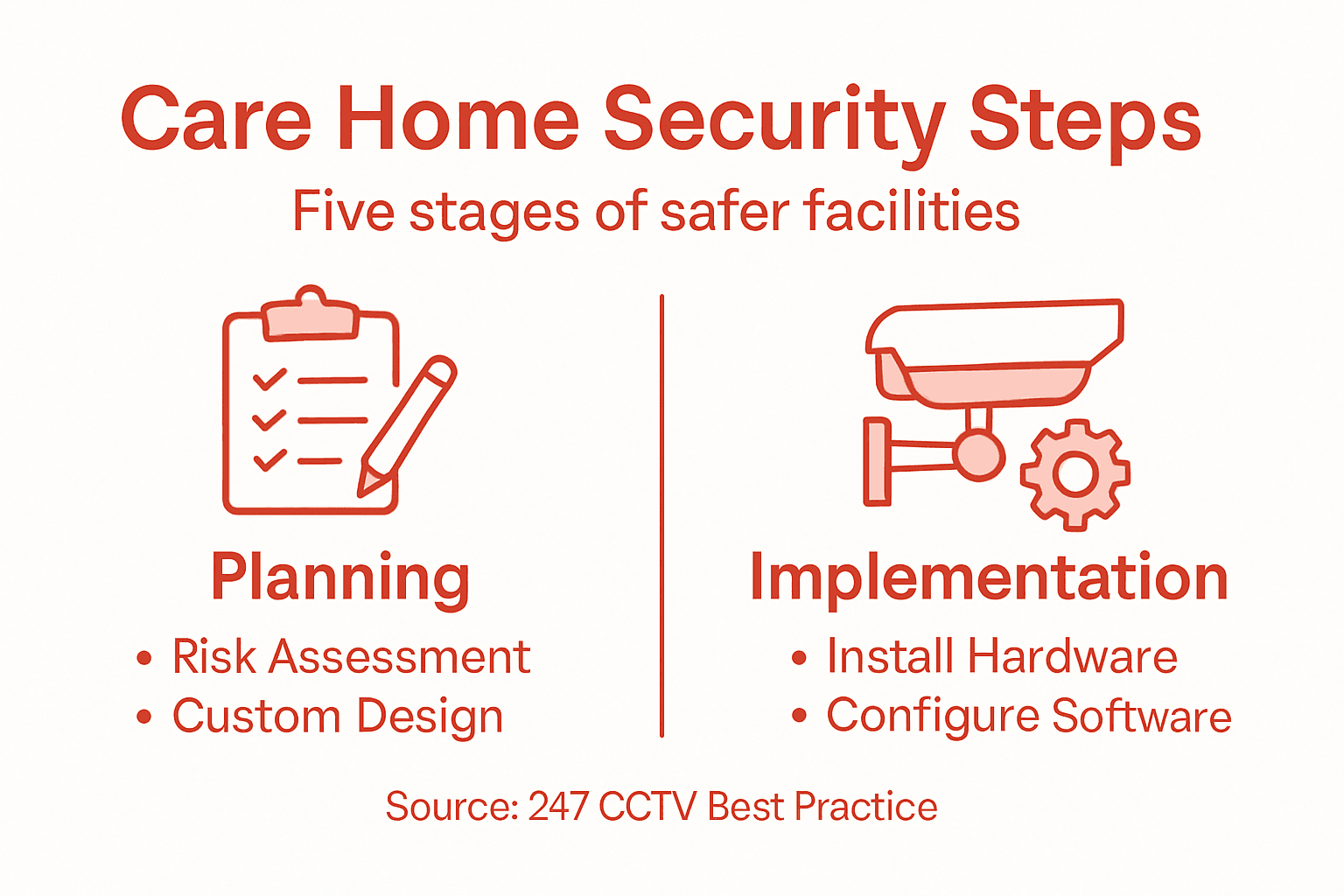
Evidence-based technology deployment demands meticulous attention to software configuration parameters. Begin by establishing user access levels that provide appropriate permissions for different staff roles. This means creating graduated access hierarchies that allow senior management complete system oversight while restricting more sensitive controls to authorised personnel. Implement multi factor authentication protocols to ensure robust security and prevent unauthorised system manipulation.
Customise alarm sensitivity settings to account for resident movement patterns and potential security risks. Programme the system to distinguish between normal resident activities and potential security breaches, reducing false alarm incidents. Configure notification protocols that instantly alert designated staff members through multiple communication channels such as mobile applications, SMS alerts, and central monitoring stations. Ensure the software interface is intuitive and user friendly, allowing staff to quickly interpret and respond to security information without complex technical knowledge.
Expert tip: Schedule quarterly software configuration reviews to adapt your security system to changing resident needs and emerging technological capabilities.
Step 5: Test and verify full security setup
Testing and verifying your care home security system is a critical final stage that ensures all installed components function precisely and cohesively. Your comprehensive testing approach will validate system reliability, identifying potential vulnerabilities and confirming that each security element performs exactly as designed.
Comprehensive security verification requires systematic and thorough examination of every system component. Start with individual element testing by checking camera coverage, evaluating motion sensor sensitivity, and confirming alarm response times. Create detailed test scenarios that simulate different potential security incidents such as unexpected entry points, resident wandering, and emergency situations. Verify that notification systems work correctly by triggering simulated alerts and confirming they reach designated staff members through multiple communication channels.
Conduct both daytime and nighttime testing to assess system performance under varying conditions. This means checking camera image quality in different lighting environments, testing alarm system responsiveness with reduced staff presence, and ensuring all technological components communicate seamlessly. Document each test result meticulously, recording response times, system accuracy, and any detected performance variations. Involve multiple staff members in the testing process to gain diverse perspectives and ensure the system meets operational requirements across different roles and shift patterns.
Expert tip: Schedule annual comprehensive security system audits with external verification specialists to maintain ongoing system effectiveness and compliance with latest safety standards.
Enhance Care Home Safety with Expert Security Installation
Ensuring the safety and dignity of care home residents requires a tailored approach to security that addresses complex challenges like access control, visitor management and discreet surveillance. If you are seeking professional assistance to install CCTV, alarm systems and door entry solutions that are sensitive to these unique needs, our team specialises in delivering secure environments without compromising resident comfort. Protect vulnerable individuals with expert technology designed to monitor, alert and respond swiftly.
Take the next step in safeguarding your care home by choosing trusted experts at 247 CCTV who understand how to integrate customised, effective security solutions. Explore our comprehensive services to install high quality CCTV and alarm systems designed for care settings. Act now to create a safer environment that balances protection and independence—contact us today to discuss your security needs in detail.
Frequently Asked Questions
What are the first steps to assess security needs in a care home?
To assess security needs, begin by conducting a thorough risk assessment that evaluates potential risks and vulnerabilities. Engage key stakeholders such as staff and family members to gain a well-rounded understanding of the security environment.
How do I design a bespoke security solution for our care home?
Design a bespoke security solution by integrating various protective elements tailored to your care home’s unique requirements. Conduct a detailed evaluation of your infrastructure and consider layered security measures, such as access control systems and staff training programs.
What is the best approach to install cameras and alarms in a care home?
Start by mapping out critical areas for camera and alarm installation, ensuring you respect resident privacy. Select equipment that balances high-quality monitoring with discreet placement, such as using wireless systems for minimised intrusion.
How should I configure the software controls of the security system?
When configuring software controls, establish user access levels tailored to the roles of your staff members. Implement multi-factor authentication for added security, and adjust alarm sensitivity settings to reduce false alarms while maintaining effective monitoring.
What steps should I take to test and verify the security setup?
To test the security setup, verify each system component individually, ensuring functionality and communication between devices. Conduct tests during different times of day to assess performance under varying conditions, and document the results meticulously.
How often should I review the security system and its configuration?
Schedule quarterly reviews of the security system and its configuration to adapt to changing resident needs and technological advancements. This proactive approach helps maintain ongoing system effectiveness and compliance with the latest safety standards.