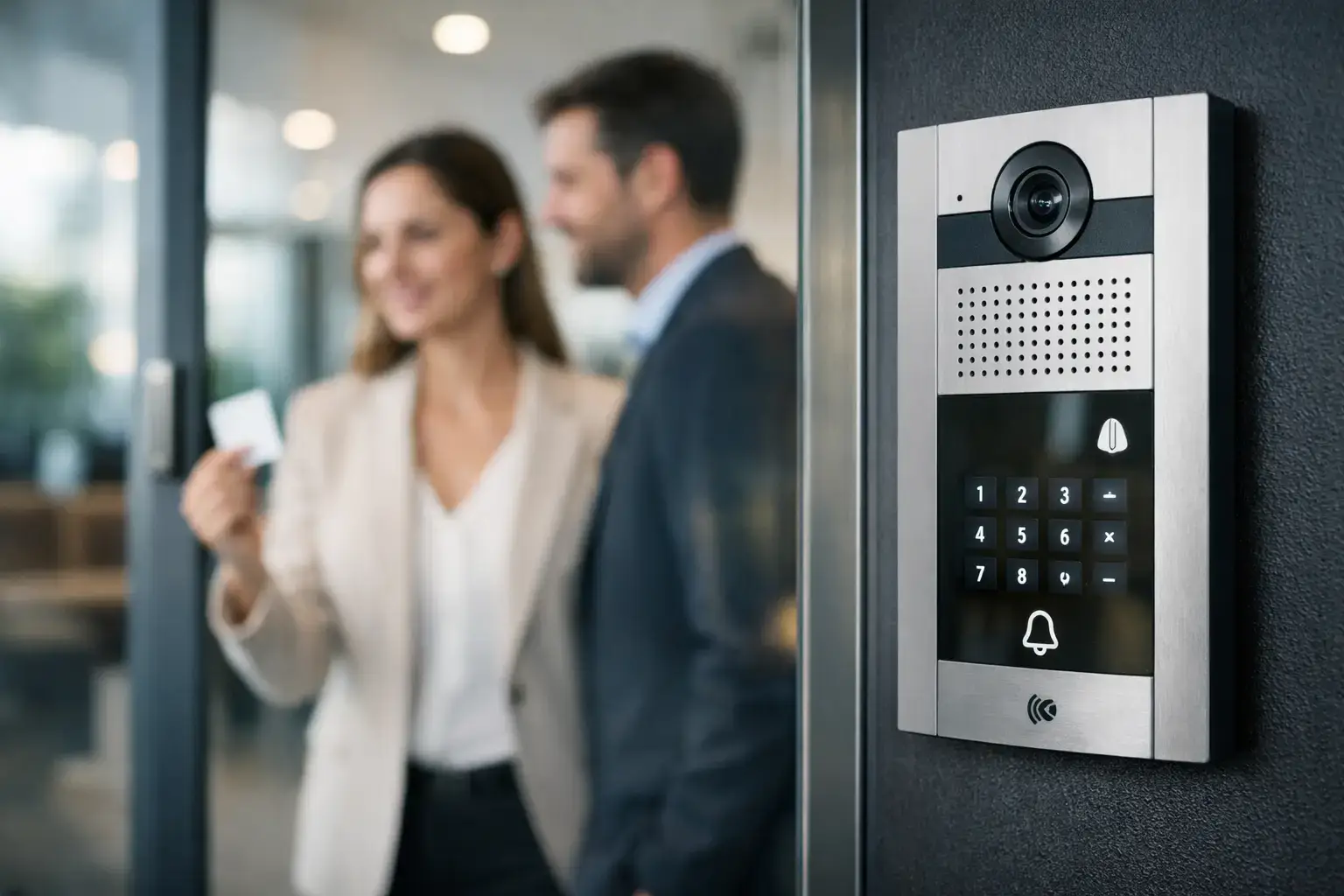
The front door tells you a lot about a building. If visitors are waiting outside, staff are leaving desks to let people in, or deliveries arrive with no clear way to verify who is there, security starts to feel reactive rather than controlled. A well-designed office intercom entry system fixes that by giving your team a reliable way to manage access, confirm identities and keep the building moving without creating friction.
For many offices, the question is not whether a door entry system is needed. It is what type will actually suit the site, the people using it and the level of risk involved. A small serviced office, a multi-tenant building and a warehouse with office space at the front may all need visitor access control, but the right setup will differ in each case.
What an office intercom entry system should really do
At a basic level, an office intercom entry system allows someone at the door to request access and someone inside to verify and release the entrance. In practice, the better systems do far more than that. They support staff safety, reduce unauthorised entry, help manage deliveries, and create a more professional arrival experience for clients, contractors and visitors.
This matters most where reception is not permanently staffed, where several tenants share one entrance, or where access needs to be controlled outside normal working hours. In those situations, a doorbell-style setup is rarely enough. You need a system that works consistently, integrates with locks and access control, and gives clear audio or video identification before the door is opened.
There is also a simple operational benefit. Staff can remain focused on their work instead of walking back and forth to the entrance. Over a day, that adds up. Over a year, it becomes part of how efficiently the building runs.
Audio, video and app-based office intercom entry system options
The right specification depends on how the building is used, not just on budget.
Audio intercoms
Audio-only systems can still be effective in lower-risk settings where staff know most regular visitors and the entrance is already overlooked. They are generally straightforward, cost-effective and suitable for smaller offices with predictable footfall. The trade-off is obvious. If you cannot see who is calling, you are relying on voice alone.
Video intercoms
For most commercial premises, video gives a stronger level of control. Reception staff or authorised users can see who is at the door before granting access, which helps with unknown callers, out-of-hours arrivals and attempted tailgating. It also reduces the chance of a staff member opening the door too quickly under pressure.
Image quality matters here. A poor camera or badly positioned panel can leave you with little more than a silhouette. Professional design takes lighting, weather exposure, mounting height and user flow into account.
Smartphone and network-connected systems
Modern systems can route calls to desk stations, internal monitors, mobile devices or a combination of all three. That flexibility is useful where staff are mobile, where reception is unmanned at times, or where several people may need to respond. A facilities manager can answer from elsewhere in the building, and a manager can deal with a contractor arrival before the office fully opens.
Convenience is valuable, but it needs careful setup. Remote answering should be secure, permissions should be controlled properly, and the system should not rely on patchy connectivity to perform a basic access function.
Access control matters as much as the intercom itself
An intercom panel on its own does not secure a building. The lock release, door hardware and access control arrangement are just as important.
A well-planned installation often combines the intercom with fob, card, PIN or app-based credentials for staff. Visitors can request entry, while employees gain access in a faster and more controlled way. This is particularly useful for offices with multiple departments, restricted zones, shared tenant areas or separate delivery entrances.
The details matter. A strong magnetic lock on the wrong door can cause problems. A strike lock may suit one entrance but not another. Fire safety requirements, escape routes, door construction and usage levels all affect what should be installed. This is why commercial door entry should be designed as part of a wider security plan rather than treated as a standalone gadget.
Where office intercom systems often fail
Many problems come from under-specification rather than the technology itself. Businesses install a simple entry panel, then expect it to cope with multiple users, poor lighting, heavy footfall or out-of-hours access. The result is unreliable operation, confused staff and workarounds that weaken security.
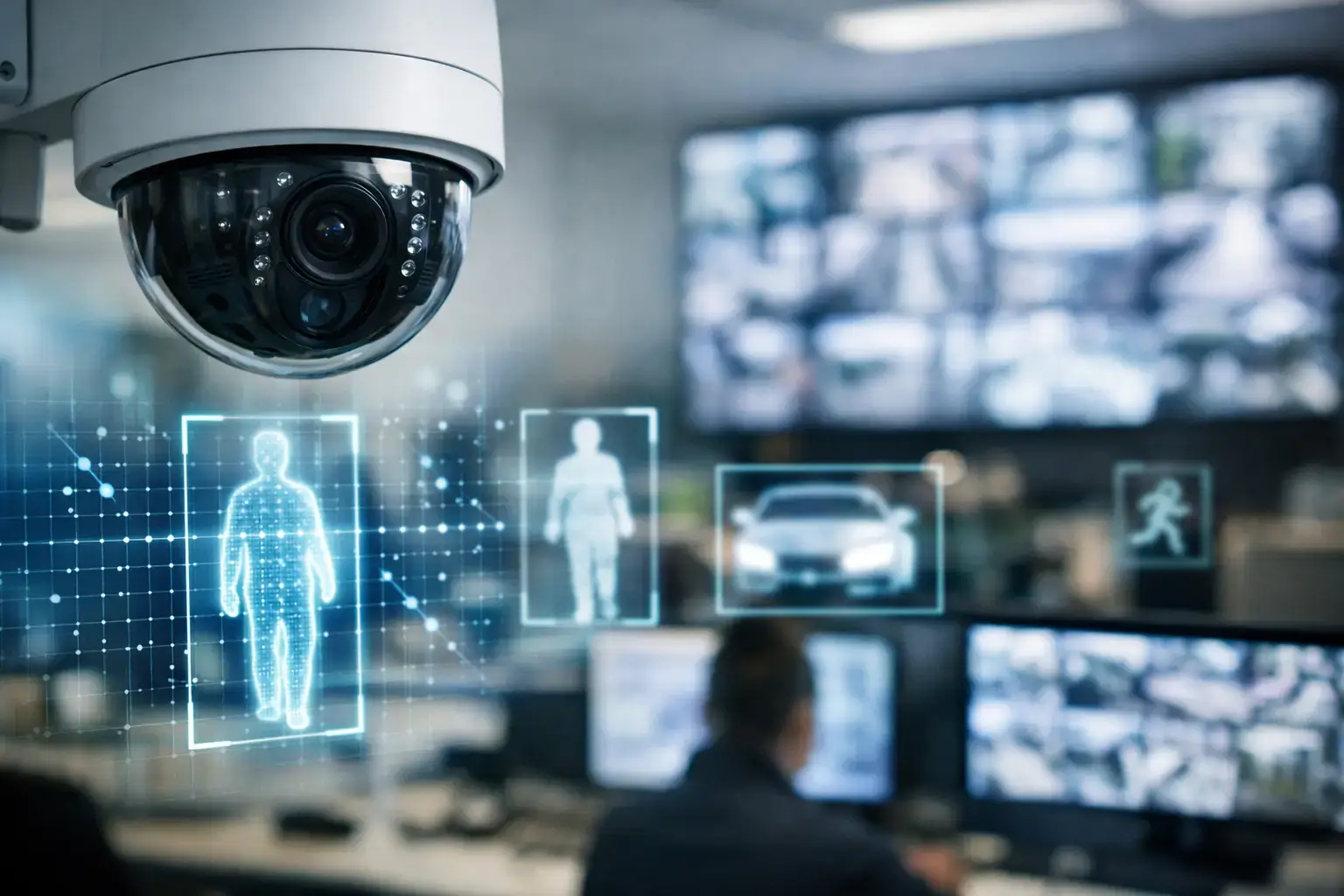
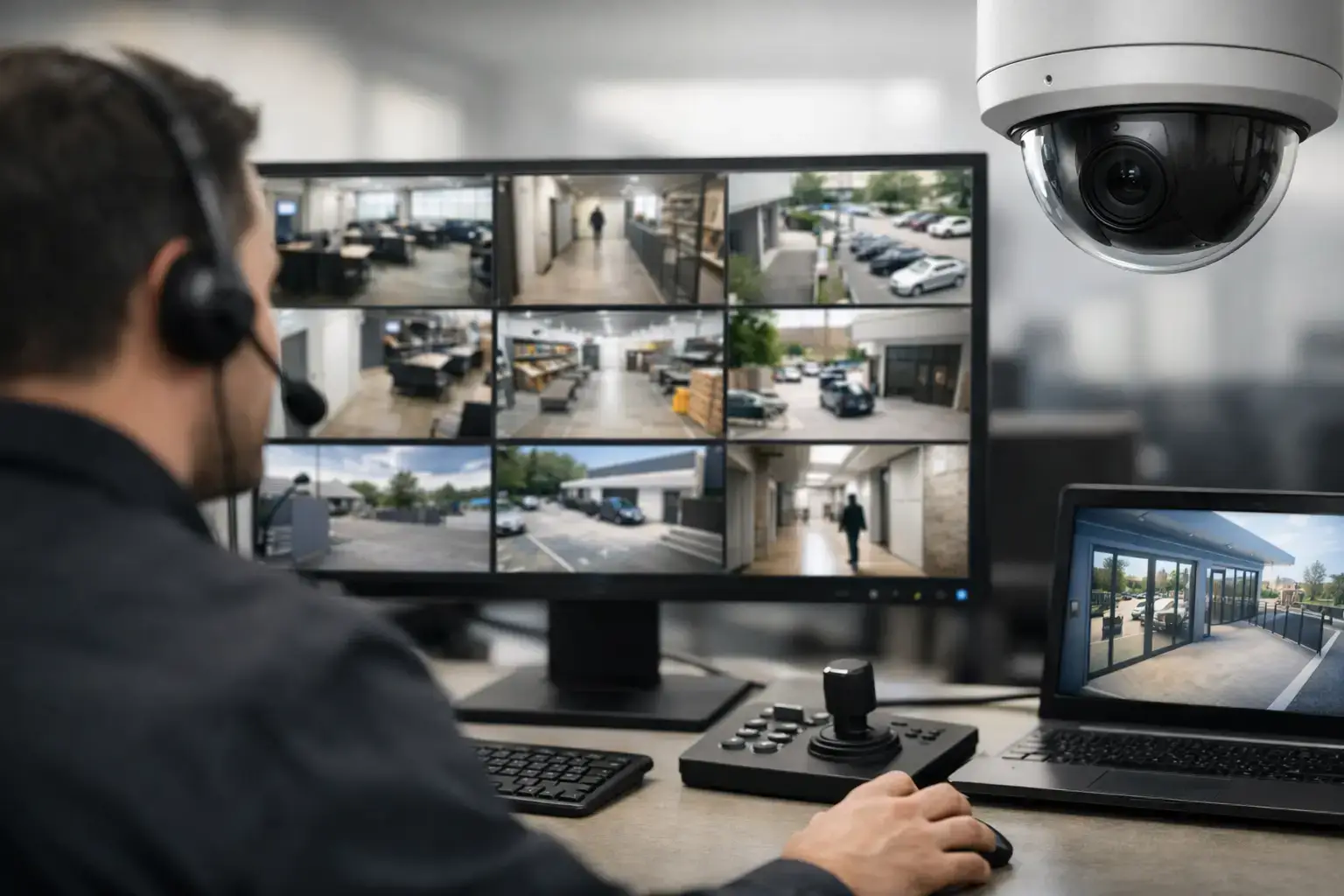
Another common issue is poor integration. If CCTV, access control and the intercom all work separately, incidents become harder to review and daily management becomes less efficient. When systems are designed to work together, staff can verify a caller, release the door, and retain a clear record of what happened.
Maintenance also gets overlooked. Entry systems operate in exposed locations and are used repeatedly throughout the day. External panels, locks, closers and release mechanisms need to keep working in all weather and under regular use. Long-term reliability comes from correct installation and ongoing support, not from the product brochure alone.
Choosing the right system for your building
The best approach starts with the site itself. How many entrances need control? Is there a reception team? Are there multiple tenants? Do contractors arrive early? Does the office also include a warehouse, yard or staff-only rear entrance? These questions shape the specification quickly.
In a smaller office, one video entry panel and internal monitor may be enough. In a larger building, you may need several panels, tenant directories, timed access permissions and integration with electronic locks throughout the site. If your building has compliance or insurer requirements, those need to be accounted for at the design stage rather than added later.
User experience matters too. If a system is awkward, staff will bypass it. If visitors cannot work out how to call in, reception gets flooded with phone calls. Good systems are simple to use, clear to hear and quick to respond. Security should feel controlled, not cumbersome.
Why professional installation makes the difference
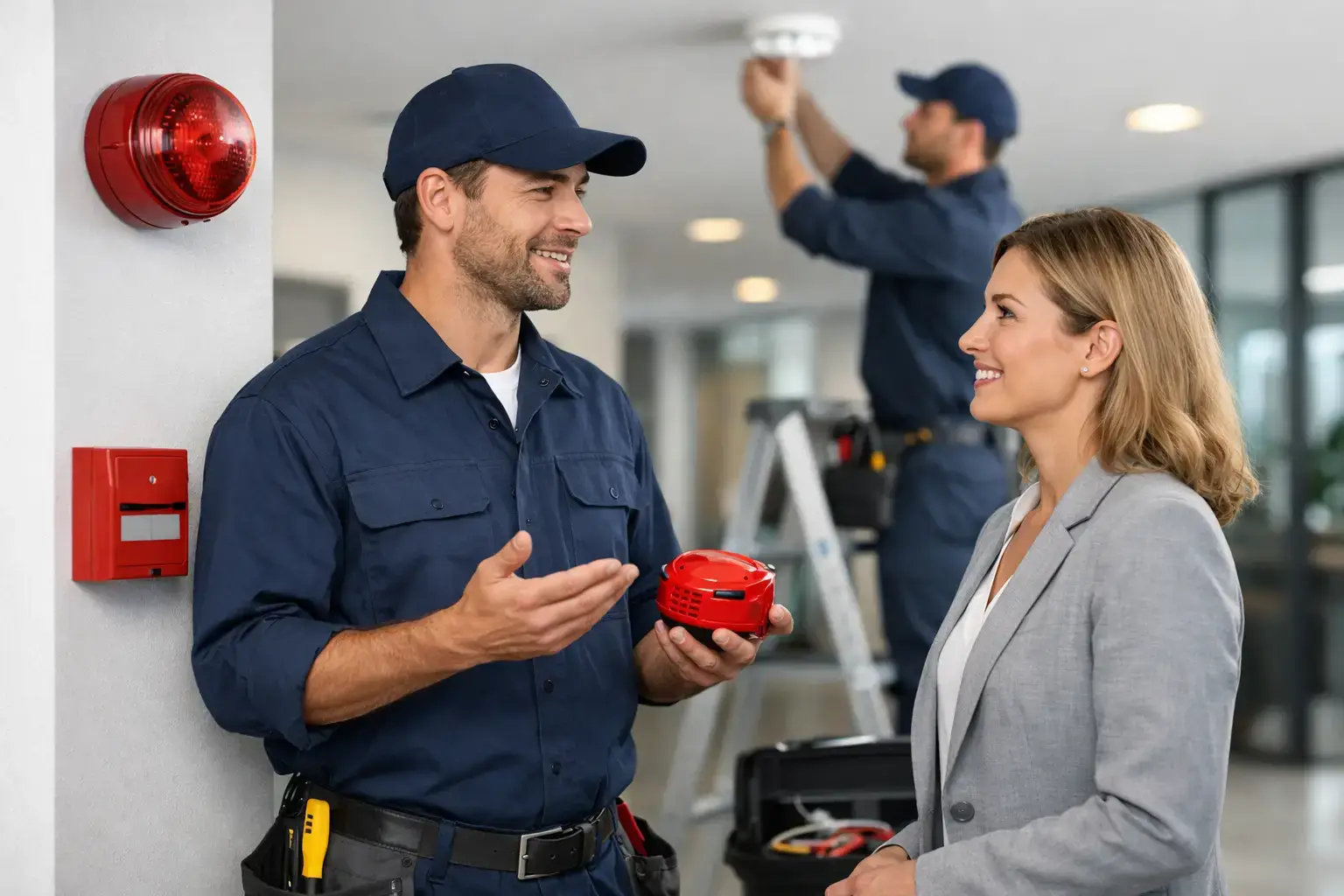
Office entry systems are easy to underestimate because the end user only sees a panel and a door release. Behind that sits cabling, power, network setup, lock compatibility, life safety considerations and user permissions. If any part is wrong, the whole entrance becomes a weak point.
A professional installer will assess door types, entry volumes, control points and the practical risks around the building. They will also consider how the intercom fits with CCTV, intruder alarms and broader access control. That joined-up approach is especially important for commercial properties where one failure can affect staff access, deliveries, fire door behaviour or building security after hours.
For buyers comparing systems, the real value is not simply the hardware. It is whether the system will still be doing its job properly years from now, under daily use, with support available when needed. That is where experience matters.
A better first line of defence
An office intercom entry system is often the first active security decision your building makes each day. It decides who gets attention, who gets access and how confidently your staff can manage the front door. Done properly, it reduces disruption, improves control and supports a safer working environment without making the office feel closed off.
For businesses across Essex, London and the South East, that usually means looking beyond a basic door buzzer and choosing a properly specified, professionally installed solution. If you are reviewing front-door security, it is worth getting the whole entrance assessed rather than replacing one part and hoping for the best. 247 CCTV can help design an entry system that fits the building, the risks and the way your team actually works.
The right system is not the one with the longest feature list. It is the one your staff trust every day, from the first delivery in the morning to the last person locking up.