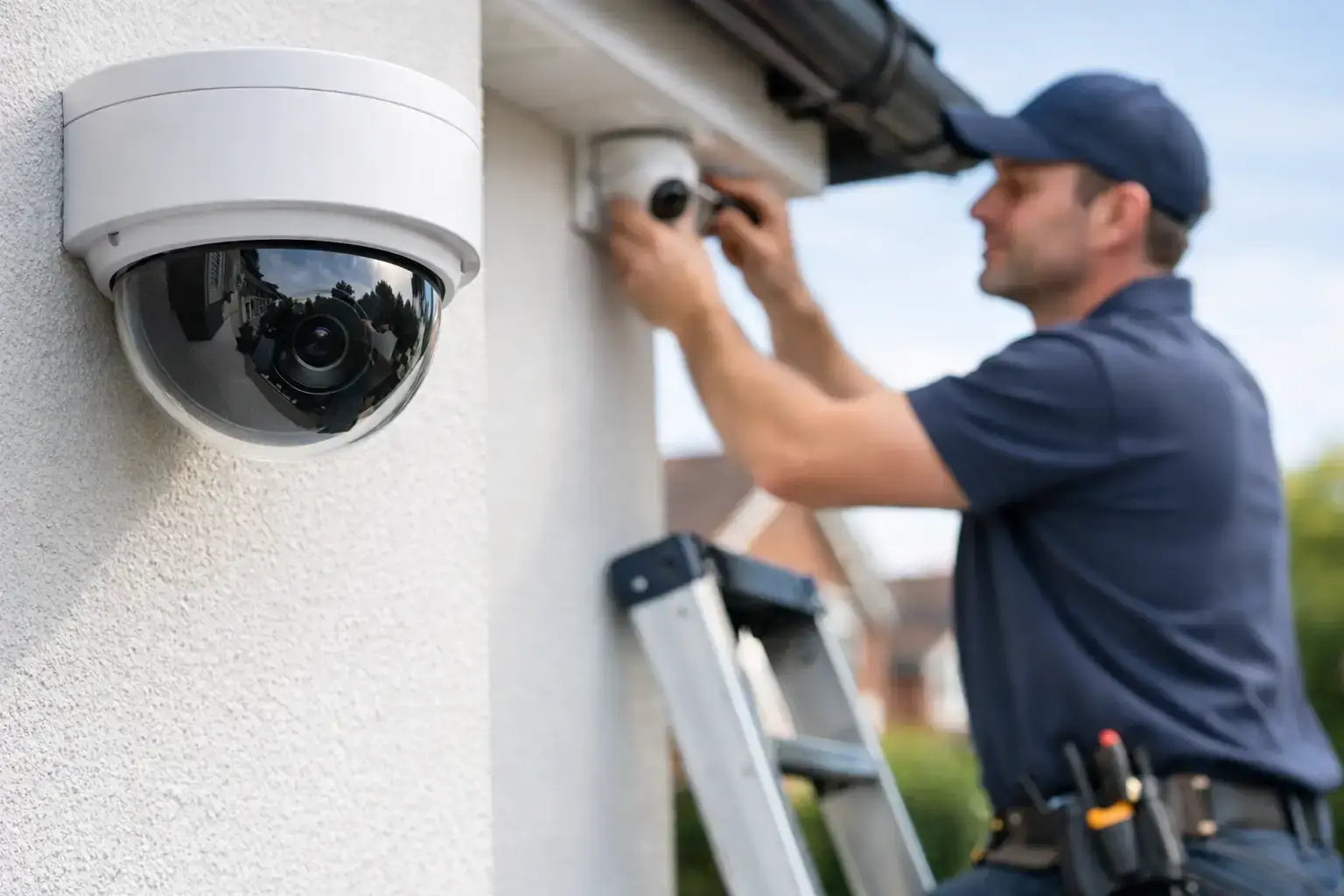
If you are comparing cctv installers essex buyers regularly call for quotes, the difference rarely comes down to cameras alone. It comes down to whether the system is properly designed for the property, installed to a recognised standard, and supported when something needs attention months or years later. A well-fitted CCTV system should do more than record footage – it should deter intrusion, improve visibility, support investigations and work reliably under day-to-day pressure.
That matters whether you are protecting a family home in Chelmsford, a warehouse in Basildon, a school in Colchester or a building site with changing risks each week. Essex includes dense town centres, isolated industrial estates, rural properties and high-footfall commercial premises. Each one needs a different approach. The right installer will start with risk, not with a box of equipment.
What good CCTV installers in Essex actually do
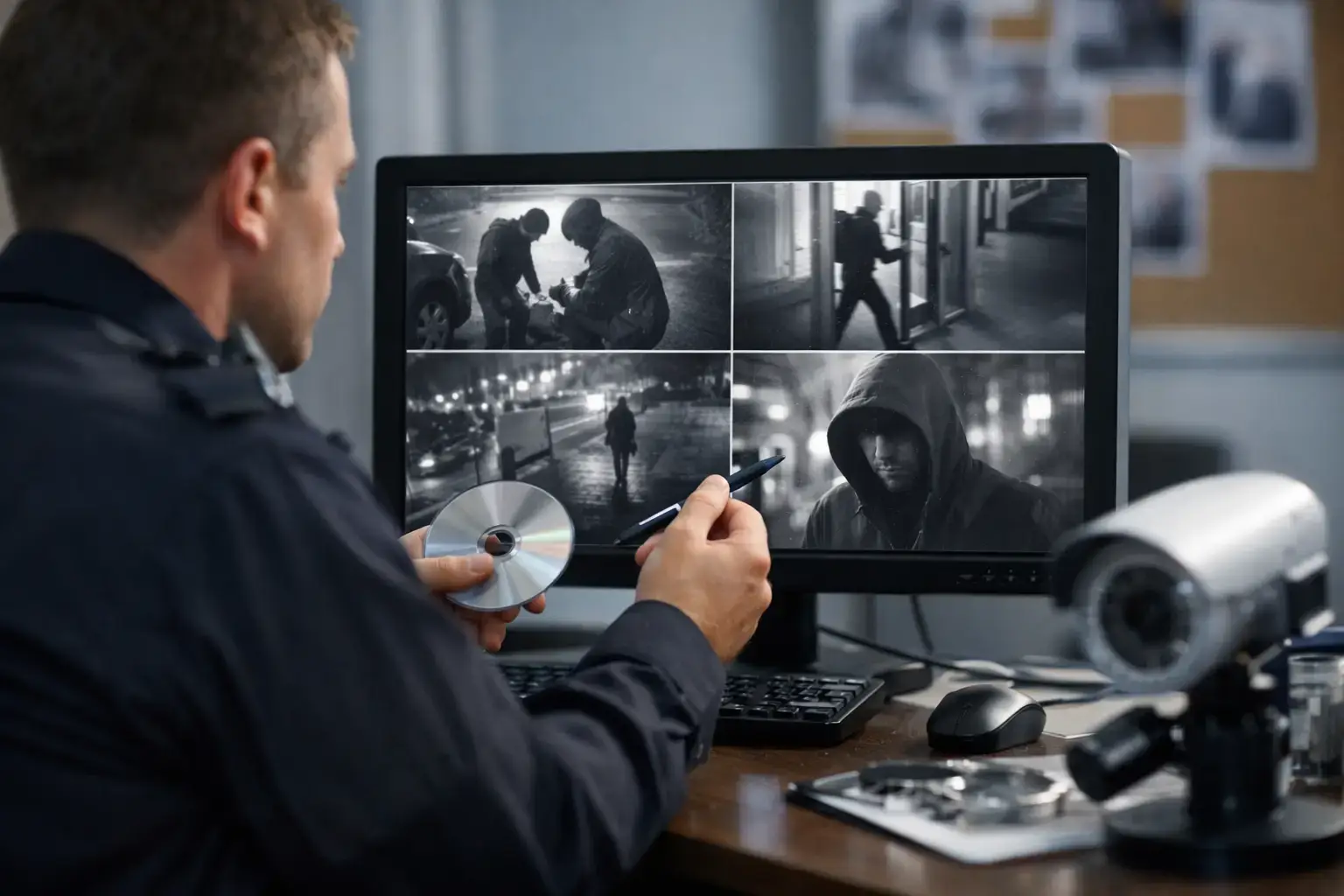
A professional installer is not simply there to mount cameras and run cables. Proper CCTV design begins with a survey of the site, entry points, lighting conditions, blind spots, storage requirements and the type of incidents you are trying to reduce. For some clients that means identifying faces at key access points. For others it means monitoring vehicle movements, deterring theft, managing staff safety or obtaining usable footage for police and insurer enquiries.
This is where many cheaper proposals fall short. A low headline price can look attractive until you realise the cameras are in the wrong locations, the recorder capacity is insufficient, or the image quality does not hold up in low light. In practice, poor placement causes as many problems as poor hardware.
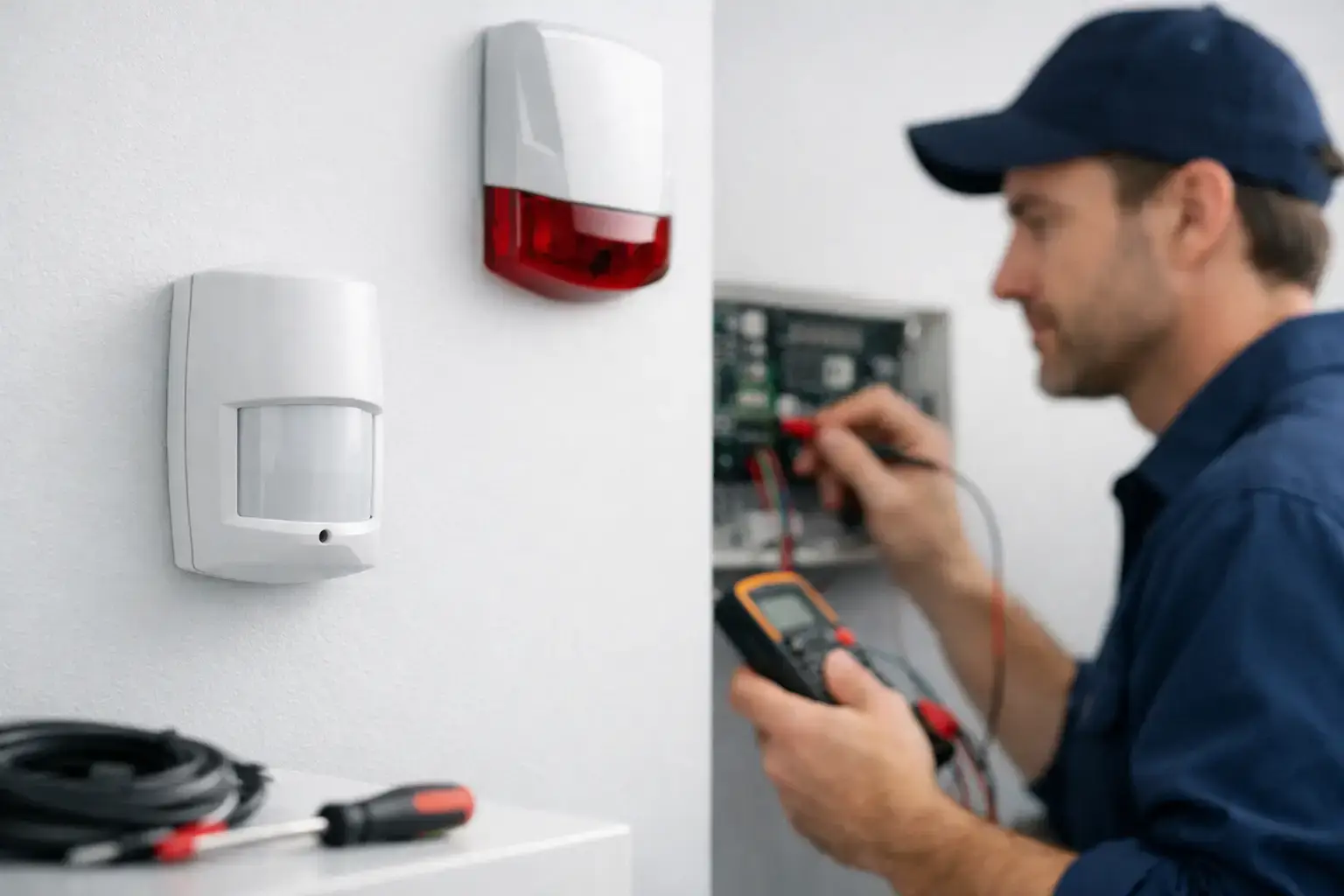
Experienced CCTV installers in Essex should also be comfortable advising on wider security integration. A standalone system can be suitable in some homes and small premises, but many sites benefit from CCTV working alongside intruder alarms, access control, intercoms or monitored response arrangements. If your property has multiple access points, regular deliveries, public visitors or out-of-hours staff movement, those links become far more valuable.
Why accreditation and insurer approval matter
Security is one of those areas where compliance only seems dull until there is a claim, an incident or a dispute about whether the system was fit for purpose. For that reason, accreditation matters. If an installer is operating to recognised industry standards and can provide insurer-accepted systems, you have more confidence that the work has been carried out correctly and documented properly.
For commercial clients, that reassurance is especially important. Facilities managers, landlords and business owners often need to show that they have taken proportionate steps to protect staff, stock, assets and visitors. In regulated sectors such as education, healthcare, logistics and finance, a casual or consumer-grade approach is rarely enough.
For homeowners, the issue is more straightforward but no less important. If you want a system that genuinely protects your property and may support insurance expectations, professional installation is usually a better long-term decision than relying on a basic DIY package with limited coverage and inconsistent recording.
How to assess CCTV installers Essex businesses recommend
The strongest installer is not always the one promising the most cameras. In many cases, fewer well-positioned devices will outperform a larger, badly planned system. When you assess installers, look at how they think rather than how quickly they price.
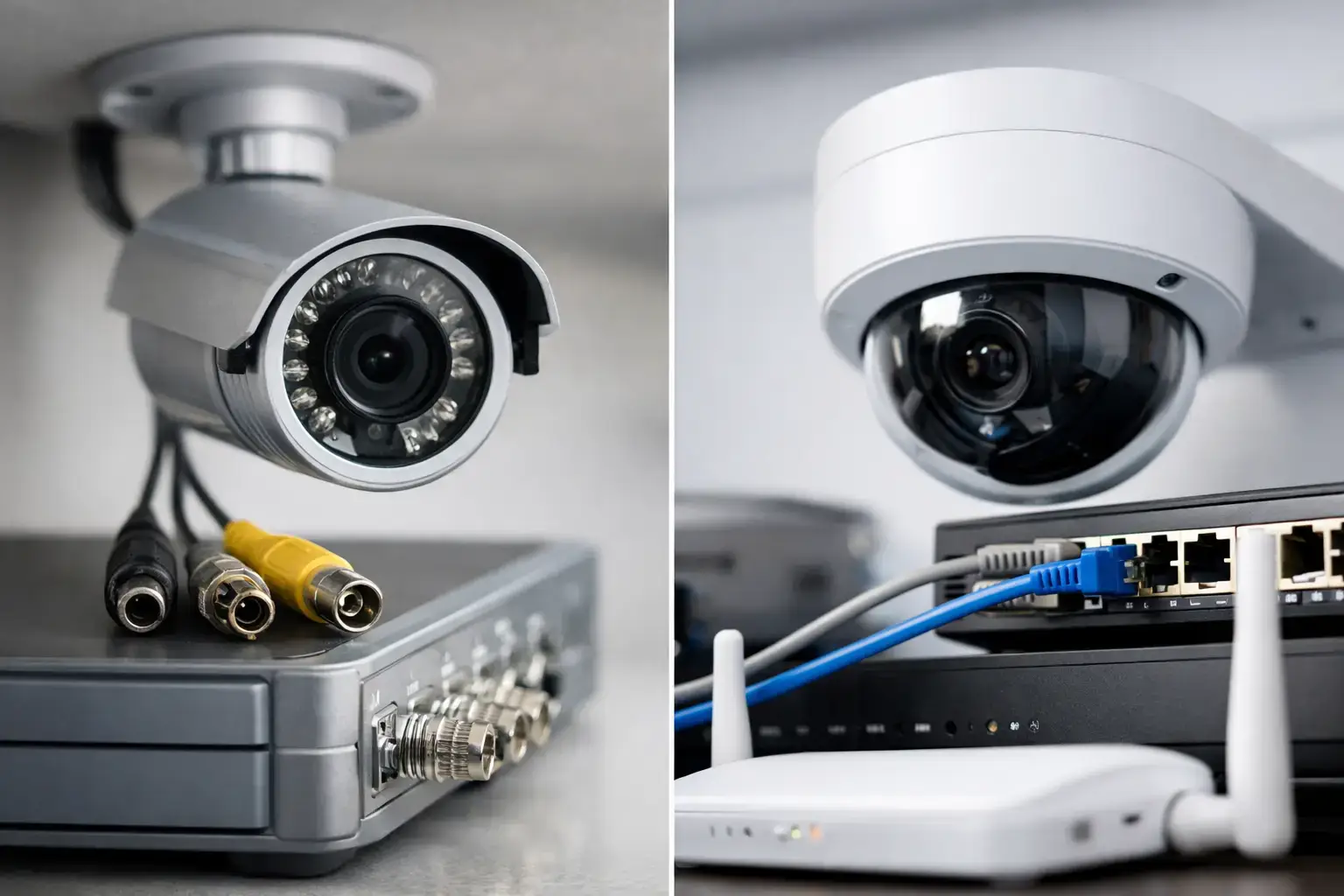
A dependable provider should ask detailed questions about the site, the threats you are trying to address, how footage will be used and who needs access to it. They should be able to explain the difference between deterrent coverage and evidential coverage, and they should be honest about trade-offs. For example, a wider field of view can cover more ground, but it may reduce detail. Remote viewing is useful, but it needs to be configured securely. Cloud-connected features can add convenience, but some sites still benefit from stronger local recording arrangements.
It is also worth asking what happens after installation. A CCTV system is not a one-off purchase if you expect it to remain dependable. Firmware updates, recorder health checks, lens cleaning, fault diagnosis and user support all affect long-term performance. This is particularly relevant for businesses with compliance obligations or sites that cannot afford downtime.
The Essex factor – why one design does not suit every site
Essex presents a broad range of security environments. A detached home on a quiet road may need perimeter visibility, driveway coverage and mobile access for the owner. A town-centre retailer may care more about entrances, tills, staff areas and out-of-hours deterrence. An industrial estate unit may need ANPR, yard monitoring, goods-in coverage and integrated alarms.
Construction sites are another example. Risks change quickly because the site itself changes. Temporary boundaries, valuable plant, limited lighting and periods without staff all create vulnerabilities that fixed, domestic-style systems are not designed to handle. In that setting, the installer needs experience of temporary or semi-permanent security layouts, analytics, remote alerting and practical maintenance support.
This is why local knowledge has value, but only when it is backed by technical depth. An installer serving Essex should understand the difference between protecting a bungalow, a school, a logistics depot and a multi-tenant office. The equipment category may be the same, yet the design logic is completely different.
Residential CCTV – what homeowners should expect
Homeowners often begin with a simple goal: to feel safer and to know what is happening when they are away. A professional residential system should meet that need without becoming awkward to use. The best domestic setups give clear, reliable images at entrances, driveways, side access routes and rear gardens, with secure app access for live viewing and playback.
There is still a balance to strike. More cameras are not always better if they create unnecessary overlap or cover areas with little practical value. Night performance, motion settings and storage duration all deserve attention. So does privacy. A reputable installer will consider neighbouring properties and advise on appropriate camera positioning and system use.
For homes with gates, outbuildings or higher-value vehicles, it may make sense to combine CCTV with smart intruder detection or access control. That joined-up approach can provide a faster warning and a clearer record of events.
Commercial CCTV – reducing risk without overcomplicating the system
Commercial clients usually need CCTV to support a broader operational purpose. That might include shrinkage control, health and safety investigations, staff security, visitor management, dispute resolution or protection against unauthorised access. In those environments, the challenge is to deliver coverage that is useful, not excessive.
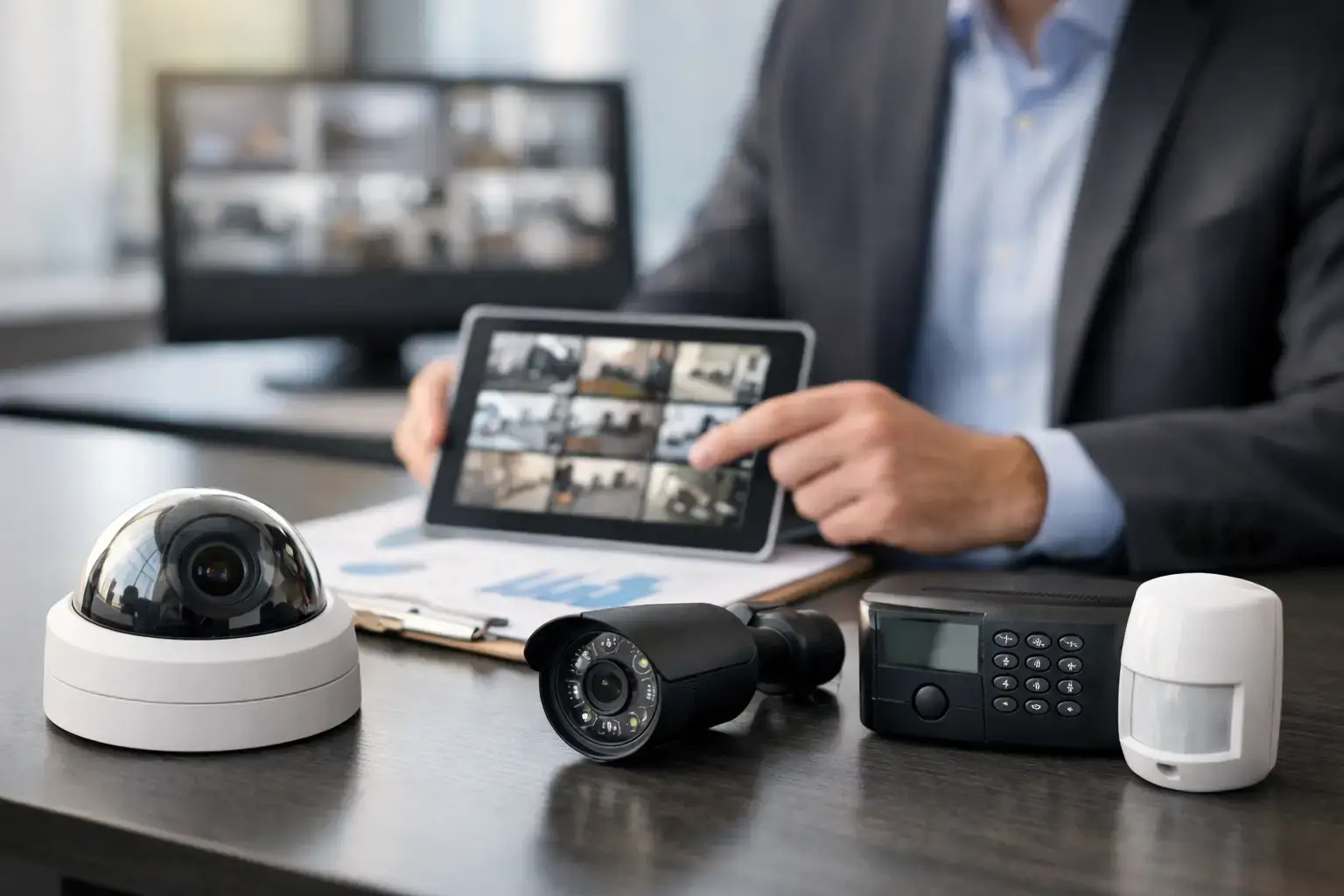
A good installer will separate must-have coverage from nice-to-have coverage. They will also consider how the footage fits into existing procedures. If your team needs quick retrieval of incidents, user permissions and sensible camera naming matter. If you manage multiple buildings, remote administration and health monitoring may matter more than visual gimmicks.
Analytics can be helpful here, but only if deployed carefully. Line crossing, intrusion detection and people or vehicle classification can reduce wasted time and improve awareness, especially on larger or quieter sites. That said, not every premises needs advanced analytics. Sometimes dependable recording, sensible camera placement and clean integration with alarms deliver the best result.
Questions worth asking before you choose an installer
Before you proceed, ask how the system will be designed around your risks rather than around a standard package. Ask whether the installer is SSAIB approved, whether the system is likely to meet insurer expectations, and what maintenance support is available after handover.
You should also ask who will configure remote access, how footage is stored, what image retention period is expected and whether the system can scale if the site changes. For business premises, ask how the installation will affect daily operations and whether out-of-hours or phased installation is possible. For homes, ask how easy the system will be to use in practice, not just on the day it is demonstrated.
The quality of the answers tells you a great deal. An experienced installer will not rush past these points. They will treat them as central to the job.
Choosing a security partner, not just a supplier
The best CCTV installations are usually the result of a proper working relationship. That is particularly true if you are responsible for an occupied commercial building, a multi-site estate or a home where security needs may grow over time. You want an installer who can survey the site properly, explain options in plain language and stay available when your needs change.
That is the approach taken by 247 CCTV at https://www.247cctv.co.uk – combining survey, design, installation and ongoing support across Essex and the wider South East. It is not about selling the most equipment. It is about making sure the system fits the property, the risk level and the people who will rely on it.
When you choose CCTV installers, the real question is not who can fit cameras fastest. It is who can give you a system that still makes sense when it matters most.