
Every british property owner faces tough choices when it comes to protecting what matters most. With reports showing that well over 60 percent of home intrusions are deterred by visible security measures, the right technology can make all the difference. Increasingly, modern CCTV and alarm systems offer peace of mind by combining constant surveillance with instant alerts. This guide takes a clear look at how these solutions work, what sets them apart, and how they protect homes and businesses across the UK.
Key Takeaways
| Point | Details |
|---|---|
| Understanding Security Systems | CCTV and alarm systems serve distinct but complementary roles in property security, providing both visual monitoring and immediate alerts. |
| Integration Benefits | Combining CCTV with alarm systems creates a proactive security environment that enhances protection against threats. |
| Legal Compliance | Property owners must navigate UK privacy regulations when deploying surveillance technologies to ensure they respect individual privacy rights. |
| Cost Considerations | Effective security planning involves assessing initial costs, ongoing expenses, and potential long-term savings through reduced insurance premiums. |
What Are CCTV and Alarm Systems?
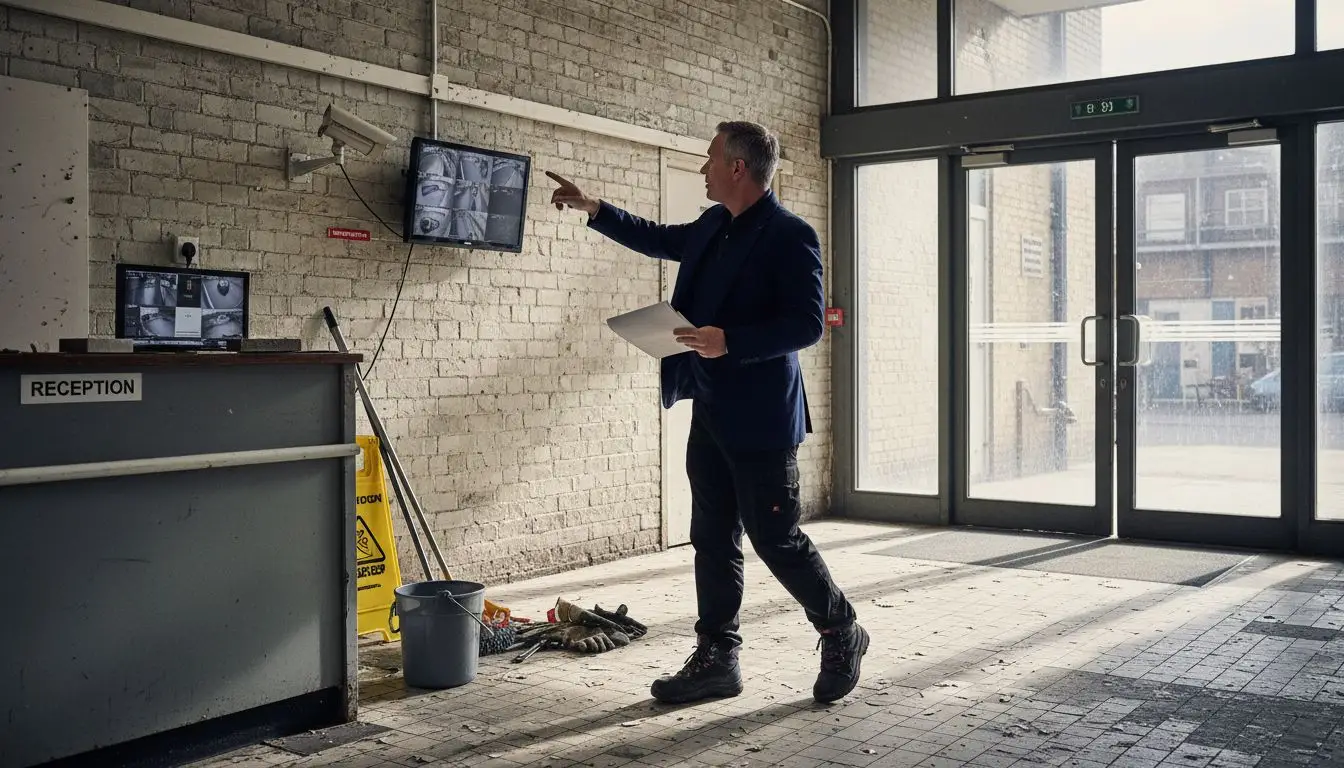
Securing your property requires understanding two critical technological defences: Closed-Circuit Television (CCTV) and Alarm Systems. These security solutions work differently but share a common goal of protecting people, assets, and premises from potential threats.
According to National Security Authority, CCTV systems are sophisticated surveillance technologies designed for monitoring and recording images across various environments. Modern Video Surveillance Systems (VSS) leverage digital networks and incorporate advanced imaging technologies like:
- Visible band cameras
- Infrared sensors
- Thermal imaging cameras
These systems serve multiple critical security functions, including:
- Deterring potential intruders
- Detecting unauthorized access
- Verifying alarm triggers
- Tracking suspicious movements
- Collecting legal-standard evidence for potential investigations
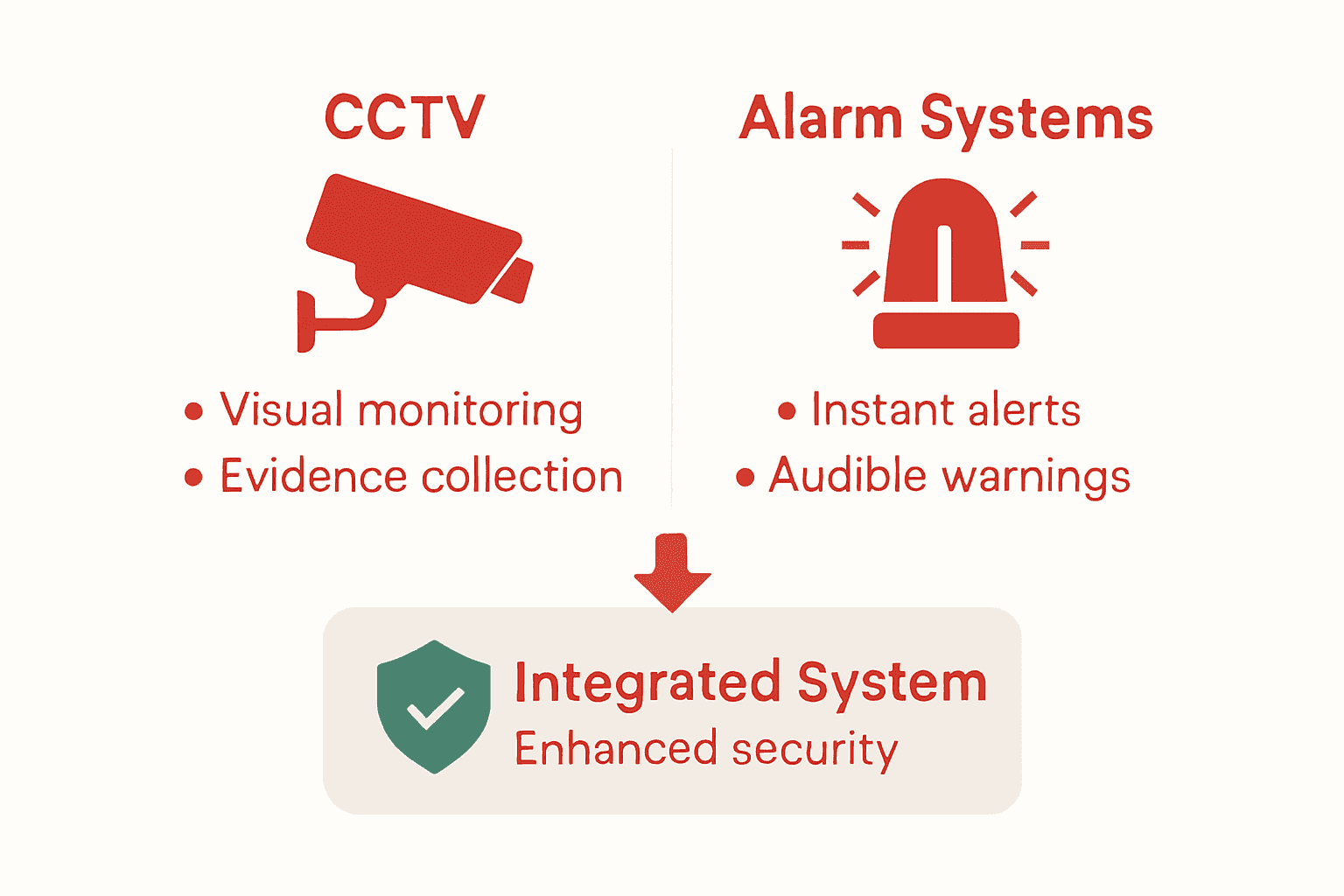
In contrast, Alarm Systems provide an immediate response mechanism. As explained by Health and Safety Executive, these systems are engineered to alert individuals or monitoring centers about unauthorized entry or emergency situations. Intriguingly, modern security setups often integrate CCTV with alarm systems, creating a comprehensive security ecosystem.
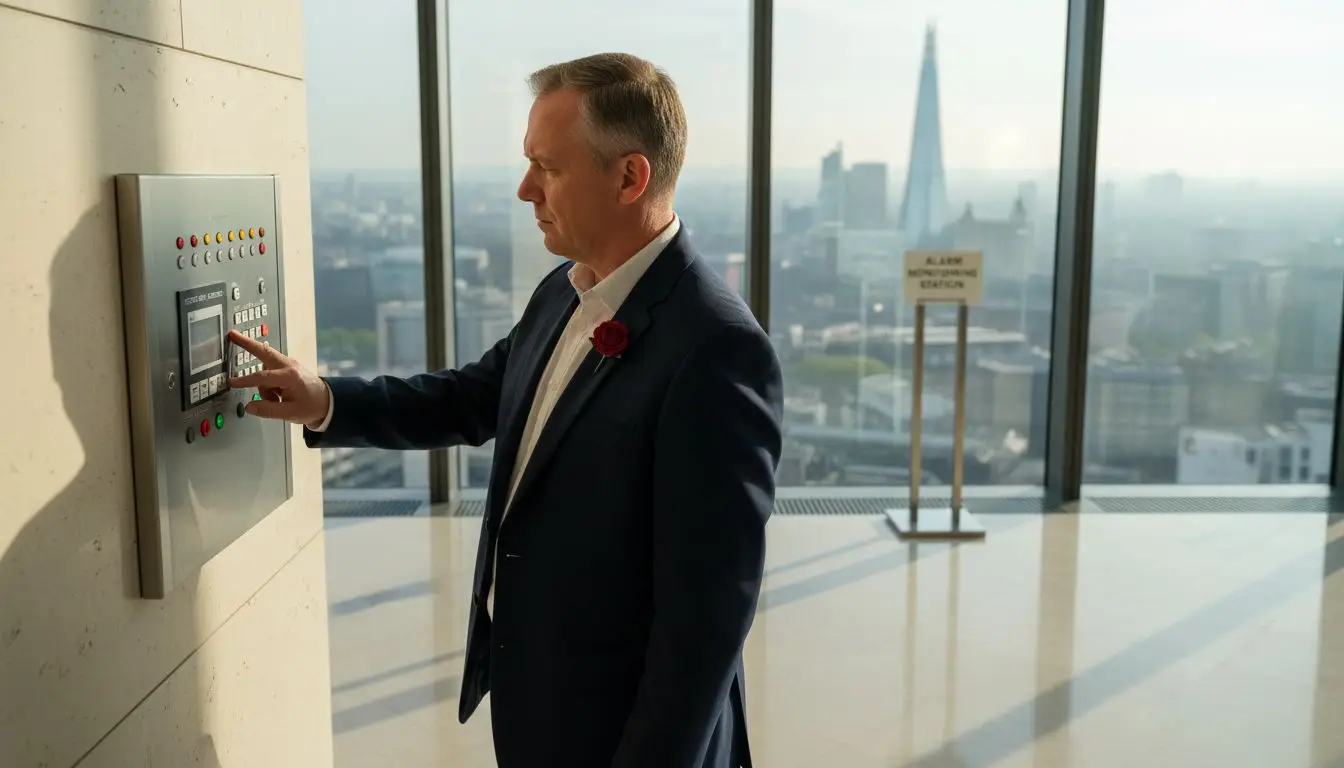
Burglar alarm systems like the Hikvision AX Pro, RISCO LightSYS+, and Texecom Premier Elite represent cutting-edge technologies in this domain. These sophisticated systems can detect intrusion through various sensors, trigger audible warnings, and simultaneously notify property owners or security services, providing multi-layered protection that goes well beyond traditional security measures.
The synergy between CCTV and alarm systems transforms passive security into an active, intelligent defence mechanism.
By combining visual surveillance with immediate alert capabilities, these technologies offer property owners a robust shield against potential security breaches.
Types and Functions: CCTV vs Alarms
Understanding the distinct yet complementary roles of CCTV systems and Alarm Systems is crucial for comprehensive property security. Each technology brings unique capabilities to the security landscape, offering property owners multiple layers of protection against potential threats.
According to National Security Authority, CCTV technologies encompass a sophisticated range of imaging and monitoring solutions. These systems are not just passive recording devices but active security tools that include:
- Visible band cameras for standard visual monitoring
- Infrared sensors for low-light and night-time surveillance
- Thermal imaging cameras for detecting heat signatures
- Video analytics for intelligent threat detection
CCTV systems serve multiple critical functions:
- Deterring potential criminal activities
- Providing real-time visual monitoring
- Collecting forensic-quality evidence
- Enabling remote surveillance
- Supporting post-incident investigations
In contrast, Alarm Systems provide an immediate, reactive security mechanism. As Health and Safety Executive explains, these systems are designed to instantly alert property owners or monitoring centres about unauthorized access or emergencies.
Popular burglar alarm systems like the Hikvision AX Pro, RISCO LightSYS+, and Texecom Premier Elite offer advanced intrusion detection capabilities. These modern systems can:
- Detect unauthorized entry through multiple sensor types
- Trigger loud audible warnings
- Send instant notifications to property owners
- Integrate with mobile apps for remote monitoring
- Provide zone-specific breach information
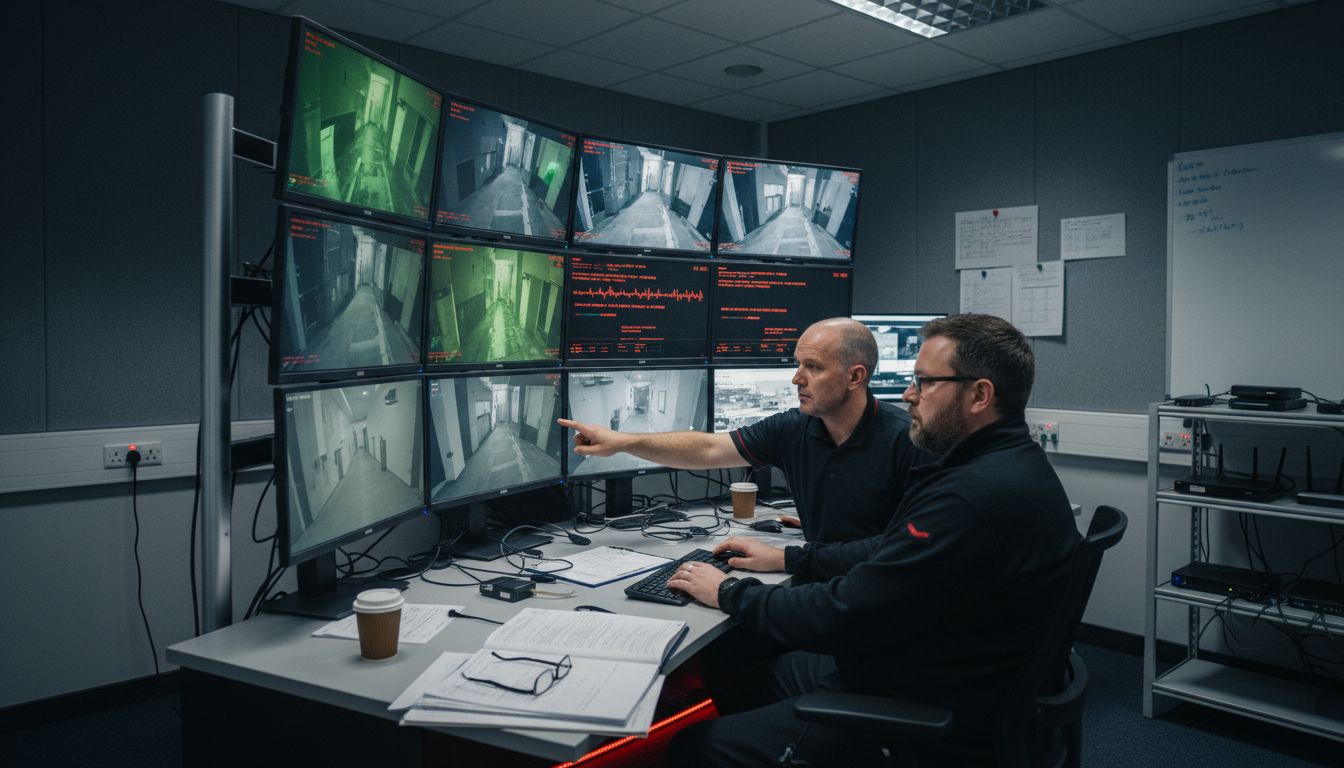
The true power of modern security lies in the integration of CCTV and alarm systems. By combining visual surveillance with rapid alert mechanisms, property owners can create a dynamic, intelligent security ecosystem that not only records potential threats but responds to them in real-time. This synergistic approach transforms traditional security from a reactive to a proactive defence strategy.
Key Features and Security Benefits
Security technologies have evolved dramatically, transforming how businesses and homeowners protect their assets and loved ones. By understanding the sophisticated features of modern CCTV and alarm systems, property owners can create comprehensive defence strategies that go far beyond traditional security approaches.
According to National Security Authority, contemporary security systems offer an impressive array of key features designed to provide multi-layered protection. These advanced technologies include:
- Intelligent video analytics for automated threat detection
- Adaptive sensor technologies that respond to environmental changes
- Real-time monitoring capabilities
- Remote access through smart device integration
- High-resolution imaging for precise identification
The core security benefits of these systems extend far beyond simple surveillance. They serve critical protective functions such as:
- Deterring potential criminal activities
- Providing immediate threat response
- Generating forensically admissible evidence
- Enabling proactive security management
- Reducing insurance premiums through enhanced protection
As Health and Safety Executive explains, modern security systems can be integrated to create comprehensive protection ecosystems. This means alarm and CCTV technologies work synergistically, with each system complementing the other’s capabilities.
For instance, advanced burglar alarm systems like the Hikvision AX Pro, RISCO LightSYS+, and Texecom Premier Elite offer granular security features. These systems can detect intrusions through multiple sensor types, trigger immediate alerts, and provide zone-specific breach information. When combined with CCTV, they transform passive security into an intelligent, responsive defence mechanism.
Ultimately, the true value of modern security technologies lies in their ability to provide peace of mind. By leveraging sophisticated features and intelligent design, these systems offer property owners a robust, proactive approach to protection that adapts to emerging threats and provides comprehensive security coverage.
UK Legal Duties and Privacy Rules
Navigating the complex landscape of security technology requires a thorough understanding of legal obligations and privacy regulations in the United Kingdom. Property owners and businesses must carefully balance their security needs with strict legal requirements that protect individual privacy rights.
According to National Privacy and Security Authority, the deployment of security systems demands meticulous compliance with data protection regulations. Key legal considerations include:
- Ensuring justified and proportionate surveillance
- Protecting individual privacy rights
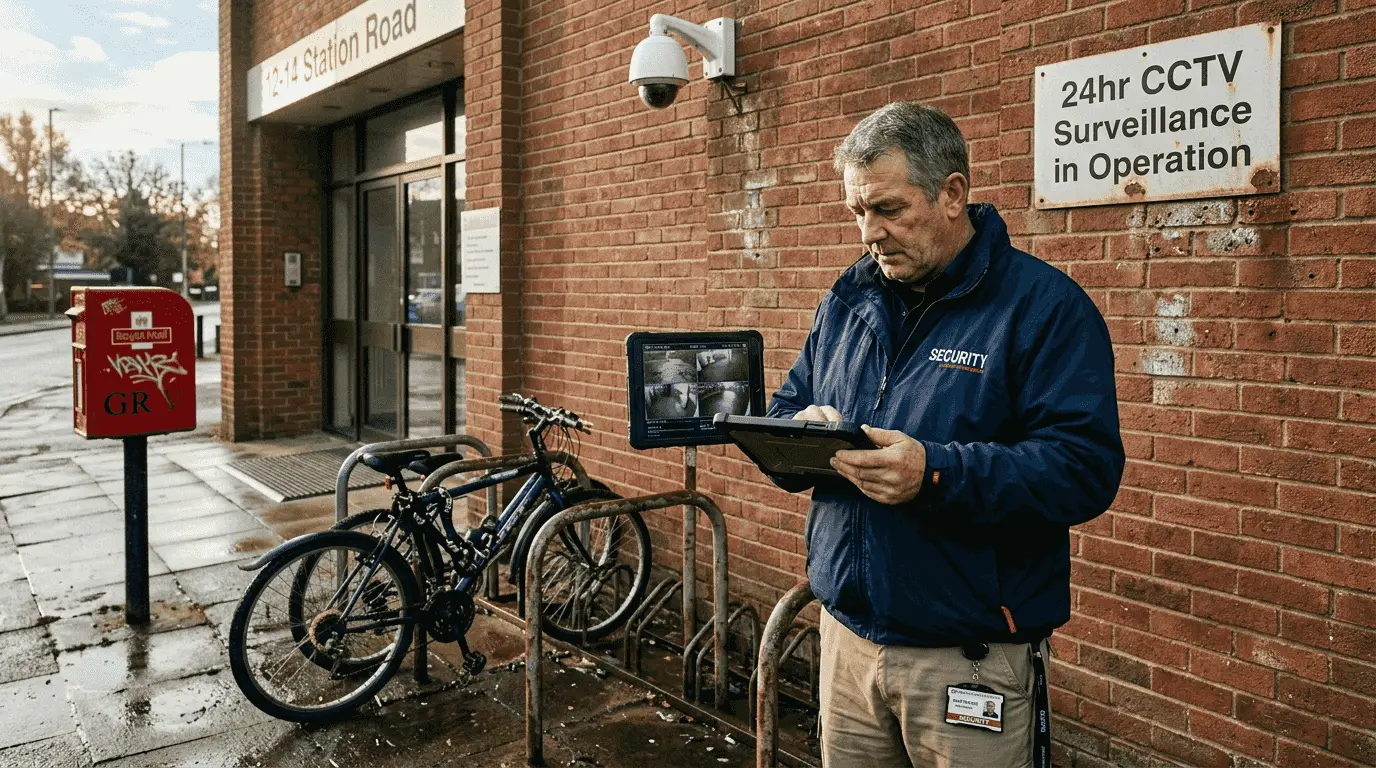
- Implementing clear signage about monitoring
- Restricting access to recorded footage
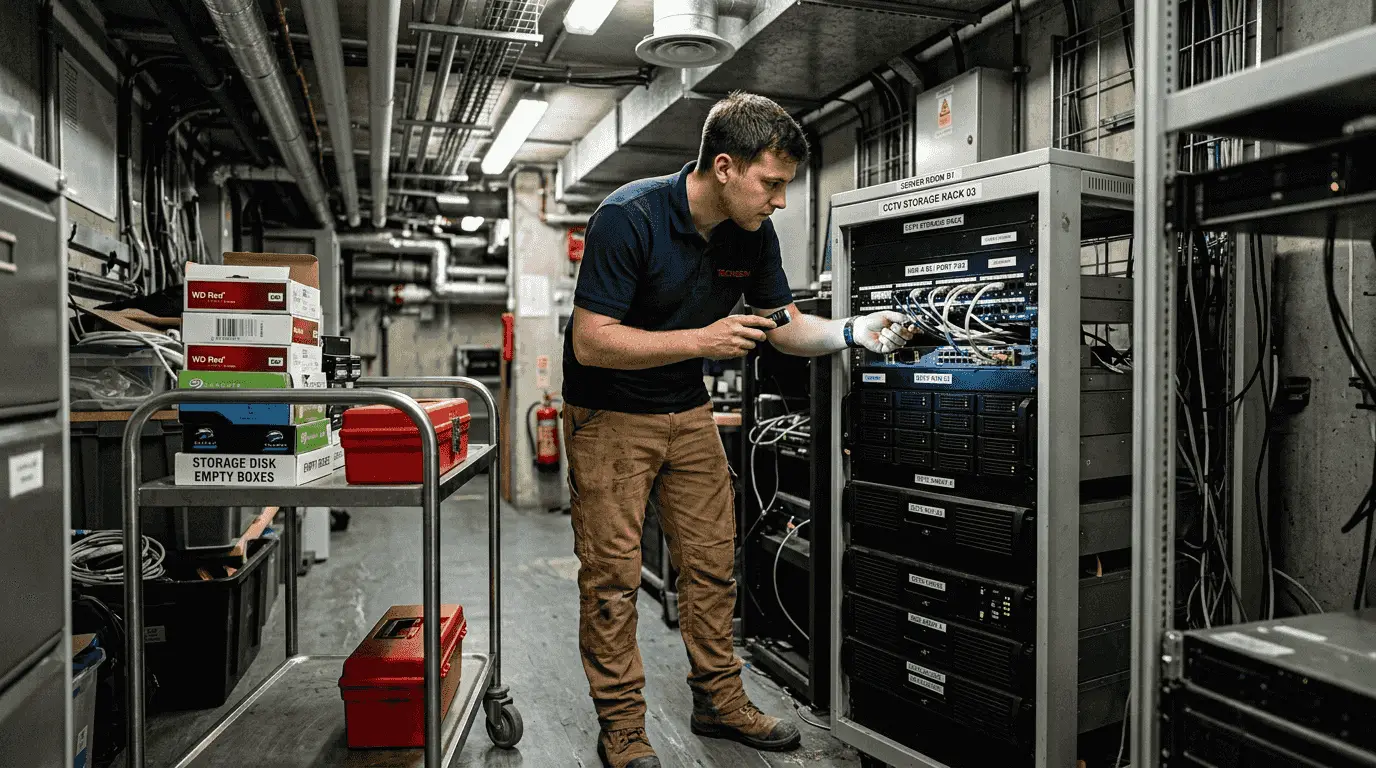
- Securing and managing digital recordings
The legal framework governing security technologies is multifaceted, requiring property owners to demonstrate:
- Legitimate reasons for surveillance
- Minimal invasion of personal privacy
- Transparent recording practices
- Secure data management protocols
- Compliance with data protection legislation
Interestingly, UK Government regulations extend beyond privacy considerations, affecting the financial aspects of security installations. For instance, standard VAT rates apply to most security systems, with specific exceptions for specialised emergency call systems.
For businesses and homeowners using advanced systems like Hikvision AX Pro, RISCO LightSYS+, and Texecom Premier Elite, understanding legal nuances is crucial. These sophisticated alarm systems must be installed and operated with strict adherence to data protection principles, ensuring that technological capabilities do not compromise individual privacy rights.
Ultimately, successful security implementation requires a delicate balance between protection and privacy. By understanding and respecting legal boundaries, property owners can create robust security environments that safeguard both physical assets and personal privacy.
Cost Comparison and Choosing the Best
Security investment requires careful consideration of both immediate costs and long-term protection strategies. Property owners must navigate a complex landscape of technological options, balancing budgetary constraints with comprehensive security needs.
According to National Privacy and Security Authority, selecting the right security solution demands a thorough assessment of specific environmental risks and potential threats. This nuanced approach involves evaluating:
- Premise-specific security requirements
- Potential vulnerability points
- Budget constraints
- Scalability of systems
- Long-term maintenance costs
Key cost considerations for different security technologies include:
- Initial installation expenses
- Monthly monitoring fees
- Equipment replacement cycles
- Maintenance and servicing costs
- Potential insurance premium reductions
Research from Health and Safety Executive highlights the evolving cost-effectiveness of security technologies. Modern systems like Hikvision AX Pro, RISCO LightSYS+, and Texecom Premier Elite have dramatically reduced installation and maintenance expenses, with some businesses recouping their investment through reduced risk and potential insurance benefits.
Comparative pricing for popular systems typically ranges as follows:
| System Type | Initial Cost | Monthly Monitoring | Annual Maintenance |
|---|---|---|---|
| Basic Alarm | £300-£600 | £15-£30 | £100-£200 |
| Advanced CCTV | £500-£1,500 | £20-£50 | £150-£300 |
| Integrated System | £800-£2,000 | £30-£75 | £250-£500 |
Ultimately, the most effective security strategy isn’t about choosing between CCTV or alarm systems, but understanding how these technologies can work together. By carefully assessing your specific security needs, budget, and potential risks, you can design a comprehensive protection plan that offers maximum security with optimal cost-efficiency.
Secure Your Property with Expert CCTV and Alarm System Installation
Understanding the differences and powerful integration between CCTV and alarm systems is essential for robust security. Whether you want to deter crime, receive instant alerts, or capture clear evidence, the challenge lies in choosing and installing the right solution that fits your specific needs and legal obligations. At 247 CCTV, we know the frustration of navigating complex technology and legal requirements — and we are here to help you build a dependable security ecosystem.

Protect your home or business with confidence and take the next step towards comprehensive security by contacting our expert team. Our professional installation of CCTV, burglar alarms, door entry, and access systems ensures that you benefit from cutting-edge technology like the Hikvision AX Pro or RISCO LightSYS+ fully tailored for your environment. Visit 247 CCTV today to explore how our solutions provide peace of mind and compliance with UK privacy laws. Don’t wait for a security breach to act, secure your property now with trusted UK specialists at 247 CCTV.
Frequently Asked Questions
What is the primary difference between CCTV systems and alarm systems?
CCTV systems are primarily used for surveillance and monitoring, providing visual evidence and deterring crime. In contrast, alarm systems are designed to detect unauthorized access or emergencies and provide immediate alerts to property owners or monitoring centres.
How do CCTV systems enhance security at my property?
CCTV systems enhance security by providing real-time monitoring, deterring potential intruders, collecting forensic-quality evidence, and enabling remote surveillance from smart devices.
Can CCTV systems and alarm systems be integrated?
Yes, modern security setups often integrate CCTV with alarm systems, creating a comprehensive security ecosystem that combines visual surveillance with immediate alert mechanisms for enhanced protection.
What are the key features to look for in a good alarm system?
Key features to consider in an alarm system include intrusion detection through multiple sensor types, the ability to trigger audible warnings, instant notifications to property owners, mobile app integration, and zone-specific breach information.