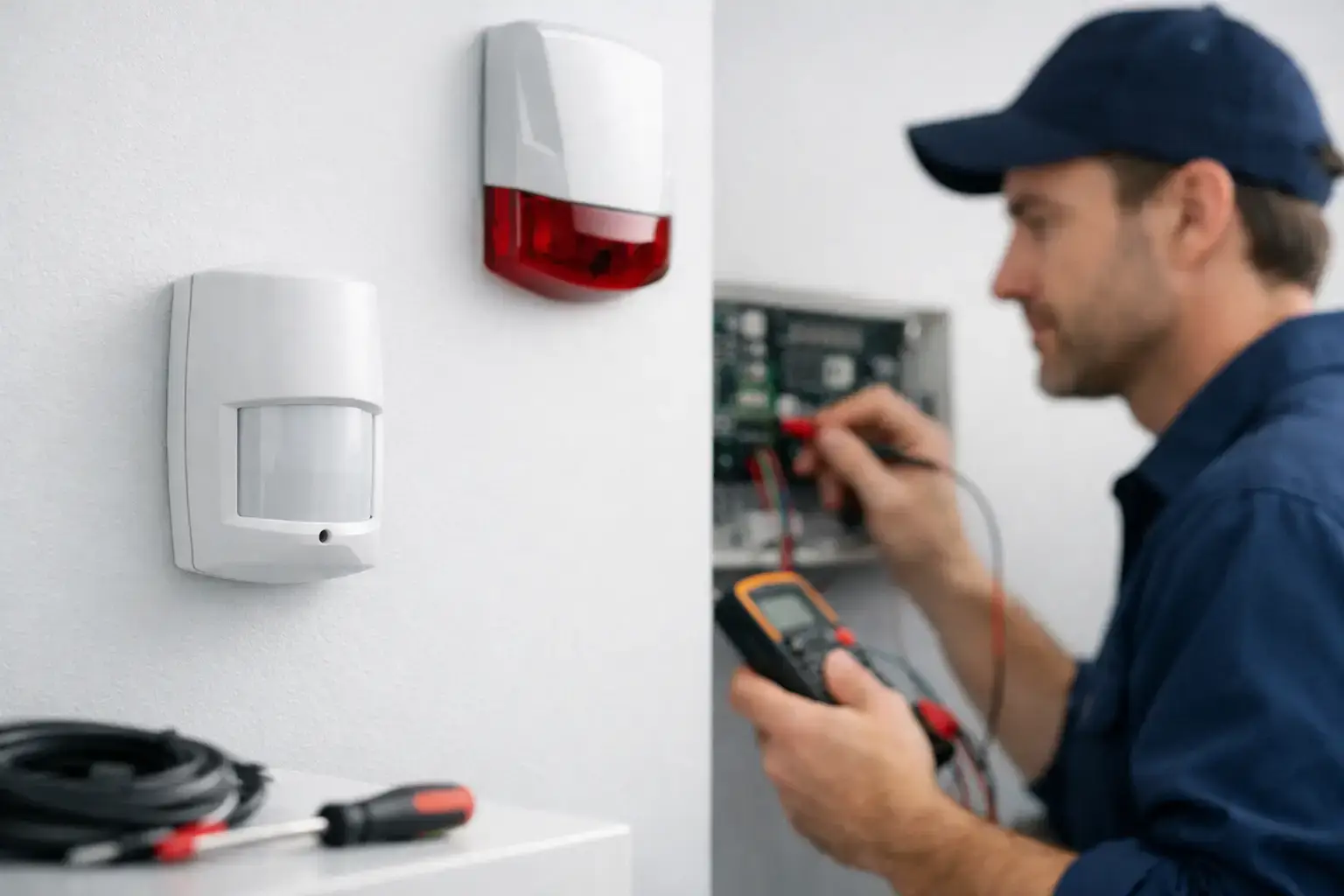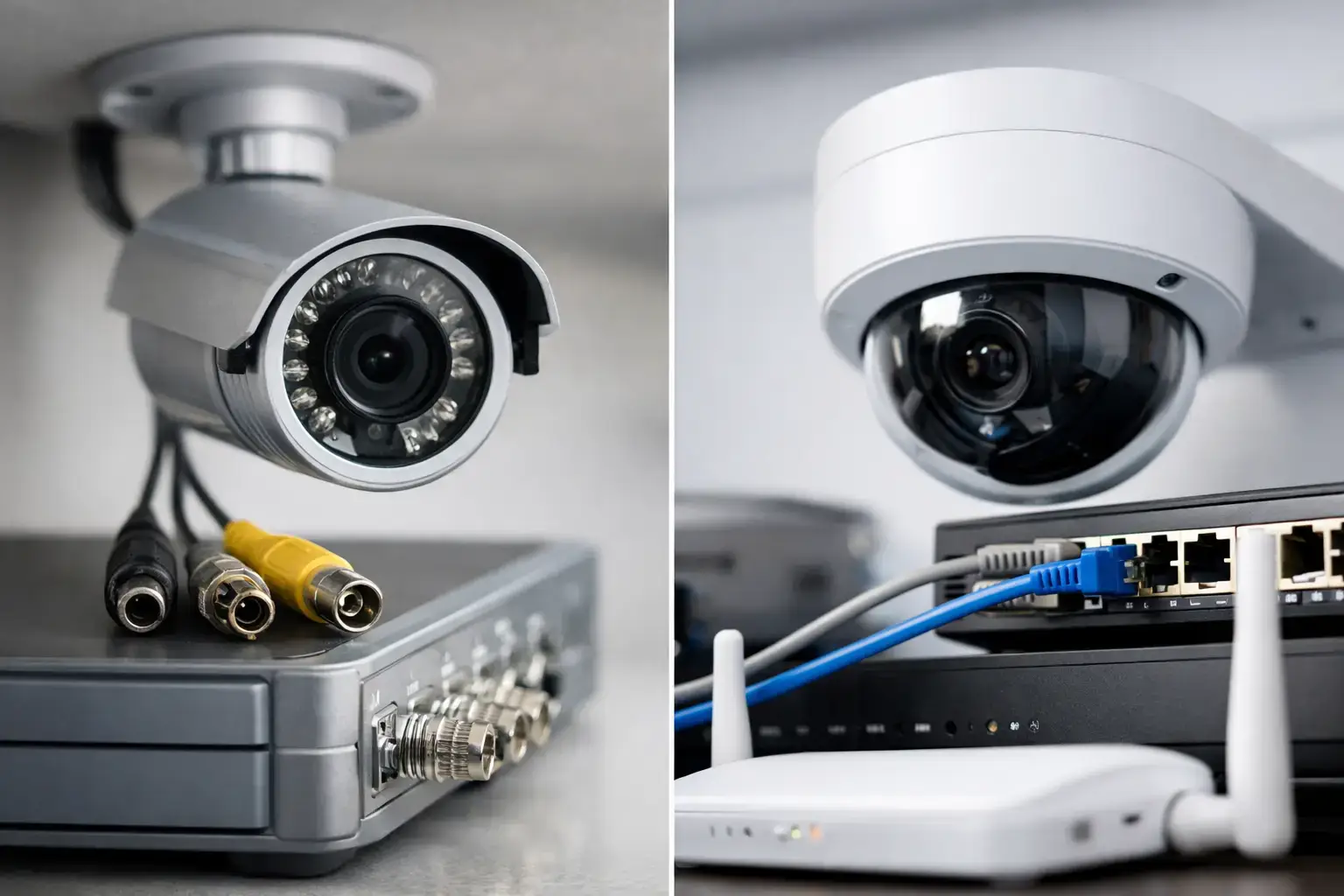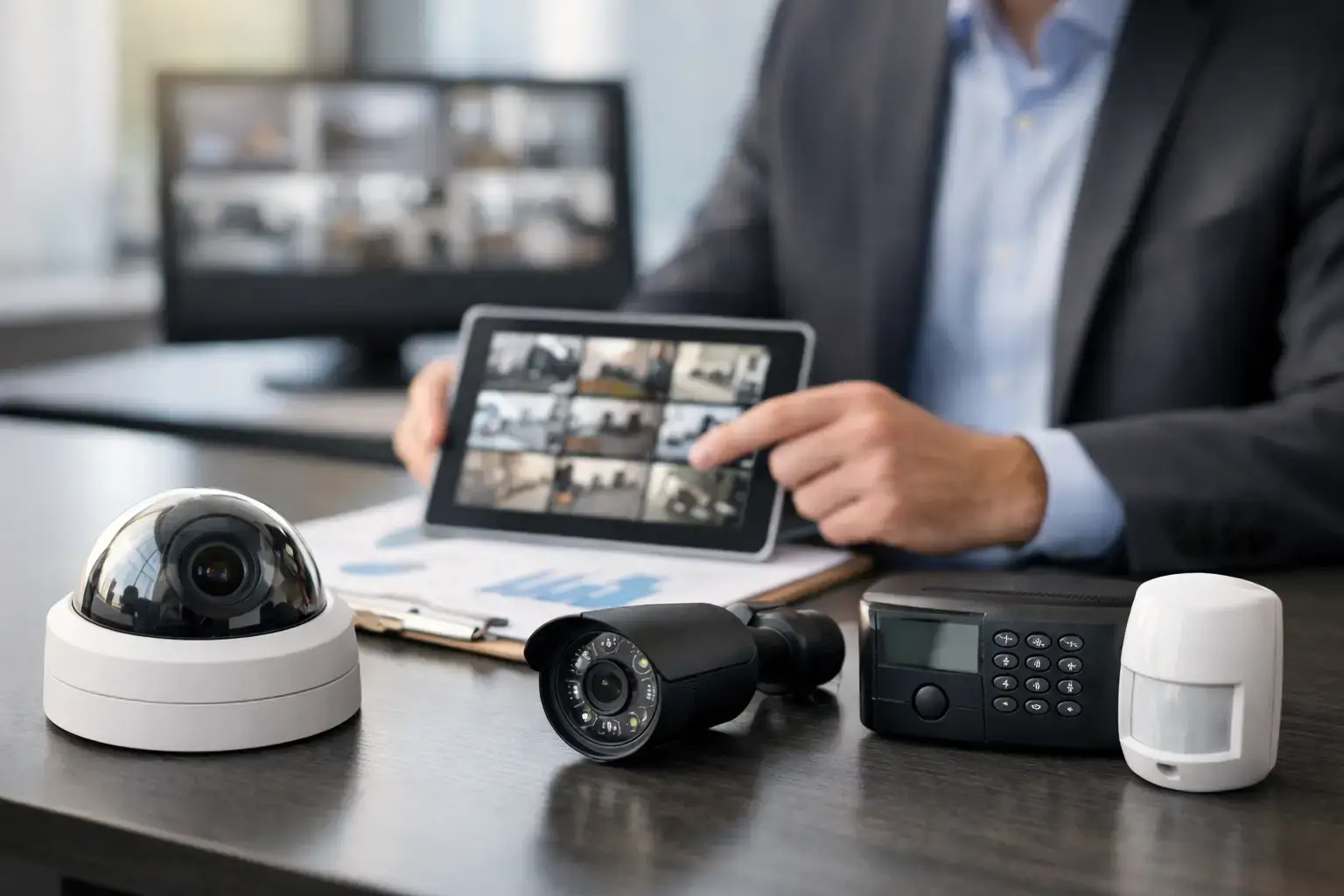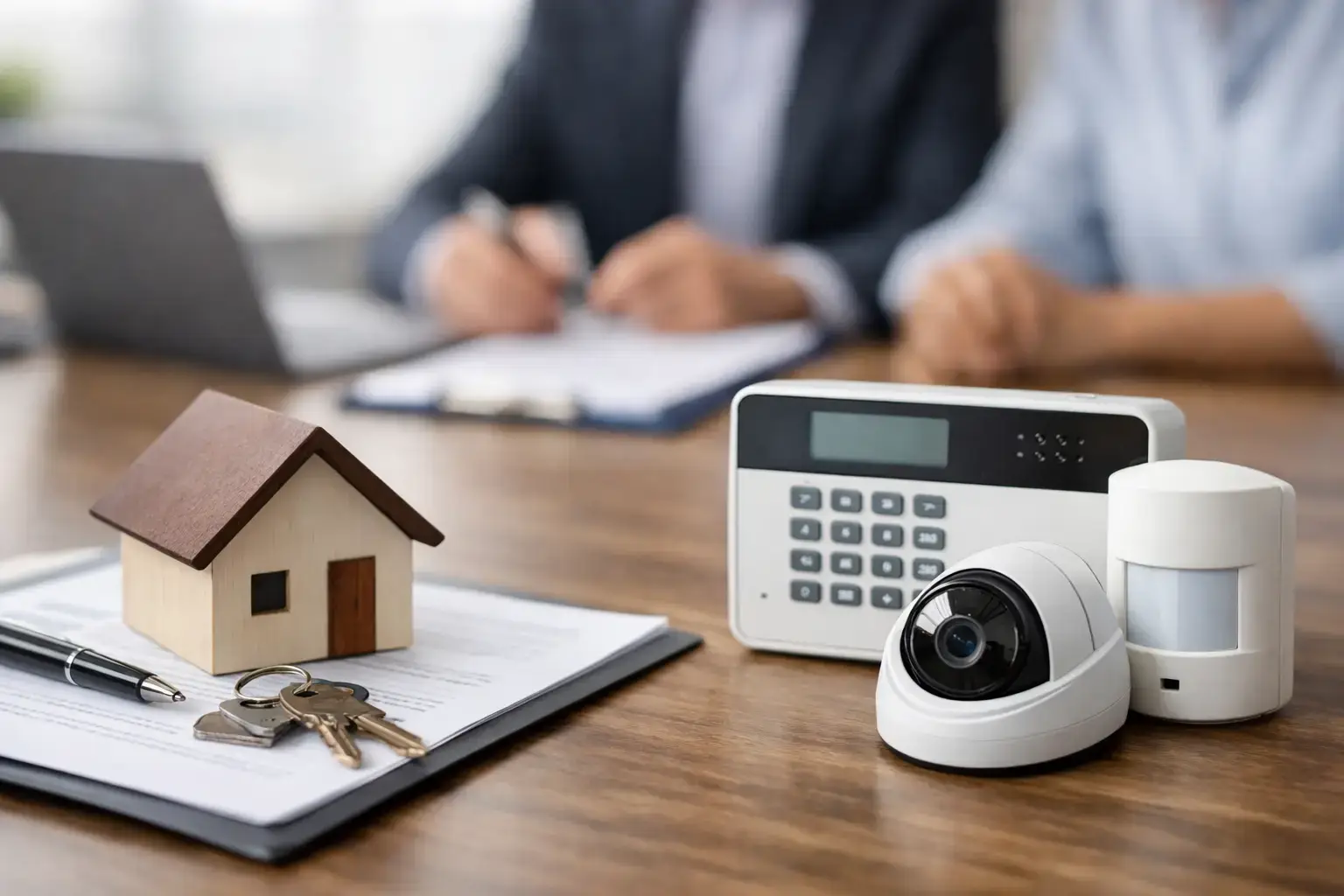
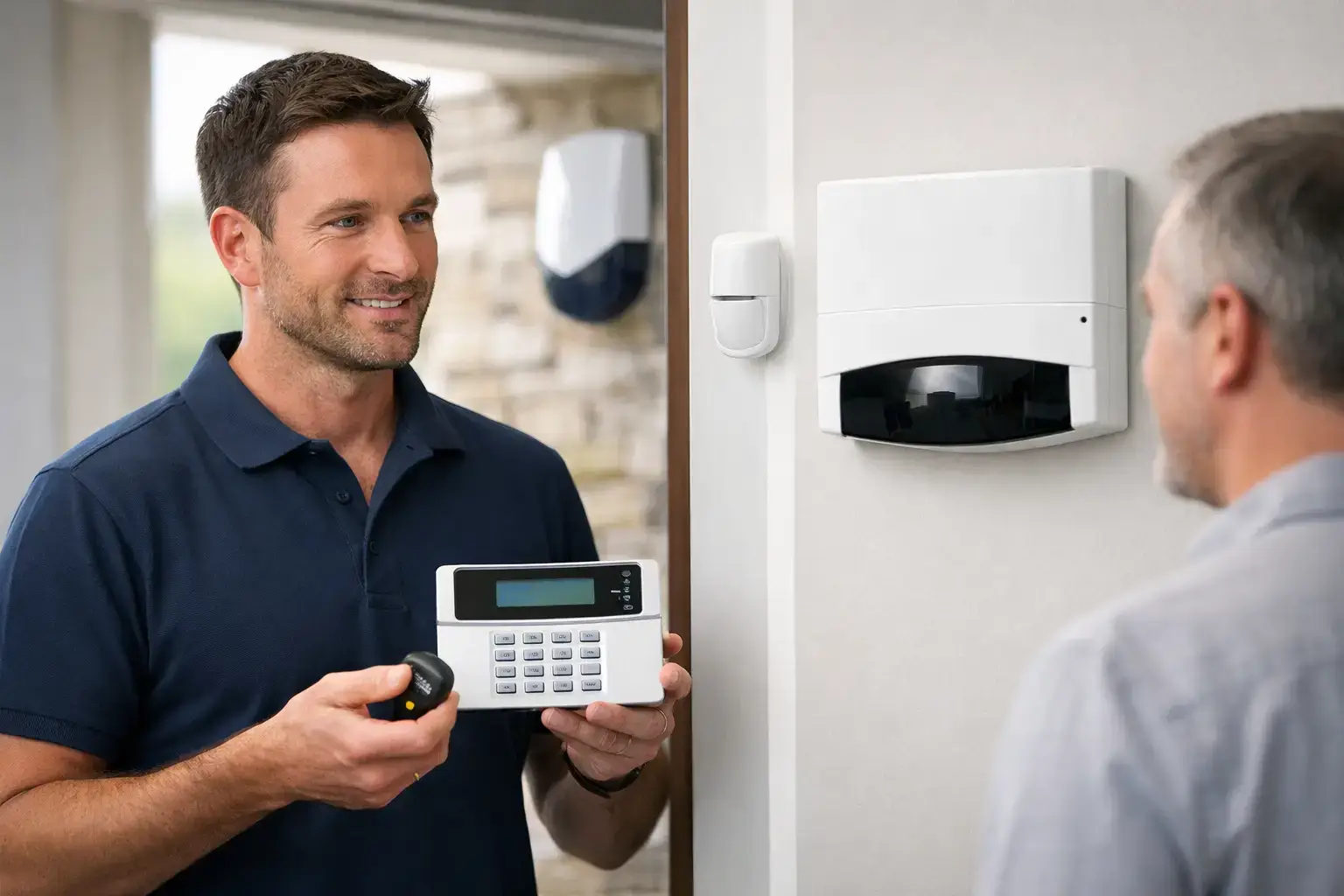
A Texecom Premier Elite installer does far more than fit a control panel and leave you with a keypad on the wall. The quality of the installation affects how reliably your alarm performs, how often you deal with false alarms, how easy the system is to use, and whether it remains suitable as your property or risks change.
For homeowners, landlords and commercial clients alike, that matters. A professionally specified intruder alarm should match the building, the site routine and the level of risk. It should also be installed in a way that supports long-term performance, not just a quick handover on day one.
What a Texecom Premier Elite installer should actually provide
Texecom Premier Elite systems are widely used because they are flexible, scalable and suitable for a broad range of residential and commercial settings. That flexibility is one of their strengths, but it also means the installer needs to know how to configure the system properly for the site in front of them.
A good installer starts with a survey. That means looking at entry points, vulnerable areas, circulation routes, outbuildings, staff access, stock rooms, perimeter risks and user habits. In a house, this may involve setting different protection levels for the ground floor, upstairs areas and garages. In a commercial property, it may involve separate areas for offices, warehousing, plant rooms or customer-facing space.
The right design is rarely the same from one premises to the next. A detached home in Essex, a retail unit in London and a logistics site in the South East may all benefit from the same alarm platform, but the detector choice, zoning structure and user permissions will be very different.
Why installer quality matters with Texecom Premier Elite systems
The term “Texecom Premier Elite installer” can sound like a simple product search, but the real decision is about competence. Premier Elite panels can support a wide range of devices and programming options. That is useful, but only when the system has been planned and commissioned correctly.
Poor installation usually shows up in predictable ways. Detectors are placed badly. Entry and exit routes feel awkward. Users do not understand how to set the system properly. Notifications are confusing. The alarm becomes something people work around rather than rely on.
By contrast, a well-installed system feels straightforward. Users know what each area does, part setting works as expected, and the alarm supports daily routines instead of interrupting them. That applies whether the premises is a family home, a school, a healthcare building or a multi-unit business site.
The survey and design stage
This is where the value of a specialist installer becomes clear. The survey is not there to sell more devices than you need. It is there to determine what level of protection is suitable and how the system should behave in real life.
A proper survey will usually consider the construction of the building, access points, likely attack routes, occupancy patterns and any higher-risk areas such as server rooms, cash handling points, medicine stores or detached offices. If the system needs to satisfy insurer requirements, this stage is even more important.
There are also practical design choices to make. Wired systems can be ideal where cabling routes are accessible and long-term stability is the priority. Wireless devices may be appropriate in finished homes, listed buildings or sites where disruption needs to be kept to a minimum. Neither option is automatically better – it depends on the premises, the budget and the installation constraints.
Choosing the right devices and layout
A Premier Elite system can accommodate different detector types, external sounders, internal warning devices, keypads, communication modules and smart control options. That does not mean every system needs all of them.
In many cases, the strongest design is the one that keeps operation simple. A well-positioned mix of door contacts, motion detectors and appropriately structured zones may be far more effective than an overcomplicated layout that nobody uses properly.
For domestic properties, part set arrangements are often a key consideration. Occupants may want perimeter and ground-floor protection active overnight while retaining free movement upstairs. For commercial sites, area setting can be essential where different teams arrive at different times or some departments remain open later than others.
The installer should explain not only what is being fitted, but why. If a detector is covering a specific approach route, or if one area is programmed separately to reduce user error, that should be made clear during the design stage.
Remote access, signalling and user control
Many clients now expect app control, notifications and remote visibility. Texecom Premier Elite systems can support that, but the details matter. Some users want simple arm and disarm control with alerts to their phone. Others need a more managed signalling setup with monitoring and clear escalation procedures.
This is one area where the right advice prevents disappointment. App access is useful, but it should not be treated as a substitute for a properly designed alarm response strategy. A business owner cannot be expected to manage every incident personally at all hours, and a homeowner may not want the burden of deciding what to do from miles away.
A professional installer will help you decide whether self-management is enough or whether monitored signalling is more appropriate. That depends on occupancy, risk level, insurer requirements and how critical the premises is to your operation.
Compliance, accreditation and insurer acceptance
If you are comparing installers, credentials matter. Intruder alarms are not just another electrical product. In many settings, they form part of a wider risk management and insurance position.
That is why buyers should pay attention to whether the installer works to recognised standards and whether the system can be specified in a way that supports insurer acceptance where required. Commercial clients, landlords and homeowners with high-value properties often need more than a basic alarm package. They need reassurance that the design, installation and maintenance have been handled professionally.
At 247 CCTV, this is where a security partner approach makes a difference. Systems are not treated as one-off product sales. They are surveyed, designed and maintained with long-term dependability in mind, backed by specialist installation experience across homes, businesses and higher-risk premises.
Maintenance is part of the installation decision
One of the most common mistakes is treating installation as the end of the process. In reality, maintenance has a direct effect on reliability. Batteries age, detectors can drift out of tolerance, user needs change and site layouts evolve.
For a commercial property, even a small operational change can affect alarm performance. A stock room becomes an office, a shutter routine changes, or a new access route is introduced. In a home, an extension, garden office or change in occupancy can alter how the system should be set up.
A capable installer should be able to support the system after handover, not just fit it and move on. Ongoing servicing, adjustments and fault response are part of what keeps an alarm dependable over the years.
Questions worth asking before you appoint an installer
It is sensible to ask how the system will be designed for your property, what grade or specification is being proposed, whether remote access is included, how user training will be handled and what maintenance support looks like afterwards. You should also ask what happens if your needs change in six months or two years.
The best answers are usually practical rather than sales-led. You want to hear how the installer assesses risk, how they reduce false alarms, how they structure user access and how they future-proof the system without overengineering it.
Price matters, of course, but alarm systems are a poor place to buy on cost alone. A cheaper installation that creates repeated call-outs, user confusion or gaps in coverage is not actually cheaper once the system is in use.
When a specialist installer is the better choice
For straightforward domestic properties, some buyers assume any alarm installer will do. Sometimes that works out. Sometimes it does not. The more complex the property, the more valuable specialist knowledge becomes.
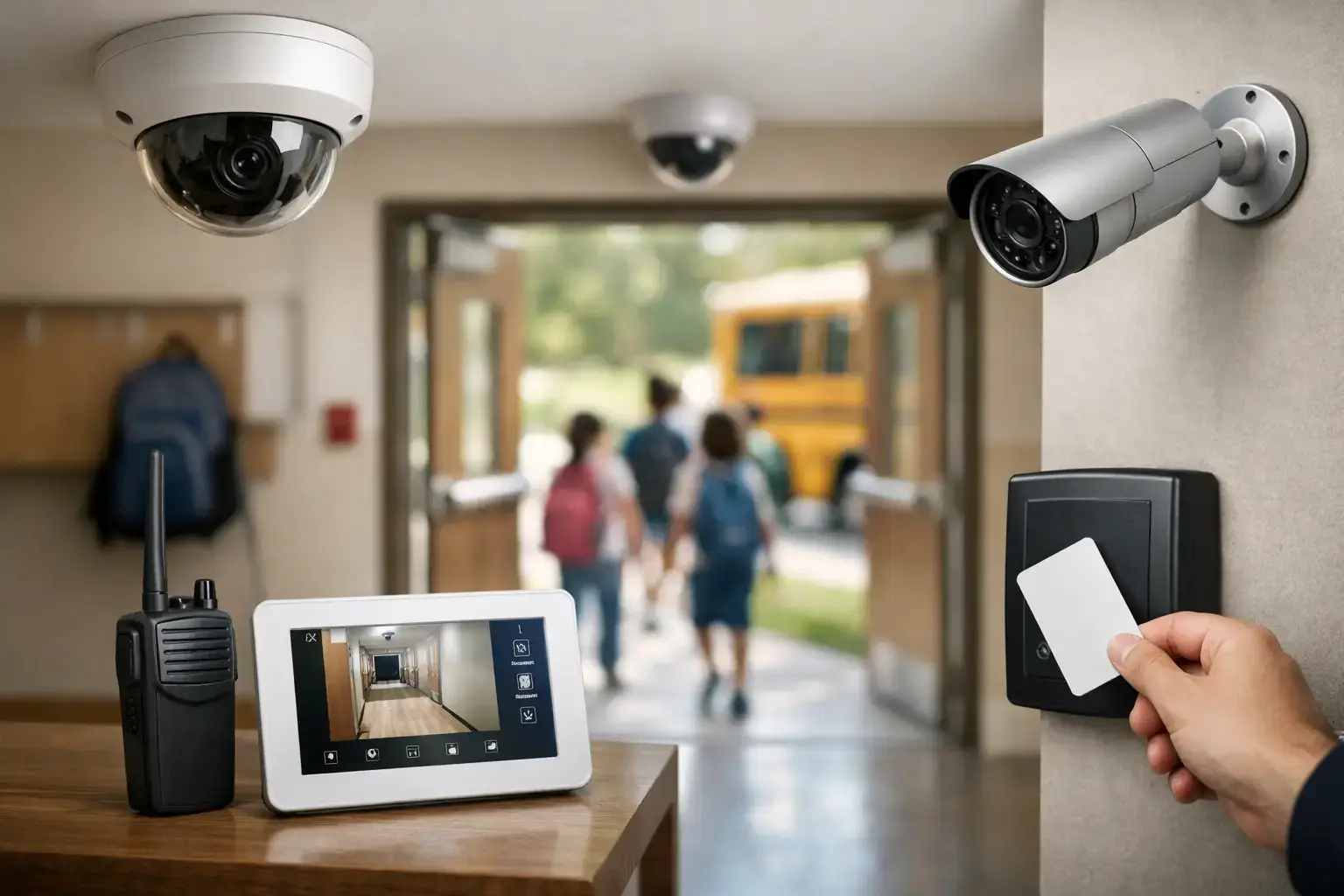
That includes larger homes, multi-storey commercial buildings, schools, warehouses, healthcare settings, mixed-use sites and premises where intruder detection needs to sit alongside CCTV, access control or monitored response. In those environments, installation quality has wider consequences. Security systems need to work together, and decisions made at survey stage can affect everything from daily convenience to incident response.
Choosing a Texecom Premier Elite installer is really about choosing the level of confidence you want once the system is live. A properly designed alarm should feel dependable, easy to manage and suited to the way the building is actually used. If the installer understands that from the start, you are far more likely to end up with a system that continues to protect the property properly long after the installation date.