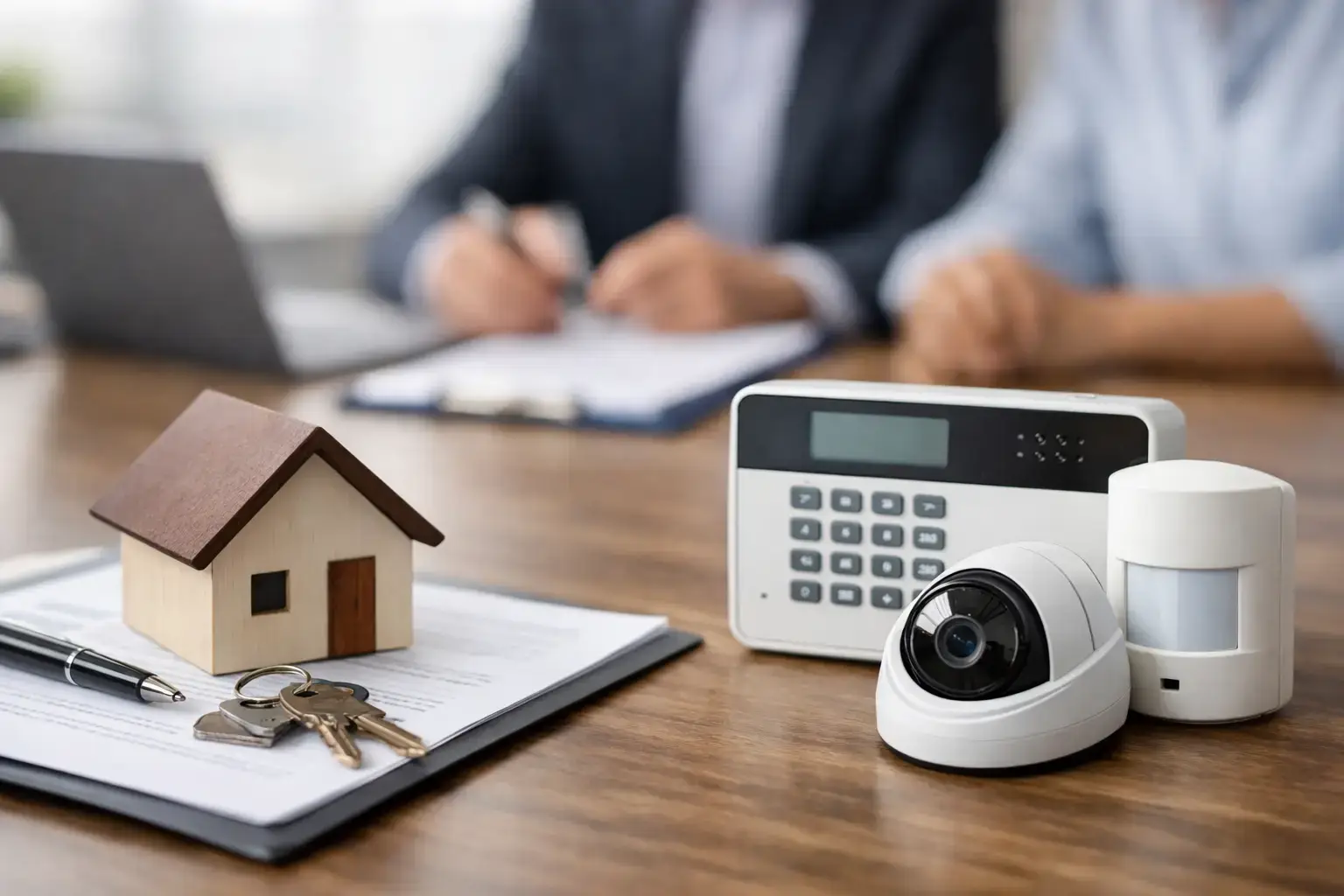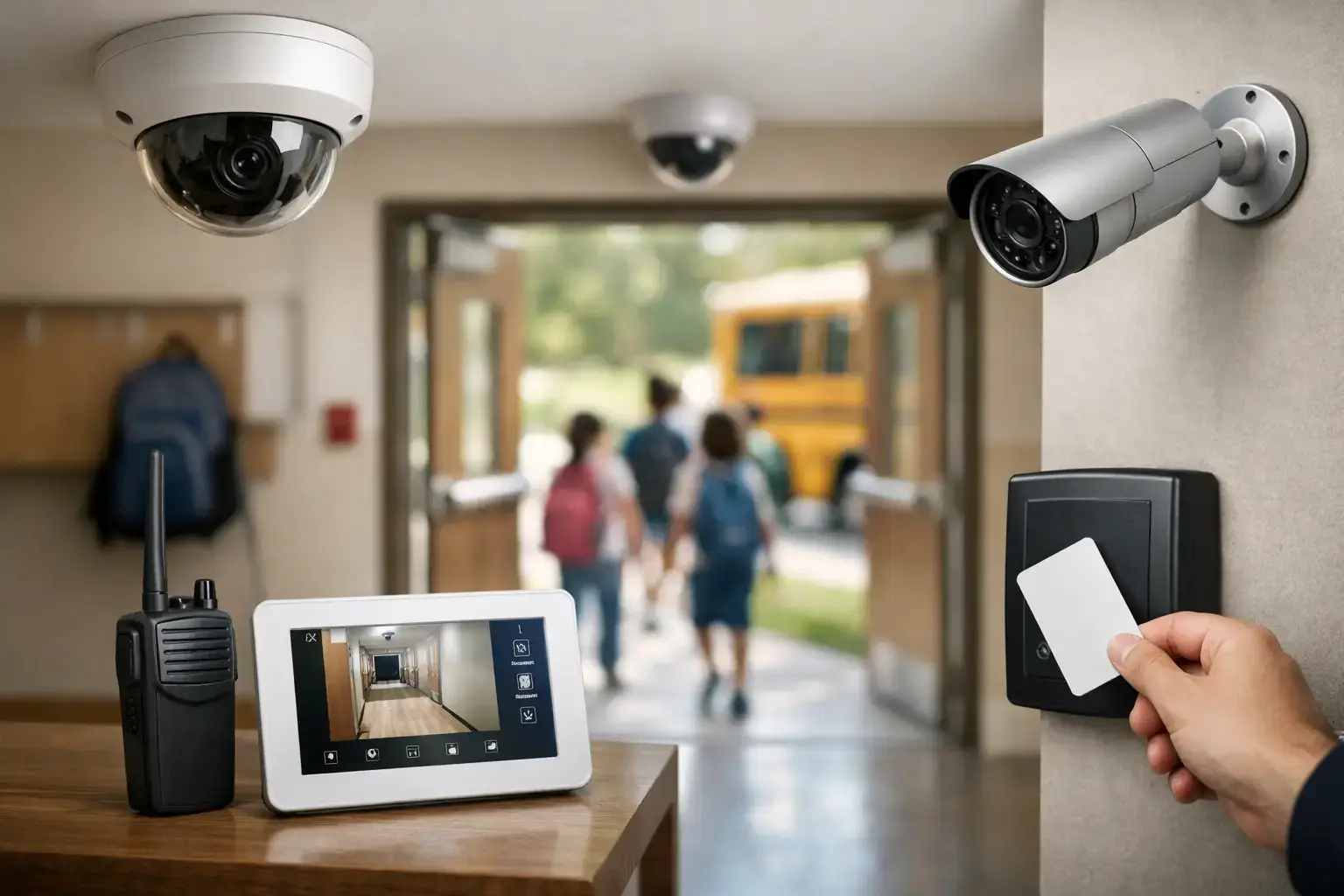
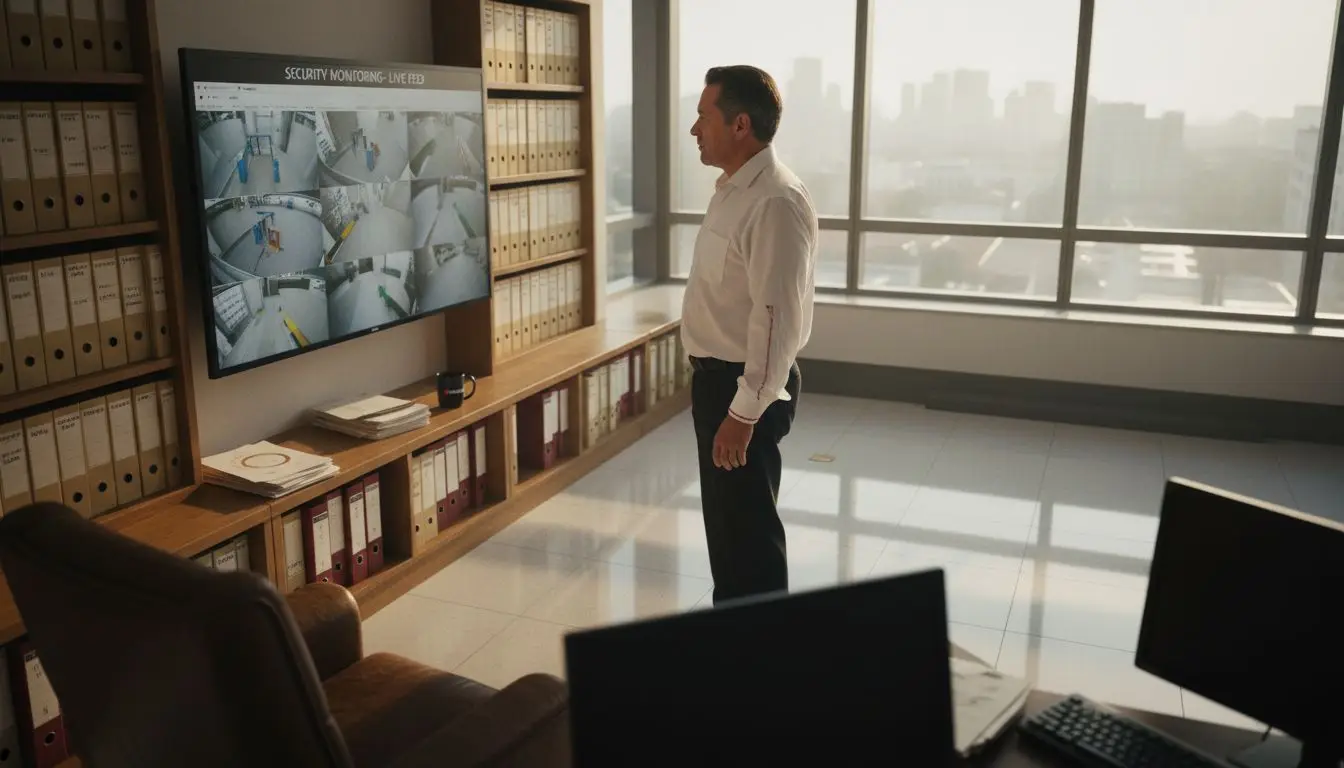
Unexpected security breaches can leave even well-managed commercial sites in Essex and London exposed to unnecessary risk. For Facilities Managers, understanding the real strengths and hidden gaps within your current burglar alarm and CCTV systems is the first step toward security compliance and lasting operational control. This practical guide walks you through proven strategies for robust assessment, precise upgrades, and systematic testing that help build a safer, regulation-aligned environment for your business.
Quick Summary
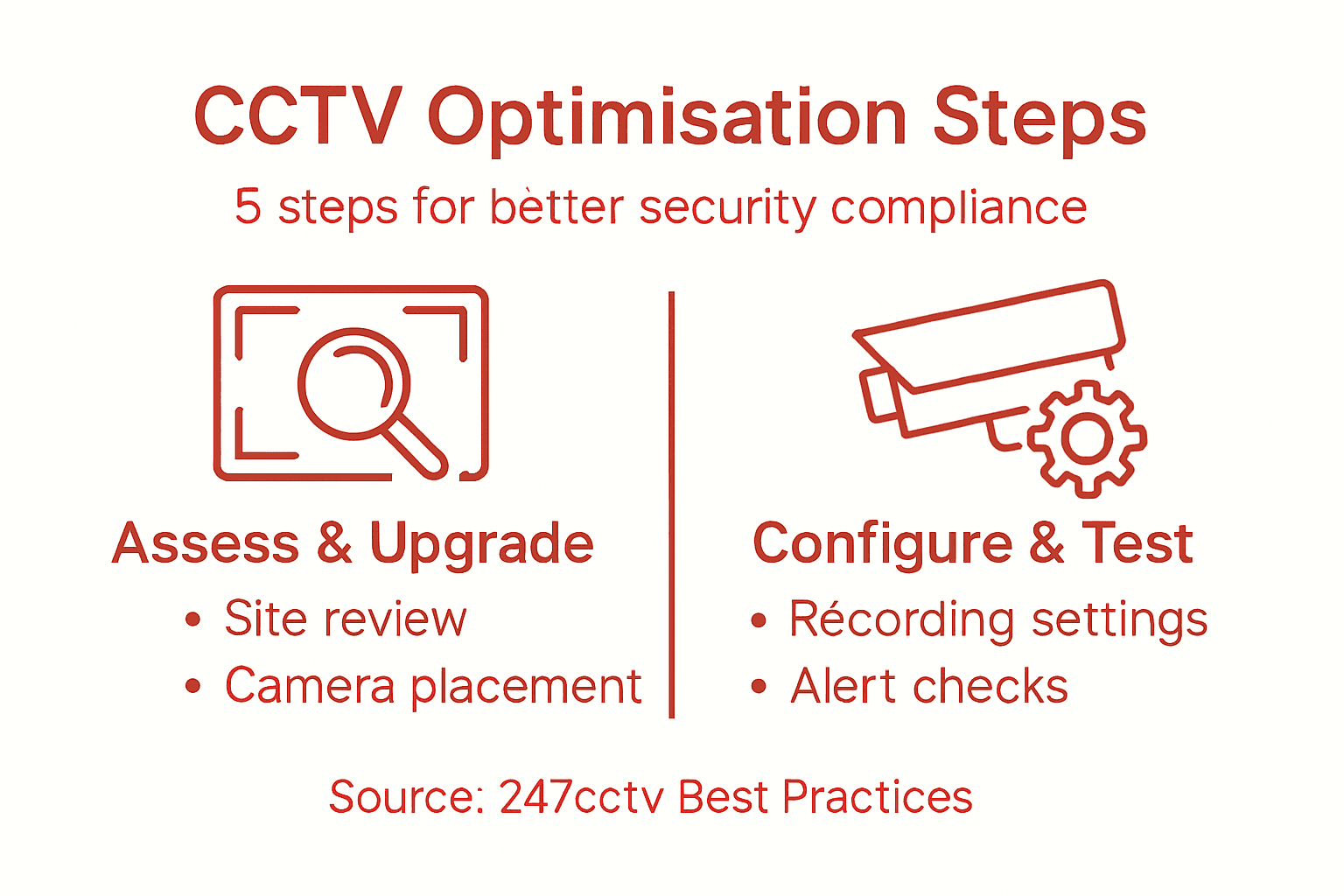
| Key Takeaway | Explanation |
|---|---|
| 1. Assess Your Alarm System | Conduct a thorough evaluation of your burglar alarm system to identify vulnerabilities and areas for improvement. |
| 2. Optimize Camera Placement | Strategically position cameras to cover all potential blind spots, ensuring comprehensive surveillance. |
| 3. Configure Recording Settings | Set optimal parameters for recording quality and storage to maximise evidence capture while managing resources. |
| 4. Establish Monitoring Procedures | Integrate real-time monitoring and alert protocols to transform your security system into an active protection mechanism. |
| 5. Regularly Test Performance | Schedule frequent tests to verify system efficacy, ensuring it adheres to technical and legal requirements. |
Step 1: Assess current Burglar Alarm System and Environment
Assessing your existing security infrastructure is crucial for understanding potential vulnerabilities and establishing a robust protection strategy. This comprehensive evaluation will help you identify strengths, weaknesses, and opportunities for improving your security compliance.
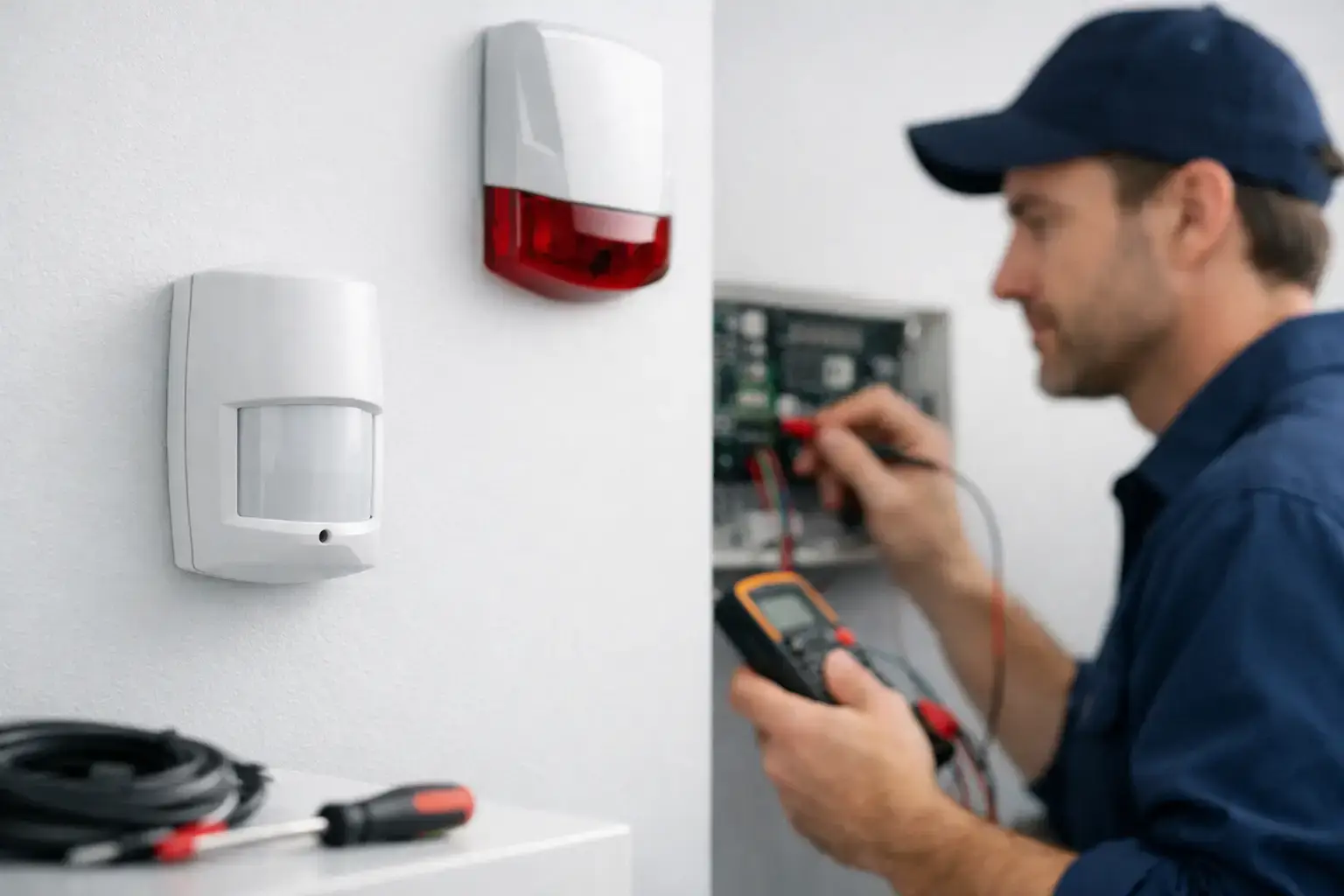
Begin by conducting a detailed physical audit of your current burglar alarm system. This involves systematically reviewing critical components such as:
- Sensor placement and coverage
- Control panel functionality
- Battery and power supply conditions
- Existing communication networks
- Age and technical specifications of installed equipment
Carefully document each component’s performance and potential limitations. Comprehensive security evaluations require meticulous attention to technical and operational details.
Ensure your system complies with current legal frameworks, including UK data protection regulations and surveillance standards. Pay particular attention to:
- Registration of security systems
- Data storage protocols
- Access control mechanisms
- Signage requirements informing individuals about surveillance
Systematic documentation creates a clear roadmap for future security enhancements and ensures regulatory alignment.
Expert Tip: Always maintain a detailed logbook documenting each assessment, recording equipment specifications, performance metrics, and recommended upgrades to create a comprehensive security evolution strategy.
The following table highlights common challenges in burglar alarm system assessments and recommended actions:
| Challenge Identified | Possible Risk | Recommended Action |
|---|---|---|
| Outdated hardware | Reduced detection accuracy | Schedule timely equipment upgrades |
| Poor sensor placement | Vulnerable entry points | Re-evaluate sensor locations |
| Weak access controls | Unauthorised system access | Enhance digital and physical locks |
| Inadequate system documentation | Compliance audit failure | Maintain an updated logbook |
Step 2: Upgrade Camera Placement and Coverage Zones
Upgrading your burglar alarm system’s camera placement is a critical strategy for enhancing overall security effectiveness. By carefully repositioning and optimising your sensors, you can create a comprehensive surveillance network that minimises vulnerabilities and maximises protection.
Strategic camera positioning involves systematically evaluating and improving your current coverage zones. Start by identifying potential blind spots and areas of weak surveillance within your property. Your assessment should focus on several key aspects:
- Entry points such as doors and windows
- High-traffic areas and corridors
- Perimeter boundaries
- Critical infrastructure locations
- Outdoor spaces surrounding the property
When positioning cameras, consider the following strategic guidelines:
- Ensure 50-75% overlap between camera viewing angles
- Mount cameras at optimal heights (typically 2.5-3 metres)
- Protect cameras from direct sunlight and weather conditions
- Angle cameras to capture clear, unobstructed views
Effective camera placement is about creating a comprehensive security ecosystem, not just individual monitoring points.
Additionally, always comply with legal requirements by displaying clear signage indicating surveillance areas and ensuring cameras are positioned to respect individual privacy rights.
Expert Tip: Conduct a comprehensive “walk-through” test after repositioning cameras to verify complete coverage and eliminate potential security gaps.
Step 3: Configure Optimal Recording and Storage Settings
Configuring your burglar alarm system’s recording and storage settings is a critical step in creating an effective security infrastructure. By carefully managing your recording parameters, you can ensure high-quality evidence capture while maintaining efficient data management.
Recording configuration strategies require a balanced approach to image quality and storage capacity. Your primary objectives should focus on preserving critical details while optimising system resources. Consider the following key configuration parameters:
- Frame rate selection
- Video resolution settings
- Compression algorithms
- Storage duration requirements
- Encryption protocols
When establishing your recording settings, implement these strategic guidelines:
- Select resolution between 1080p and 4K for optimal clarity
- Choose frame rates between 15-30 frames per second
- Implement motion-triggered recording to conserve storage
- Use compression techniques that maintain image quality
- Establish automated backup and archiving processes
Effective storage configuration balances evidential quality with practical data management constraints.
Ensure your system complies with data protection regulations by implementing robust access controls and maintaining clear documentation of your storage practices.

Expert Tip: Regularly test and validate your recording and storage settings to guarantee continuous, reliable performance and seamless data retrieval.
Step 4: Integrate Monitoring and Alert Procedures
Integrating robust monitoring and alert procedures is essential for transforming your burglar alarm system from a passive security tool into an active protection mechanism. This step ensures your system can swiftly detect, analyse, and respond to potential security threats.
Continuous monitoring protocols require a comprehensive approach that combines technological capabilities with human expertise. Your monitoring strategy should encompass several critical components:
- Real-time threat detection systems
- Automated alert generation
- Prioritisation of security incidents
- Direct communication channels with authorities
- Comprehensive incident logging
Establish your monitoring framework through these strategic steps:
- Configure intelligent motion detection algorithms
- Set up multi-tier alert escalation procedures
- Define clear response protocols for different threat levels
- Create direct communication links with local law enforcement
- Implement secure digital reporting mechanisms
Effective monitoring transforms your security system from reactive to proactively protective.
Ensure your alert procedures maintain strict compliance with data protection regulations, preserving individual privacy while maintaining robust security standards.
Expert Tip: Conduct quarterly simulated security scenarios to test and refine your monitoring and alert procedures, ensuring continuous improvement and operational readiness.
Step 5: Test System Performance and Security Compliance
Validating your burglar alarm system’s performance is a critical final step that ensures your comprehensive security strategy operates with maximum reliability and effectiveness. By conducting systematic tests, you’ll identify potential vulnerabilities and confirm your system meets both technical and legal requirements.
Performance testing protocols should encompass a comprehensive range of assessments to verify system integrity. Your testing strategy must evaluate multiple dimensions of system functionality:
- Detection accuracy and response times
- Image and recording quality
- Network and communication stability
- Access control mechanisms
- Data protection compliance
Implement a structured testing approach through these strategic steps:
- Conduct simulated security breach scenarios
- Verify sensor and alarm responsiveness
- Test remote monitoring capabilities
- Review data encryption and storage protocols
- Document and analyse test results comprehensively
Rigorous testing transforms potential weaknesses into opportunities for security enhancement.
Ensure your testing processes align with current regulatory standards, maintaining a proactive approach to security system management and continuous improvement.
Expert Tip: Schedule quarterly comprehensive system tests and maintain detailed logs of performance metrics to track your security infrastructure’s evolving capabilities.
The table below provides an overview of performance indicators for a well-tested burglar alarm system:
| Indicator | Description | Ideal Outcome |
|---|---|---|
| Detection responsiveness | Speed of sensor/alarm reaction | Immediate notification |
| Image recording quality | Clarity of recorded footage | High-definition evidence |
| Data protection process | Effectiveness of privacy measures | Full regulatory alignment |
| Remote monitoring access | System accessibility and usability | Seamless remote control |
Maximise Security Compliance with Expert CCTV and Alarm Installation
Optimising your CCTV system for better security compliance can feel overwhelming when considering sensor placement, recording configurations, and continuous monitoring as highlighted in the article. Many businesses and homeowners face challenges like outdated equipment, poor coverage, and complex regulatory demands that put safety and privacy at risk. You deserve a security solution that not only meets but exceeds these critical standards while offering peace of mind.
At 247cctv, we specialise in installing high-quality CCTV, burglar alarms, and access control systems tailored to your unique environment. Our expert team ensures:
- Precisely positioned cameras and sensors for maximum coverage
- Advanced recording settings balanced between quality and storage
- Seamless integration with alert monitoring and rapid response
Discover how our professional installations elevate your security and ensure full compliance with UK regulations today.

Ready to transform your security infrastructure with trusted technology and expert insight? Visit 247cctv now to book a consultation. Take the first step to safeguarding your property confidently and compliantly.
Frequently Asked Questions
How can I assess my existing CCTV system for compliance with current regulations?
Assess your existing CCTV system by conducting a thorough audit of all components, including camera placements, recording settings, and data protection measures. Document any areas where your system may not meet compliance standards and make notes on improvements needed within 30 days.
What steps should I take to optimise camera placement for better security compliance?
To optimise camera placement, ensure there is adequate coverage of all vulnerable areas, such as entry points and high-traffic zones, while maintaining 50-75% overlap between camera views. Reevaluate your current camera locations and adjust them to eliminate blind spots within a week.
How do I establish effective recording and storage settings to comply with regulations?
Establish effective recording and storage settings by selecting a video resolution of at least 1080p and implementing motion-triggered recording to save storage space. Review your current settings and adjust them to ensure you maintain high-quality evidence while conserving data storage within two weeks.
What are best practices for integrating monitoring and alert procedures into my CCTV system?
Best practices for integrating monitoring and alert procedures include configuring intelligent motion detection algorithms and setting up multi-tier alert escalation methods for various threat levels. Implement these procedures within one month to enhance your system’s responsiveness to potential incidents.
How can I test my CCTV system’s performance and ensure continuous compliance?
To test your CCTV system’s performance, conduct regular simulated security breach scenarios while monitoring detection accuracy and image quality. Schedule comprehensive tests every three months to ensure your system operates reliably and complies with legal requirements.
Recommended
- Why Upgrade CCTV – Safety, Laws and Modern Threats – 247 CCTV Security Ltd
- CCTV Compliance 2025 – What Every Care Home and Business Must Know – 247 CCTV Security Ltd
- 7 Essential CCTV Buying Tips for UK Businesses and Homes – 247 CCTV Security Ltd
- Privacy and CCTV: Key Compliance for UK Businesses – 247 CCTV Security Ltd