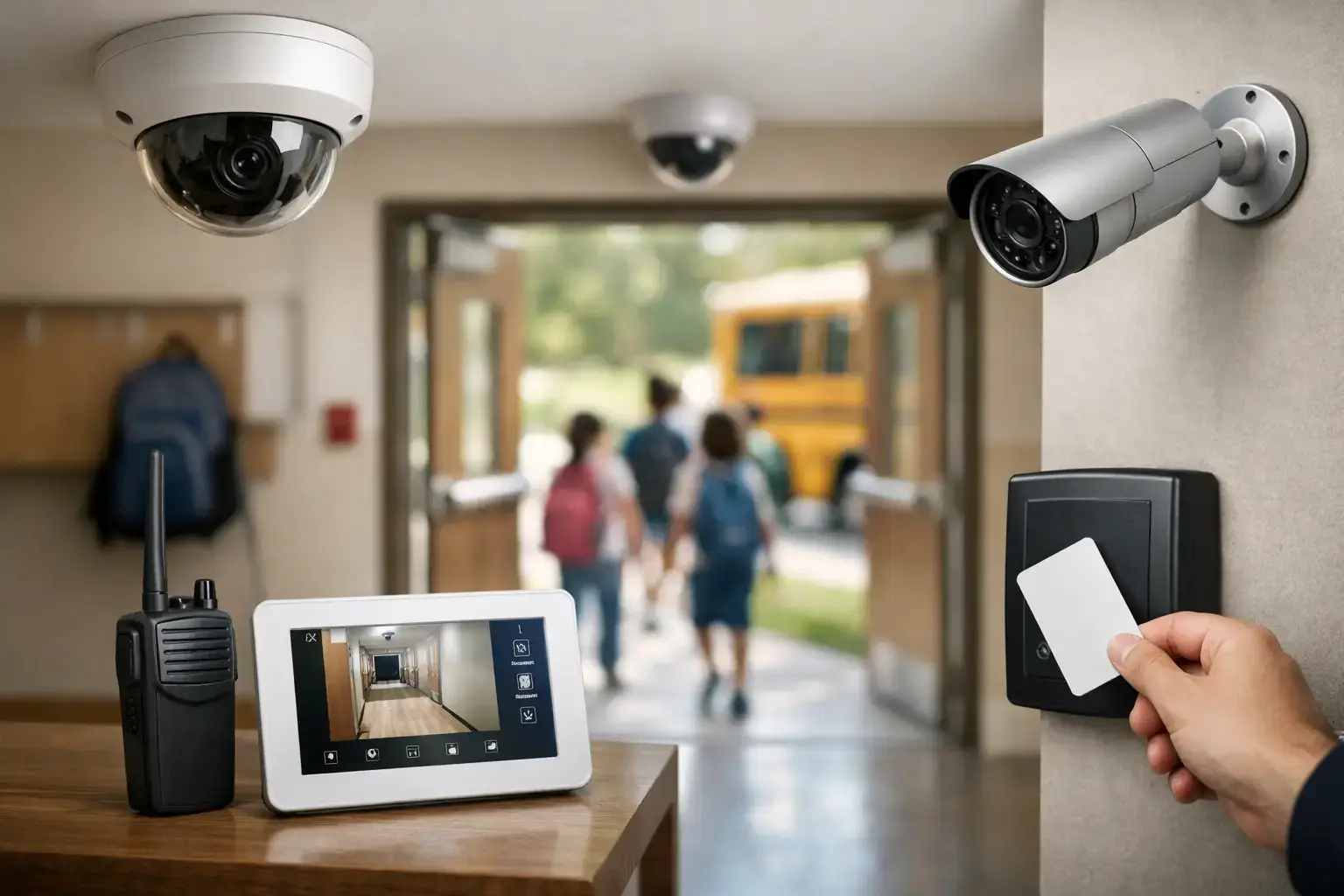
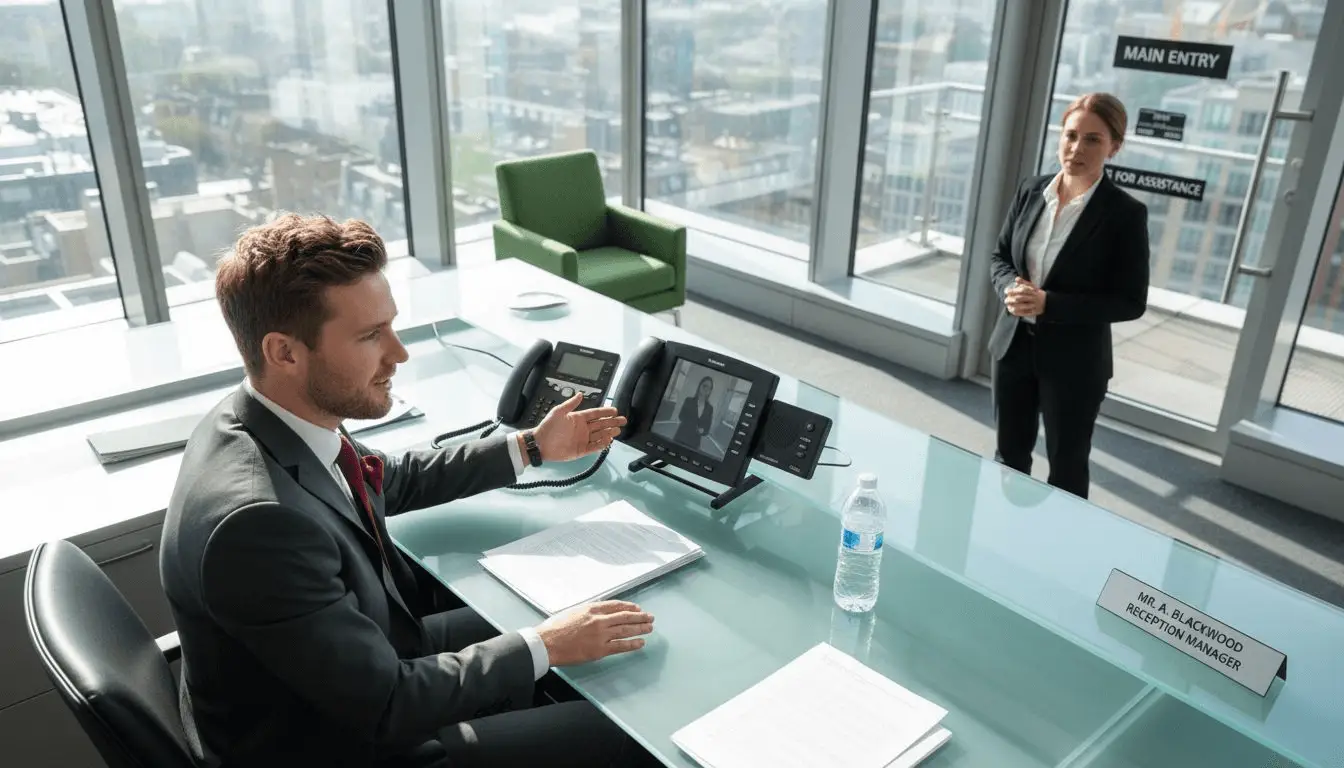
Managing visitor and employee access can quickly become complicated in busy office environments. Balancing convenience and security is a challenge, especially when you want every entry to be safe, efficient, and unobtrusive. The right access solutions can streamline these processes and protect your workplace without creating barriers for guests or staff.
This guide delivers practical methods used in offices across the United Kingdom—from advanced audio systems that enable reliable conversations in noisy spaces, to biometric technologies that provide robust identity verification. You’ll discover actionable strategies that improve safety, simplify reception management, and make visitor handling smoother. Get ready to learn about the latest and most reliable office access tools that can transform how you control who enters your building.
Quick Summary
| Key Message | Explanation |
|---|---|
| 1. Implement Audio Intercom Systems | These systems allow secure communication for visitor management without requiring staff to leave their stations. |
| 2. Adopt Video Door Entry Solutions | Visual verification of visitors increases security, enabling authentication through real-time video footage. |
| 3. Use Keypad Entry Systems | Unique codes for employees regulate access while creating an audit trail for tracking attendance and movement. |
| 4. Integrate Proximity Card Readers | These readers enhance access control, allowing employees to gain entry quickly while tracking their movements efficiently. |
| 5. Explore Smartphone App-Based Entry | Mobile devices can serve as access credentials, enabling real-time management of permissions and enhanced flexibility for administrators. |
1. Audio Intercom Systems for Simple Visitor Access
Audio intercom systems represent a straightforward yet powerful solution for managing visitor access in modern office environments. These communication tools enable smooth, secure interactions between reception staff and incoming visitors without physical proximity.
By implementing an audio communication technology, offices can create a systematic approach to visitor management. The system allows reception personnel to verify visitor identities, provide instructions, and control building entry remotely and efficiently.
Understanding visitor interaction protocols is crucial for effective implementation. Audio intercom systems work by installing wall mounted units near entrance points, connected to internal communication networks. When a visitor arrives, they can press a button triggering an audio connection with reception staff who can then communicate and authorise entry.
Key benefits include enhanced security, reduced manual reception workload, and improved visitor experience. The technology allows for instant communication without requiring staff to leave their workstations, creating a more streamlined entry process.
Top tip: Always ensure your audio intercom system has clear sound quality and background noise reduction capabilities to guarantee effective communication.
2. Video Door Entry for Enhanced Identity Verification
Video door entry systems represent a sophisticated approach to visitor management and security in modern office environments. These advanced technologies go beyond traditional access methods by providing visual confirmation of visitor identities before granting building entry.
Modern offices are increasingly adopting digital identity verification technologies that leverage real-time video capabilities. Such systems enable security personnel to visually inspect and authenticate visitors remotely, reducing potential security risks associated with blind entry protocols.
The mechanism is straightforward yet powerful. When a visitor arrives, they interact with a wall mounted video panel that connects directly to reception or security staff. The system captures live video footage, allowing immediate visual verification of the visitor’s identity and purpose of visit.
By integrating facial recognition technologies, these video door entry solutions provide an additional layer of security. They can cross reference visitor images against pre registered databases, further enhancing workplace safety and access control.
Key advantages include improved security, reduced manual reception workload, comprehensive visitor tracking, and a professional first point of contact for guests and clients.
Pro tip: Always ensure your video door entry system has high resolution cameras and operates effectively under various lighting conditions to guarantee accurate identity verification.
3. Keypad Entry to Control Employee Access
Keypad entry systems represent a sophisticated yet straightforward method of managing workplace access control. These digital security solutions enable organisations to regulate entry points precisely by requiring employees to input a unique numerical code.
Understanding workplace access management strategies is crucial for maintaining organisational security. Keypad systems provide a flexible approach to controlling who enters specific areas within an office environment, allowing administrators to grant or restrict access with simple code configurations.
The fundamental mechanism involves each employee receiving a unique pin code that corresponds to their authorisation level. When an employee approaches a secured entrance, they simply input their specific code into a wall mounted keypad. This process instantly verifies their credentials and permits or denies entry based on predetermined access permissions.
Keypad systems offer multiple advantages beyond basic security. Workplace safety protocols are significantly enhanced by creating a digital trail of entry and exit times. Human resources departments can track employee movements, monitor attendance, and maintain comprehensive security logs without additional administrative burden.
Additional benefits include eliminating physical keys, reducing replacement costs, and providing immediate code cancellation for departing employees or lost credentials.
Pro tip: Regularly rotate employee access codes and implement a systematic code management process to maintain optimal security standards.
4. Proximity Card Readers for Easy Staff Management
Proximity card readers represent a modern solution for seamless employee access management in contemporary office environments. These sophisticated electronic systems enable organisations to control and monitor staff movements with remarkable precision and efficiency.
The technology relies on advanced staff authentication methods that utilise radio frequency identification (RFID) technology embedded within compact plastic cards. When an employee approaches an access point, they simply wave or tap their personalised card near the reader to gain entry.
Each proximity card functions as a unique digital credential, programmed with specific access permissions tailored to individual employee roles. This means different staff members can be granted varying levels of building access depending on their organisational responsibilities.
Beyond basic entry control, these systems offer significant administrative advantages. Workplace resource management becomes significantly more streamlined, with automated tracking of employee attendance, precise time logging, and integration with human resources management software.
Key benefits include reduced administrative overhead, enhanced security protocols, elimination of traditional key management challenges, and the ability to instantly deactivate lost or stolen cards.
Pro tip: Implement a regular card rotation and audit programme to maintain optimal security standards and prevent potential unauthorized access.
5. Smartphone App-Based Entry for Remote Control
Smartphone app-based entry systems represent the cutting edge of modern workplace access management. These innovative solutions transform mobile devices into powerful digital keys, enabling seamless and secure building entry through intuitive smartphone applications.
The core functionality of these systems centres on secure mobile identity verification which allows employees to gain building access without traditional physical credentials. Users simply download a dedicated mobile application, register their unique digital profile, and receive comprehensive access permissions managed directly from their smartphone.
Modern app-based entry technologies integrate multiple sophisticated security features. Biometric authentication such as fingerprint scanning or facial recognition provides an additional layer of protection, ensuring that only authorised personnel can utilise the digital access credentials.
These smartphone solutions offer unprecedented flexibility for organisations. Administrators can instantly grant or revoke access permissions, track entry logs, and manage security protocols remotely through comprehensive digital access management platforms.
Key advantages include enhanced security, reduced administrative overhead, elimination of physical access cards, and the ability to manage access permissions in real time from anywhere with an internet connection.
Pro tip: Implement a robust mobile device management strategy alongside your smartphone entry system to maintain optimal security and prevent potential unauthorized access.
6. Biometric Solutions for High Security Areas
Biometric solutions represent the pinnacle of advanced security technologies for protecting sensitive workplace environments. These sophisticated systems utilise unique human physiological characteristics to provide unparalleled access control and identity verification.
Modern biometric technologies encompass multiple identification methods including fingerprint scanning, facial recognition, iris mapping, and advanced multimodal biometric systems. Each method offers distinct advantages for verifying individual identity with exceptional precision.
Fingerprint scanners analyse the intricate patterns of ridges and valleys unique to each person. Facial recognition technologies map facial features using complex algorithmic techniques. Iris scanning examines the complex patterns within an individual’s eye which remain consistent throughout their lifetime.
These systems provide significant security advantages over traditional access methods. Unlike physical access cards which can be lost or stolen, biometric identifiers cannot be duplicated or transferred. They create an immutable digital record of entry and exit movements, enabling comprehensive audit trails for high security workplace environments.
Organisations can implement these technologies across various secure zones including server rooms, research laboratories, financial departments, and other areas requiring stringent access restrictions.
Pro tip: Implement a comprehensive staff training programme to ensure smooth adoption and understanding of biometric security protocols.
7. Integrated Door Systems for Full Site Compliance
Integrated door systems represent a comprehensive approach to managing building security, access control, and regulatory compliance. These sophisticated solutions combine multiple technologies to create seamless, safe, and intelligent entry management across entire organisational premises.
Modern integrated systems incorporate advanced hardware including electronic door controllers, touchless exit devices, emergency override mechanisms, and intelligent wiring infrastructure. Fire safety compliance regulations require these systems to meet stringent safety standards for public and commercial buildings.
The core functionality involves synchronising access control technologies with building management systems. This enables real time monitoring of entry points, automatic logging of personnel movements, and instant response capabilities during security incidents or emergency scenarios.
Key components typically include networked door locks, biometric scanners, emergency release buttons, fire rated self closing doors, and centralised management software that provides comprehensive oversight of all entry points.
Comprehensive access control technologies ensure organisations can maintain precise control over who enters specific areas, when they enter, and create detailed audit trails for compliance and security purposes.
Pro tip: Conduct regular system audits and maintain detailed documentation to ensure your integrated door system remains compliant with current safety regulations.
Below is a comprehensive table summarising the various visitor and workplace access systems discussed in the article, along with their features and benefits.
| System Type | Description | Key Benefits |
|---|---|---|
| Audio Intercom | Provides audio communication with reception staff for verifying visitor identities and granting access remotely. | Enhanced security, reduced reception workload, streamlined entry process. |
| Video Door Entry | Combines visual identification with audio communication for visitor authentication. | Improved security, visual verification, professional visitor experience. |
| Keypad Entry | Utilises unique employee PIN codes for precise control of workplace access. | Security, digital access logs, flexible access permissions. |
| Proximity Card Readers | Uses RFID-enabled cards for convenient employee access control. | Precise access management, reduced administrative overhead, immediate access revocation. |
| Smartphone App-Based Entry | Employs mobile applications for digital identity verification and remote access control. | Enhanced flexibility, biometric security features, real-time access updates. |
| Biometric Solutions | Integrates physiological characteristics like fingerprint or iris scanning for identity verification. | Unparalleled security, immutable access records, suitable for high-security areas. |
| Integrated Door Systems | Incorporates multiple technologies within a unified access and compliance management system. | Comprehensive entry control, compliance with safety regulations, emergency response capabilities. |
Upgrade Your Office Security with Expert Door Entry Solutions
Managing office access securely and efficiently is a challenge every business faces. This article highlights essential door entry methods like audio intercoms, video verification, keypad codes and biometric systems that streamline visitor and staff management. If you want to eliminate security worries and improve your workplace safety, implementing these technologies is crucial.
At 247cctv.co.uk, we understand the pain points of unreliable visitor screening and complicated employee entry controls. Our expert team specialises in installing advanced door entry and access control systems tailored to your office needs. Whether you require integrated biometric scanners or smartphone app-based access, we provide robust solutions that minimise manual workload and enhance security.
Discover how our trusted security installation service can help you achieve seamless access management with top-quality equipment and professional support. Don’t leave your office security to chance.
Take control of your building entry today. Visit 247 CCTV for a comprehensive range of door entry systems and find out how we can safeguard your workplace. Explore our solutions now and secure your office with confidence.
Frequently Asked Questions
What are the key benefits of using audio intercom systems for visitor access in offices?
Audio intercom systems enhance security by allowing reception staff to verify visitor identities before granting entry. Implementing these systems can reduce reception workload and improve visitor experience with streamlined communication, enabling quick decision-making on entry permissions.
How does a video door entry system improve identity verification for office visitors?
A video door entry system provides visual confirmation of a visitor’s identity, allowing security personnel to authenticate them before granting access. By integrating technologies like facial recognition, these systems significantly enhance workplace security and ensure only authorised personnel enter the premises.
What are the advantages of using keypad entry systems for managing employee access?
Keypad entry systems allow organisations to regulate access points using unique numerical codes for each employee. This method is flexible and offers a detailed digital trail of entry and exit times, enhancing workplace safety and simplifying administration tasks like attendance tracking.
How do proximity card readers work in controlling staff movements within an office?
Proximity card readers enable staff to gain entry by simply waving or tapping their personalised RFID cards near the reader. This technology simplifies access management by allowing administrators to set specific access permissions for different roles, enhancing overall security and tracking of attendance.
What are the benefits of smartphone app-based entry systems in offices?
Smartphone app-based entry systems transform mobile devices into digital keys, allowing employees to access buildings securely without physical cards. These systems enhance flexibility, as administrators can instantly manage access permissions and track entry logs remotely through an intuitive mobile application.
Why should organisations consider biometric solutions for high-security areas?
Biometric solutions utilise unique physiological characteristics for identity verification, making them extremely secure and difficult to duplicate. Implementing these systems in sensitive areas ensures comprehensive audit trails of entry and exit movements, significantly bolstering overall workplace security.
Recommended
- The Door Entry Systems in Essex | 247 CCTV Systems
- The Door Entry Systems in Essex | 247 CCTV Systems
- Integrating Access Control Systems Seamlessly into Your Workplace – 247 CCTV Security Ltd
- Integrating Access Control Systems Seamlessly into Your Workplace – 247 CCTV Security Ltd
- Private Office Definition: Enhancing Productivity in Amarillo — Union Hall Workspace