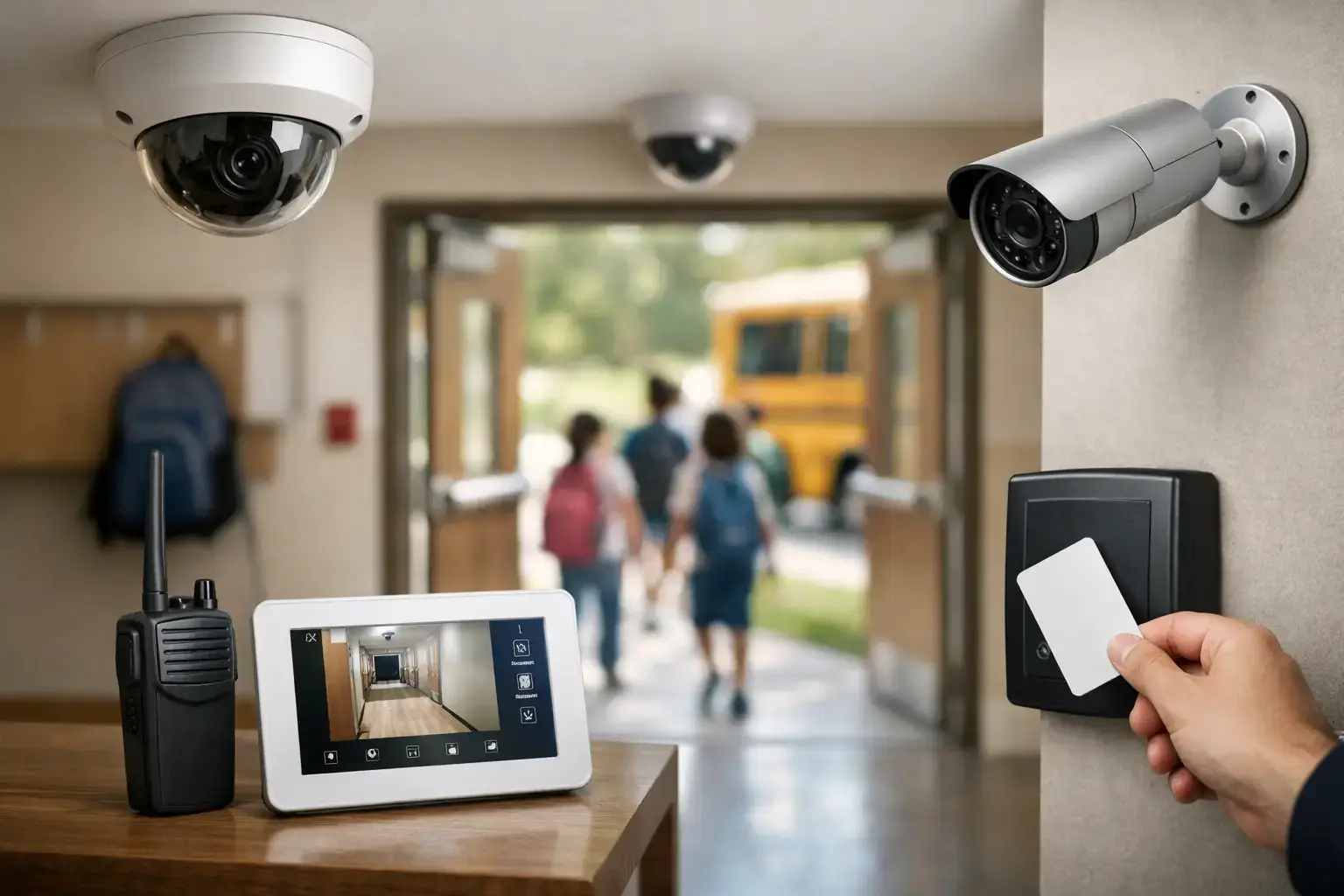

More than eighty percent of British businesses now rely on CCTV networks to protect their property and data. With evolving threats and strict laws in the United Kingdom, understanding network security is more important than ever. This guide explains how modern CCTV systems combine advanced technology, legal compliance, and intelligent monitoring to provide real protection for British organisations and homeowners.
Key Takeaways
| Point | Details |
|---|---|
| Integrated Network Security | Modern alarm systems employ interconnected sensors and real-time alerts to proactively detect and respond to threats. |
| Diverse CCTV Systems | CCTV networks are classified into Analogue, Digital, and Hybrid systems, each offering distinct advantages for security management. |
| Legal Compliance | Adherence to the Data Protection Act 2018 and GDPR is essential for responsible CCTV deployment, ensuring privacy rights are respected. |
| Holistic Risk Mitigation | Combining technological solutions with robust practices, organisations can significantly reduce vulnerabilities to both cyber and physical threats. |
Defining CCTV Network Security in Practice
Burglar alarm systems represent a sophisticated technological approach to protecting physical spaces, integrating advanced sensors, communication protocols, and intelligent response mechanisms. Modern security solutions like the Hikvision AX Pro transform traditional alarm concepts into comprehensive protection networks that go far beyond simple intrusion detection.
Network Security in alarm systems means creating an interconnected ecosystem of sensors, control panels, and monitoring platforms designed to detect, analyse, and respond to potential security threats. These systems utilise multiple layers of protection, including:
- Perimeter sensors detecting initial breaches
- Interior motion detection zones
- Smart communication protocols
- Real-time alerts and notifications
- Remote monitoring capabilities
The National Protective Security Authority emphasises that effective security systems must integrate seamlessly with existing infrastructure while providing intelligent, adaptive protection. Professional systems like the RISCO LightSYS+ and Texecom Premier Elite demonstrate this principle by offering modular designs that can be customised for specific business or residential environments.
Understanding network security requires recognising that modern alarm systems are not just reactive tools but proactive defence mechanisms. They collect and analyse data continuously, identifying potential vulnerabilities before they become critical security risks. By combining sophisticated hardware with intelligent software, these systems provide comprehensive protection that adapts to changing threat landscapes and organisational needs.
Types of CCTV Systems and Network Designs
The landscape of modern security systems encompasses diverse network designs that cater to different business and residential requirements. University research on surveillance technologies reveals multiple categories of CCTV systems, each with distinct architectural approaches and technological capabilities.
Network Security Systems can be broadly classified into three primary configurations:
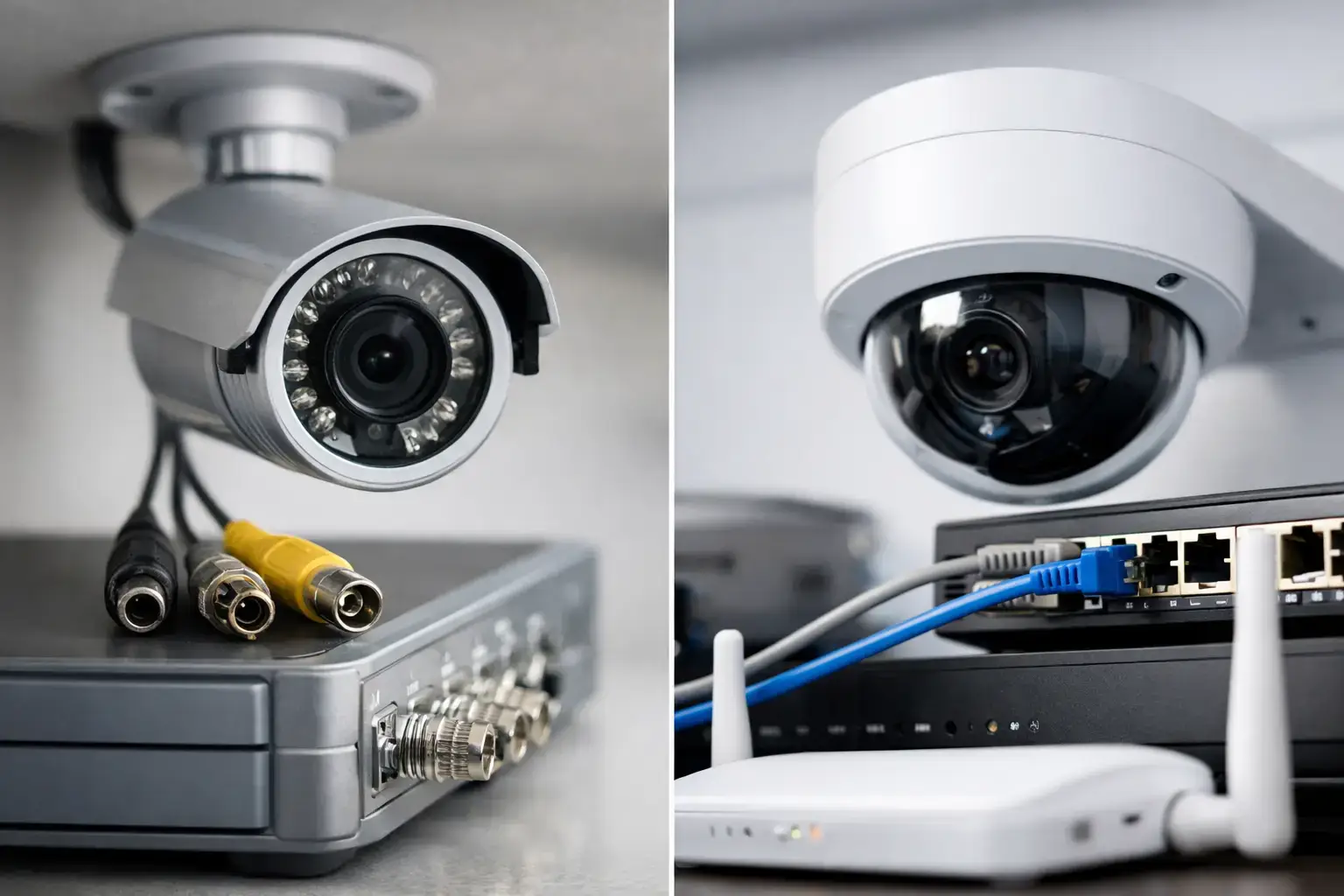
- Analogue Systems: Traditional surveillance networks using coaxial cable connections
- Digital Systems: IP-based cameras transmitting data through internet protocols
- Hybrid Systems: Combining analogue and digital technologies for flexible deployment
The types of security cameras play a crucial role in determining network design, with each configuration offering unique advantages. Digital systems, for instance, provide superior image resolution and easier remote access compared to traditional analogue setups. These networked solutions enable advanced features like real-time monitoring, cloud storage, and intelligent analytics.

Advanced network designs now incorporate sophisticated communication protocols that transform CCTV from passive recording tools into proactive security platforms. By integrating machine learning algorithms and intelligent data processing, modern systems can detect anomalies, track movement patterns, and generate predictive insights. This technological evolution means security networks are no longer just observational tools but comprehensive risk management solutions that adapt to dynamic environmental challenges.
How Modern CCTV Networks Operate
Modern CCTV networks represent complex technological ecosystems that transform raw visual data into intelligent security solutions. How CCTV works involves sophisticated communication protocols that enable comprehensive surveillance and threat detection across multiple environments.
The operational architecture of contemporary security networks typically encompasses several critical components:
Network Infrastructure
- Ethernet and fibre optic connectivity
- Cloud-based storage systems
- Secure data transmission protocols
Processing Systems
- Edge computing devices
- Centralised monitoring platforms
- Artificial intelligence analytics engines
Communication Mechanisms
- Real-time data streaming
- Automated alert generation
- Integrated reporting systems
These networks leverage advanced technologies to provide more than simple visual recording. Intelligent algorithms can now distinguish between routine movements and potential security threats, triggering immediate responses such as alerts, recording enhanced footage, or interfacing with additional security systems.
Critical to understanding modern CCTV operations is recognising their transformation from passive observation tools to active security management platforms. By integrating machine learning, predictive analytics, and instantaneous communication protocols, these networks offer unprecedented levels of situational awareness and proactive threat mitigation for businesses and residential properties alike.
UK Laws and Data Protection for CCTV
Navigating the complex landscape of legal requirements for CCTV deployment demands a nuanced understanding of CCTV regulations that protect both organisational interests and individual privacy rights. The regulatory framework in the United Kingdom establishes clear guidelines for responsible surveillance system implementation.
The Key Legal Considerations for CCTV networks include:
- Compliance with Data Protection Act 2018
- Adherence to General Data Protection Regulation (GDPR)
- Strict protocols for data collection and storage
- Transparent communication about surveillance purposes
- Minimising unnecessary personal data capture
The UK government’s Surveillance Camera Code of Practice emphasises several critical principles for responsible system operation. These include maintaining clear accountability, ensuring data proportionality, and implementing robust mechanisms for protecting captured information from unauthorised access or misuse.
Organisations must develop comprehensive strategies that balance security requirements with legal obligations. This involves creating detailed documentation explaining camera placement, data retention periods, and access protocols. By proactively addressing potential privacy concerns and maintaining transparent operational standards, businesses can effectively utilise CCTV technology while remaining fully compliant with stringent UK data protection regulations.
Security Threats and Common Vulnerabilities
Modern security systems face an increasingly sophisticated landscape of digital and physical threats that demand comprehensive protection strategies. Uncovering hidden risks requires understanding the multifaceted nature of potential security breaches across technological and human domains.
Primary Security Vulnerabilities include:
Network Infrastructure Weaknesses
- Unencrypted data transmission
- Weak authentication protocols
- Inadequate network segmentation
Hardware Vulnerabilities
- Outdated firmware and software
- Physical tampering risks
- Unsecured camera positioning
Human Factor Risks
- Social engineering attacks
- Inadequate staff training
- Poor password management
Cybercriminals continuously evolve their tactics, targeting vulnerabilities in communication protocols, hardware configurations, and human behaviour. Sophisticated attackers can exploit even minor system weaknesses, potentially gaining unauthorised access to critical surveillance infrastructure.
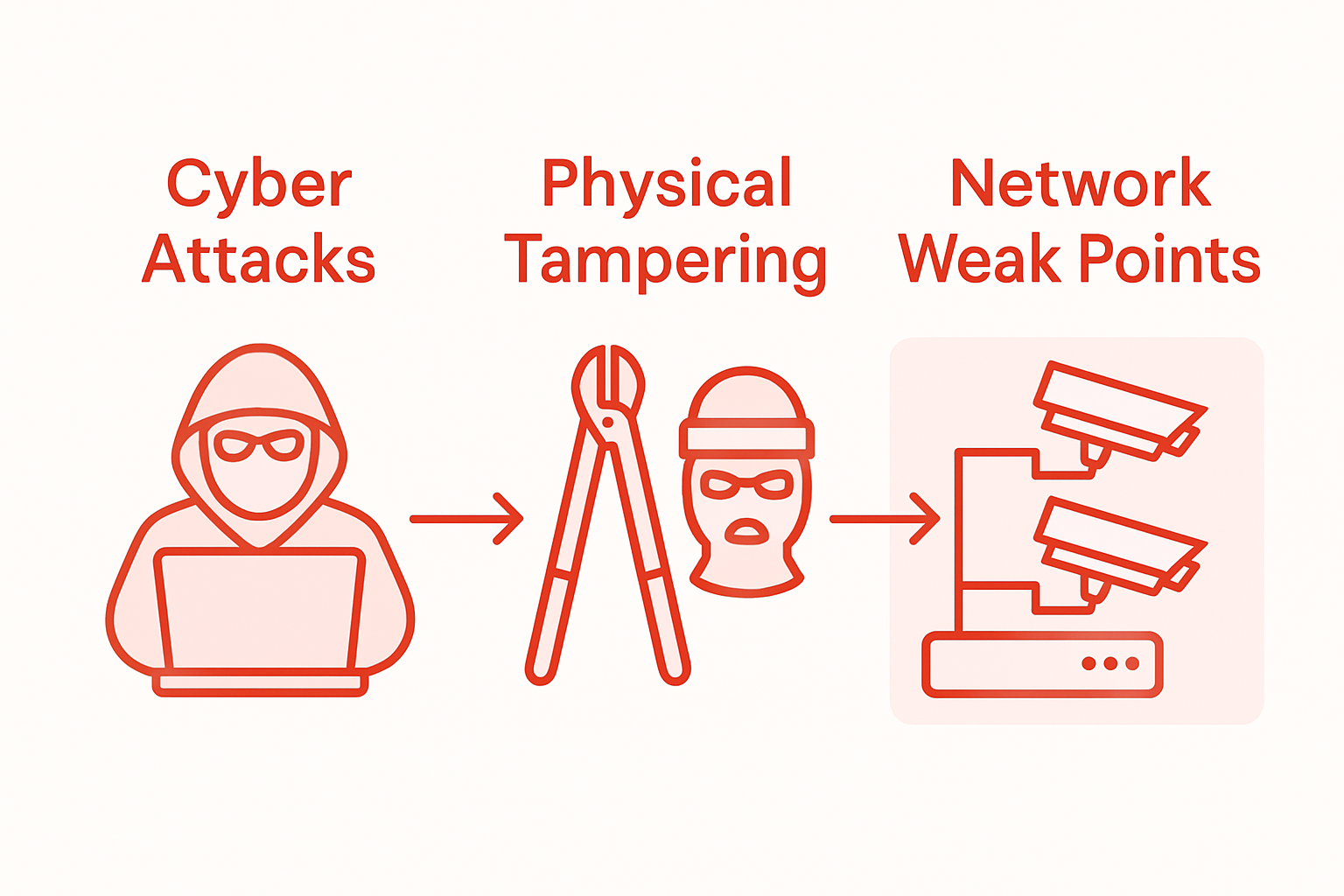
Mitigating these risks demands a holistic approach that combines technological solutions with robust organisational practices. This includes regular security audits, continuous staff training, implementing multi-factor authentication, and maintaining up-to-date firmware across all network components. By adopting a proactive and comprehensive security strategy, organisations can significantly reduce their exposure to potential breaches and protect their critical assets effectively.
Best Practices and Compliance for Property Owners
Property owners must navigate a complex landscape of security requirements that balance technological effectiveness with legal compliance. Crime reduction strategies demand a proactive and systematic approach to implementing security infrastructure that protects both physical assets and individual privacy rights.
Key Compliance Considerations for property owners include:
Legal Framework
- Adherence to Data Protection Act 2018
- Compliance with GDPR regulations
- Transparent surveillance signage
System Management
- Regular security audits
- Comprehensive maintenance protocols
- Secure data storage procedures
Operational Best Practices
- Clear purpose limitation
- Minimal data collection
- Restricted access to surveillance footage
The College of Policing emphasises that effective security goes beyond mere installation. Successful implementations require ongoing monitoring, strategic camera positioning, and a thorough understanding of legal boundaries. Property owners must develop comprehensive documentation explaining the rationale behind surveillance, ensuring that each camera serves a specific, justifiable security objective.
Effective compliance is not about rigid adherence to rules, but creating a flexible security ecosystem that adapts to changing threats while respecting individual privacy. This means implementing intelligent systems that can distinguish between routine activities and genuine security risks, maintaining a delicate balance between protection and personal freedoms.
Secure Your Business and Home Today with Expert CCTV Network Solutions
The article highlights how sophisticated CCTV network security is key to protecting your property against evolving threats. Challenges such as outdated infrastructure, weak authentication, and compliance with UK data protection laws can leave your business or home vulnerable. You need a security solution that offers intelligent, adaptive protection combined with seamless integration and robust legal compliance.

Discover how professional installation of CCTV, burglar alarms, and access control systems from https://www.247cctv.co.uk/ can safeguard your premises. Our tailored security networks ensure real-time monitoring, encrypted data transmission, and compliance with the latest regulations. Take control of your safety now by visiting our site to explore trusted solutions that match your security needs. Protect what matters most with expert guidance and reliable technology from 247 CCTV.
Frequently Asked Questions
What is CCTV network security?
CCTV network security refers to the integration of interconnected surveillance cameras, sensors, and monitoring systems designed to detect and respond to security threats. These systems provide proactive protection by analysing data and identifying vulnerabilities.
What are the main types of CCTV systems?
There are three primary types of CCTV systems: analogue systems, which use coaxial cable connections; digital systems, which employ IP-based cameras for data transmission; and hybrid systems that combine both analogue and digital technologies for flexibility in deployment.
How do modern CCTV networks operate?
Modern CCTV networks leverage advanced technologies such as cloud storage, artificial intelligence, and real-time communication protocols. They convert raw visual data into actionable insights, detecting anomalies and responding to potential security threats in real-time.
What legal considerations should I be aware of when installing CCTV?
When installing CCTV, it is essential to comply with the Data Protection Act 2018 and GDPR regulations. This includes ensuring transparent communication about surveillance purposes, minimising personal data capture, and maintaining strict protocols for data storage and access.
Recommended
- Why Businesses Need CCTV: Complete Guide for 2025 – 247 CCTV Security Ltd
- 7 Essential CCTV Buying Tips for UK Businesses and Homes – 247 CCTV Security Ltd
- CCTV Remote Viewing: Complete Guide for UK Businesses – 247 CCTV Security Ltd
- CCTV Remote Viewing Setup Guide for UK Businesses – 247 CCTV Security Ltd