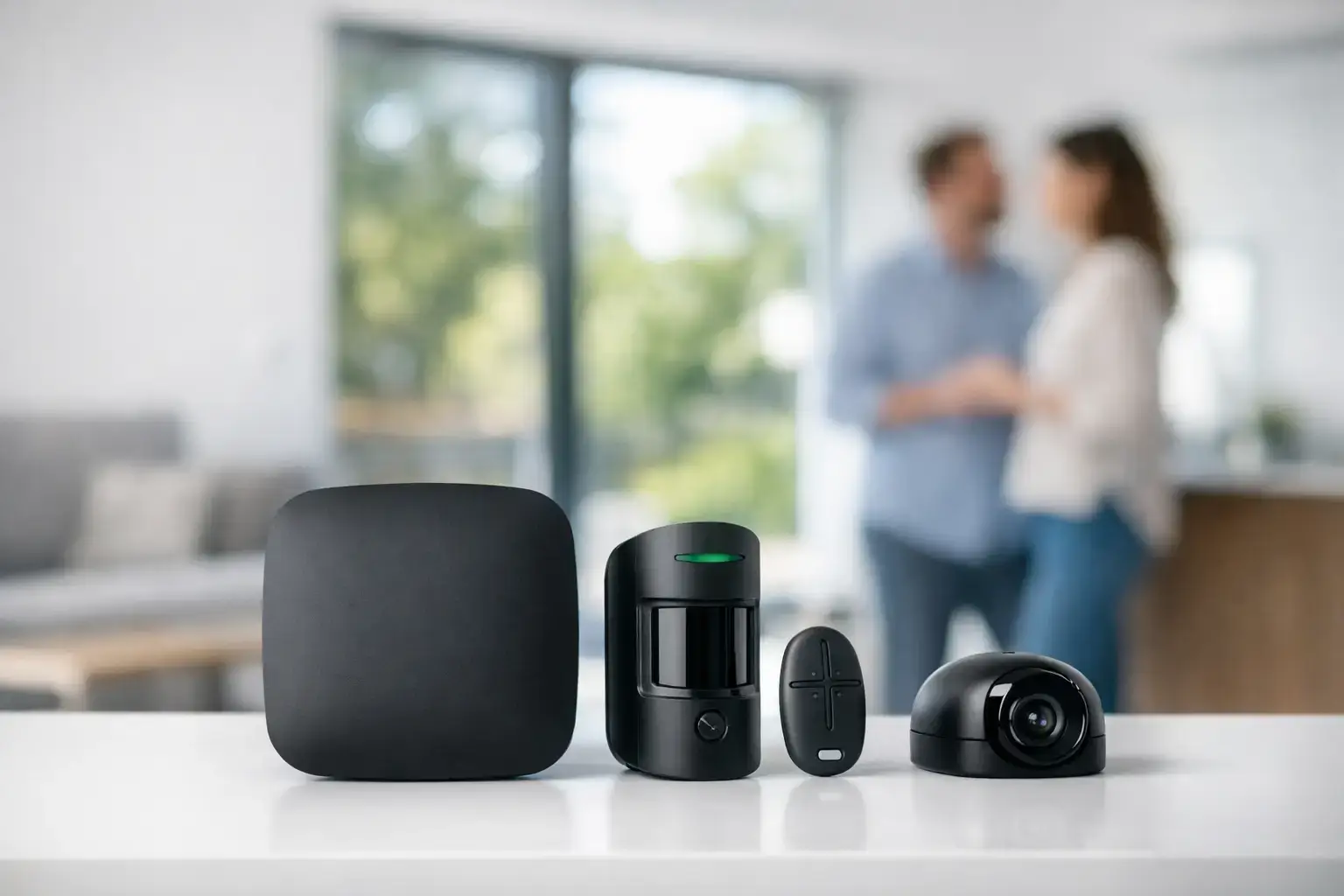
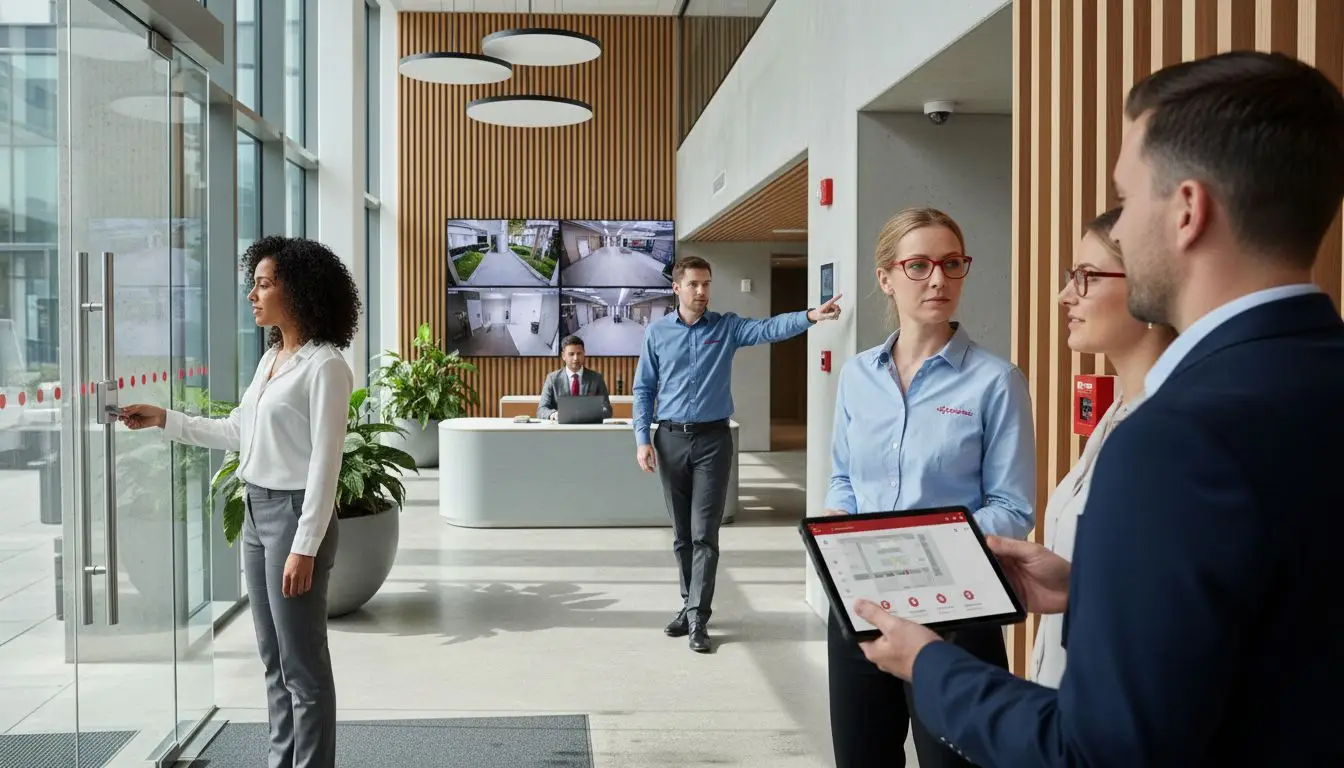
Over 60 percent of businesses experience at least one security incident each year, putting both assets and peace of mind at risk. In a world where threats evolve quickly, having the right security measures in place is not just smart—it is vital for your business’s survival and reputation. From advanced CCTV systems and burglar alarms to modern fire and access solutions, you can protect your workplace with technology designed to offer real answers to today’s biggest security challenges.
Quick Summary
| Takeaway | Explanation |
|---|---|
| 1. Implement CCTV for 24/7 monitoring. | Surveillance systems provide continuous security and real-time threat detection, enhancing business safety significantly. |
| 2. Install burglar alarms as deterrent. | Alarms actively discourage intruders and provide early warnings, reducing theft risks effectively. |
| 3. Use door entry systems for controlled access. | Advanced access solutions manage entry efficiently, ensuring only authorized personnel access sensitive areas. |
| 4. Integrate fire alarm systems for safety. | These systems notify emergencies automatically, improving response times and compliance with safety regulations. |
| 5. Leverage remote monitoring for real-time alerts. | Remote capabilities enable instant notifications and global monitoring, allowing swift responses to security threats. |
1. CCTV Systems for 24/7 Surveillance
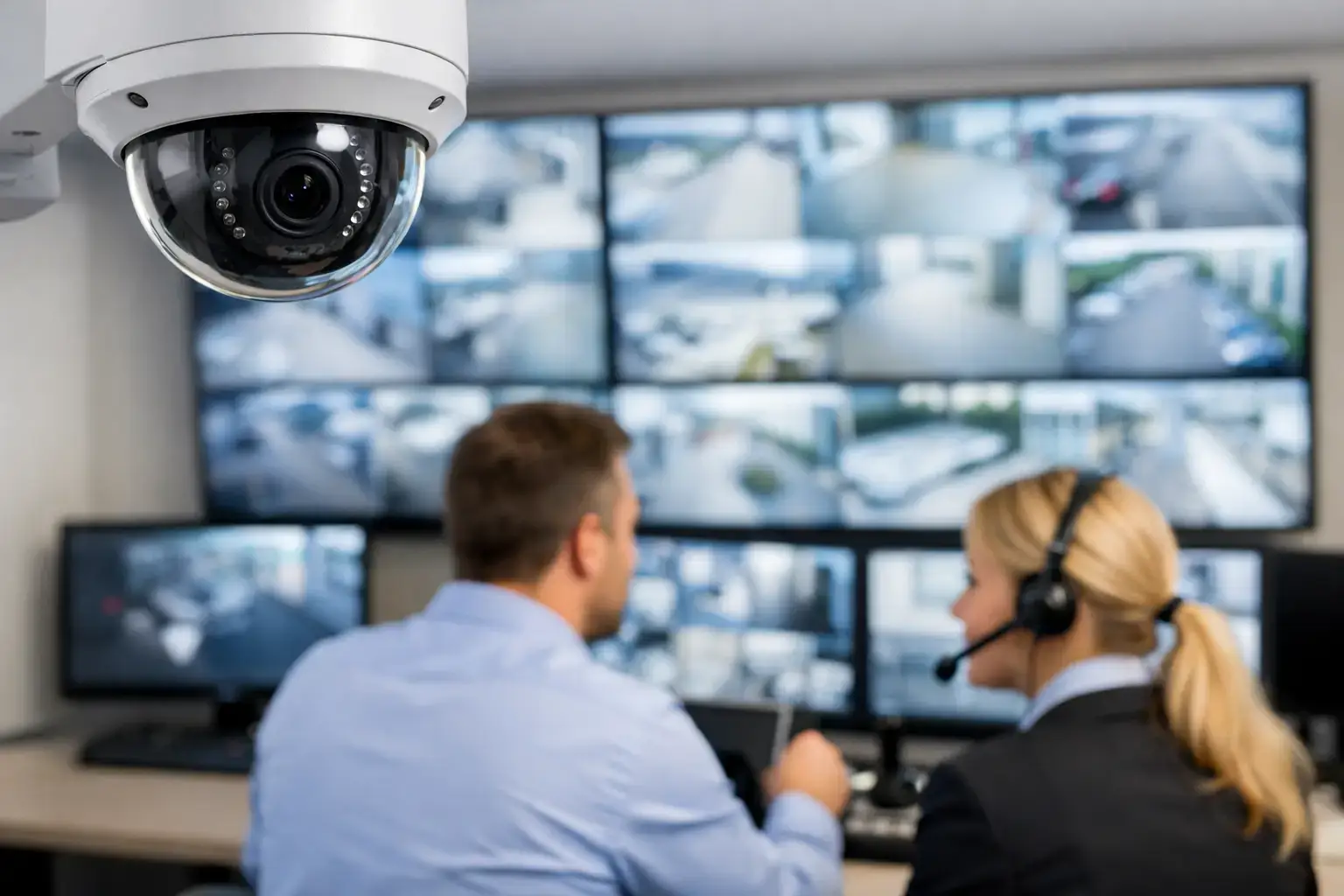
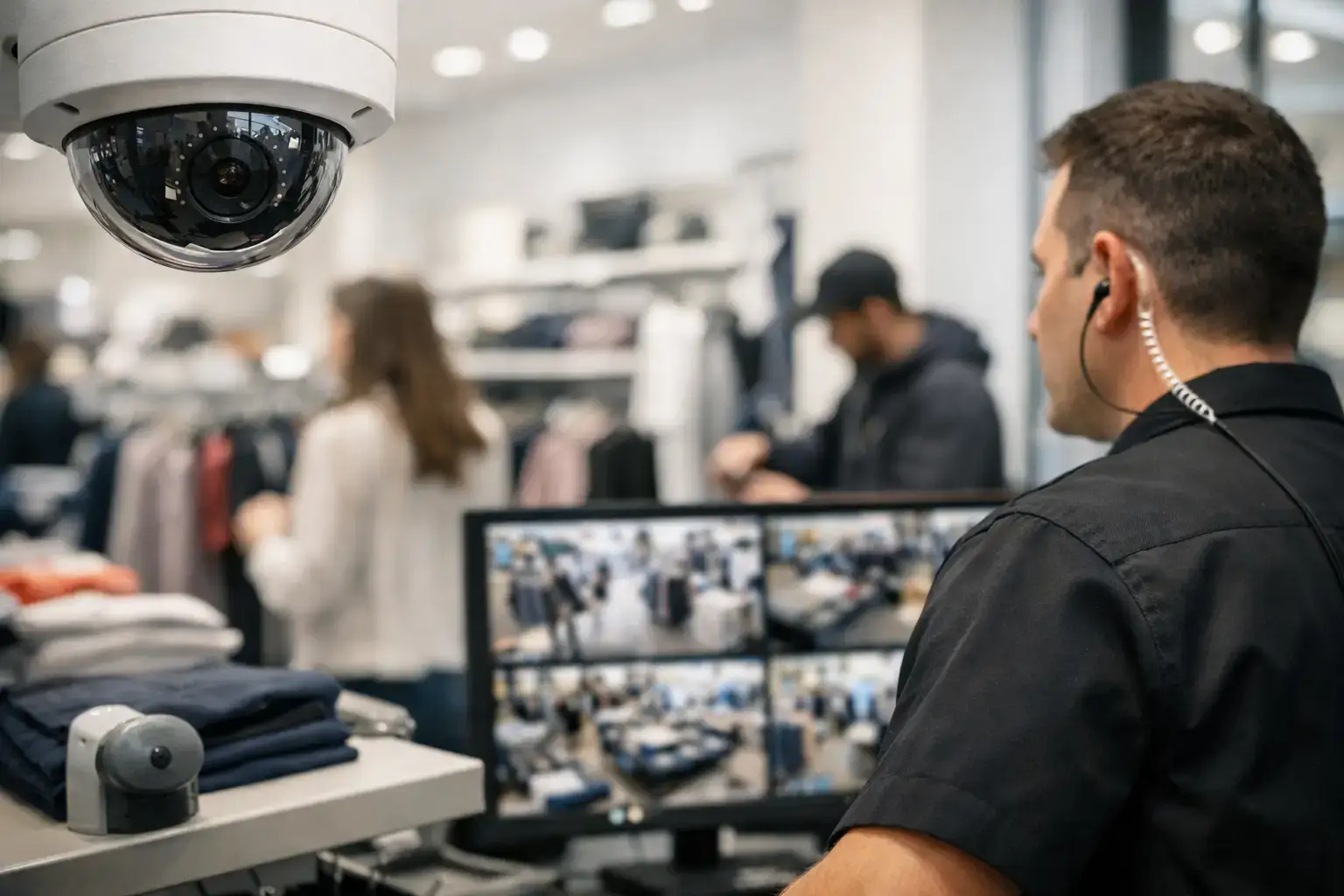
CCTV systems represent the backbone of modern business security strategy. These sophisticated surveillance networks provide continuous monitoring that protects your business premises around the clock.
According to the National Protective Security Authority, video analytics have transformed traditional surveillance from passive recording to intelligent threat detection. Modern CCTV systems do far more than simply capture footage they actively analyse potential security risks in real time.
Key Benefits of Continuous CCTV Monitoring:
- Immediate detection of suspicious activities
- Visual evidence for potential legal proceedings
- Deterrence of potential criminal behaviour
- Remote monitoring capabilities
Businesses can strategically position cameras to cover critical areas like entrances, cash handling zones, storage spaces and parking areas. The goal is comprehensive coverage that minimises blind spots and provides clear visual documentation of all activities.
The UK government’s Surveillance Camera Code of Practice emphasises the importance of proportionate and responsible CCTV deployment. This means installing systems that protect your business while respecting individual privacy rights.
For comprehensive insights into optimising your CCTV system, check out our guide on essential CCTV features that can transform your security approach.
2. Burglar Alarms to Deter Intruders
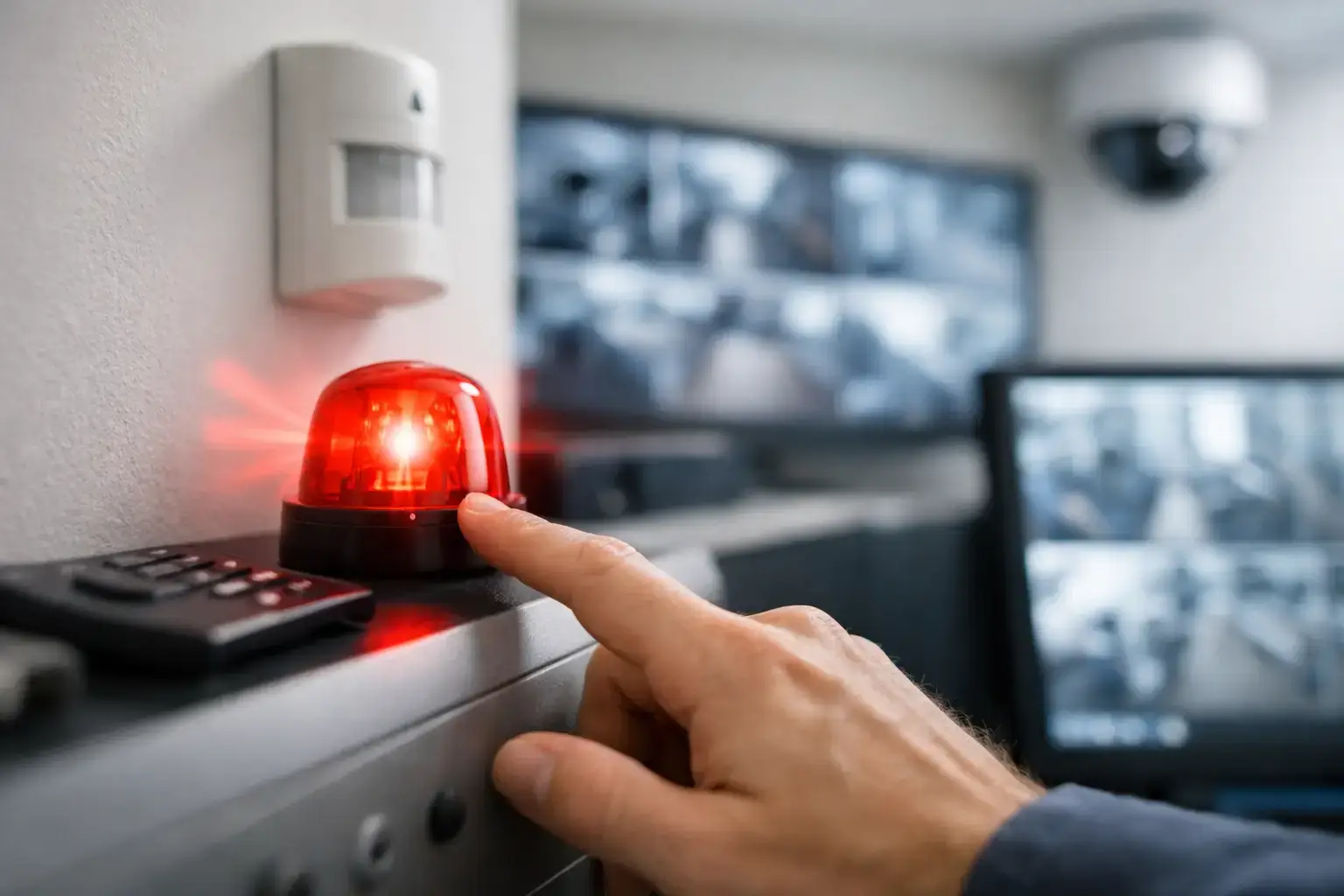
Burglar alarms serve as a critical first line of defence for businesses seeking to protect their assets and premises from potential intrusions. These sophisticated security systems do far more than simply making noise they actively discourage criminal activities and provide critical early warning.
According to the National Business Crime Centre, intruder alarms play a significant role in commercial security strategies by creating a powerful psychological deterrent for potential criminals.
Core Components of Effective Burglar Alarm Systems:
- Perimeter protection sensors
- Motion detection technology
- Immediate notification systems
- Integrated communication with local authorities
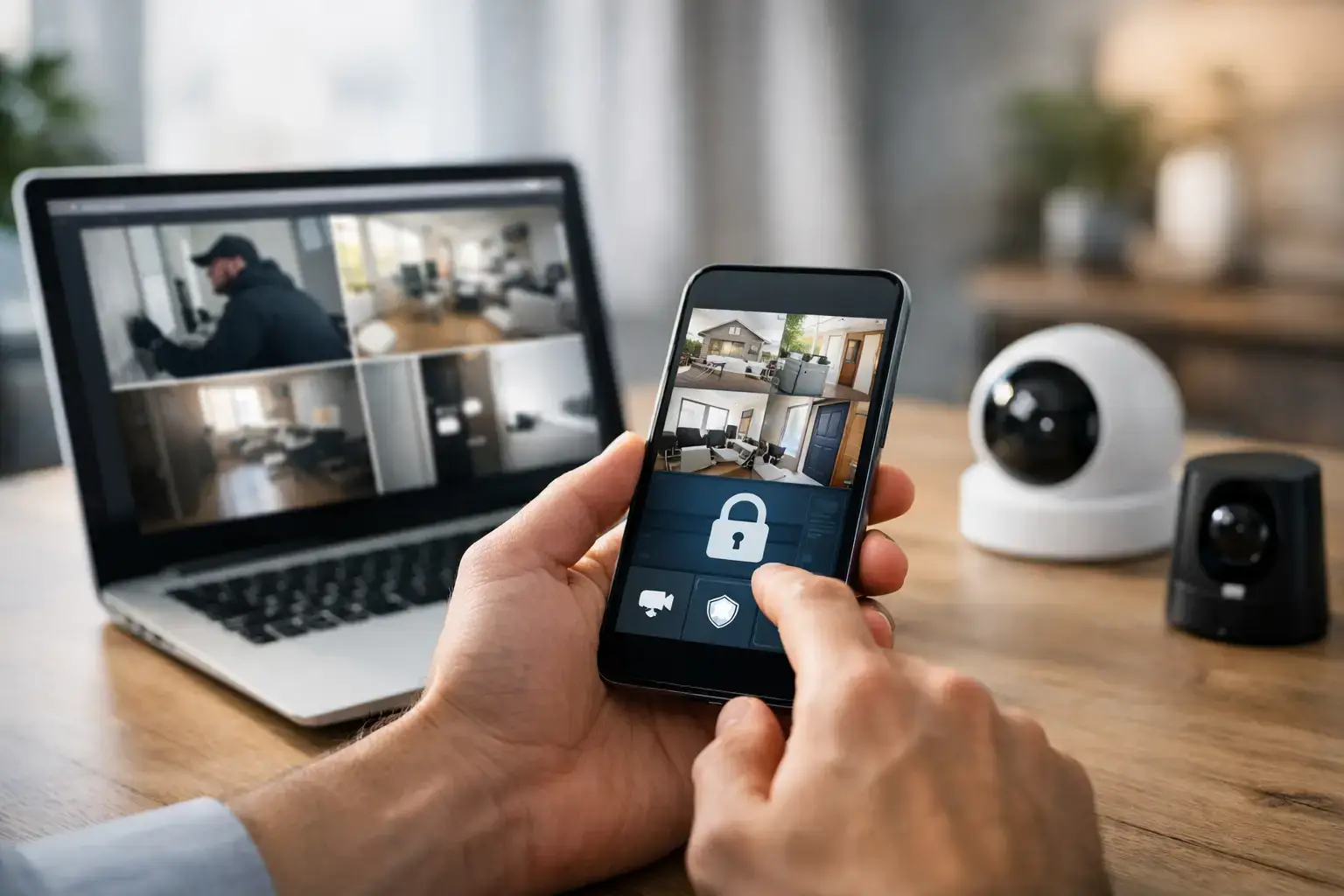
Modern burglar alarm systems have evolved well beyond basic sound triggers. They now incorporate smart technologies like wireless connectivity, smartphone alerts and integration with other security platforms. This means you can monitor your business security from anywhere at any time.
Research from the University of Huddersfield highlights the substantial deterrent effect these systems provide. Businesses with visible and sophisticated alarm systems significantly reduce their likelihood of being targeted by criminal elements.
To explore the nuanced world of burglar alarm technologies and find the perfect solution for your business, check out our comprehensive guide to types of burglar alarms.
3. Door Entry Systems for Controlled Access
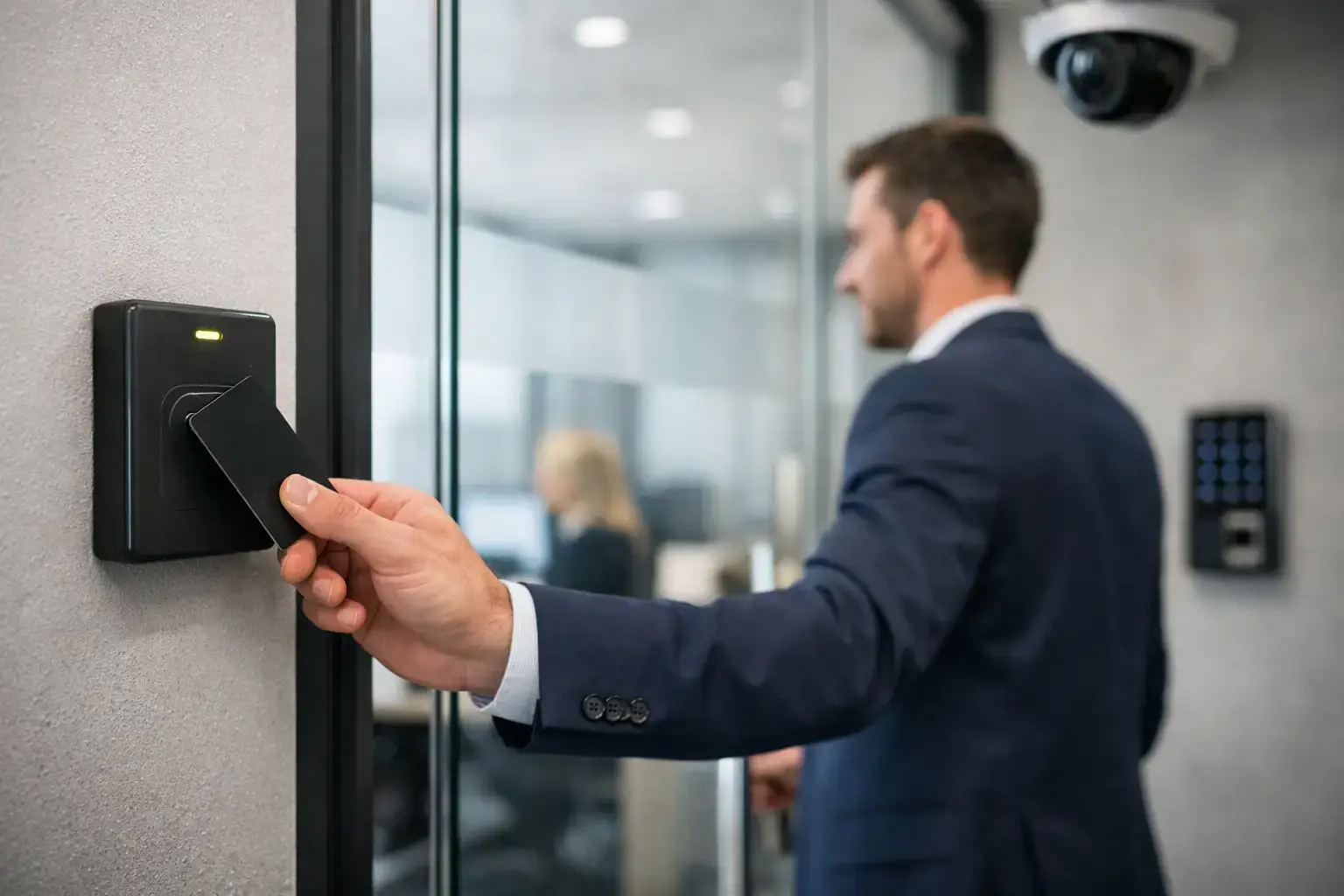
Door entry systems are sophisticated security solutions that transform how businesses manage physical access to their premises. These intelligent systems provide a robust mechanism for controlling who enters and exits your workspace while maintaining a professional and secure environment.
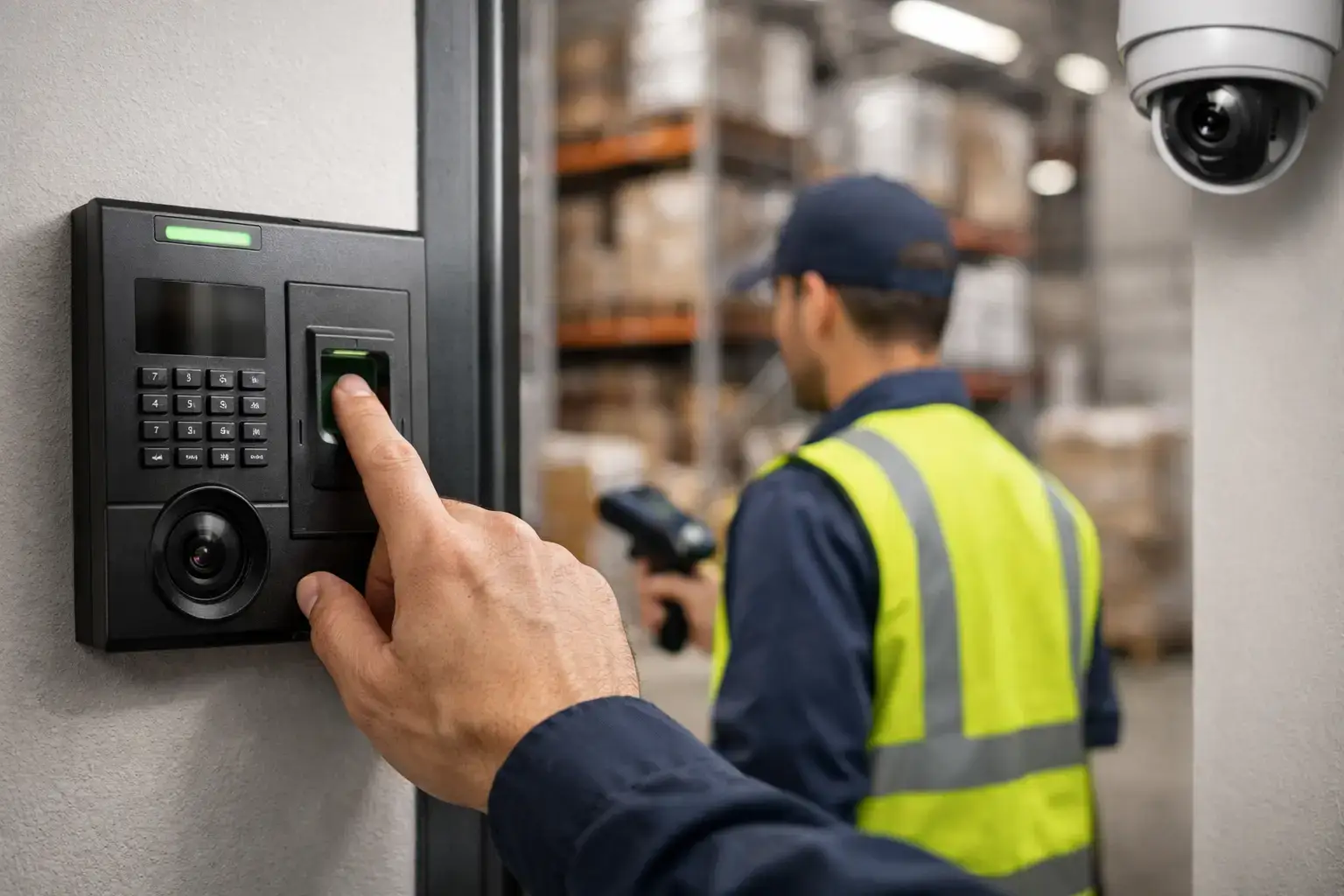
Modern door entry systems go far beyond traditional locks and keys. They leverage advanced technologies like biometric scanning, proximity cards and smartphone credentials to create multilayered access management strategies.
Key Advantages of Door Entry Systems:
- Precise tracking of employee movements
- Immediate restriction of access for terminated personnel
- Elimination of physical key management
- Comprehensive audit trails
Businesses can customise access permissions based on employee roles departments or time schedules. This means a finance team member might have different access rights compared to maintenance staff providing granular control over your security infrastructure.
The real power of these systems lies in their ability to integrate seamlessly with other security technologies. Imagine a system that not only controls access but simultaneously logs entry times sends instant notifications and can be monitored remotely from your smartphone.
To explore how these advanced access technologies can revolutionise your business security approach, read our guide on integrating access control systems seamlessly.
4. Access Control Solutions for Staff and Visitors
Access control solutions represent a sophisticated approach to managing who enters and moves within your business premises. These intelligent systems provide a comprehensive strategy for protecting your workspace while maintaining smooth operational workflows for staff and authorised visitors.
Modern access control goes far beyond traditional security methods. It transforms how businesses manage human movement creating intelligent ecosystems that balance safety security and convenience.
Advanced Features of Access Control Systems:
- Granular permission settings
- Real time entry tracking
- Automatic visitor management
- Customisable access levels
Businesses can implement tiered access strategies where different personnel receive different levels of building access. A cleaning staff member might have limited access during specific hours while senior management enjoys comprehensive building permissions. This nuanced approach ensures that every individual has precisely the right level of access needed for their role.
The technology behind these systems has become remarkably sophisticated. Biometric scanners facial recognition technologies and smartphone credentialing have replaced traditional key and card systems making access management more secure and efficient than ever before.
To understand how these cutting edge technologies can transform your business security approach, explore our guide on advanced access control solutions.
5. Intercom Systems to Monitor Entrances
Intercom systems represent a sophisticated layer of security that enables businesses to manage and control entrance points with enhanced communication and verification capabilities. These intelligent communication tools transform how organisations monitor and interact with visitors before granting access.
According to the National Protective Security Authority, integrating intercom systems with visual verification technologies creates a comprehensive security ecosystem that goes beyond traditional entry methods.
Key Advantages of Modern Intercom Systems:
- Remote visitor identification
- Two way audio communication
- Visual verification capabilities
- Recorded entry interactions
Businesses can leverage these systems to create multiple layers of security. From commercial offices to sensitive industrial facilities intercom technologies provide a critical screening mechanism that allows personnel to assess and manage visitor access without physical proximity.
Today’s intercom solutions are far more than simple audio devices. They incorporate high definition video cameras mobile app integrations and advanced recording capabilities that can seamlessly document every entrance interaction. This means you can maintain a precise digital record of all visitor movements and communications.
For comprehensive insights into implementing cutting edge door entry technologies, explore our guide on video door entry systems that can transform your security approach.
6. Fire Alarm Integration for Increased Safety
Fire alarm integration represents a critical component of comprehensive business safety strategies providing intelligent protection that goes far beyond traditional alarm systems. These advanced technologies create a proactive defence mechanism against potential fire hazards.
According to the UK government’s fire safety risk assessment guidance, integrating fire alarm systems is essential for ensuring workplace safety and regulatory compliance.
Advanced Features of Modern Fire Alarm Systems:
- Automated emergency notifications
- Real time location tracking
- Instant communication with emergency services
- Comprehensive building coverage
Modern fire alarm technologies do much more than simply sound an alert. They create intelligent networks that can automatically notify emergency services dispatch evacuation protocols and provide precise location information during critical moments. This means faster response times and potentially life saving interventions.
Businesses can now implement sophisticated fire alarm solutions that integrate seamlessly with other security systems. These interconnected networks allow for rapid communication between different safety technologies creating a comprehensive protection ecosystem that monitors and responds to potential threats.
To understand the nuances of selecting the right fire alarm technology for your specific needs, explore our guide on wired versus wireless fire alarm systems.
7. Remote Monitoring for Real-Time Alerts
Remote monitoring represents the cutting edge of modern security technologies enabling businesses to maintain vigilant protection from anywhere in the world. These sophisticated systems transform traditional security approaches by providing instant access and immediate response capabilities.
According to the National Protective Security Authority, remote monitoring technologies have revolutionised surveillance by offering real time alerts and intelligent threat detection mechanisms that go beyond passive recording.
Core Advantages of Remote Monitoring Systems:
- Instantaneous threat notifications
- Smartphone based access
- Global monitoring capabilities
- Comprehensive incident documentation
Businesses can now leverage advanced technologies that provide comprehensive security oversight without requiring constant physical presence. Modern remote monitoring solutions integrate multiple security systems creating an intelligent network that can detect unusual activities trigger automatic alerts and provide detailed incident reports.
The UK government’s Surveillance Camera Code of Practice emphasises the importance of implementing these technologies responsibly ensuring that businesses maintain robust security while respecting individual privacy standards.
To gain deeper insights into maximising your remote viewing capabilities, explore our comprehensive CCTV remote viewing guide tailored for UK businesses.
Below is a comprehensive table summarising the main security systems discussed throughout the article and their key features.
| Security System | Description | Key Features & Benefits |
|---|---|---|
| CCTV Systems | Provides 24/7 surveillance transforming passive recording into intelligent threat detection. | Immediate detection, visual evidence, deterrence, remote monitoring. |
| Burglar Alarms | First line of defence against intrusions, creating psychological deterrence. | Perimeter sensors, motion detection, alerts, authority communication. |
| Door Entry Systems | Controls physical access with advanced technologies. | Employee tracking, access restriction, audit trails, integration capabilities. |
| Access Control | Manages movement within premises, ensuring safety and operational flow. | Granular permissions, real-time tracking, visitor management, biometric technology. |
| Intercom Systems | Enhances entrance monitoring with communication and verification. | Remote identification, audio, and visual capabilities, recorded interactions. |
| Fire Alarm Integration | Proactive fire hazard defence, surpassing traditional alarms. | Emergency notifications, location tracking, emergency services communication. |
| Remote Monitoring | Allows global security oversight with real-time alerts and documentation. | Instant notifications, smartphone access, incident documentation. |
Strengthen Your Business Security with Tailored Solutions
Every UK business understands the stress of protecting employees, assets and sensitive information. The article highlights challenges such as managing access control, deterring intruders and ensuring real-time monitoring through advanced CCTV and alarm systems. These are not just technologies but crucial safeguards that provide peace of mind and protect your reputation.
At 247 CCTV, we specialise in installing comprehensive security systems designed to meet your unique needs. Whether your priority is a robust CCTV system for continuous surveillance or smart access control solutions that manage staff and visitor entry, we have the expertise to help.
Take control of your business security now. Why wait until a security breach happens? Visit 247 CCTV today to explore bespoke installations that protect your premises effectively and confidently. Act today and secure tomorrow.
Frequently Asked Questions
What are the benefits of installing a CCTV system for my business?
CCTV systems provide continuous surveillance that can detect suspicious activities in real time. To enhance security, consider placing cameras in key areas like entrances and storage spaces to ensure comprehensive coverage and minimize blind spots.
How can burglar alarms effectively deter potential intruders?
Burglar alarms create a psychological deterrent by notifying both you and local authorities of unauthorized access. Install perimeter protection sensors and motion detection technology to significantly deter criminal behaviour and protect your assets.
What features should I consider when choosing a door entry system?
Look for door entry systems that offer biometric scanning and remote access capabilities to enhance security and convenience. Establish a customised access strategy that ensures only authorized personnel can enter restricted areas.
How do access control solutions improve security for staff and visitors?
Access control solutions provide granular permissions, allowing businesses to manage who moves within the premises effectively. Implement a tiered access approach to restrict areas based on employee roles, enhancing both safety and operational efficiency.
Why is integrating fire alarm systems important for my business?
Integrating fire alarms into your security strategy helps ensure workplace safety and regulatory compliance. Choose systems that automatically notify emergency services and provide real-time tracking to enhance overall safety measures.
How does remote monitoring improve my business’s security measures?
Remote monitoring allows for real-time alerts and instant access to security footage, enabling prompt action when threats arise. Set up these systems to document all incidents, helping you maintain vigilance and respond effectively from anywhere.